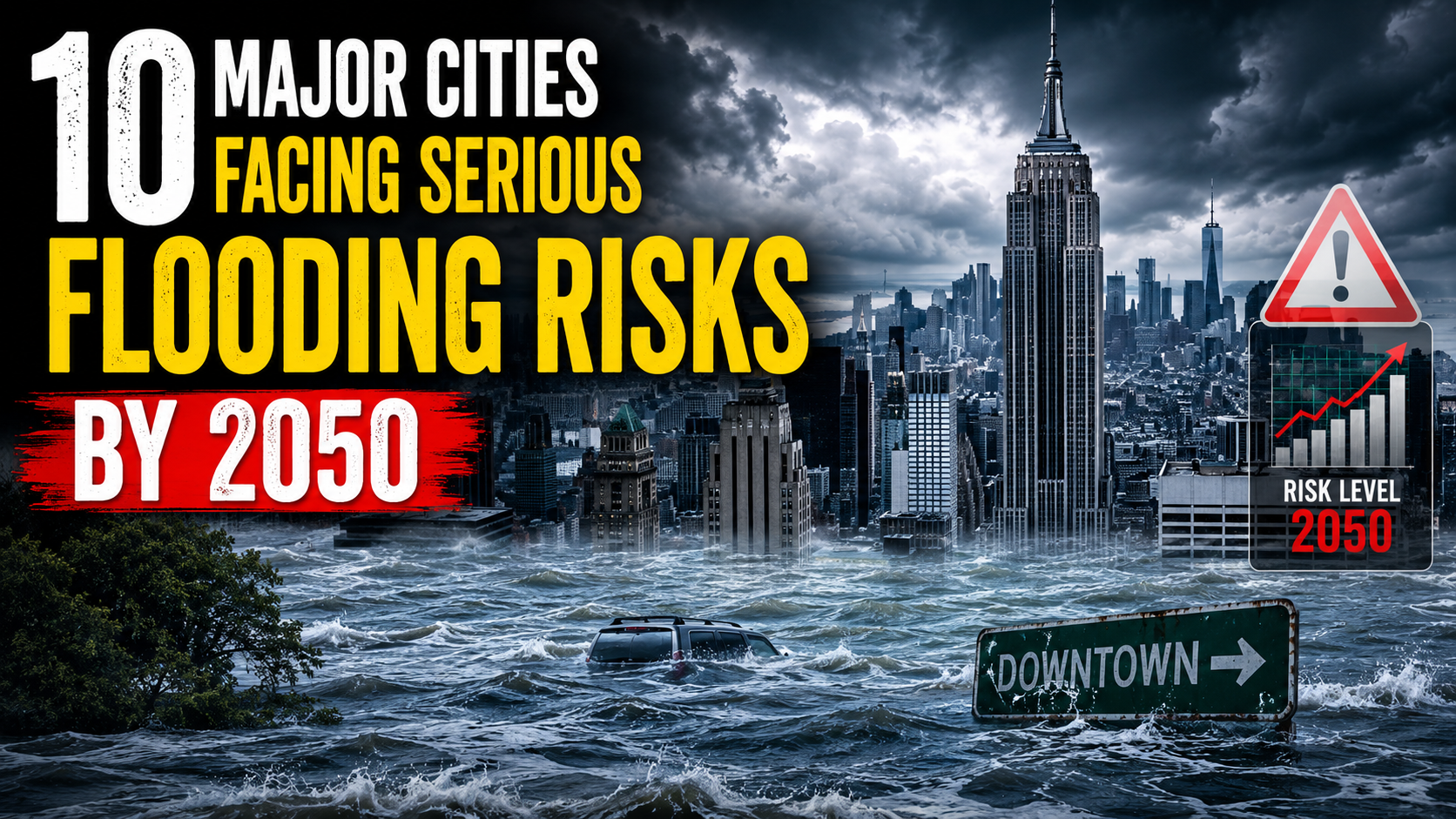
Rising sea levels are no longer a distant environmental concern—they are a growing reality affecting millions of people around the world. Driven by climate change, melting glaciers, and thermal expansion of the oceans, higher sea levels are increasing the risk of flooding in both coastal and low-lying urban areas.
Many cities are already experiencing more frequent floods, stronger storm surges, and sinking land that compounds the problem. Scientists warn that without significant adaptation efforts, some of the world’s most populated regions could face severe disruptions by 2050.
Here are ten cities that experts believe are among the most vulnerable to future flooding and sea-level rise.
1. Bangkok, Thailand
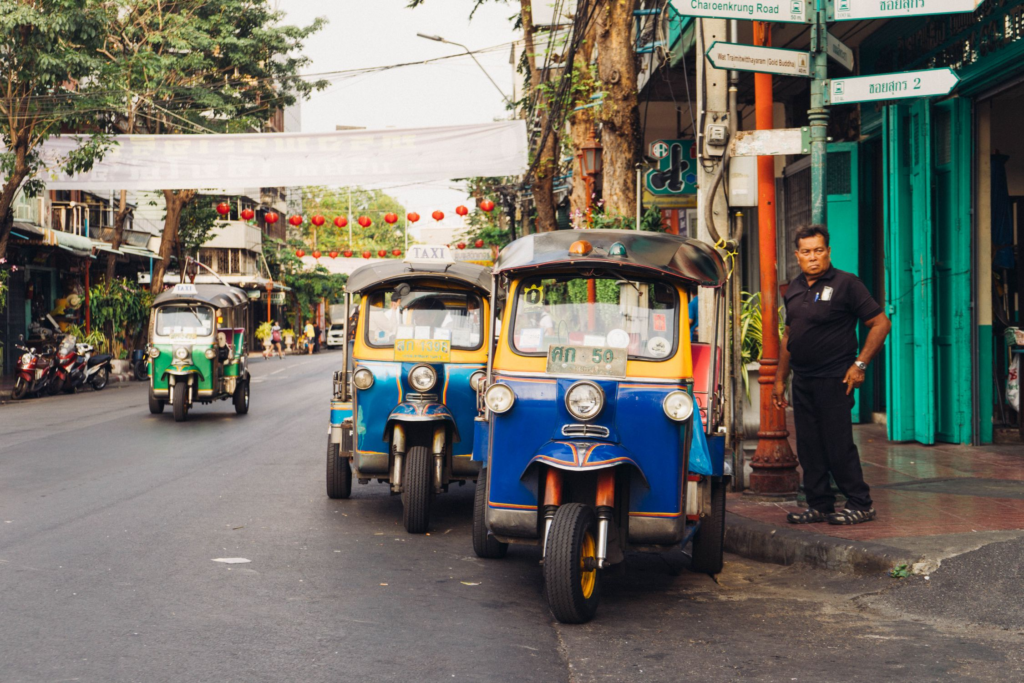
Few cities illustrate the combined effects of urban growth and environmental change as dramatically as Bangkok.
The Thai capital is gradually sinking due to excessive groundwater extraction and the immense weight of its expanding infrastructure. Some areas are subsiding by several centimeters each year, while rising sea levels continue to increase flood risks.
Seasonal flooding is already a common challenge, particularly during periods of heavy rainfall. The city’s drainage systems often struggle to handle large volumes of water, leaving streets and neighborhoods submerged.
Without major investments in flood protection, land management, and sustainable water use, Bangkok could face increasingly severe flooding in the decades ahead.
2. Venice, Italy
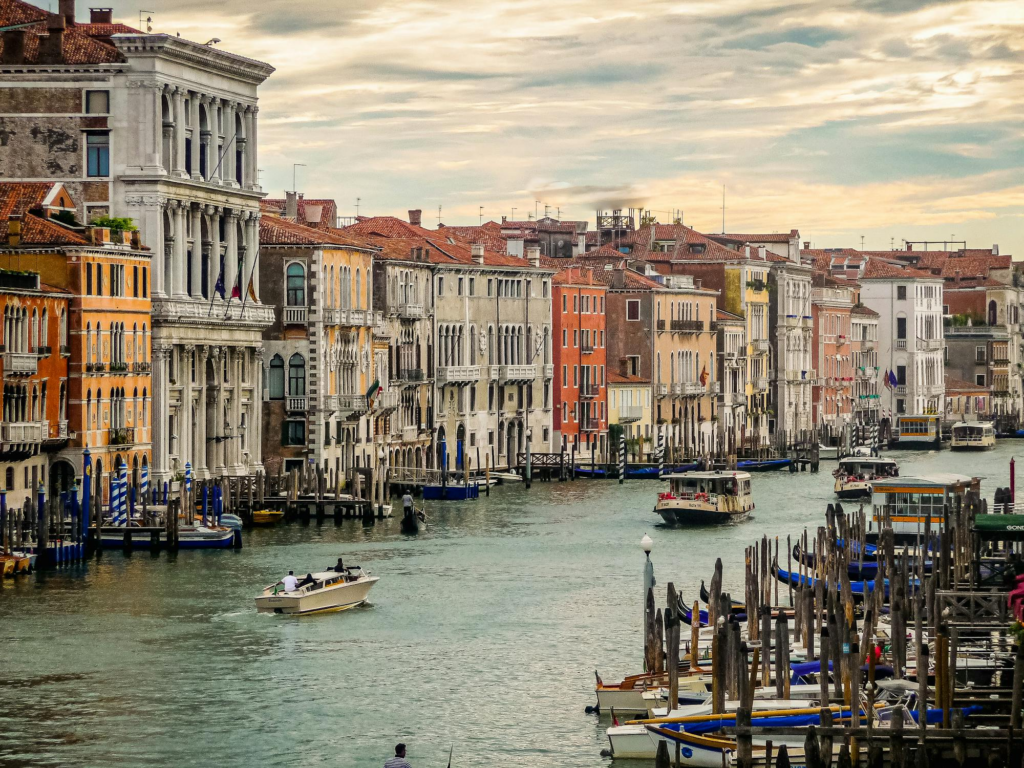
Known worldwide for its canals and historic architecture, Venice has long battled the forces of water.
The city naturally experiences periodic flooding, but rising sea levels and ongoing land subsidence have made high-water events more frequent and damaging. Historic landmarks, homes, and businesses are increasingly vulnerable to flooding that can last for hours or even days.
To combat the threat, Italy has invested heavily in the MOSE flood barrier system, designed to temporarily isolate the lagoon from exceptionally high tides. While the project offers protection, experts continue to debate whether it will be sufficient as sea levels rise further.
Venice serves as a powerful example of how climate change threatens cultural heritage as well as modern infrastructure.
3. Ho Chi Minh City, Vietnam
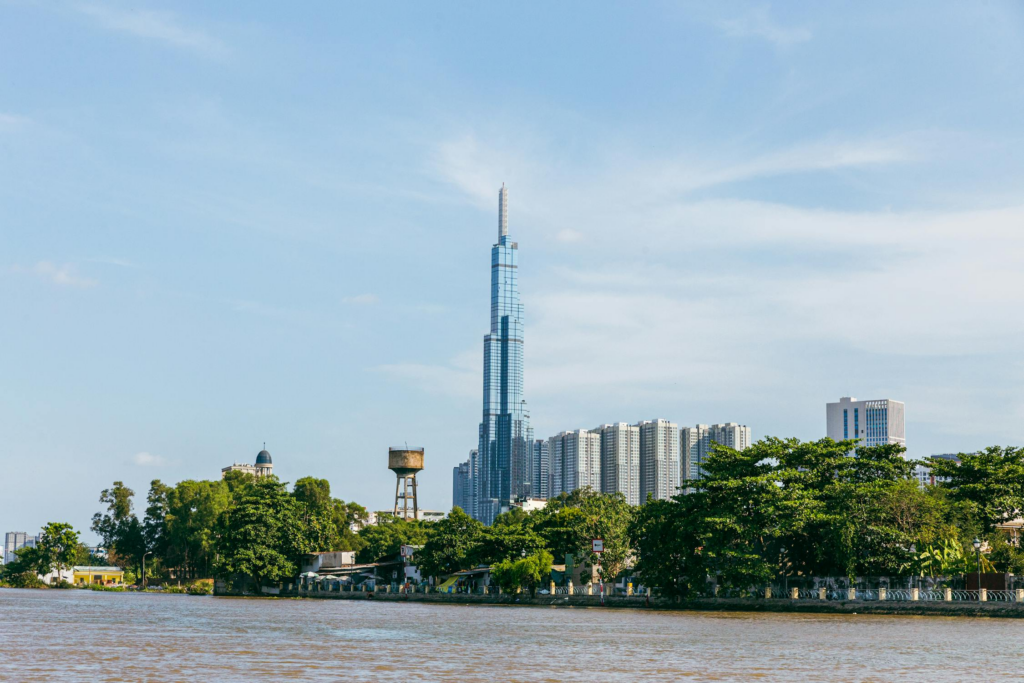
Located near the Mekong Delta, Ho Chi Minh City faces a combination of environmental pressures that make it highly vulnerable to flooding.
Rapid urbanization, land subsidence caused by groundwater extraction, and rising sea levels all contribute to increasing flood risks. Many neighborhoods already experience frequent flooding during heavy rains and high tides.
As one of Southeast Asia’s fastest-growing metropolitan areas, the city faces the difficult challenge of balancing economic growth with climate resilience.
Large-scale flood control projects are underway, but the risks remain significant as water levels continue to rise.
4. Male, Maldives
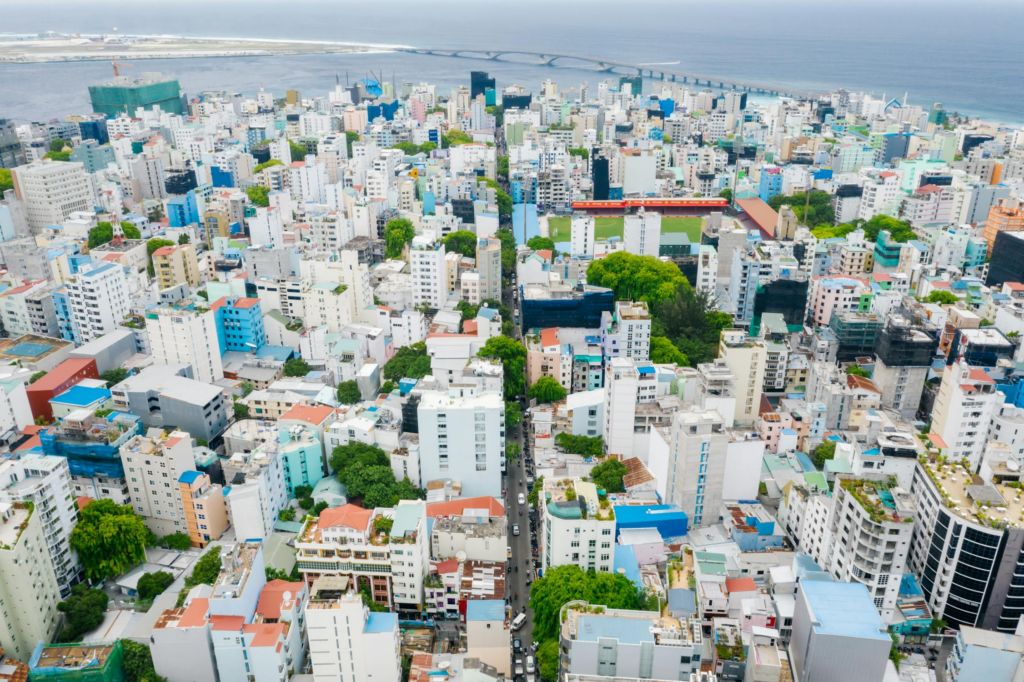
The Maldives is often cited as one of the countries most threatened by rising seas, and its capital city, Male, sits at the center of that concern.
Much of the nation lies only a few feet above sea level, making it exceptionally vulnerable to storm surges and long-term ocean encroachment. Even relatively small increases in sea level could have major consequences for housing, infrastructure, freshwater supplies, and tourism.
In response, the Maldives has invested in sea walls, land reclamation projects, and the construction of artificial islands designed to withstand future climate impacts.
Male highlights the unique challenges faced by island nations with limited options for relocation and expansion.
5. Miami, Florida, United States
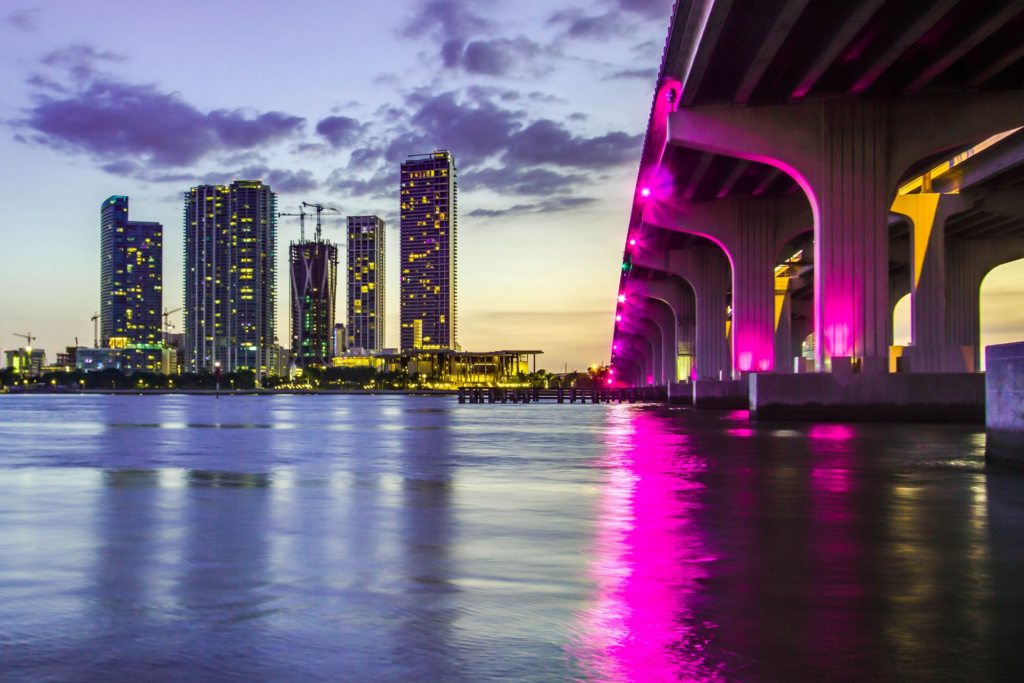
Miami has become one of the most discussed examples of climate-related flood risk in North America.
Unlike many coastal cities, Miami sits on porous limestone, which allows seawater to seep underground and rise through drainage systems. As a result, flooding can occur even on sunny days without storms or heavy rainfall.
The city has invested millions of dollars in pumps, elevated roadways, and improved drainage infrastructure. However, experts caution that these measures may only provide temporary relief if sea levels continue rising at projected rates.
Miami’s experience demonstrates that wealth and advanced infrastructure alone cannot eliminate climate-related vulnerabilities.
6. New Orleans, Louisiana, United States
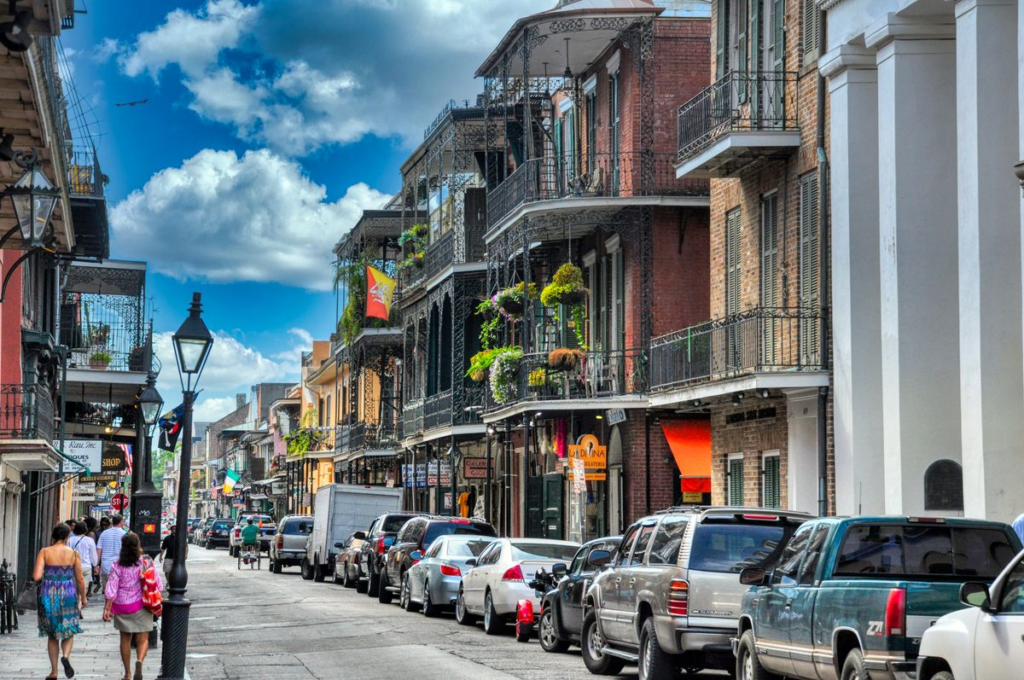
New Orleans has a long history of living with flood risk.
Large portions of the city lie below sea level and rely on levees, pumps, and flood barriers for protection. The devastation caused by Hurricane Katrina highlighted how vulnerable the region can be when those defenses fail.
Today, rising sea levels, stronger storms, and ongoing land subsidence continue to threaten the city. Coastal wetlands that once provided natural protection have also been shrinking for decades.
New Orleans remains a critical case study in both disaster preparedness and climate adaptation.
7. Kolkata, India

Situated near the Bay of Bengal, Kolkata faces increasing threats from sea-level rise, coastal flooding, and stronger tropical storms.
The city’s dense population and aging infrastructure make flood management particularly challenging. During severe weather events, drainage systems can quickly become overwhelmed, causing widespread disruption.
Climate scientists have warned that rising ocean levels combined with more intense cyclones could significantly increase flooding risks throughout the region by mid-century.
Kolkata’s situation underscores the difficulties many rapidly growing cities face as they attempt to adapt to changing environmental conditions.
8. Shanghai, China
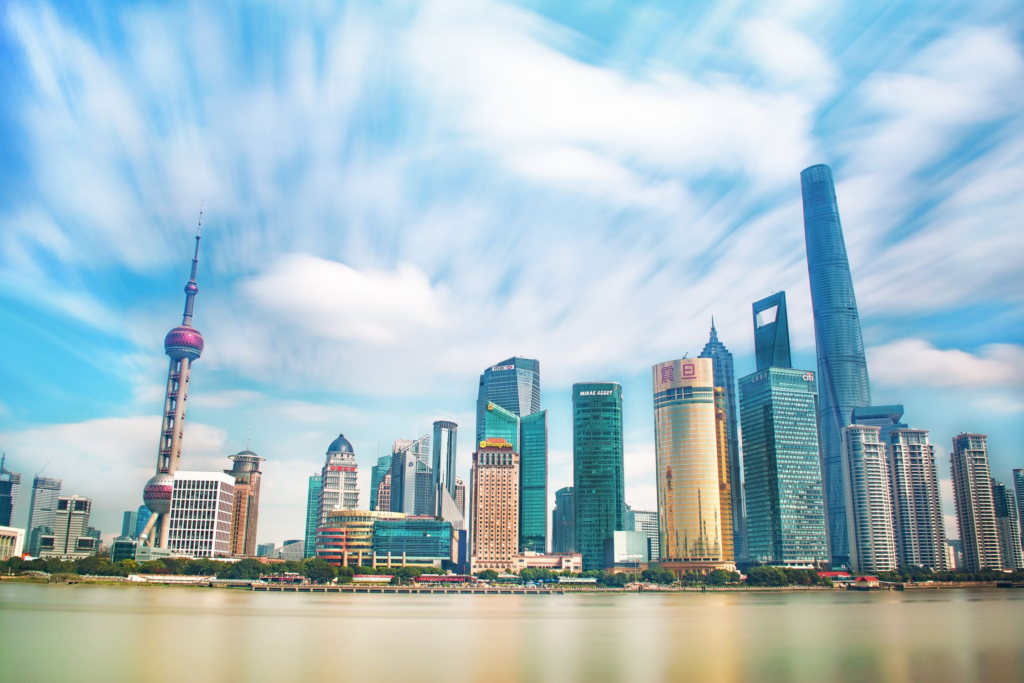
As one of the world’s largest cities and a major economic center, Shanghai has enormous stakes in the battle against rising seas.
Located in the Yangtze River Delta, the city faces threats from both sea-level rise and land subsidence linked to urban development and groundwater extraction. Together, these factors increase the likelihood of flooding during storms and extreme weather events.
Authorities have invested heavily in seawalls, flood-control systems, and drainage improvements. However, continued urban growth and climate pressures mean long-term adaptation will remain essential.
Given Shanghai’s economic importance, protecting the city is a matter of both national and global significance.
9. Amsterdam, Netherlands
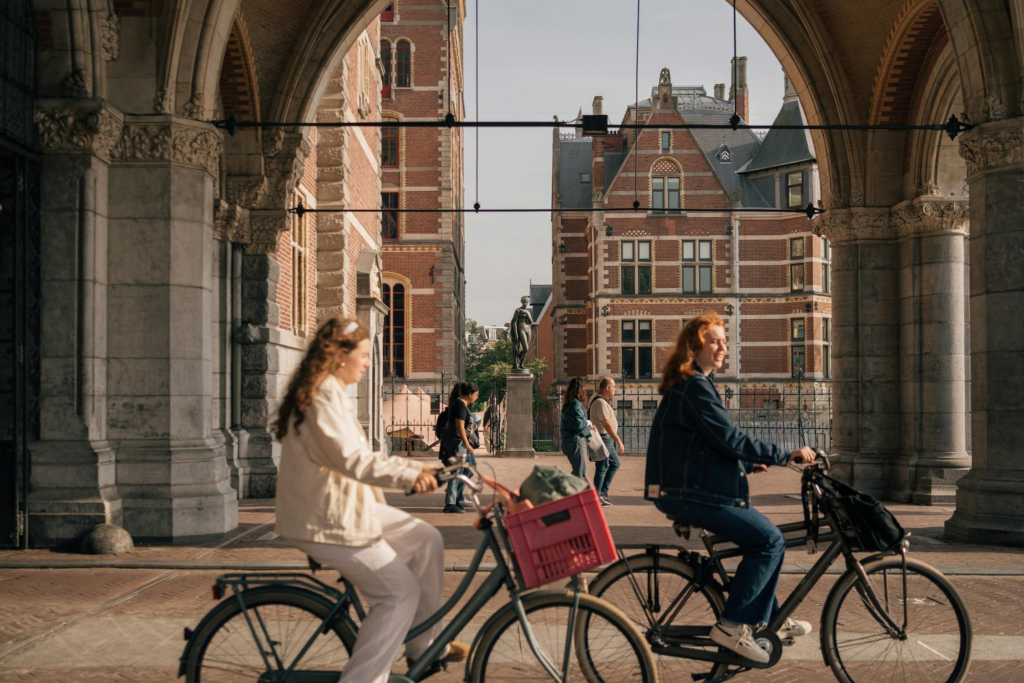
Amsterdam has built its reputation on some of the most advanced flood-control systems in the world.
The Netherlands has spent centuries developing sophisticated engineering solutions, including dikes, canals, pumping stations, and storm barriers designed to keep the sea at bay.
Despite this expertise, climate change is creating new challenges. Rising sea levels and changing weather patterns require constant upgrades and innovation to maintain protection.
The Dutch government’s approach increasingly combines engineering with nature-based solutions, such as creating additional space for rivers to expand safely during floods.
Amsterdam demonstrates that adaptation is an ongoing process, even for cities with world-class flood defenses.
10. Peterborough, England, United Kingdom
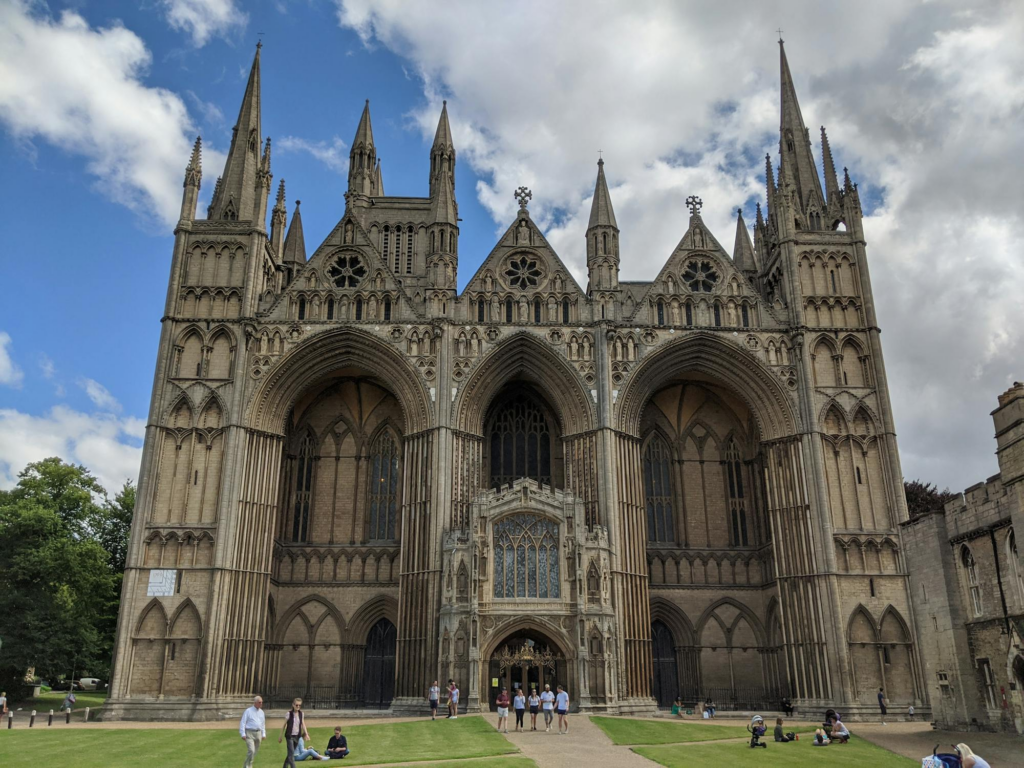
While often overlooked in discussions about rising seas, Peterborough faces growing flood risks due to its proximity to river systems and low-lying landscapes.
Climate change is expected to bring heavier rainfall and increased pressure on waterways, while rising sea levels may also influence flooding patterns further inland.
Local authorities have begun implementing adaptation measures, including improved drainage infrastructure and natural flood management projects.
Peterborough’s situation serves as an important reminder that flood risk is not limited to coastal cities. Inland communities may also face significant challenges as weather patterns continue to change.
Why These Cities Are at Risk
Although each city faces unique circumstances, several common factors contribute to their vulnerability:
- Rising global sea levels
- Land subsidence or sinking ground
- Rapid urban development
- Population growth in coastal regions
- More intense storms and rainfall events
- Aging infrastructure
When multiple factors occur simultaneously, the risk of severe flooding increases dramatically.
Can Cities Adapt?
The good news is that many cities are already taking action.
Common adaptation strategies include:
- Building seawalls and flood barriers
- Elevating roads and infrastructure
- Restoring wetlands and natural buffers
- Improving drainage systems
- Restricting groundwater extraction
- Implementing climate-resilient urban planning
While these measures can reduce risk, experts agree that long-term success also depends on global efforts to reduce greenhouse gas emissions and slow the pace of climate change.
Final Thoughts
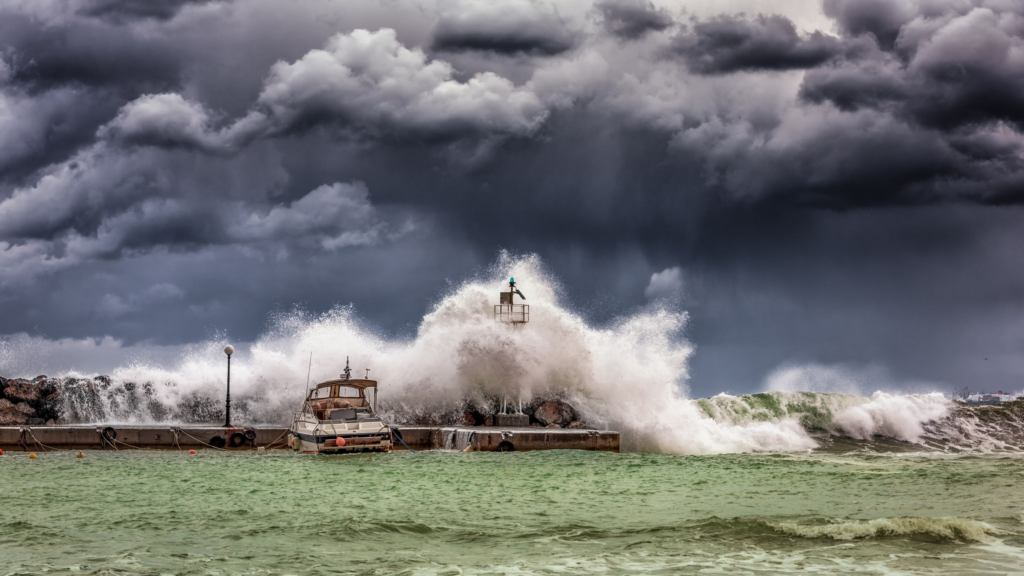
Rising sea levels represent one of the most significant challenges facing cities in the 21st century. From bustling economic hubs like Shanghai and Miami to historic treasures like Venice and vulnerable island capitals like Male, communities around the world are confronting an uncertain future.
The cities highlighted here offer a glimpse into what many coastal and low-lying regions may experience in the coming decades. Their stories emphasize the importance of preparation, innovation, and international cooperation.
How governments, businesses, and citizens respond today will play a major role in determining whether these cities can adapt successfully—or whether parts of them will eventually be claimed by the sea.