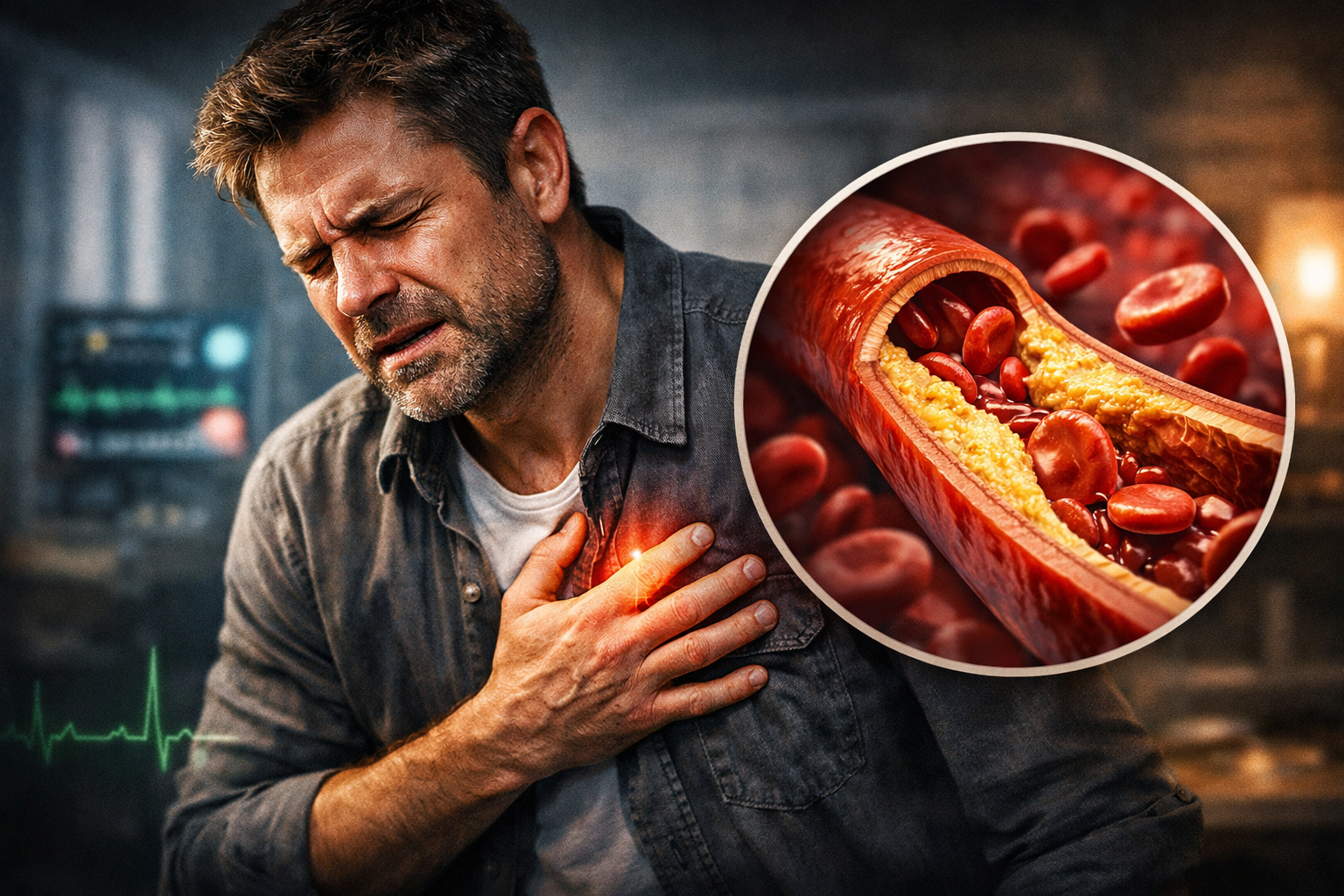
Heart disease remains one of the leading causes of death worldwide, and a major contributor is atherosclerosis—the gradual buildup of fatty deposits, cholesterol, and other substances inside the arteries.
Arteries are responsible for delivering oxygen-rich blood throughout the body. When they become narrowed or blocked, blood flow can be reduced, increasing the risk of heart attacks, strokes, and other serious complications.
One challenge is that clogged arteries often develop slowly over many years. Symptoms may be subtle at first and can easily be mistaken for less serious problems. While none of these signs automatically mean you have blocked arteries, persistent or unexplained symptoms deserve medical attention.
Here are ten potential warning signs to be aware of.
1. Chest Pain or Pressure

Chest discomfort is one of the most recognized symptoms associated with reduced blood flow to the heart.
Often called angina, this discomfort may feel like:
- Pressure
- Tightness
- Squeezing
- Heaviness
- Burning
The sensation may spread to the shoulders, arms, neck, jaw, or back. It often appears during physical activity or emotional stress and improves with rest.
Because chest pain can have many causes, it should never be dismissed—especially if it is new, recurring, or worsening.
Seek emergency medical care immediately if chest pain is severe, persistent, or accompanied by shortness of breath, nausea, or sweating.
2. Unusual Fatigue

Everyone experiences tiredness from time to time, but fatigue related to heart disease often feels different.
Some people notice:
- Extreme exhaustion after mild activity
- Reduced stamina
- Difficulty completing routine tasks
- Fatigue that doesn’t improve with rest
When circulation is impaired, muscles and organs receive less oxygen, forcing the body to work harder.
This symptom is particularly common among women with underlying heart disease.
3. Leg Pain While Walking

Blocked arteries can affect more than the heart.
Peripheral artery disease (PAD) occurs when plaque builds up in arteries supplying the legs.
Common symptoms include:
- Cramping in the calves
- Aching thighs or buttocks
- Leg heaviness
- Pain that appears during walking and improves with rest
This pattern, known as claudication, is an important warning sign that circulation may be compromised.
4. Shortness of Breath

Feeling unusually winded can sometimes signal cardiovascular problems.
When the heart struggles to pump blood effectively, oxygen delivery throughout the body becomes less efficient. As a result, you may experience:
- Breathlessness during routine activities
- Difficulty climbing stairs
- Reduced exercise tolerance
- Shortness of breath while lying down
While lung conditions can also cause these symptoms, heart-related causes should not be overlooked.
5. Numbness or Weakness

Poor circulation can affect the brain and extremities.
Symptoms may include:
- Sudden weakness in an arm or leg
- Numbness on one side of the body
- Tingling sensations
- Loss of coordination
These symptoms may be temporary, but they can also signal a transient ischemic attack (TIA) or stroke.
Sudden weakness or numbness should always be treated as a medical emergency.
6. Cold Hands or Feet

When circulation is reduced, blood flow to the extremities may decline.
Some people notice:
- Cold hands
- Cold feet
- Pale skin
- Bluish discoloration
- Slow healing of cuts or sores
While cold extremities can have many causes, persistent circulation changes deserve evaluation, particularly if they occur alongside other symptoms.
7. Dizziness or Lightheadedness

The brain depends on a constant supply of oxygen-rich blood.
Reduced blood flow can contribute to:
- Dizziness
- Lightheadedness
- Feeling faint
- Balance problems
Occasional dizziness is common and often harmless, but repeated episodes—especially when accompanied by other cardiovascular symptoms—should be investigated.
8. Sleep Problems and Sleep Apnea

Research has shown strong connections between cardiovascular health and sleep quality.
People with sleep apnea often experience:
- Loud snoring
- Frequent nighttime awakenings
- Gasping during sleep
- Excessive daytime fatigue
Sleep apnea increases strain on the heart and blood vessels and is associated with higher risks of high blood pressure, heart disease, and stroke.
Addressing sleep issues can be an important part of protecting cardiovascular health.
9. Jaw, Neck, or Upper Back Pain

Not all heart-related symptoms appear in the chest.
Some individuals—particularly women—may experience discomfort in the:
- Jaw
- Neck
- Upper back
- Shoulders
These symptoms can occur during exertion or alongside other warning signs such as fatigue, nausea, or shortness of breath.
Because these symptoms can mimic dental, muscular, or joint problems, they are sometimes overlooked.
10. Irregular Heartbeat or Palpitations

An abnormal heart rhythm can sometimes accompany cardiovascular disease.
You may notice:
- Fluttering sensations
- Skipped beats
- Racing heartbeat
- Pounding in the chest
Occasional palpitations are often harmless. However, frequent or persistent rhythm changes should be evaluated, especially if they occur with dizziness, chest discomfort, or shortness of breath.
Protecting Your Arteries

The good news is that many risk factors for clogged arteries can be improved.
Healthy habits that support cardiovascular health include:
- Not smoking
- Exercising regularly
- Maintaining a healthy weight
- Managing blood pressure
- Controlling cholesterol levels
- Managing diabetes
- Eating a diet rich in fruits, vegetables, whole grains, and healthy fats
- Getting adequate sleep
- Reducing chronic stress
Regular medical checkups are also important because high blood pressure, high cholesterol, and early artery disease often cause no symptoms.
The Bottom Line
Clogged arteries rarely develop overnight. In many cases, the body provides warning signs long before a serious event occurs.
Chest pain, unexplained fatigue, leg pain, shortness of breath, dizziness, and other circulation-related symptoms should never be ignored—especially when they are persistent, worsening, or occurring together.
Recognizing potential warning signs and seeking medical evaluation early can help identify problems before they become life-threatening. When it comes to heart health, paying attention to your body may be one of the most important preventive measures you can take.
Medical Disclaimer: This article is for educational purposes only and is not a substitute for professional medical advice, diagnosis, or treatment. If you are experiencing symptoms that could indicate a heart attack, stroke, or other medical emergency, seek immediate medical care.