Waking up and noticing an unfamiliar rash on your skin can be alarming. While many skin conditions are harmless and temporary, others may require medical attention to prevent complications. The good news is that most rashes can be successfully treated once the underlying cause is identified.
If you develop a rash that doesn’t improve, spreads quickly, causes pain, or is accompanied by other symptoms, it’s a good idea to consult a healthcare professional or dermatologist. Understanding what different skin conditions look like can help you know when it’s time to seek medical advice.
Here are some of the most common skin rashes and infections people experience.
1. Shingles

Shingles is a viral infection that develops when the virus responsible for chickenpox becomes active again later in life. It most commonly affects adults over the age of 50.
The condition typically causes a painful band or stripe of fluid-filled blisters that appears on one side of the body. The rash may itch, burn, or become extremely sensitive to touch before the blisters eventually break open and form scabs.
Although there is no cure for shingles, early treatment can help reduce pain and shorten the duration of symptoms. Vaccination remains one of the most effective ways to lower the risk of developing shingles.
2. Herpes Simplex Virus (HSV)
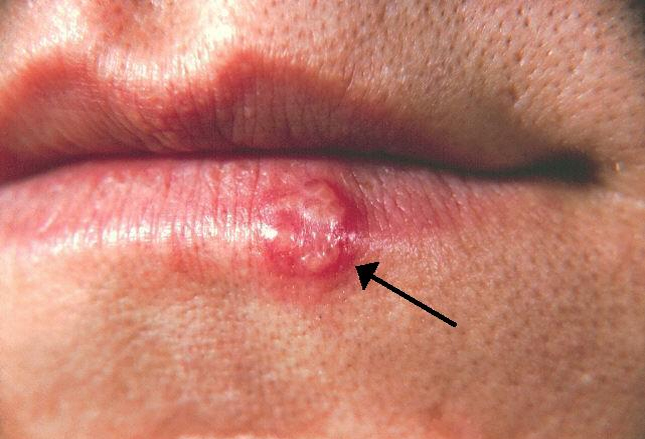
Herpes simplex virus can cause outbreaks of small sores around the mouth or genital area. These sores may be painful, itchy, or uncomfortable and often begin as tiny blisters before developing into ulcers or crusted lesions.
Interestingly, many people who carry the virus never experience noticeable symptoms. While HSV cannot be completely eliminated from the body, antiviral medications can help control outbreaks and reduce their severity.
3. Ringworm of the Body
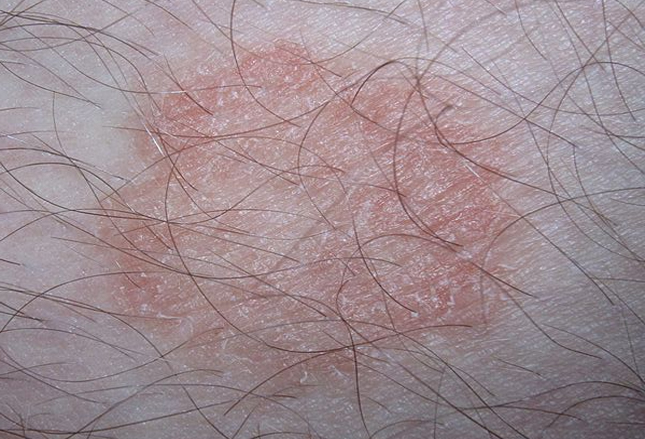
Despite its name, ringworm is not caused by a worm. It is a fungal infection that creates circular, red patches on the skin with raised, scaly borders.
The center of the affected area often appears lighter or clearer than the surrounding skin, creating the characteristic ring-like appearance. Itching is common, but antifungal creams and medications usually clear the infection effectively.
4. Chickenpox

Chickenpox is a highly contagious viral illness most commonly seen in children, though adults can develop it as well.
The rash usually begins as small red spots on the face and chest before spreading throughout the body. These spots quickly develop into itchy, fluid-filled blisters that eventually dry out and form scabs.
Most cases resolve within a few weeks, and treatment is generally focused on relieving discomfort and preventing scratching that could lead to infection.
5. Molluscum Contagiosum

Molluscum contagiosum causes small, smooth bumps that are usually pink, white, or flesh-colored. A tiny indentation in the center of each bump is one of the condition’s most recognizable features.
The bumps often appear on the arms, legs, torso, or face and are typically painless. In children, the infection frequently spreads through direct skin contact or shared objects. Many cases disappear on their own, although treatment may be recommended in certain situations.
6. Hand, Foot, and Mouth Disease

Hand, foot, and mouth disease is a common viral illness that primarily affects infants and young children.
The condition causes painful red spots or blisters inside the mouth as well as on the hands and feet. Some children may also develop a mild fever or sore throat before the rash appears.
Most cases improve without medical treatment, but dehydration can become a concern if mouth sores make drinking difficult.
7. Fifth Disease

Fifth disease often begins with mild cold-like symptoms, including a low fever and runny nose. A few days later, a bright red rash appears on the cheeks, creating the classic “slapped cheek” appearance.
The rash may eventually spread to the arms, legs, and torso, where it often develops a lacy or net-like pattern. Although it can look dramatic, fifth disease is generally mild and resolves without treatment.
8. Pityriasis Rosea
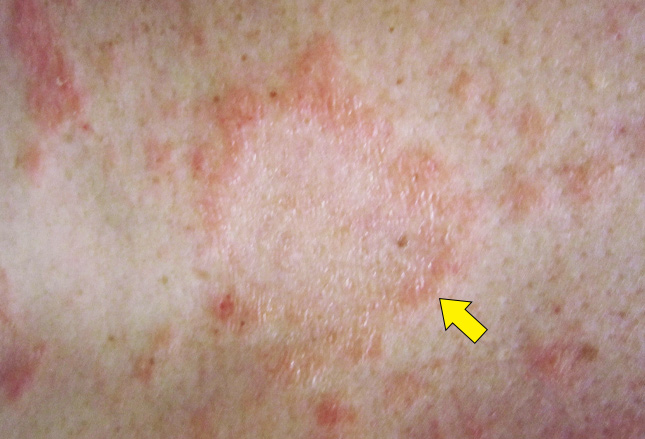
Pityriasis rosea is a temporary skin condition that usually starts with a single large patch known as a “herald patch.”
Within days or weeks, smaller scaly patches appear across the chest, back, or limbs. The rash may range in color from pink and red to darker shades depending on skin tone and can sometimes be itchy.
Fortunately, the condition often disappears on its own within several weeks to a few months.
9. Scalp Ringworm
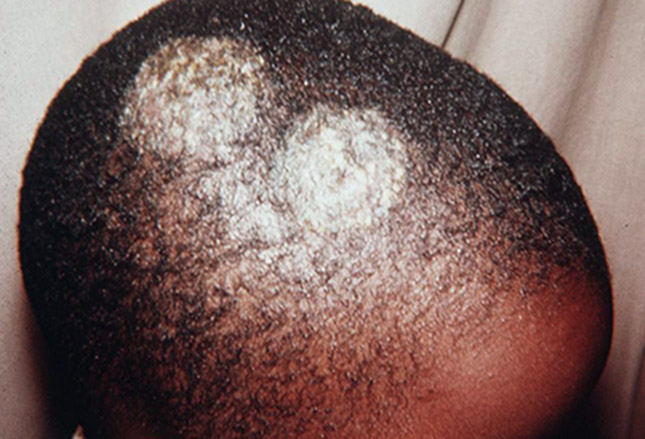
Scalp ringworm is another fungal infection that affects the scalp, eyebrows, or eyelashes.
Symptoms may include itching, flaking, scaling, and patches of hair loss. Because it can resemble dandruff, some people don’t realize they have an infection until hair begins breaking off or thinning in affected areas.
Prescription antifungal medications are typically needed to fully eliminate the fungus.
10. Intertrigo

Intertrigo develops when skin folds repeatedly rub together, creating irritation and inflammation.
The condition commonly affects areas beneath the breasts, around the groin, between abdominal folds, or anywhere moisture and friction are present. Redness, burning, itching, and discomfort are common symptoms.
Treatment often involves keeping the area dry and addressing any fungal or bacterial infection that may be contributing to the problem.
11. Cellulitis

Cellulitis is a bacterial skin infection that requires prompt medical treatment.
The affected skin typically becomes red, swollen, warm, and painful. In some cases, blisters may form, and symptoms such as fever or swollen lymph nodes can develop.
Because cellulitis can spread quickly and lead to serious complications, anyone who suspects they have this condition should seek medical attention immediately.
12. Impetigo

Impetigo is a highly contagious bacterial skin infection that occurs most frequently in young children.
It often begins as small blisters or sores that eventually break open and develop a distinctive honey-colored crust. Scratching can spread the infection to other parts of the body and to other people.
Good hygiene and, when necessary, antibiotic treatment can help clear the infection and prevent recurrence.
13. Erysipelas

Erysipelas is a bacterial infection that causes a raised, bright red patch of skin that feels warm and tender.
The condition most often affects the face or lower legs and may be accompanied by fever, chills, or general feelings of illness.
Medical treatment is important, and antibiotics are usually highly effective at clearing the infection.
14. Folliculitis

Folliculitis occurs when hair follicles become inflamed, often due to bacterial infection, irritation, or ingrown hairs.
It usually appears as small red bumps or pus-filled pimples surrounding hair follicles. The rash may itch, burn, or feel tender to the touch.
Mild cases often improve with proper skin care, while more persistent infections may require medicated creams or antibiotics.
When to See a Doctor
Many skin rashes improve on their own, but some require professional treatment. You should seek medical attention if a rash:
- Spreads rapidly
- Causes significant pain
- Produces fever or other systemic symptoms
- Shows signs of infection
- Doesn’t improve after several days
- Interferes with daily activities
The Bottom Line
Skin rashes can develop for many different reasons, ranging from mild irritation to infections that require prompt treatment. Paying attention to changes in your skin and seeking medical advice when needed can help prevent complications and ensure faster recovery.
When in doubt, don’t ignore a persistent or unusual rash. A quick evaluation by a healthcare professional can provide peace of mind and help you get the right treatment sooner.