Hives (urticaria) can feel completely random. One itchy welt appears, disappears within hours, and then another pops up somewhere else. The rash may itch, burn, sting, or swell, often leaving people wondering what triggered it.
While hives are commonly associated with allergies, the reality is more complicated. Foods are only one possible cause. Infections, medications, temperature changes, pressure on the skin, exercise, stress, and even certain medical conditions can all trigger outbreaks.
Hives are classified into two main categories:
- Acute hives: Last less than six weeks
- Chronic hives: Persist or recur for more than six weeks
If hives are accompanied by swelling of the lips, tongue, face, or throat, difficulty breathing, dizziness, or fainting, seek emergency medical attention immediately.
Here are eight commonly overlooked triggers that may explain recurring outbreaks.
1. Infections

Many people blame hives on something they recently ate, when the real trigger may be an infection.
Viral illnesses are among the most common causes of acute hives. A cold, flu, stomach virus, COVID-19 infection, or other viral illness can trigger the immune system to release histamine, leading to hives.
Bacterial infections can also play a role, including:
- Strep throat
- Urinary tract infections
- Sinus infections
- Dental infections
One reason infections are often overlooked is that hives may appear while symptoms are improving or even after the illness seems to have resolved.
Watch for:
- Recent fever
- Sore throat
- Cough
- Congestion
- Stomach illness
- Dental pain
- Urinary symptoms
2. Common Medications

Some of the most frequently used medications can trigger hives.
Potential culprits include:
- Ibuprofen
- Aspirin
- Other NSAIDs
- Antibiotics
- Certain prescription medications
In some people, medications directly cause hives. In others, they may worsen an existing tendency toward hives.
Medication-related hives can occur even after someone has previously taken the same drug without problems.
Helpful tip:
Keep a timeline of medications, supplements, and over-the-counter products when trying to identify a trigger.
3. Pressure, Friction, and Tight Clothing

Not all hives are caused by something you eat or inhale.
For some individuals, physical pressure on the skin can trigger welts. Common examples include:
- Tight waistbands
- Bra straps
- Watchbands
- Backpack straps
- Tight shoes
- Scratching the skin
A condition known as dermatographism can cause raised welts to appear where the skin has been scratched or rubbed.
Sometimes pressure-related hives don’t appear until several hours after the pressure occurred, making the connection easy to miss.
4. Heat, Exercise, Sweating, and Stress

A rise in body temperature can trigger hives in susceptible individuals.
This form, known as cholinergic urticaria, may develop after:
- Exercise
- Hot showers
- Hot weather
- Emotional stress
- Spicy foods
The hives are often small, intensely itchy, and short-lived.
Many people assume they’re simply overheating, when in reality their skin is reacting to the increase in body temperature.
Consider tracking:
- Exercise sessions
- Stressful events
- Hot baths or showers
- Exposure to warm environments
5. Cold Air, Sunlight, and Water

Environmental factors can also trigger hives.
Some people develop hives after exposure to:
- Cold air
- Cold water
- Swimming
- Direct sunlight
- Rapid temperature changes
Cold-induced hives deserve particular attention because severe reactions can occasionally occur after sudden exposure to cold water.
Solar urticaria, a rare form of hives triggered by sunlight, may appear within minutes of sun exposure and disappear shortly afterward.
Because these reactions happen so quickly, photographs can be extremely helpful when discussing symptoms with a healthcare provider.
6. Food, Alcohol, and Food Additives

Food allergies can absolutely cause hives, but food is often blamed when another trigger is responsible.
Common food triggers include:
- Shellfish
- Peanuts
- Tree nuts
- Eggs
- Fish
Alcohol may worsen existing hives in some people, even when it isn’t the primary cause.
The strongest clue pointing toward a food trigger is consistency. If the same food repeatedly causes symptoms, suspicion increases significantly.
Keep a food diary that includes:
- Meals
- Drinks
- Sauces
- Supplements
- Symptom timing
Patterns are often easier to spot on paper than from memory alone.
7. Contact with Latex, Plants, Animals, or Raw Foods

Sometimes hives develop where the skin directly touches a trigger.
Possible causes include:
- Latex gloves
- Balloons
- Animal saliva
- Certain plants
- Cleaning products
- Raw fruits and vegetables
This type of reaction, known as contact urticaria, often develops within minutes of exposure.
Unlike eczema or contact dermatitis, which may take hours or days to appear, contact hives tend to occur rapidly and disappear relatively quickly.
Clue:
If hives consistently appear on the hands, wrists, forearms, or face after touching something specific, a contact trigger should be considered.
8. Autoimmune and Thyroid Conditions
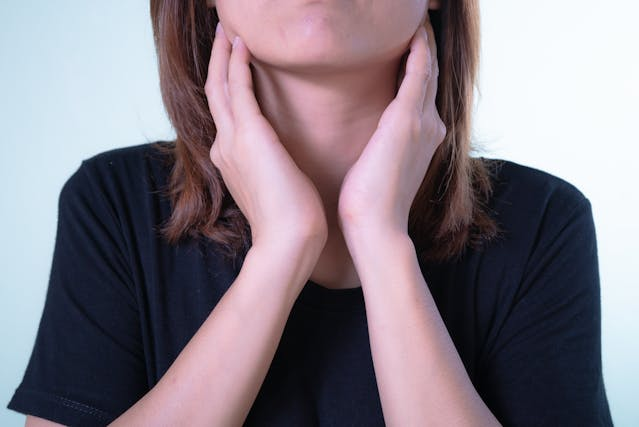
When hives persist for months and no obvious trigger can be identified, the cause may be internal rather than external.
Research has found associations between chronic hives and conditions such as:
- Autoimmune thyroid disease
- Lupus
- Rheumatoid arthritis
- Other immune-system disorders
This doesn’t mean everyone with chronic hives has an autoimmune condition. However, recurring hives that last longer than six weeks may warrant a broader medical evaluation.
In these cases, extensive allergy testing often provides fewer answers than a thorough medical assessment and targeted laboratory testing.
When to Seek Medical Care
Consult a healthcare professional if:
- Hives persist longer than six weeks
- Outbreaks occur frequently
- Symptoms interfere with sleep or daily activities
- You cannot identify a trigger
- Swelling affects the face, lips, or eyes
Seek emergency medical care immediately if hives occur alongside:
- Difficulty breathing
- Wheezing
- Throat tightness
- Trouble swallowing
- Dizziness or fainting
These symptoms may indicate anaphylaxis, a potentially life-threatening allergic reaction.
The Bottom Line
Hives are often more complicated than they appear. While food allergies receive most of the attention, many outbreaks are actually triggered by infections, medications, pressure on the skin, exercise, temperature changes, stress, or underlying medical conditions.
Keeping a detailed record of symptoms, timing, activities, medications, and exposures can often reveal patterns that would otherwise go unnoticed.
The key is to think beyond food. Sometimes the answer isn’t in what you ate—it may be in a recent illness, a common pain reliever, a hot shower, a tight waistband, or an underlying immune condition that deserves medical attention.
Medical Disclaimer: This article is for educational purposes only and is not intended to replace professional medical advice, diagnosis, or treatment. Always consult a qualified healthcare professional regarding symptoms, medical concerns, or treatment decisions.