Natural disasters have always been part of life on Earth, but growing concerns about climate change, rising sea levels, and geological activity are prompting scientists to take a closer look at areas that may face increased risks in the future.
Recent research and hazard assessments suggest that several regions of the United States could be particularly vulnerable to severe flooding and, in some cases, tsunami-related events. While these threats vary depending on geography and local conditions, experts say understanding the risks is essential for preparedness and long-term planning.
Importantly, scientists are not predicting immediate catastrophe. Rather, they are highlighting regions where environmental and geological factors could increase the likelihood of significant flooding, coastal damage, and tsunami impacts over time.
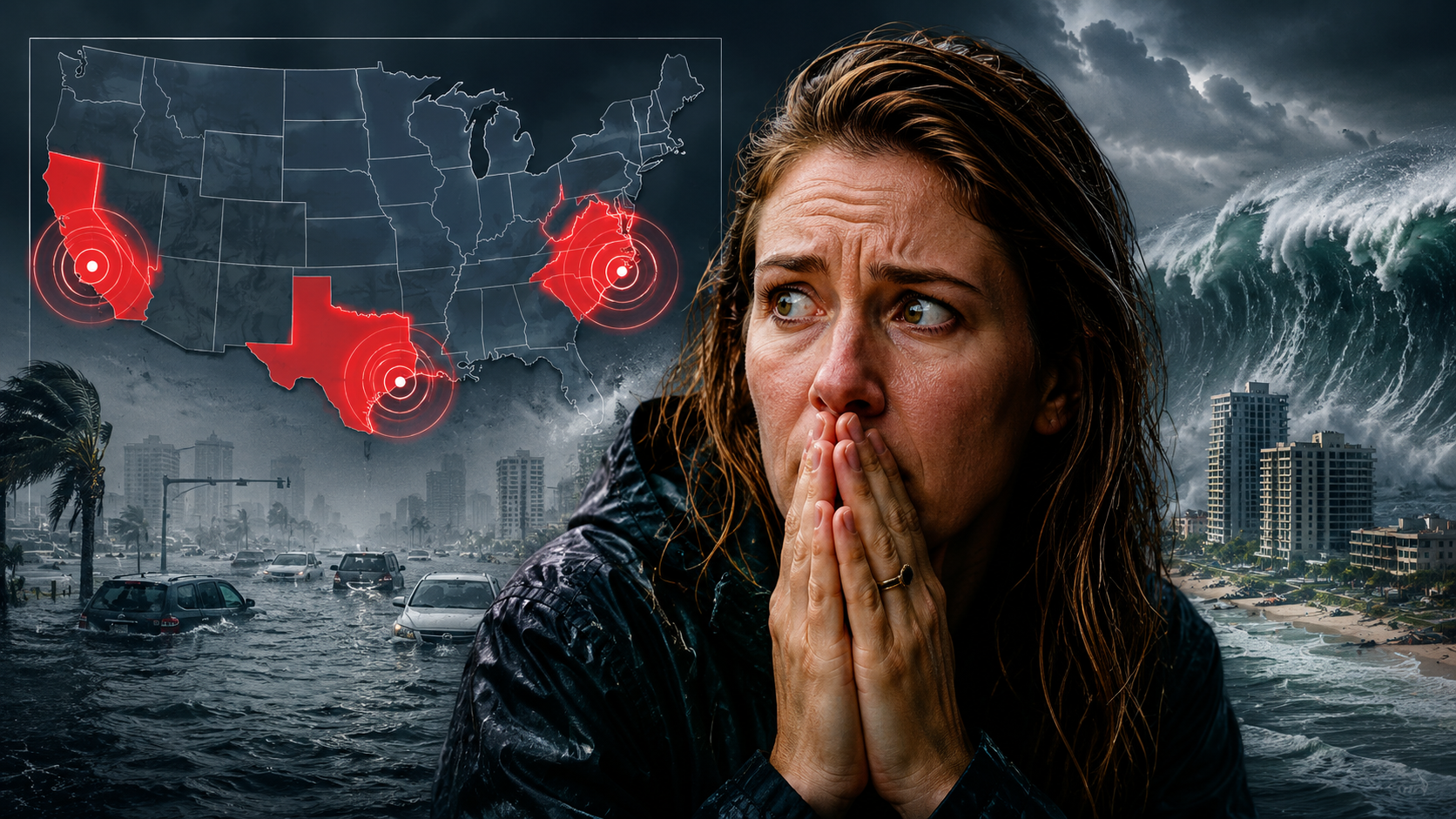
Here are three major U.S. regions that researchers continue to monitor closely.
1. The Pacific Northwest: A Potential Tsunami Hotspot
The Pacific Northwest, including parts of Washington, Oregon, and Northern California, is considered one of the most significant tsunami-risk areas in the United States.
The primary concern lies beneath the Pacific Ocean along the Cascadia Subduction Zone, a massive fault system that stretches roughly 600 miles off the West Coast.
Why Scientists Are Concerned
The Cascadia Subduction Zone is capable of producing extremely powerful earthquakes. Geological evidence indicates that the region has experienced major seismic events in the past, including a massive earthquake and tsunami that occurred in the year 1700.
When large earthquakes occur beneath the ocean floor, they can displace enormous amounts of water, creating tsunamis that travel toward coastal communities.
Unlike distant tsunamis generated elsewhere in the Pacific, a Cascadia-generated tsunami could reach nearby coastlines within minutes, leaving little time for evacuation.
Areas Most at Risk
Communities along the coast of:
- Washington
- Oregon
- Northern California
could face the greatest impacts.
Low-lying coastal towns, ports, and infrastructure located near beaches and estuaries are particularly vulnerable.
Preparation Efforts
Local governments have invested heavily in tsunami preparedness programs, including:
- Evacuation route planning
- Emergency warning systems
- Tsunami evacuation towers
- Public education campaigns
Scientists emphasize that awareness and preparedness remain the best defenses against future tsunami events.
2. The Gulf Coast: Rising Flood Risks From Multiple Threats
The Gulf Coast has long faced challenges from hurricanes and tropical storms, but experts warn that several factors are increasing the region’s vulnerability to severe flooding.
Stretching across states such as Texas, Louisiana, Mississippi, Alabama, and Florida, the Gulf Coast is home to millions of residents and critical infrastructure.
A Perfect Storm of Risk Factors
Unlike tsunami threats, flooding risks in the Gulf Coast are driven by a combination of environmental factors:
- Rising sea levels
- Stronger hurricanes
- Storm surge
- Coastal erosion
- Heavy rainfall events
Scientists note that warmer ocean temperatures can contribute to more intense storms capable of producing larger storm surges and heavier precipitation.
As sea levels gradually rise, storm-driven flooding can reach farther inland than it did in previous decades.
Vulnerable Communities
Many Gulf Coast cities are built in low-lying areas that sit only a few feet above sea level.
Some communities already experience nuisance flooding during high tides and severe weather events.
Major population centers, industrial facilities, transportation networks, and energy infrastructure may all face increasing challenges as flood risks grow.
Long-Term Concerns
Researchers are particularly focused on how repeated flooding could affect:
- Housing
- Roads and bridges
- Drinking water systems
- Coastal ecosystems
- Economic activity
As a result, many cities are investing in flood mitigation projects and resilience planning initiatives.
3. The U.S. East Coast: Growing Threats From Sea-Level Rise and Coastal Flooding
The East Coast is another region attracting increasing attention from scientists studying future flood risks.
From Florida to New England, millions of Americans live in coastal communities that could experience more frequent flooding in the coming decades.
Why the East Coast Is Vulnerable
Several factors contribute to the region’s risk profile:
Rising Sea Levels
Global sea levels have been increasing over time due to warming temperatures and melting land-based ice.
Even relatively small increases in sea level can significantly amplify coastal flooding during storms and high tides.
Coastal Development
Many East Coast cities were built near the shoreline, placing homes, businesses, transportation systems, and public infrastructure in areas exposed to flooding.
Powerful Storm Systems
Nor’easters, tropical storms, and hurricanes can generate dangerous storm surges capable of inundating coastal neighborhoods.
Areas of Particular Concern
While risks vary from state to state, scientists frequently identify vulnerable areas including:
- South Florida
- Coastal Georgia
- The Carolinas
- The Chesapeake Bay region
- Parts of New York and New Jersey
- Low-lying communities throughout New England
In some locations, residents are already witnessing more frequent tidal flooding than previous generations experienced.
Could Tsunamis Affect the East Coast?
Although tsunamis are far less common on the East Coast than along the Pacific Coast, they are not impossible.
Underwater landslides, distant earthquakes, and rare geological events have generated Atlantic tsunamis in the past.
However, experts emphasize that flooding from storms and sea-level rise currently represents a much greater concern for most East Coast communities.
The Growing Role of Climate Change
Many scientists point to climate change as a significant factor influencing future flood risks.
As global temperatures rise, several interconnected changes may occur:
- Higher sea levels
- Increased rainfall intensity
- More extreme weather events
- Greater coastal erosion
- Stronger storm surges
While climate change does not directly cause earthquakes or tsunamis, it can worsen the consequences of coastal flooding by increasing baseline sea levels and reducing natural protective barriers.
Researchers continue to study how these changes may affect vulnerable communities in the coming decades.
How Communities Are Preparing
Recognizing these risks, governments, scientists, and emergency management agencies are investing in preparedness and resilience efforts.
Common strategies include:
Improved Warning Systems
Advanced monitoring technology can provide earlier warnings for tsunamis, hurricanes, and severe flooding events.
Infrastructure Upgrades
Communities are strengthening:
- Sea walls
- Flood barriers
- Drainage systems
- Bridges
- Transportation networks
Emergency Planning
Public education programs help residents understand evacuation procedures and emergency response plans.
Nature-Based Solutions
Some regions are restoring wetlands, dunes, and coastal habitats that can naturally absorb floodwaters and reduce storm impacts.
What Residents Can Do
Living in a flood-prone area does not mean disaster is inevitable, but preparation can make a significant difference.
Experts recommend:
- Understanding local hazard maps
- Signing up for emergency alerts
- Creating evacuation plans
- Maintaining emergency supply kits
- Reviewing insurance coverage
- Staying informed about weather and geological risks
Preparation helps reduce panic and improves safety during emergencies.
Final Thoughts
The United States faces a wide range of natural hazards, and scientists continue to study how environmental and geological factors may influence future risks.
Among the regions receiving the most attention are the Pacific Northwest, the Gulf Coast, and the East Coast—areas where flooding, coastal impacts, and in some cases tsunami threats could pose significant challenges.
While researchers are not forecasting immediate disaster, they emphasize the importance of awareness, preparedness, and long-term planning. Understanding the risks today can help communities strengthen resilience and better protect lives, homes, and infrastructure in the years ahead.
As science continues to improve our understanding of natural hazards, one message remains clear: preparation is often the most effective tool for reducing the impact of future disasters.