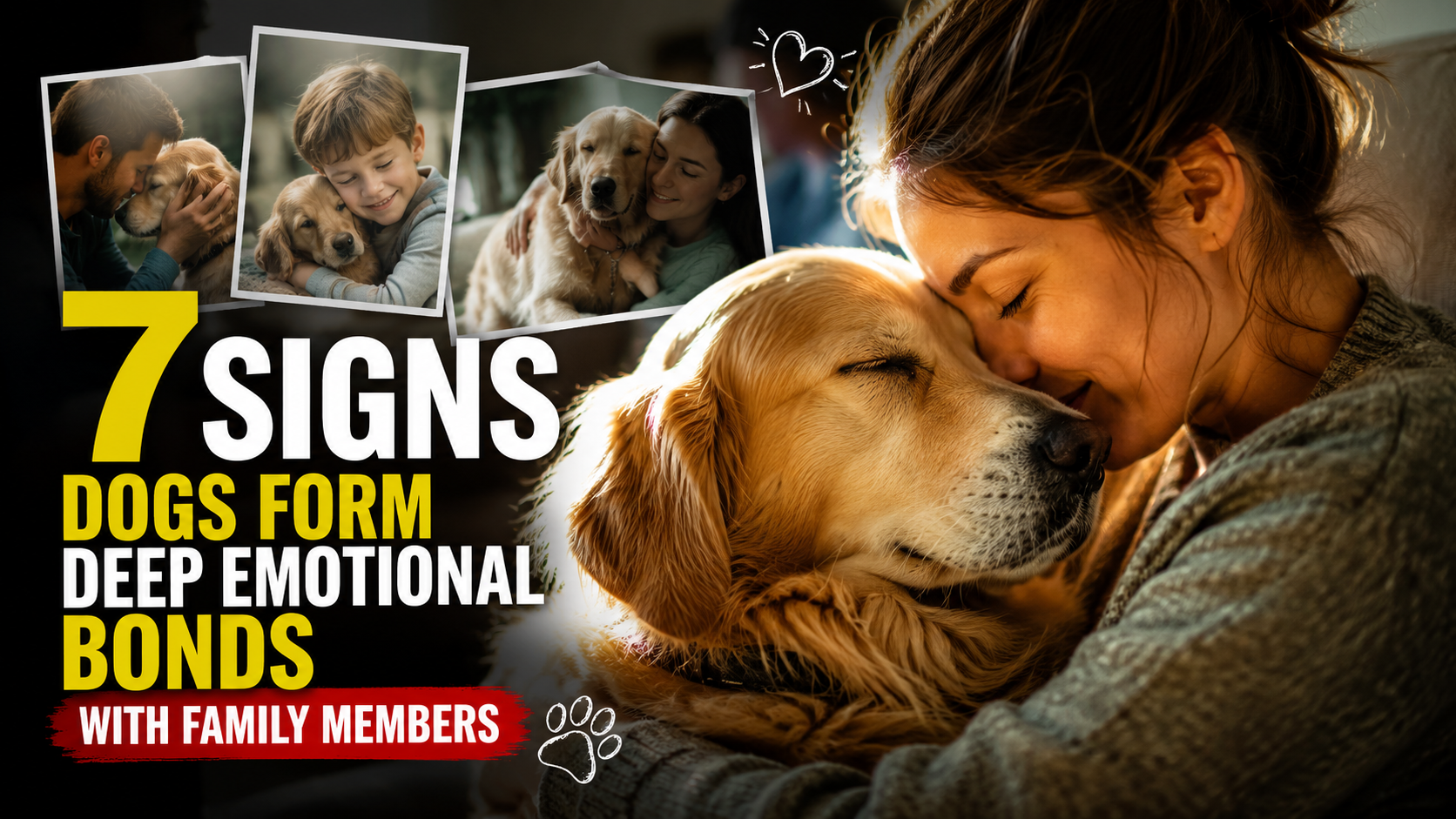
Dogs have earned the title of “man’s best friend” for good reason. For thousands of years, they have lived alongside humans, sharing our homes, routines, and daily lives. But the relationship between dogs and people goes far beyond companionship. Many pet owners believe their dogs genuinely love them, and growing research into canine behavior suggests there is real science behind those feelings.
Dogs are highly social animals that thrive on connection. Over time, they develop strong attachments to the people they trust and depend on most. These emotional bonds often reveal themselves through subtle behaviors that many owners witness every day without fully realizing their significance.
While every dog expresses affection differently, certain actions consistently indicate a deep emotional connection with family members. Here are seven signs that your dog has formed a meaningful bond with the people it considers family.
1. They Follow You From Room to Room
One of the most common signs of a strong bond is a dog’s desire to stay close to its favorite people.
Many owners jokingly refer to their pets as “velcro dogs” because they seem determined to accompany them everywhere. Whether you’re moving from the kitchen to the living room or heading upstairs for a few minutes, your dog may choose to follow along.
This behavior isn’t always about needing food, attention, or exercise. In many cases, it’s simply a reflection of the comfort and security your presence provides.
Dogs naturally prefer being near individuals they trust, and staying close helps reinforce that connection.
2. They Seek Comfort From You During Stressful Situations
When dogs feel frightened, anxious, or uncertain, they often turn to trusted family members for reassurance.
Loud thunderstorms, fireworks, unfamiliar environments, or visits to the veterinarian can trigger stress in many dogs. During these moments, bonded dogs frequently seek physical closeness with their favorite humans.
They may sit beside you, lean against your legs, rest their head on your lap, or follow you more closely than usual.
This behavior demonstrates trust. Just as children often seek comfort from loved ones during difficult situations, dogs look to people they feel safe with when they need emotional support.
3. They Greet You With Genuine Excitement
Most dog owners are familiar with the enthusiastic welcome waiting at the front door.
Tail wagging, jumping, spinning, playful vocalizations, and eager body language are often signs that a dog is genuinely happy to see someone. While dogs can become excited for various reasons, particularly strong greetings often occur when a deeply bonded family member returns home.
What makes these greetings special is their consistency. Even after a short separation, many dogs react as though they haven’t seen their favorite person in days.
This enthusiasm reflects the importance of the relationship and the positive emotions associated with reunion.
4. They Make Frequent Eye Contact
In the animal world, direct eye contact is not always a sign of friendliness. However, dogs have evolved a unique relationship with humans that makes eye contact an important form of communication.
When a dog calmly gazes at a trusted family member, it often indicates affection and connection. Studies have suggested that positive eye contact between dogs and humans may trigger the release of oxytocin, a hormone associated with bonding and attachment.
This is the same hormone involved in many parent-child relationships.
A dog that frequently looks at you with relaxed eyes may be expressing trust, affection, and emotional closeness.
5. They Bring You Their Favorite Toys
To a dog, toys are often valuable possessions.
When a dog chooses to bring a favorite toy to a family member, it can be a meaningful gesture. Sometimes the dog wants to play, but in other cases, the act of sharing itself is significant.
Dogs often reserve treasured items for individuals they trust. Presenting a favorite toy may represent a desire for interaction, inclusion, or simply spending time together.
This behavior demonstrates that your dog values your presence and wants to involve you in activities it enjoys.
6. They Respond to Your Emotions
Dogs are remarkably skilled at reading human behavior.
Many owners notice that their dogs seem to recognize when they are happy, sad, stressed, or upset. A bonded dog may respond differently depending on the emotional state of a family member.
For example, some dogs become more affectionate when they sense sadness. Others stay close during stressful moments or act playfully when they detect happiness.
While dogs may not fully understand the reasons behind human emotions, they are often highly sensitive to changes in tone of voice, facial expressions, body language, and routine.
Their responses can reflect empathy and a strong emotional connection.
7. They Choose to Spend Time With You Even When Nothing Is Happening
Perhaps the clearest sign of a deep bond is when a dog seeks your company without expecting anything in return.
If your dog regularly lies near you while you work, watches television beside you, or relaxes in the same room without demanding attention, it often indicates genuine attachment.
The dog isn’t seeking food, exercise, or entertainment. Instead, it simply enjoys being near you.
This quiet companionship is one of the strongest indicators of trust and affection. Much like close human relationships, emotional bonds are often reflected in a desire to share ordinary moments together.
Why Dogs Form Such Strong Attachments
Dogs evolved alongside humans for thousands of years, creating one of the most successful partnerships in history. Through generations of domestication, dogs developed an exceptional ability to understand and respond to human behavior.
Unlike many other animals, dogs actively seek social interaction with people. They look to humans for guidance, security, companionship, and emotional support.
This unique evolutionary relationship helps explain why dogs often develop attachments that resemble family bonds rather than simple owner-pet relationships.
For many dogs, their human family becomes the center of their social world.
The Science Behind Canine Bonds
Research continues to reveal fascinating insights into the emotional lives of dogs.
Studies have shown that dogs experience positive physiological responses when interacting with people they trust. Physical affection, eye contact, play, and shared experiences can strengthen these connections over time.
Scientists have also found similarities between the attachment patterns of dogs and those observed in human children. Dogs often use trusted family members as a secure base from which to explore the world and seek reassurance during uncertain situations.
While dogs express emotions differently from humans, evidence increasingly suggests that their social bonds are both genuine and meaningful.
Strengthening Your Bond With Your Dog
Building a strong relationship with a dog doesn’t require elaborate techniques. Consistency, trust, and positive experiences are often the most important ingredients.
Spending quality time together, engaging in play, providing training, offering affection, and maintaining predictable routines all help strengthen emotional connections.
Listening to your dog’s needs and responding with patience and understanding can further deepen the relationship.
Over time, these shared experiences create a foundation of trust that benefits both the dog and the family.
Final Thoughts
Dogs may not express love in words, but their actions often speak volumes. From following family members around the house to seeking comfort, sharing toys, and responding to emotions, these behaviors reveal the depth of the bonds they form with the people they trust most.
The seven signs discussed here highlight just how meaningful canine relationships can be. They remind us that dogs are not only loyal companions but also emotionally connected members of the family.
For many owners, the greatest reward of living with a dog is knowing that the affection they give is returned through countless small gestures of trust, loyalty, and companionship every day.







