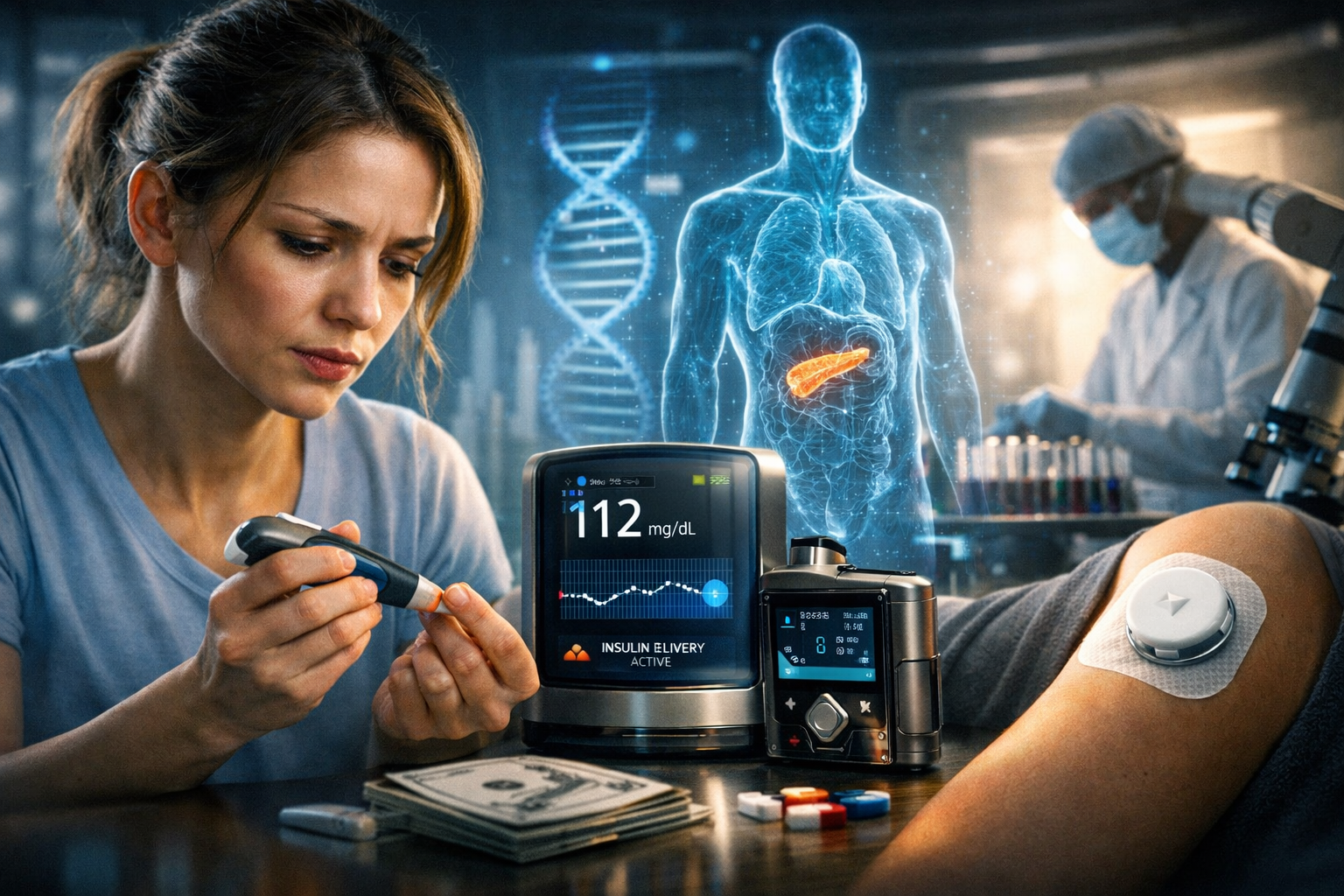
Diabetes is one of the most widespread chronic health conditions in the world, affecting hundreds of millions of people across every age group. For decades, treatment has focused primarily on managing blood sugar levels through medications, insulin therapy, healthy eating, and lifestyle changes. While these approaches have helped countless people live longer and healthier lives, researchers are now exploring innovative strategies that could fundamentally change how diabetes is treated in the future.
Advances in biotechnology, regenerative medicine, artificial intelligence, genetics, and medical devices are creating new possibilities that seemed impossible only a generation ago. Scientists are moving beyond symptom management and increasingly focusing on restoring the body’s natural ability to regulate blood sugar.
Although many of these developments are still being studied, they offer an exciting glimpse into the future of diabetes care. Here are nine research-backed insights that reveal where diabetes treatment may be headed in the years ahead.
1. Stem Cell Therapy Could Help Restore Insulin Production
One of the most promising areas of diabetes research involves stem cells.
Scientists have been working on methods to transform stem cells into insulin-producing beta cells, the specialized cells found in the pancreas. In people with Type 1 diabetes, these cells are destroyed by the immune system. In Type 2 diabetes, they may become damaged or unable to meet the body’s insulin demands.
Researchers hope that replacing or regenerating these cells could help restore natural insulin production. Early studies have shown encouraging results, suggesting that stem cell-based treatments may one day reduce or even eliminate the need for insulin injections in some patients.
While significant challenges remain, including long-term safety and immune system responses, this field continues to advance rapidly.
2. Artificial Pancreas Systems Are Becoming More Sophisticated
Technology is transforming diabetes management in remarkable ways.
Artificial pancreas systems combine continuous glucose monitors with insulin pumps and advanced software algorithms. These systems automatically adjust insulin delivery based on real-time blood sugar readings.
The goal is to mimic the function of a healthy pancreas as closely as possible.
Modern systems already help many people maintain more stable glucose levels while reducing the daily burden of diabetes management. Future generations are expected to become even more accurate, responsive, and user-friendly.
As technology improves, automated insulin delivery could significantly reduce complications and improve quality of life.
3. Personalized Medicine Is Changing Treatment Approaches
Not all cases of diabetes are identical.
Researchers increasingly recognize that genetics, lifestyle factors, age, metabolism, and overall health can influence how individuals respond to treatment.
This has led to growing interest in personalized medicine, an approach that tailors therapies to a person’s unique biological characteristics.
Future diabetes care may involve genetic testing, customized treatment plans, and targeted therapies designed specifically for individual patients.
By moving away from one-size-fits-all solutions, healthcare providers may be able to improve outcomes while minimizing side effects.
4. Researchers Are Exploring Immune-Based Therapies
For individuals with Type 1 diabetes, the immune system mistakenly attacks insulin-producing cells in the pancreas.
Because of this, scientists are investigating therapies aimed at modifying immune system activity.
The goal is not simply to replace damaged cells but also to prevent further destruction from occurring.
Some experimental treatments focus on retraining the immune system to tolerate beta cells rather than attacking them. If successful, these approaches could slow disease progression or preserve remaining insulin production.
Although much research remains to be done, immune-based therapies represent an important area of investigation.
5. Continuous Glucose Monitoring Is Becoming More Advanced
Blood sugar monitoring has evolved dramatically over the past decade.
Traditional finger-stick testing often provides only occasional snapshots of glucose levels. Continuous glucose monitors (CGMs), on the other hand, deliver real-time information throughout the day and night.
These devices help individuals identify patterns, understand how foods affect blood sugar, and make informed treatment decisions.
Future CGMs are expected to become smaller, more accurate, and easier to use. Researchers are also exploring non-invasive monitoring methods that could eliminate the need for skin sensors altogether.
Improved monitoring technology could lead to better diabetes management and fewer complications.
6. Gene Therapy May Open New Possibilities
Gene therapy is another exciting frontier in diabetes research.
Scientists are investigating whether genetic techniques could correct biological problems that contribute to diabetes. In theory, gene-based treatments might help restore insulin production, improve cellular function, or address underlying disease mechanisms.
Although gene therapy remains largely experimental for diabetes, advances in genetic science continue to generate optimism.
As researchers gain a deeper understanding of the genes involved in blood sugar regulation, new treatment possibilities may emerge.
The field is still developing, but its long-term potential is significant.
7. Digital Health Tools Are Improving Everyday Management
Managing diabetes involves countless daily decisions.
Patients must monitor blood sugar levels, track meals, adjust medications, and maintain healthy lifestyle habits. Digital health technologies are making these tasks easier than ever before.
Smartphone applications, wearable devices, and cloud-based platforms allow users to monitor their health in real time. Some tools provide personalized recommendations, medication reminders, and data-sharing capabilities with healthcare providers.
Artificial intelligence is also beginning to analyze health data and identify trends that may help prevent complications before they occur.
These innovations are helping people take a more proactive role in managing their condition.
8. Researchers Are Investigating New Ways to Protect Beta Cells
Preserving insulin-producing beta cells has become a major focus of diabetes research.
Rather than waiting until significant damage has occurred, scientists are searching for methods to protect these vital cells earlier in the disease process.
Potential strategies include reducing inflammation, minimizing immune system attacks, improving cellular resilience, and enhancing regenerative capabilities.
By preserving beta cell function for longer periods, future treatments may help slow disease progression and reduce dependence on external insulin.
This preventive approach reflects a broader shift toward earlier intervention and long-term disease management.
9. The Future Focuses on Prevention as Much as Treatment
Perhaps one of the most important insights emerging from modern diabetes research is the growing emphasis on prevention.
While developing new treatments remains a priority, researchers are also studying ways to identify individuals at risk before diabetes develops.
Advanced screening tools, genetic analysis, lifestyle interventions, and predictive technologies may allow healthcare providers to intervene earlier than ever before.
For many people, preventing diabetes could prove more effective than treating it after diagnosis.
This shift toward proactive healthcare may become one of the defining trends of future diabetes care.
Why These Developments Matter
The impact of diabetes extends far beyond blood sugar levels. The condition can affect cardiovascular health, kidney function, vision, nerve health, and overall quality of life.
As the global number of diabetes cases continues to rise, healthcare systems face increasing pressure to provide effective and sustainable care.
The innovations currently under development aim to address these challenges by improving treatment outcomes, reducing complications, and empowering patients to take greater control of their health.
Many of these advances also reflect a broader trend in medicine toward precision care, prevention, and technology-driven solutions.
Challenges That Still Remain
Despite exciting progress, important obstacles remain before many of these treatments become widely available.
Researchers must continue addressing issues such as:
- Long-term safety
- Treatment affordability
- Regulatory approval
- Accessibility for patients worldwide
- Manufacturing and scalability challenges
- Ethical considerations surrounding emerging technologies
Scientific breakthroughs often require years of additional testing before becoming standard medical practice.
While progress can sometimes seem slow, rigorous research helps ensure that new treatments are both safe and effective.
Looking Ahead
The future of diabetes treatment appears more promising than ever.
Advances in stem cell research, artificial intelligence, digital health, gene therapy, immune-based treatments, and personalized medicine are creating opportunities that were once considered science fiction.
Although no single solution is likely to eliminate diabetes entirely, the combination of these innovations could dramatically improve patient outcomes and quality of life.
Many experts believe the coming decades will bring some of the most significant changes in diabetes care since the discovery of insulin more than 100 years ago.
Final Thoughts
Diabetes treatment is entering an exciting new chapter. Researchers around the world are moving beyond traditional management strategies and exploring ways to restore natural insulin production, protect pancreatic cells, automate glucose control, and personalize care like never before.
While many of these breakthroughs are still under investigation, the progress already achieved demonstrates how rapidly medical science is advancing.
For millions of people living with diabetes, these developments offer something incredibly valuable: hope. As research continues, the future may hold treatments that are safer, smarter, more effective, and better suited to the unique needs of every individual.
The road ahead will require continued innovation and careful study, but one thing is clear—the future of diabetes treatment is brighter than ever.







