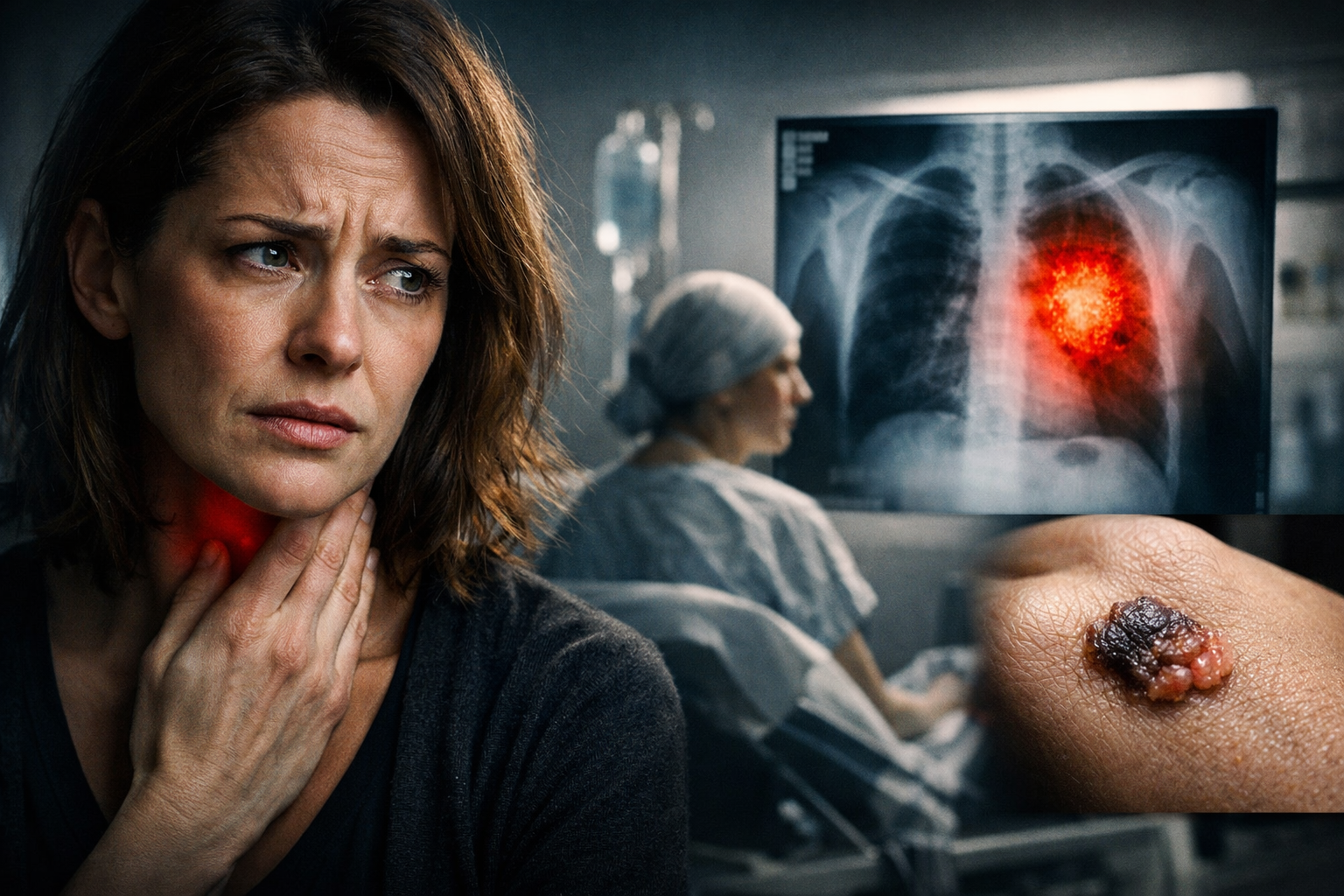
Before medical tests reveal a problem, your body often sends subtle signals that something isn’t right. Paying attention to these changes can sometimes help detect serious conditions, including cancer, at an earlier stage. Since early diagnosis greatly improves treatment outcomes, it’s important not to ignore unusual symptoms that persist or seem out of the ordinary.
While many cancer symptoms are linked directly to the affected organ, others can appear elsewhere in the body. These indirect signs are often mistaken for less serious health issues, making them easy to overlook. Understanding what to watch for may help you seek medical advice sooner and potentially catch problems before they progress.
Indirect Symptoms That May Signal Cancer

1. Persistent Wheezing or Shortness of Breath

Many individuals later diagnosed with lung cancer recall experiencing breathing difficulties long before they suspected anything serious. Ongoing wheezing or unexplained shortness of breath should never be ignored.
2. Recurring Fevers or Frequent Infections

Repeated infections or fevers can sometimes point to leukemia, a cancer that begins in the bone marrow. The disease can interfere with the production of healthy white blood cells, weakening the body’s ability to fight infections.
3. Trouble Swallowing

Difficulty swallowing is often associated with cancers affecting the throat or esophagus. In some cases, it may also be linked to lung cancer.
4. Constant Fatigue and Weakness

Feeling unusually tired is one of the most common cancer-related symptoms. Because fatigue can result from many different conditions, it becomes more concerning when accompanied by other warning signs.
5. Feeling Full Quickly

A persistent sensation of fullness, even after eating very little, may be associated with ovarian cancer. A sudden loss of interest in food deserves medical attention.
6. Loss of Appetite

An unexplained decline in appetite can sometimes be an early symptom of pancreatic cancer. Some people also report developing an unexpected aversion to foods, beverages, or habits they previously enjoyed.
Visible Changes in the Body

Cancer can sometimes cause noticeable physical changes that are visible from the outside. These signs may affect the skin, weight, breasts, lymph nodes, or other parts of the body. Recognizing these changes early can play a vital role in prompt diagnosis and treatment.
7. Blood in the Stool or Rectal Bleeding

One of the most recognized warning signs of colorectal cancer is the presence of blood during bowel movements. Any unexplained rectal bleeding should be evaluated by a healthcare professional as soon as possible.
8. Swollen Lymph Nodes

Lumps or swelling in the neck, armpits, or groin may indicate enlarged lymph nodes. Although infections commonly cause swelling, persistent enlargement can sometimes signal cancer affecting the lymphatic system.
9. Easy Bruising or Uncontrolled Bleeding

Frequent bruising or bleeding that is difficult to stop may point to blood-related disorders such as leukemia. Changes in blood cell production can interfere with normal clotting processes.
10. Unexplained Bloating

Sudden and ongoing abdominal bloating, especially when it continues for weeks, has been reported by many women diagnosed with ovarian cancer.
11. Unexpected Weight Loss

Losing weight without changing your diet or exercise habits can be an early sign of several cancers, particularly those affecting the digestive system. It may also occur when cancer impacts liver function.
12. Changes in Breast Appearance

Redness, swelling, tenderness, or unusual changes in the breast should always be investigated. Other warning signs include nipple inversion, flattening, or changes in shape and direction.
13. Facial Swelling or Redness

Some lung cancers can restrict blood flow from the chest to the head, leading to puffiness, swelling, or redness of the face.
14. Skin Sores That Don’t Heal

A sore, lump, or patch of skin that repeatedly bleeds, forms a crust, or refuses to heal may be a warning sign of skin cancer, including melanoma and other common forms.
15. Nail Changes

Your nails can sometimes reveal underlying health concerns. Dark streaks beneath the nail may indicate skin cancer, while pale nails can be linked to liver disease. Enlarged fingertips accompanied by curved nails, known as clubbing, may be associated with lung cancer.
Pain-Related Symptoms

Pain can develop when a tumor affects nearby tissues, nerves, bones, or organs. In some cases, cancer treatments themselves may contribute to discomfort. Understanding unusual or persistent pain patterns can help identify when medical evaluation is needed.
16. Heavy or Painful Menstrual Bleeding

Periods that become significantly heavier, more painful, or irregular may be linked to uterine or endometrial cancer. Persistent symptoms should be discussed with a healthcare provider.
17. Chronic Cough or Chest Discomfort

A cough that lingers for weeks, especially when accompanied by chest pain, should not be ignored. Certain cancers can mimic respiratory illnesses such as bronchitis.
18. Pelvic or Abdominal Pain

Persistent cramping or pain in the lower abdomen or pelvic area can occur alongside ovarian cancer symptoms. Enlargement of internal organs due to blood cancers may also cause discomfort.
19. Back Pain or Pain on the Right Side

Although back pain is common, unexplained or persistent pain may sometimes be connected to cancers of the liver, breast, or spine.
20. Ongoing Digestive Upset

Frequent stomach discomfort, cramping, or unexplained digestive problems may occasionally signal colorectal or other gastrointestinal cancers.
Steps You Can Take to Lower Your Cancer Risk

Although no method can completely eliminate cancer risk, healthy lifestyle habits may help reduce it significantly.
Maintain Healthy Vitamin D Levels
Adequate vitamin D may support overall health and has been studied for its potential role in cancer prevention. Safe sun exposure and supplements, when recommended by a healthcare provider, can help maintain healthy levels.
Eat a Balanced Diet
Limiting heavily processed foods and focusing on nutrient-rich meals may support healthy insulin levels and overall well-being. Fruits, vegetables, whole grains, and lean proteins are valuable components of a cancer-conscious diet.
Stay Physically Active
Regular exercise helps maintain a healthy weight, supports metabolic health, and contributes to lower levels of inflammation throughout the body.
Include Antioxidant-Rich Foods
Foods containing lycopene, such as tomatoes and certain fruits, have been studied for their potential protective effects, particularly in relation to prostate health.
Reduce Exposure to Harmful Chemicals
Whenever possible, minimize contact with pesticides, harsh household chemicals, air pollutants, and other environmental toxins that may increase long-term health risks.
Make Long-Term Health a Priority
Cancer often develops over many years, meaning lifestyle choices made today can influence future health. Regular medical checkups, healthy habits, and attention to unusual symptoms are valuable tools for protecting your well-being.

Important Disclaimer
This article is intended for educational and informational purposes only and should not be considered medical advice. Never stop prescribed medications or alter treatment plans without consulting a qualified healthcare professional. Nutritional supplements and lifestyle recommendations discussed here are not intended to diagnose, treat, cure, or prevent any disease. If you experience concerning symptoms, seek guidance from a licensed healthcare provider.







