
Cancer remains one of the leading health concerns worldwide, affecting millions of people each year. While hearing the word “cancer” can be frightening, medical advancements have significantly improved survival rates for many types of cancer. One of the biggest reasons for this progress is early detection.
When cancer is identified in its early stages, treatment options are often more effective, less invasive, and more successful. That’s why paying attention to changes in your body and discussing unusual symptoms with a healthcare professional is so important.
It’s essential to understand that experiencing any of the symptoms listed below does not automatically mean you have cancer. Many of these signs can be caused by less serious conditions. However, if symptoms persist or seem unusual for you, it’s wise to seek medical advice.
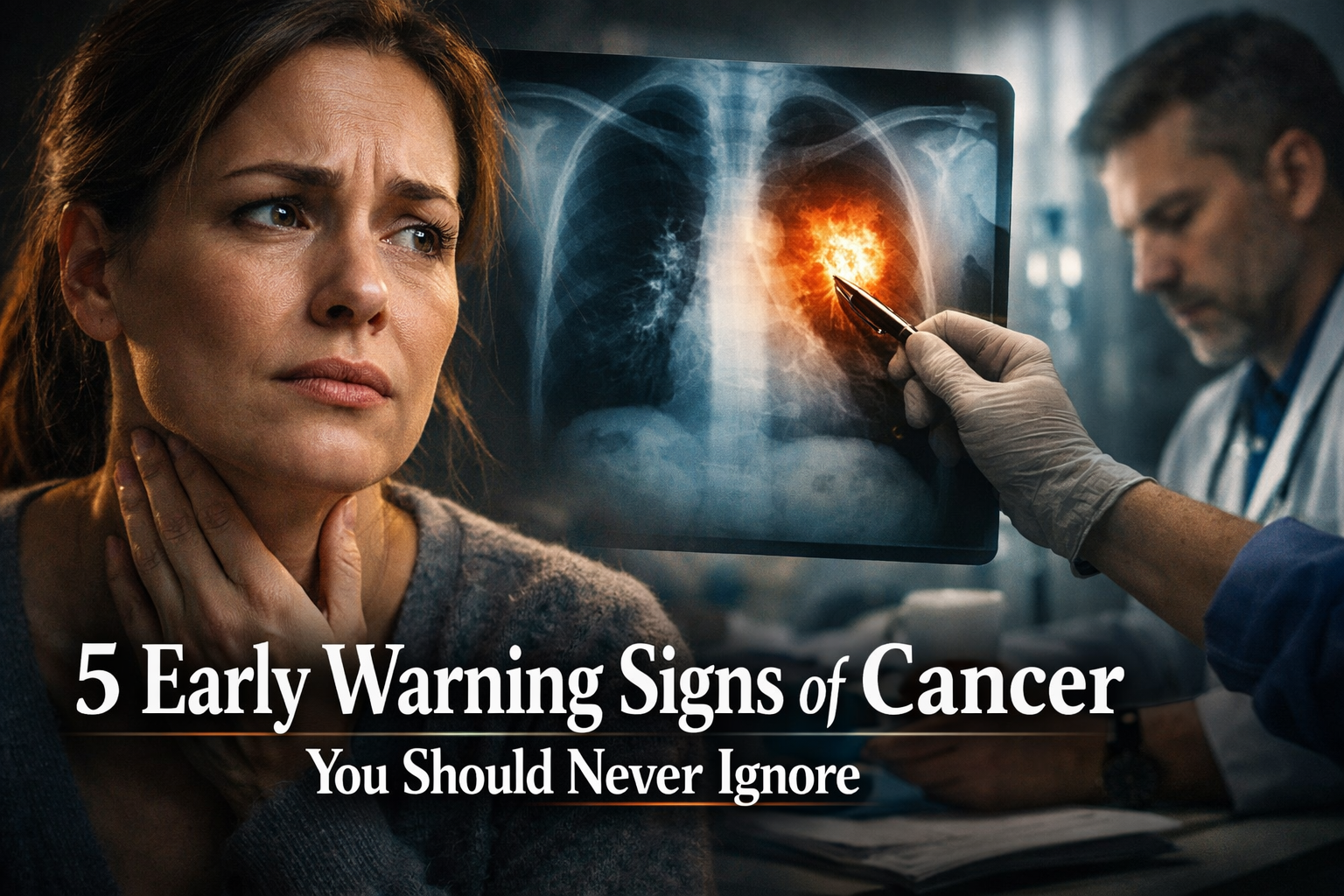
Here are five early warning signs that should never be ignored.
1. Unexplained Weight Loss
Losing weight without trying might seem like a welcome surprise for some people, but sudden and unexplained weight loss can sometimes signal an underlying health issue.
Most doctors recommend paying attention if you lose a significant amount of weight over a short period without changing your diet, exercise routine, or lifestyle habits.
Cancer can sometimes alter the way the body uses energy. Certain cancers may increase metabolism, affect digestion, or change the body’s ability to absorb nutrients properly. As a result, weight loss may occur even when a person continues eating normally.
Unexplained weight loss is more commonly associated with cancers affecting the digestive system, such as stomach, pancreatic, esophageal, or colon cancer, but it can occur with other forms of cancer as well.
Signs that may warrant medical attention include:
- Losing weight without dieting or exercising
- Reduced appetite for no clear reason
- Feeling full quickly after eating
- Ongoing weakness or fatigue accompanying weight loss
While many non-cancerous conditions can also cause weight loss, it’s important to investigate any significant, unexplained changes in body weight.
2. Persistent Fatigue That Doesn’t Improve With Rest
Everyone feels tired from time to time. Busy schedules, stress, lack of sleep, and daily responsibilities can all leave us feeling exhausted.
However, cancer-related fatigue is often very different from ordinary tiredness.
This type of exhaustion tends to be intense, persistent, and difficult to relieve, even after a full night’s sleep or extended rest. People often describe it as feeling physically and mentally drained for no obvious reason.
Cancer can contribute to fatigue in several ways. It may interfere with the body’s normal functions, trigger inflammation, affect hormone levels, or increase the body’s energy demands. In some cases, hidden internal bleeding or nutritional deficiencies caused by cancer may also contribute to severe fatigue.
You should consider speaking with a healthcare provider if:
- Fatigue lasts for several weeks
- Rest does not improve symptoms
- Daily activities become difficult
- You struggle to concentrate or stay alert
- Fatigue is accompanied by other unusual symptoms
While fatigue is one of the most common complaints in healthcare, persistent and unexplained exhaustion should never be ignored.
3. Recurring Fever or Night Sweats
Fever is usually the body’s natural response to infection. Most fevers are caused by viruses, bacterial infections, or temporary illnesses and disappear once the body recovers.
However, recurrent fevers that occur without an obvious cause may require further evaluation.
Certain cancers, particularly blood-related cancers such as leukemia and lymphoma, can sometimes trigger recurring fevers. These fevers may come and go, appear mostly at night, or occur without any other signs of infection.
Night sweats can also accompany unexplained fevers. While sweating during sleep can result from many harmless factors, persistent drenching night sweats deserve medical attention, especially when combined with other symptoms.
Warning signs may include:
- Frequent fevers without a clear cause
- Night sweats severe enough to soak clothing or bedding
- Chills that occur repeatedly
- Fever accompanied by unexplained weight loss
- Persistent symptoms lasting several weeks
Although fever is often linked to common illnesses, ongoing episodes without explanation should be discussed with a healthcare professional.
4. Ongoing Pain Without a Clear Cause
Pain is one of the body’s most important warning signals. It alerts us when something isn’t functioning properly.
Most aches and pains are related to injuries, muscle strain, arthritis, headaches, or other non-cancerous conditions. However, persistent pain that has no obvious explanation should not be ignored.
Cancer can cause pain in several ways. A growing tumor may press against nerves, organs, bones, or surrounding tissues. Some cancers produce chemicals that contribute to discomfort, while others cause inflammation or damage in affected areas.
The type of pain can vary depending on the location of the disease.
Examples include:
- Persistent headaches
- Ongoing abdominal pain
- Bone pain that does not improve
- Chronic back pain with no clear injury
- Chest pain unrelated to physical activity
The key factor is persistence. Pain that continues for weeks, worsens over time, or interferes with daily life deserves medical evaluation.
It’s especially important to seek professional advice if pain occurs alongside other symptoms such as fatigue, fever, unexplained weight loss, or changes in appetite.
5. Unusual Changes in the Skin
The skin is the body’s largest organ and can often provide clues about overall health. Many illnesses, including certain cancers, can produce noticeable skin changes.
One important sign to watch for is jaundice, a yellowing of the skin or the whites of the eyes. Jaundice may indicate liver problems, bile duct issues, or, in some cases, certain forms of cancer.
Changes in moles are another important warning sign.
Healthcare professionals often use the “ABCDE” rule when evaluating suspicious moles:
A – Asymmetry
One half of the mole looks different from the other half.
B – Border
The edges are irregular, uneven, or poorly defined.
C – Color
The mole contains multiple colors or changes color over time.
D – Diameter
The mole becomes larger than approximately six millimeters.
E – Evolving
The mole changes in size, shape, color, or appearance.
Additional skin-related warning signs may include:
- New growths that do not heal
- Persistent sores
- Unexplained itching
- Red or dark patches that change over time
- Bleeding or crusting skin lesions
Regularly examining your skin can help you notice changes early and seek treatment if necessary.
Other Possible Early Signs of Cancer
While the five symptoms above are among the more common warning signs, cancer can affect different people in different ways.
Other symptoms that may warrant medical attention include:
- Persistent cough or hoarseness
- Difficulty swallowing
- Changes in bowel habits
- Blood in urine or stool
- Unusual bleeding
- Frequent infections
- Swollen lymph nodes
- Changes in bladder function
Many of these symptoms are often caused by non-cancerous conditions. Nevertheless, persistent or unexplained changes should be evaluated by a healthcare provider.
Why Early Detection Matters
Early detection remains one of the most effective tools in the fight against cancer.
Routine screenings and regular medical checkups can identify problems before symptoms even appear. Depending on your age, family history, and risk factors, your doctor may recommend specific screening tests for cancers such as breast, cervical, colorectal, prostate, or lung cancer.
The earlier cancer is found, the greater the chances of successful treatment and recovery.
Final Thoughts
Your body often provides warning signs when something isn’t right. While symptoms such as fatigue, fever, pain, skin changes, or unexplained weight loss do not automatically indicate cancer, they should never be ignored if they persist or worsen over time.
Being aware of these potential warning signs can help you take action sooner rather than later. Paying attention to your health, scheduling regular medical checkups, and discussing unusual symptoms with your doctor can make a significant difference.
Remember, early detection saves lives. If something feels unusual or concerning, trust your instincts and seek professional medical advice. A simple evaluation today could provide peace of mind—or identify a problem early enough for successful treatment tomorrow.