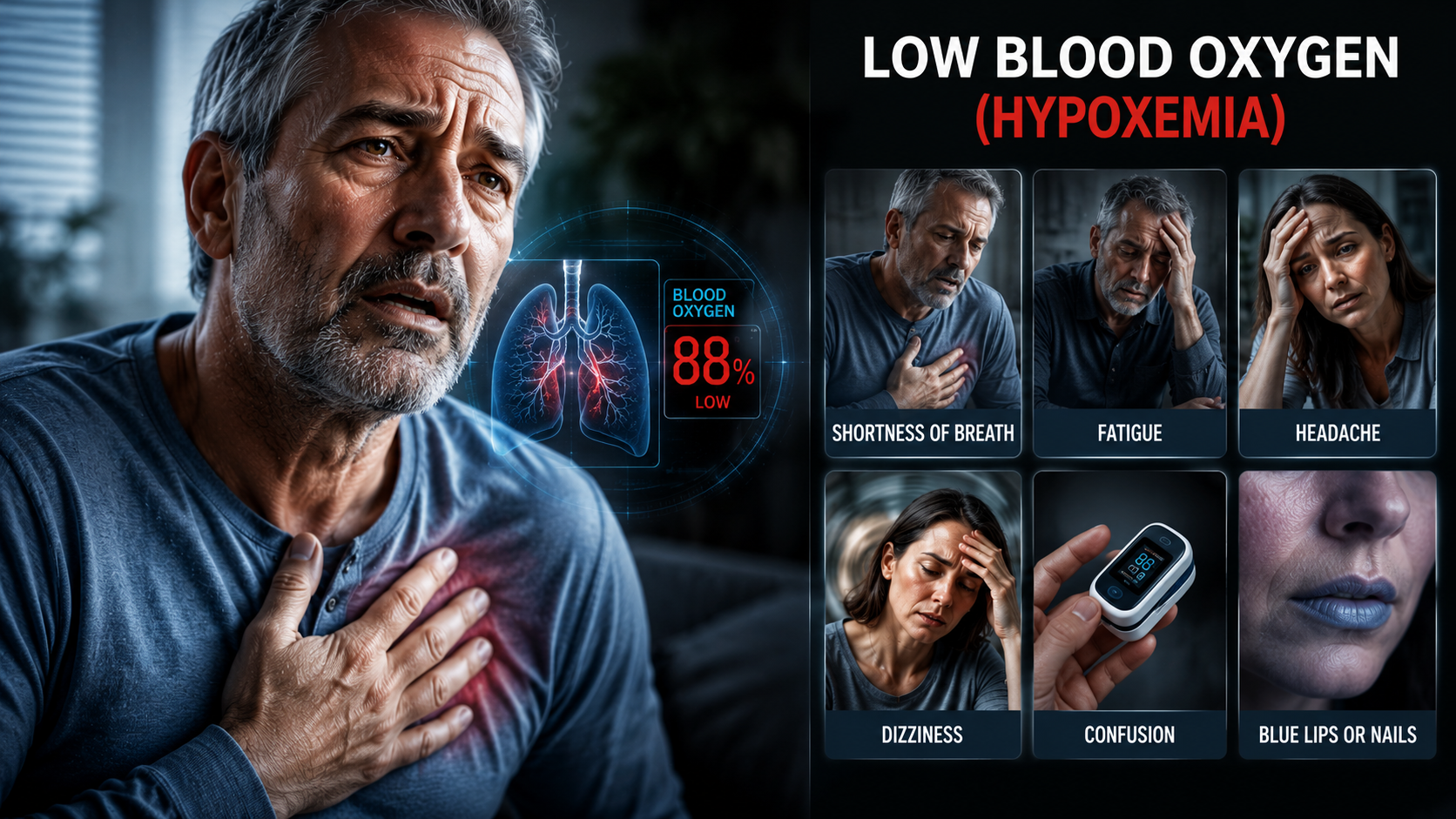
Most people experience fatigue from time to time. A busy schedule, poor sleep, stress, or a demanding lifestyle can leave anyone feeling drained. But what if your exhaustion persists even after you’ve had plenty of rest?
In some cases, the culprit may be something happening deep inside your body: low oxygen levels in the blood, a condition known as hypoxemia.
Because oxygen is essential for every organ, muscle, and cell in the body, even a modest drop in blood oxygen can affect how you feel and function. Left untreated, chronic low oxygen levels can place significant strain on your overall health and quality of life.
Understanding the causes, symptoms, diagnosis, and treatment options for hypoxemia can help you recognize potential warning signs before they become more serious.
What Is Hypoxemia?
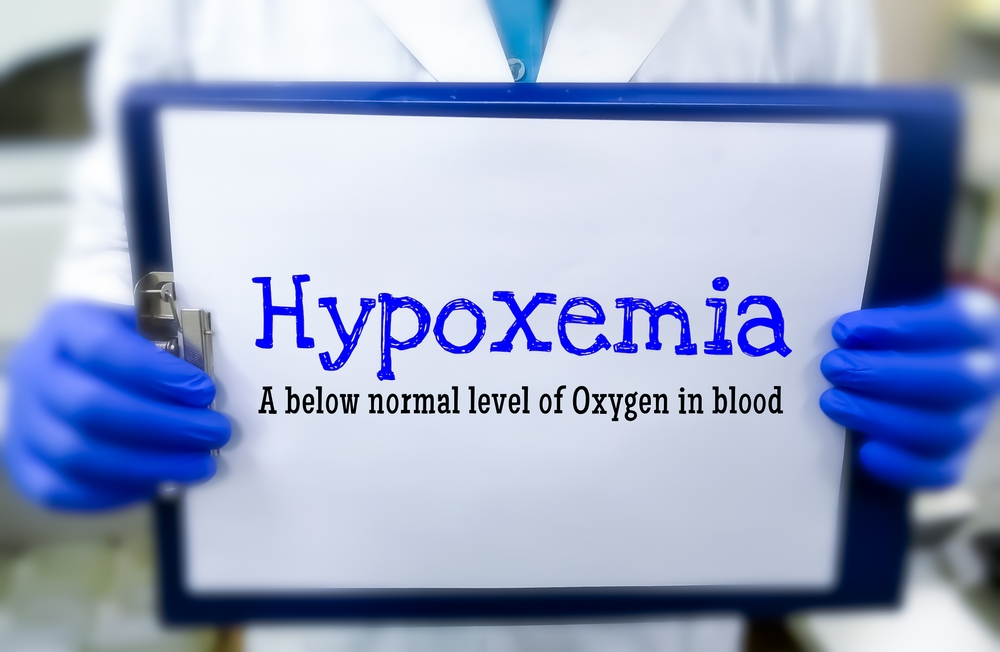
Hypoxemia occurs when there is an abnormally low level of oxygen circulating in the bloodstream.
Every breath you take delivers oxygen into your lungs. From there, oxygen passes into the blood and is transported throughout the body to fuel vital functions. Your organs, tissues, and muscles rely on a constant oxygen supply to work efficiently.
When oxygen levels drop below normal, the body must work harder to perform everyday tasks.
As a result, people with hypoxemia may experience symptoms such as fatigue, weakness, shortness of breath, and reduced physical endurance.
Think of oxygen as the fuel that powers your body’s engine. If the fuel supply is reduced, performance begins to suffer.
Over time, prolonged oxygen deprivation can affect multiple body systems and lead to serious health complications.
Why Oxygen Matters So Much
Oxygen plays a critical role in energy production.
Every cell in the body uses oxygen to create the energy needed for movement, thinking, digestion, healing, and countless other functions.
When oxygen delivery becomes inadequate, the body shifts into a less efficient mode of operation.
This can result in:
- Reduced energy levels
- Difficulty concentrating
- Muscle weakness
- Increased fatigue
- Decreased exercise tolerance
Many people describe the experience as feeling constantly exhausted despite getting enough sleep.
The body may struggle to perform tasks that once felt effortless.
Common Causes of Hypoxemia
Hypoxemia is not a disease itself. Instead, it is usually a symptom of an underlying condition affecting the lungs, heart, or breathing process.
Some causes are temporary and easily reversible, while others require long-term management.
Short-Term Causes
Temporary causes of low blood oxygen may include:
High Altitudes
At higher elevations, the air contains less oxygen. People traveling to mountainous regions may experience temporary hypoxemia until their bodies adapt.
Respiratory Infections
Conditions such as bronchitis, pneumonia, influenza, or severe viral infections can interfere with oxygen exchange in the lungs.
Certain Medications
Some medications, particularly opioid pain medications and sedatives, can slow breathing and reduce oxygen intake.
Allergic Reactions
Severe allergic reactions may affect breathing and oxygen levels.
Long-Term Causes
Chronic hypoxemia is often linked to ongoing medical conditions.
Common examples include:
Chronic Obstructive Pulmonary Disease (COPD)
COPD can damage airways and lung tissue, making it difficult for oxygen to enter the bloodstream efficiently.
Asthma
Poorly controlled asthma can reduce airflow and impair oxygen delivery.
Emphysema
This lung condition damages the air sacs responsible for oxygen exchange.
Sleep Apnea
People with sleep apnea experience repeated interruptions in breathing during sleep, which can reduce nighttime oxygen levels.
Pulmonary Fibrosis
Scarring of lung tissue can make it harder for oxygen to move from the lungs into the blood.
Heart Conditions
Certain heart diseases and congenital heart defects may impair oxygen circulation throughout the body.
Because these conditions often develop gradually, many people do not realize their oxygen levels have been declining.
Symptoms of Low Blood Oxygen
The signs of hypoxemia can vary depending on severity and underlying causes.
Some symptoms develop slowly over time, while others appear suddenly.
Persistent Fatigue
One of the most common complaints is ongoing exhaustion.
People may feel unusually tired even after sleeping well or resting.
Activities that once seemed easy may become physically demanding.
Shortness of Breath
Breathing may feel difficult during exercise, climbing stairs, or even routine daily tasks.
In more severe cases, shortness of breath can occur while resting.
Rapid Heartbeat
The heart may work harder to compensate for lower oxygen levels, causing an elevated heart rate.
Frequent Headaches
Low oxygen delivery can sometimes contribute to recurring headaches, particularly in the morning.
Difficulty Concentrating
Some individuals develop:
- Brain fog
- Memory issues
- Poor concentration
- Reduced mental clarity
Because the brain requires a significant oxygen supply, cognitive function can be affected when oxygen levels drop.
Coughing and Wheezing
Underlying lung conditions often produce respiratory symptoms such as coughing, wheezing, or chest tightness.
Bluish Skin or Fingernails
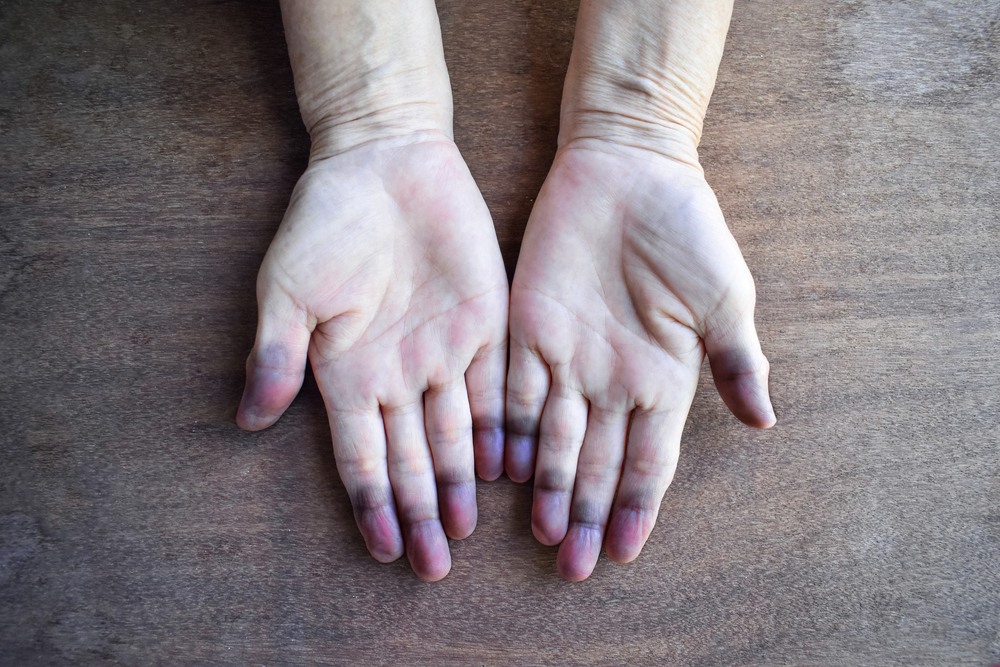
One of the more serious signs of hypoxemia is a bluish tint to the lips, fingertips, or nail beds.
This condition, known as cyanosis, may indicate significantly reduced oxygen levels and requires prompt medical attention.
How Hypoxemia Is Diagnosed
Fortunately, checking blood oxygen levels is simple and painless.
Pulse Oximetry
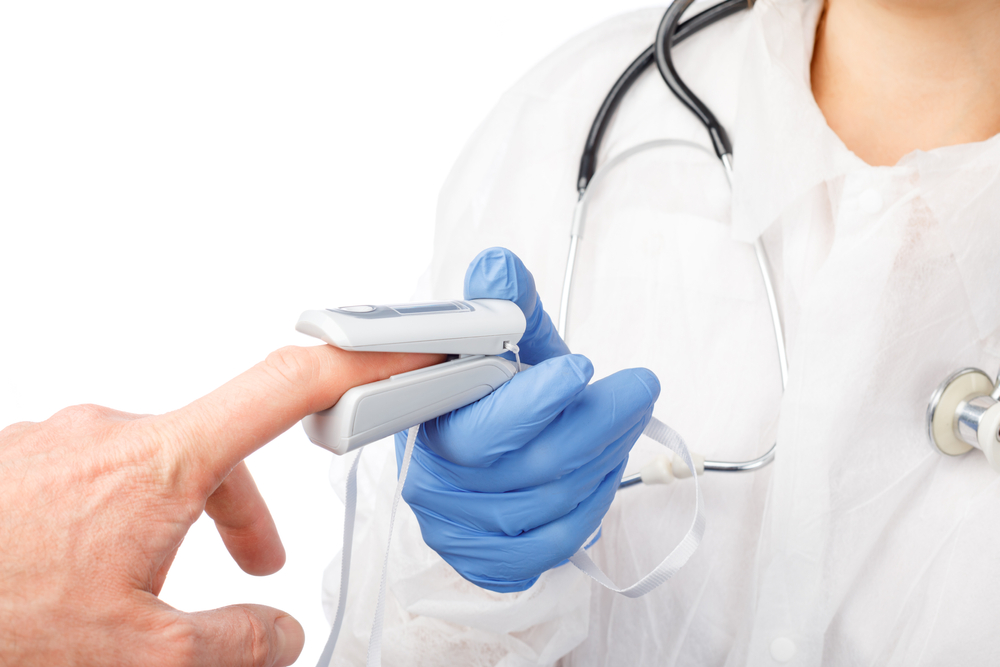
The most common tool used is a pulse oximeter.
This small device clips onto a fingertip and estimates the percentage of oxygen carried by the blood.
The test takes only a few seconds and is completely non-invasive.
Many people with chronic lung conditions keep pulse oximeters at home to monitor their oxygen levels regularly.
Understanding Oxygen Saturation Readings
Typical oxygen saturation levels are:
- 95% to 100%: Generally considered normal
- 90% to 94%: May require medical evaluation depending on symptoms
- Below 90%: Often considered low and may need urgent medical attention
Individual targets may vary based on specific medical conditions, so patients should always follow their healthcare provider’s recommendations.
Additional Testing
If hypoxemia is suspected, doctors may also perform:
- Arterial blood gas testing
- Chest imaging
- Lung function tests
- Sleep studies
- Cardiac evaluations
These tests help identify the underlying cause and guide treatment decisions.
Treatment Options

Treatment depends on the cause and severity of low blood oxygen levels.
Oxygen Therapy
Some individuals benefit from supplemental oxygen delivered through a mask or nasal cannula.
Oxygen therapy can significantly improve symptoms and quality of life for people with chronic lung disease.
Medications
Doctors may prescribe medications to manage conditions such as:
- Asthma
- COPD
- Lung infections
- Heart disease
Treating the underlying condition often improves oxygen levels.
Lifestyle Changes
Healthy habits can support respiratory and cardiovascular health.
These include:
Regular Physical Activity
Gentle exercises such as walking can help improve endurance and lung efficiency.
Breathing Exercises
Techniques such as diaphragmatic breathing and controlled deep breathing may enhance oxygen intake.
Staying Hydrated
Proper hydration supports overall body function, including respiratory health.
Avoiding Smoking
Smoking damages lung tissue and reduces the body’s ability to absorb oxygen efficiently.
Eating a Balanced Diet
Nutritious foods provide the energy and nutrients needed to support healthy lung and heart function.
When to Seek Medical Help
You should contact a healthcare provider if you experience:
- Persistent fatigue without explanation
- Ongoing shortness of breath
- Frequent headaches
- Unexplained dizziness
- Rapid heartbeat
- Bluish lips or fingertips
- Worsening breathing difficulties
Prompt evaluation can help identify potentially serious conditions before complications develop.
Final Thoughts
Oxygen is one of the body’s most essential resources, yet many people never think about it until something goes wrong.
Hypoxemia, or low blood oxygen levels, can develop gradually and produce symptoms that are easy to dismiss as stress, aging, or lack of sleep. Persistent fatigue, breathlessness, headaches, and brain fog may all be clues that your body isn’t receiving the oxygen it needs.
The good news is that hypoxemia can often be identified quickly through simple testing and managed effectively when the underlying cause is addressed.
If you’ve been feeling unusually tired or experiencing unexplained respiratory symptoms, don’t ignore the warning signs. A conversation with your healthcare provider could provide valuable answers and help protect your long-term health.
Medical Disclaimer: This article is intended for informational purposes only and should not be considered medical advice. Always consult a qualified healthcare professional regarding symptoms, diagnoses, or treatment options. If you experience severe breathing difficulties or signs of low oxygen levels, seek immediate medical attention.







