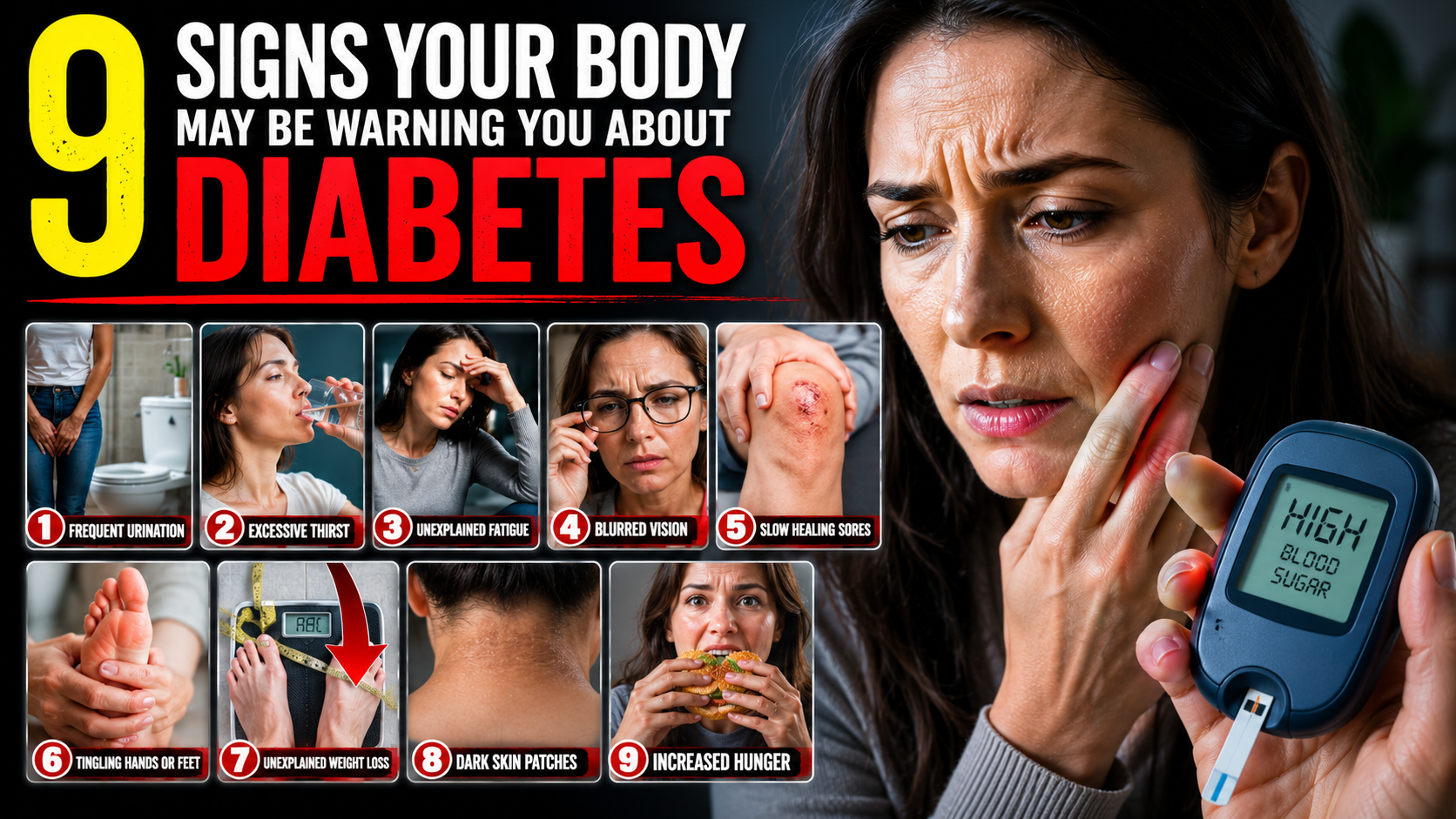
Diabetes is one of the most common chronic health conditions worldwide, affecting millions of people every year. The condition develops when the body either doesn’t produce enough insulin or cannot effectively use the insulin it produces, causing blood sugar levels to rise.
One of the biggest challenges with diabetes is that many of its early symptoms can be subtle and easy to dismiss. People often attribute these warning signs to stress, aging, lack of sleep, or other everyday issues. Unfortunately, delaying diagnosis can increase the risk of serious complications affecting the heart, kidneys, nerves, eyes, and blood vessels.
Recognizing the early signs of diabetes can lead to earlier testing, treatment, and lifestyle changes that help prevent long-term health problems. Here are nine symptoms that may indicate your blood sugar levels are higher than they should be.
1. Skin Tags Appearing More Frequently

Skin tags are small, soft growths that often develop in areas where skin rubs against skin, such as the neck, underarms, eyelids, and groin.
While skin tags are generally harmless and common among adults, researchers have found a connection between multiple skin tags and insulin resistance, a key factor in the development of type 2 diabetes.
If you notice a sudden increase in skin tags or several appearing at once, it may be worth discussing with your healthcare provider, especially if other symptoms are present.
2. Small Yellowish or Grayish Bumps on the Skin

Elevated blood sugar levels can sometimes affect fat metabolism, leading to increased triglyceride levels in the bloodstream.
In some cases, this can cause a condition known as eruptive xanthomatosis, which appears as small bumps on the skin. These bumps may be yellow, reddish, or grayish depending on skin tone and are often accompanied by itching or tenderness.
They commonly appear on:
- Elbows
- Knees
- Thighs
- Buttocks
- Arms
Although uncommon, these skin changes can be an important clue that blood sugar and cholesterol levels need medical attention.
3. Constant Fatigue

Everyone feels tired from time to time, but diabetes-related fatigue tends to be different.
Many people describe it as a persistent feeling of exhaustion that doesn’t improve even after a full night’s sleep. This happens because the body’s cells aren’t able to use glucose efficiently for energy.
Without adequate energy reaching the cells, everyday activities can become more difficult, leaving you feeling physically and mentally drained.
If fatigue persists despite good sleep and healthy habits, it’s worth investigating further.
4. Dark, Velvety Patches of Skin

A skin condition called acanthosis nigricans is often associated with insulin resistance and can be one of the earliest visible signs of prediabetes or type 2 diabetes.
This condition causes areas of skin to become:
- Darker than surrounding skin
- Thicker in texture
- Soft or velvety to the touch
The most common locations include:
- The back of the neck
- Armpits
- Groin
- Elbows
Many people initially assume the discoloration is caused by dirt or poor hygiene, but these patches cannot be removed through washing or scrubbing.
Because acanthosis nigricans is strongly linked to insulin resistance, it should be evaluated by a healthcare professional.
5. Excessive Thirst and Frequent Urination

One of the classic early symptoms of diabetes is feeling thirsty all the time, often accompanied by frequent trips to the bathroom.
When blood sugar levels become too high, the kidneys work harder to remove excess glucose from the bloodstream. As glucose is eliminated through urine, it pulls water along with it.
This process can lead to dehydration, causing:
- Persistent thirst
- Dry mouth
- Increased urination, especially at night
Many people notice these symptoms before receiving a diabetes diagnosis.
6. Blurry Vision
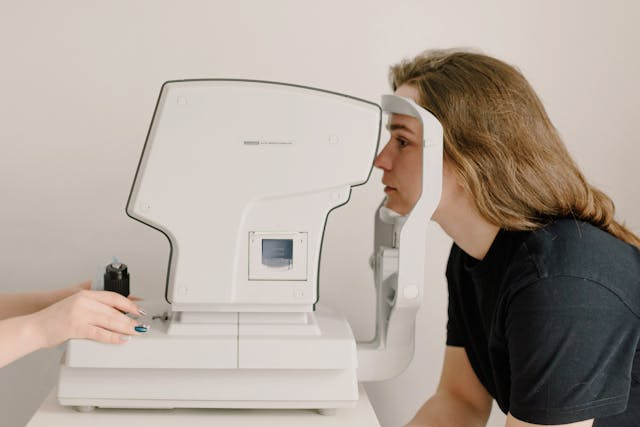
High blood sugar can affect the tiny blood vessels throughout the body, including those that support eye health.
When glucose levels fluctuate, fluid shifts can cause the lens of the eye to swell temporarily, resulting in blurred or distorted vision.
Although vision changes may come and go, they should never be ignored. Over time, uncontrolled diabetes can increase the risk of more serious eye conditions, including:
- Diabetic retinopathy
- Glaucoma
- Cataracts
- Macular edema
Regular eye examinations are particularly important for people with diabetes or prediabetes.
7. Slow-Healing Cuts and Wounds

If you notice that minor cuts, scrapes, or bruises seem to take much longer to heal than usual, elevated blood sugar could be a contributing factor.
High glucose levels can damage blood vessels and impair circulation, making it more difficult for oxygen and nutrients to reach injured tissue.
Diabetes can also weaken the immune system, reducing the body’s ability to fight infections and repair damaged skin.
As a result, wounds may:
- Heal more slowly
- Become infected more easily
- Require additional medical treatment
This symptom is especially common in the feet and lower legs.
8. Unexplained Weight Loss

Losing weight without changing your diet or exercise habits might sound appealing, but it can sometimes signal a serious health issue.
When insulin isn’t functioning properly, the body’s cells struggle to access glucose for energy. To compensate, the body begins breaking down fat stores and muscle tissue for fuel.
This can lead to noticeable weight loss over a relatively short period of time, even if you’re eating normally.
Unintentional weight loss is often more common in type 1 diabetes but can also occur in people with type 2 diabetes.
9. Tingling, Numbness, or Burning Sensations

Persistently elevated blood sugar levels can damage nerves throughout the body, a condition known as diabetic neuropathy.
Early symptoms often include:
- Tingling sensations
- Numbness
- Burning feelings
- Pins-and-needles sensations
These symptoms typically begin in the hands, feet, fingers, or toes.
Some individuals describe the sensation as feeling like they are walking on bunched-up socks or experiencing unusual pressure beneath their feet.
Early detection and blood sugar management can help slow or prevent further nerve damage.
Why Early Detection Matters
Many people live with prediabetes or diabetes for years before receiving a diagnosis. During that time, elevated blood sugar can quietly damage blood vessels, nerves, and organs.
The earlier diabetes is detected, the greater the opportunity to:
- Improve blood sugar control
- Reduce the risk of complications
- Protect heart health
- Preserve vision
- Prevent nerve damage
- Improve overall quality of life
Fortunately, diagnosing diabetes is relatively straightforward and typically involves a simple blood test.
Final Thoughts
Diabetes often develops gradually, and many of its earliest symptoms can seem harmless at first. However, signs such as persistent fatigue, excessive thirst, slow-healing wounds, unexplained weight loss, and unusual skin changes should never be overlooked.
Paying attention to these warning signals and seeking medical advice when necessary can make a significant difference in long-term health outcomes. If you’re experiencing one or more of these symptoms, scheduling a checkup with your healthcare provider is a smart step toward protecting your health and catching potential problems before they become more serious.
When it comes to diabetes, awareness and early action can be life-changing.







