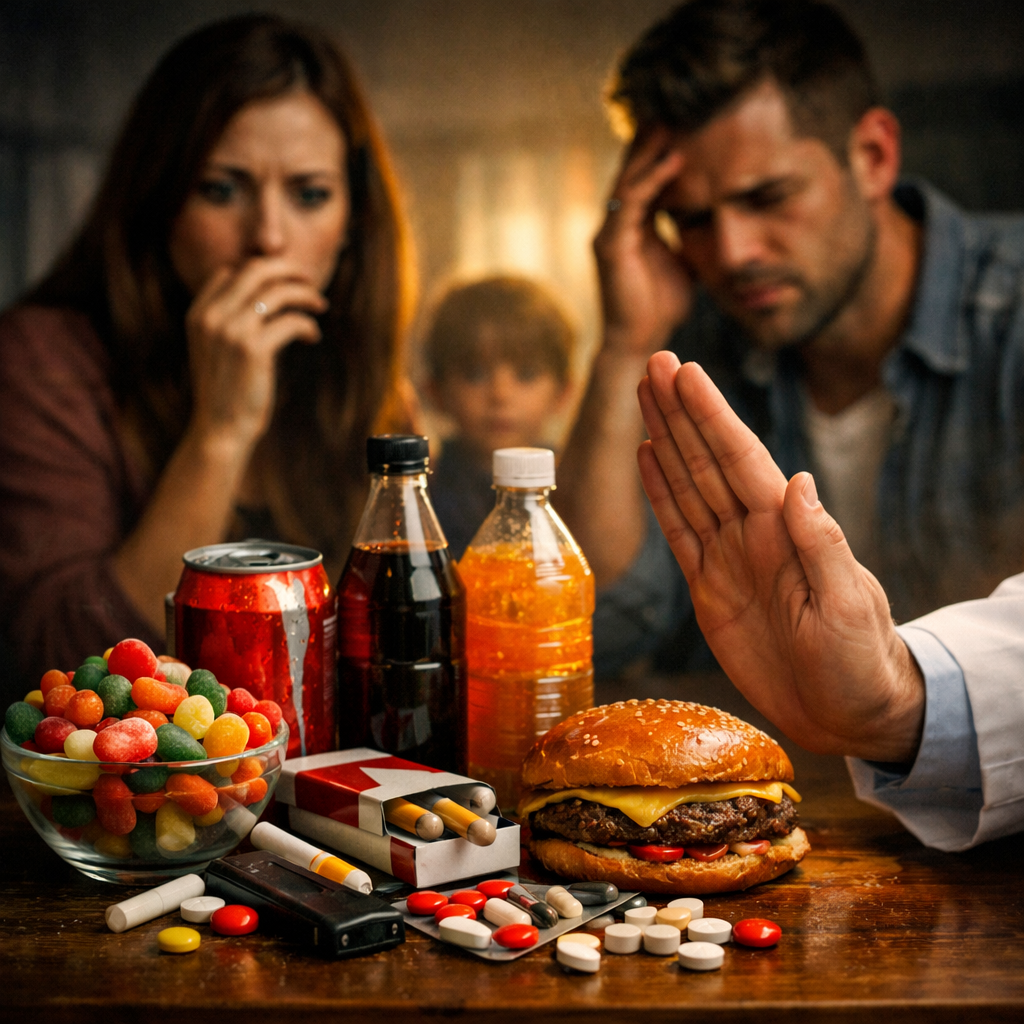
Few words are more frightening for a parent than a cancer diagnosis. The disease affects not only the person receiving treatment but also the family members who stand beside them throughout the journey. While advances in medicine have improved survival rates for many types of cancer, it remains one of the most challenging health conditions affecting people of all ages—including children.
Stories of young children facing cancer are heartbreaking reminders that the disease does not discriminate. Families can do everything right and still find themselves confronting circumstances beyond their control. Genetics, environmental factors, and chance all play roles that scientists are still working to fully understand.

The good news is that researchers continue to learn more about lifestyle and environmental factors that may influence cancer risk over time. While no parent can eliminate every risk, experts generally agree that reducing exposure to certain substances and encouraging healthy habits can support a child’s long-term health.
Here are five things many health professionals recommend limiting whenever possible.
1. Processed Meats

Foods such as hot dogs, bacon, sausage, salami, and other processed meats are popular convenience foods, but health organizations have raised concerns about frequent consumption.
Processed meats often contain preservatives known as nitrates and nitrites, which can form potentially harmful compounds during processing or digestion. Research has linked regular consumption of processed meats to an increased risk of certain cancers, particularly colorectal cancer in adults.
Healthier Alternatives
- Fresh poultry
- Lean cuts of meat
- Fish
- Eggs
- Beans and legumes
- Plant-based protein options
Occasional consumption is unlikely to be a major concern, but limiting processed meats as a regular part of a child’s diet may be beneficial.
2. Sugary Beverages
Soft drinks, energy drinks, sweetened teas, sports drinks, and many fruit-flavored beverages contain large amounts of added sugar.
While sugar itself does not directly cause cancer, excessive consumption can contribute to obesity, and obesity is a recognized risk factor for several types of cancer later in life. High-sugar beverages can also increase the risk of type 2 diabetes, dental problems, and other health issues.
Energy drinks present additional concerns because they often contain high levels of caffeine and stimulants that are not recommended for children.
Better Beverage Choices
- Water
- Milk
- Unsweetened dairy alternatives
- Whole-fruit smoothies
- Water infused with fresh fruit slices
Encouraging healthy drinking habits early can provide benefits that last into adulthood.
3. Food and Drinks Stored in Certain Plastics

Some plastic containers and bottles may contain chemicals that can migrate into food or beverages, particularly when exposed to heat.
One of the most discussed compounds is Bisphenol A (BPA), which has been studied for its potential effects on hormone function. Because children are still growing and developing, many experts recommend minimizing unnecessary exposure whenever possible.
Simple Ways to Reduce Exposure
- Use glass or stainless-steel containers when practical
- Avoid microwaving food in plastic containers
- Replace damaged or scratched plastic food containers
- Follow manufacturer recommendations for food storage products
While research in this area continues, many families choose to take a precautionary approach.
4. Overly Charred or Deep-Fried Foods

Cooking methods can affect the chemical composition of food.
When foods are cooked at very high temperatures—especially grilling, charring, or deep-frying—certain compounds can form. Some of these compounds, including acrylamide and heterocyclic amines (HCAs), have been studied for their potential links to cancer risk.
This does not mean children should never enjoy grilled foods. Rather, experts often recommend avoiding heavily burned or blackened portions and using a variety of cooking methods.
Alternative Cooking Methods
- Baking
- Steaming
- Roasting
- Boiling
- Air frying at moderate temperatures
Balancing cooking techniques can help reduce exposure to potentially harmful compounds.
5. Personal Care Products With Questionable Ingredients
Parents are increasingly paying attention to the ingredients found in baby powders, shampoos, lotions, and other personal care products.
Concerns have been raised over talc-based powders, particularly when contamination with asbestos has been present in some products. In addition, certain preservatives used in cosmetics and personal care items can release small amounts of formaldehyde, a substance classified as a carcinogen under specific exposure conditions.
What Parents Can Do
- Choose products from reputable manufacturers
- Read ingredient labels carefully
- Consider talc-free alternatives when appropriate
- Look for products designed for sensitive skin
- Follow safety guidance from pediatricians and healthcare professionals
Making informed choices can help reduce unnecessary exposure to potentially concerning ingredients.
The Bigger Picture: Healthy Habits Matter Most
It’s important to remember that cancer is a complex disease influenced by many factors, including genetics, environment, lifestyle, and chance. No single food, product, or habit can guarantee that someone will or will not develop cancer.
Instead of focusing on fear, experts encourage families to build healthy habits that support overall well-being.
Healthy Choices That Can Make a Difference
- Eating a balanced diet rich in fruits and vegetables
- Encouraging regular physical activity
- Maintaining a healthy body weight
- Limiting highly processed foods
- Avoiding tobacco smoke exposure
- Following recommended vaccination schedules
- Attending regular medical checkups
These habits not only support long-term health but may also help reduce the risk of numerous chronic diseases later in life.
Final Thoughts
Parents cannot control every factor that influences their children’s future health, and no family should blame themselves if illness occurs. However, small daily choices can add up over time.
Limiting processed meats, reducing sugary beverages, being mindful of food storage materials, avoiding heavily charred foods, and choosing personal care products carefully are all practical steps that may help minimize unnecessary exposures.
The goal isn’t perfection—it’s creating a healthier environment where children can grow, thrive, and develop habits that support lifelong wellness.
Medical Disclaimer: This article is intended for informational and educational purposes only and should not be considered medical advice. Always consult qualified healthcare professionals regarding dietary choices, environmental exposures, or concerns about your child’s health.







