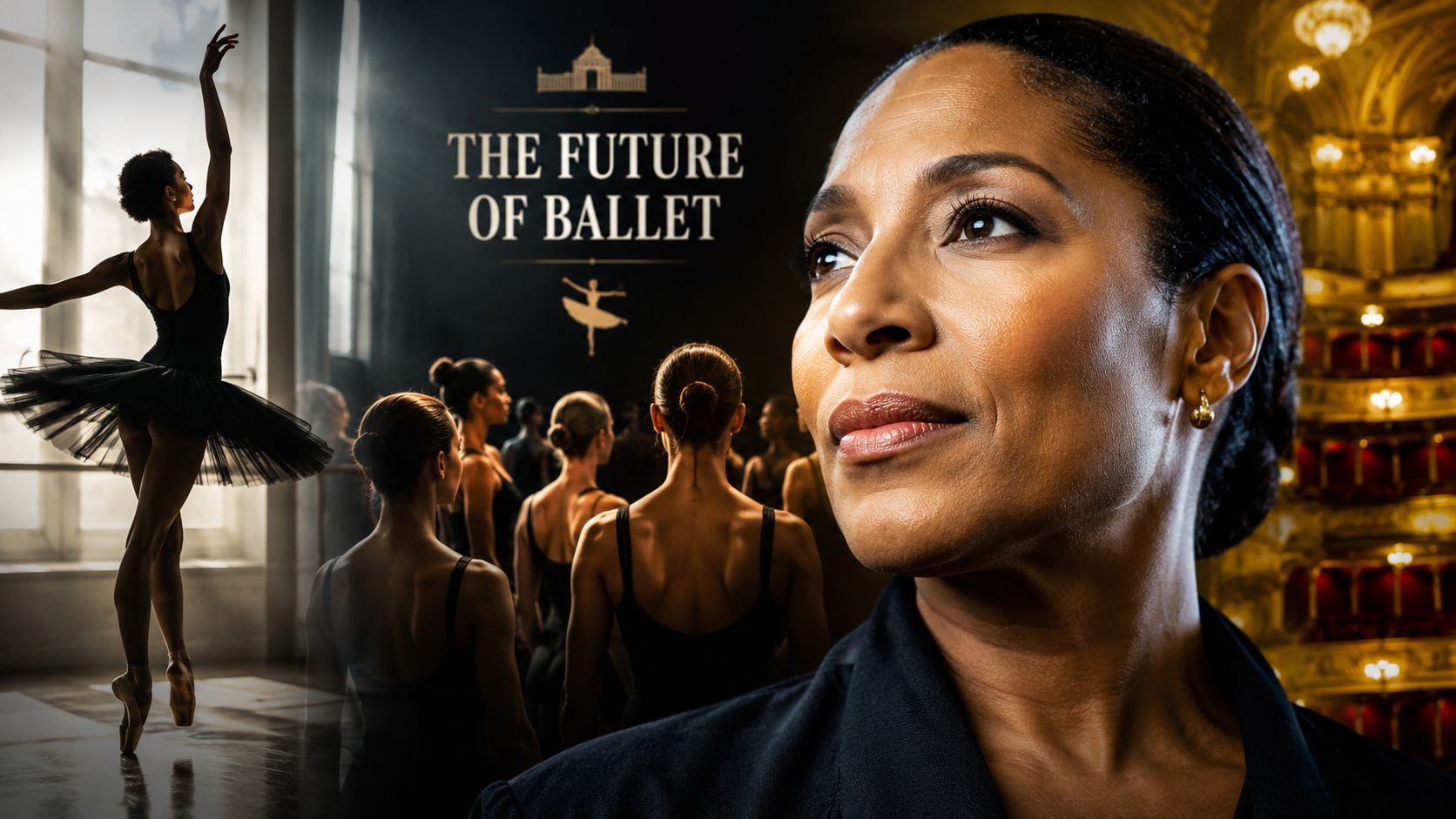
Ballet has long been associated with tradition. From centuries-old performances to highly structured training systems, the art form has often balanced innovation with a deep respect for its history. While that commitment to tradition has helped preserve ballet’s beauty and discipline, it has also sparked conversations about how the industry can evolve to meet the expectations of modern audiences and artists.
In recent years, few leaders have attracted as much attention in those conversations as Janet Rollé. Known for her extensive experience in the performing arts and cultural sector, Rollé has become a prominent voice in discussions about accessibility, inclusion, audience engagement, and the future of ballet organizations.
As leadership increasingly shapes how arts institutions adapt to changing times, many observers view Rollé’s approach as representative of a broader transformation taking place within the ballet world.
While no single individual can redefine an entire art form overnight, several aspects of Rollé’s leadership style suggest that ballet may be entering a new chapter—one that seeks to honor tradition while embracing new possibilities.
Here are ten signs that Janet Rollé’s leadership reflects a changing era in ballet.
1. She Emphasizes Expanding Access to Ballet
For generations, ballet has sometimes been viewed as an art form reserved for specific audiences.
High ticket prices, limited outreach, and longstanding perceptions about who belongs in ballet have occasionally created barriers for newcomers.
One of the defining features of modern arts leadership is the desire to make cultural experiences more accessible.
Rollé has consistently been associated with efforts that encourage broader participation and engagement. The idea is simple but powerful: ballet should be available to anyone who wishes to experience it.
Expanding access helps organizations connect with wider audiences and ensures that future generations can discover the art form.
In today’s cultural landscape, accessibility is no longer an optional goal—it is increasingly viewed as essential.
2. Diversity Has Become a Central Priority
The conversation surrounding representation in the arts has evolved significantly over the past decade.
Audiences are increasingly interested in seeing stages, creative teams, and leadership structures reflect the diversity of the communities they serve.
Rollé’s leadership aligns with this shift.
By supporting broader representation across multiple areas of ballet, she reflects a growing recognition that diversity strengthens artistic institutions.
When different perspectives contribute to creative decision-making, organizations often become more innovative, relevant, and responsive.
This emphasis represents a notable departure from older models that tended to draw from narrower pools of talent and leadership.
3. She Understands the Importance of Audience Development
Art cannot thrive without audiences.
Today’s cultural organizations face increasing competition for attention. Streaming platforms, social media, gaming, and countless entertainment options have transformed how people spend their time.
Modern arts leaders understand that attracting audiences requires more than simply presenting performances.
It requires relationship-building.
Rollé’s approach reflects this reality by emphasizing audience engagement and long-term connection rather than one-time attendance.
Organizations that prioritize audience development are often better positioned to remain sustainable and culturally relevant.
This shift is becoming one of the defining characteristics of successful arts institutions.
4. Business Strategy and Artistic Vision Work Together
Historically, some people viewed artistic excellence and business strategy as competing priorities.
That perspective is changing.
Today’s cultural organizations require strong financial planning, strategic growth, and effective management in addition to artistic achievement.
Rollé’s background demonstrates an understanding that artistic success and organizational health are deeply connected.
A financially stable institution is better equipped to support artists, commission new works, invest in education, and serve communities.
Modern ballet leadership increasingly recognizes that creative vision and sound business practices must operate hand in hand.
5. Innovation Is Encouraged Without Abandoning Tradition
One challenge facing ballet is balancing innovation with heritage.
Audiences cherish iconic productions that have survived for generations. At the same time, many people want to see fresh interpretations and contemporary storytelling.
Rollé’s leadership reflects an understanding that these goals are not mutually exclusive.
Tradition remains important, but innovation helps keep the art form vibrant.
Successful organizations find ways to respect classical foundations while creating space for experimentation and new voices.
This balance is increasingly viewed as essential for long-term relevance.
6. Community Engagement Plays a Larger Role
Modern arts institutions are no longer isolated cultural venues.
Increasingly, they are expected to function as active participants within their communities.
This means developing educational programs, forming partnerships, supporting local initiatives, and creating opportunities for meaningful interaction.
Rollé’s leadership aligns with this broader vision.
Community engagement strengthens relationships between organizations and the people they serve.
It also helps demonstrate that ballet is not merely entertainment—it is a cultural resource capable of inspiring, educating, and connecting people.
Organizations that invest in community relationships often build stronger foundations for future growth.
7. New Voices Are Being Welcomed
Creative growth depends on fresh ideas.
Throughout ballet history, innovation has often emerged when new choreographers, composers, designers, and performers were given opportunities to contribute.
A hallmark of modern leadership is the willingness to expand those opportunities.
Rollé’s approach reflects a growing belief that emerging talent should have pathways into the industry.
Welcoming new voices enriches artistic programming and encourages experimentation.
It also ensures that ballet continues evolving rather than becoming trapped by its own traditions.
The healthiest artistic ecosystems create space for both established masters and rising innovators.
8. The Focus Extends Beyond the Stage
While performances remain central to ballet, today’s organizations must think more broadly.
Digital engagement, education initiatives, donor relationships, audience experiences, and institutional culture all influence long-term success.
Rollé’s leadership reflects this expanded perspective.
Rather than viewing ballet solely through the lens of performance, modern leaders recognize the importance of the entire organizational ecosystem.
Strong institutions invest in multiple areas simultaneously.
This holistic approach helps organizations adapt to changing circumstances while maintaining artistic excellence.
9. Leadership Reflects Changing Industry Expectations
The qualities expected of arts leaders have evolved significantly.
In previous generations, leadership often focused primarily on administration and fundraising.
Today’s leaders must navigate a far more complex environment.
They are expected to understand culture, business, technology, communication, audience behavior, and social responsibility.
Rollé’s leadership style reflects these expanded expectations.
Her approach demonstrates that modern arts leadership involves more than managing an institution—it involves shaping its future direction.
This broader role is increasingly becoming the standard across the performing arts sector.
10. She Represents a Vision of Ballet’s Future
Perhaps the clearest sign of a new era is the symbolism associated with leadership itself.
Who leads cultural institutions sends a powerful message about where those organizations are headed.
Rollé’s prominence within ballet leadership reflects larger shifts taking place throughout the arts world.
Audiences, artists, donors, and communities increasingly expect institutions to be forward-thinking, inclusive, and responsive to change.
Leadership that embraces these values often becomes a symbol of broader transformation.
In that sense, Rollé represents more than an individual executive role.
She represents a vision of what ballet can become in the years ahead.
Why Ballet Is Changing
The ballet world does not exist in isolation.
Like every cultural institution, it is influenced by social, economic, and technological trends.
Audiences today seek deeper engagement.
Artists want broader opportunities.
Communities expect greater accessibility and representation.
These expectations are reshaping organizations across the performing arts.
The changes occurring within ballet are part of a much larger movement toward modernization.
Rather than abandoning tradition, many organizations are finding ways to preserve their artistic heritage while responding to contemporary realities.
That balance is defining the next chapter of the art form.
The Importance of Leadership in Cultural Institutions
Leadership matters because it shapes priorities.
The decisions made by executives influence programming, hiring, community engagement, financial strategy, and institutional culture.
Effective leaders create environments where creativity can flourish.
They provide stability during uncertainty and help organizations navigate periods of change.
In the arts, leadership often determines whether institutions remain relevant in rapidly evolving cultural landscapes.
As ballet continues adapting to new challenges and opportunities, leadership will remain a critical factor in its success.
Looking Toward the Future
The future of ballet will likely involve a combination of continuity and change.
Classical masterpieces will continue to inspire audiences.
At the same time, new works, emerging artists, and innovative approaches will help expand the art form’s reach.
Organizations that successfully embrace both goals may be best positioned for long-term success.
Leadership figures like Janet Rollé have become important because they embody many of the qualities increasingly valued within modern cultural institutions.
Their work reflects broader conversations about access, representation, innovation, and sustainability.
These conversations are likely to shape ballet for years to come.
Final Thoughts
Janet Rollé’s leadership stands out not simply because of her position, but because of what her approach represents.
The ten signs of this evolving era include:
- Greater accessibility.
- Increased diversity and representation.
- Stronger audience engagement.
- Integration of business and artistic strategy.
- Innovation balanced with tradition.
- Expanded community involvement.
- Support for emerging voices.
- A broader organizational vision.
- Modern leadership expectations.
- A forward-looking view of ballet’s future.
Together, these trends suggest that ballet is entering an important period of transformation.
While the art form remains rooted in its rich history, leaders like Janet Rollé demonstrate that honoring tradition and embracing progress can go hand in hand.
And for many observers, that combination may define the future of ballet itself.







