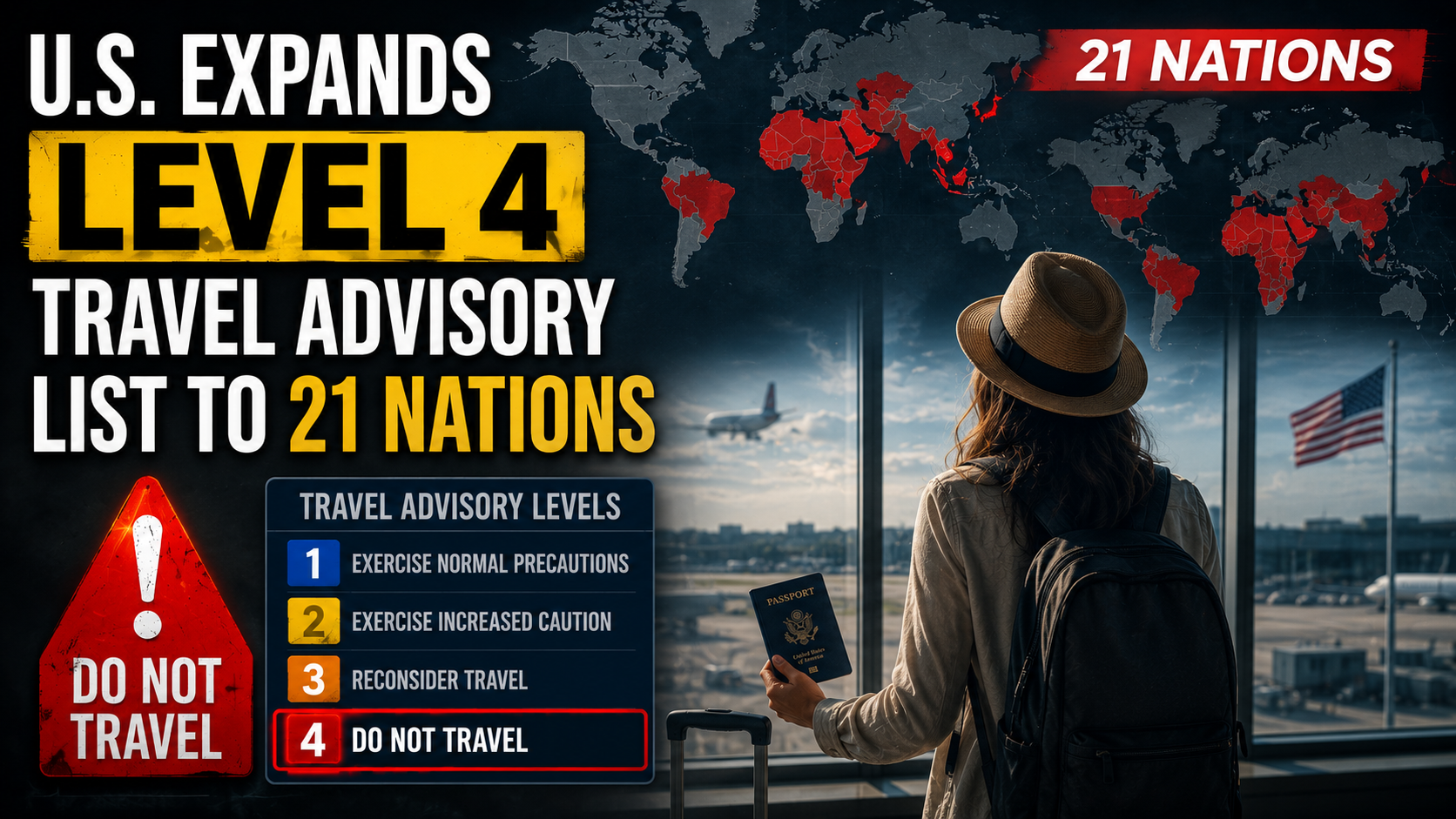
International travel offers incredible opportunities to experience different cultures, landscapes, and histories. However, not every destination is safe for visitors. Political instability, armed conflict, terrorism, kidnapping, and civil unrest can quickly turn a dream trip into a dangerous situation.
To help travelers make informed decisions, the U.S. Department of State regularly issues travel advisories based on security conditions around the world. Its highest alert level, Level 4: Do Not Travel, is reserved for destinations where the risks are considered extreme.
The latest advisory list includes 21 countries where Americans are strongly urged to avoid travel due to ongoing safety concerns. While many of these nations possess rich cultural heritage and fascinating histories, current conditions make travel highly risky.
Here’s a closer look at the countries currently under the highest travel warning.
1. Afghanistan
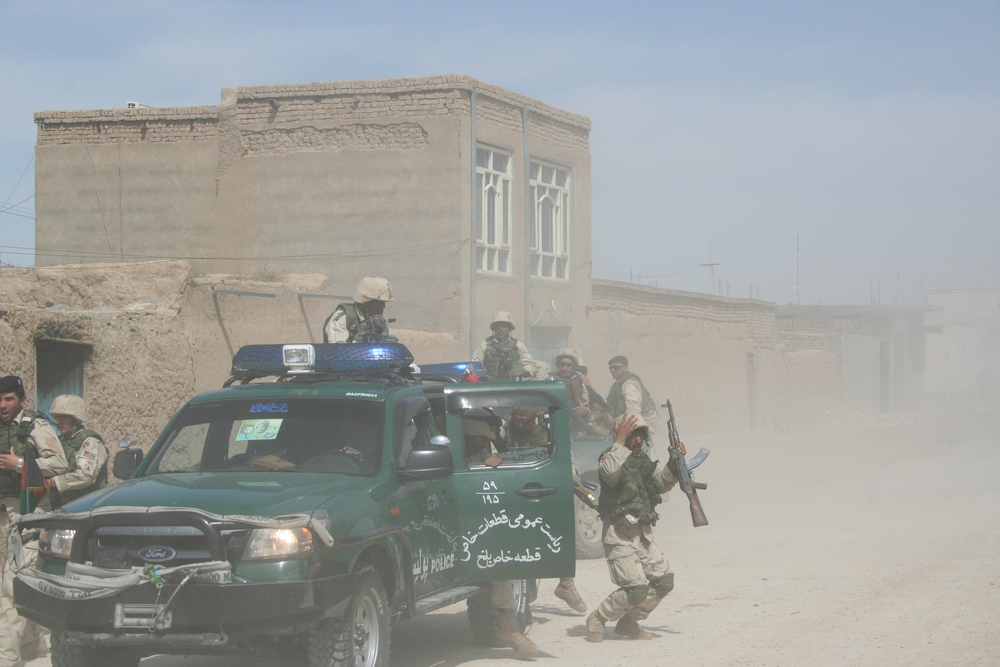
Afghanistan remains one of the world’s most dangerous destinations due to ongoing terrorism, political instability, and the risk of wrongful detention.
Since the Taliban regained control, security concerns have intensified. Terrorist attacks, kidnappings, and violent incidents continue to occur across the country. Foreign nationals face heightened risks, while women encounter severe restrictions on movement and personal freedoms.
Limited diplomatic support and challenging evacuation conditions further increase the dangers for travelers.
2. Belarus
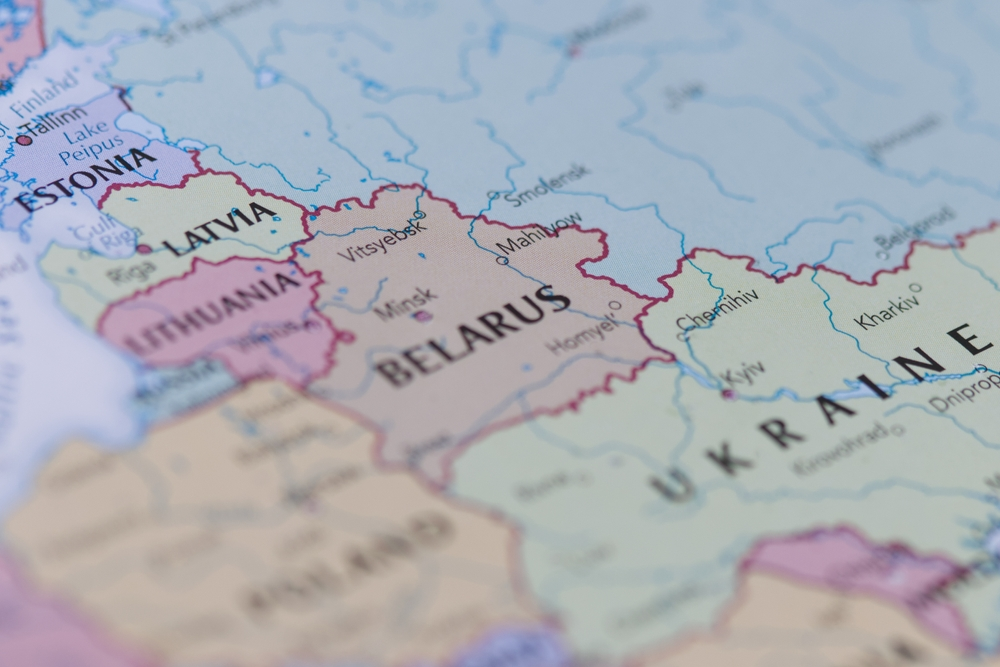
Belarus continues to raise concerns due to political repression and regional instability.
Authorities have been accused of arbitrarily detaining both citizens and foreign visitors. Civil liberties remain heavily restricted, and public demonstrations are often met with force.
Its close relationship with Russia and proximity to the conflict in Ukraine add another layer of uncertainty, making travel to Belarus increasingly risky.
3. Burkina Faso
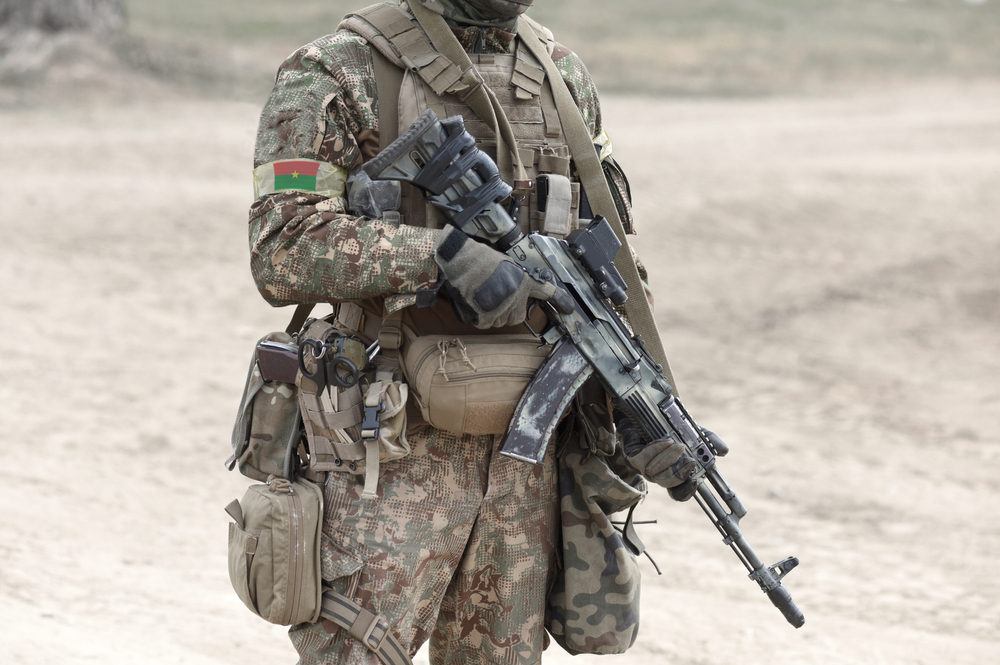
Security conditions in Burkina Faso have deteriorated significantly in recent years.
Armed extremist groups regularly carry out attacks targeting civilians, security forces, and foreign nationals. Kidnappings, robberies, and violent incidents are common, particularly outside major urban centers.
Travelers may face limited access to emergency services and medical care if problems arise.
4. Myanmar (Burma)
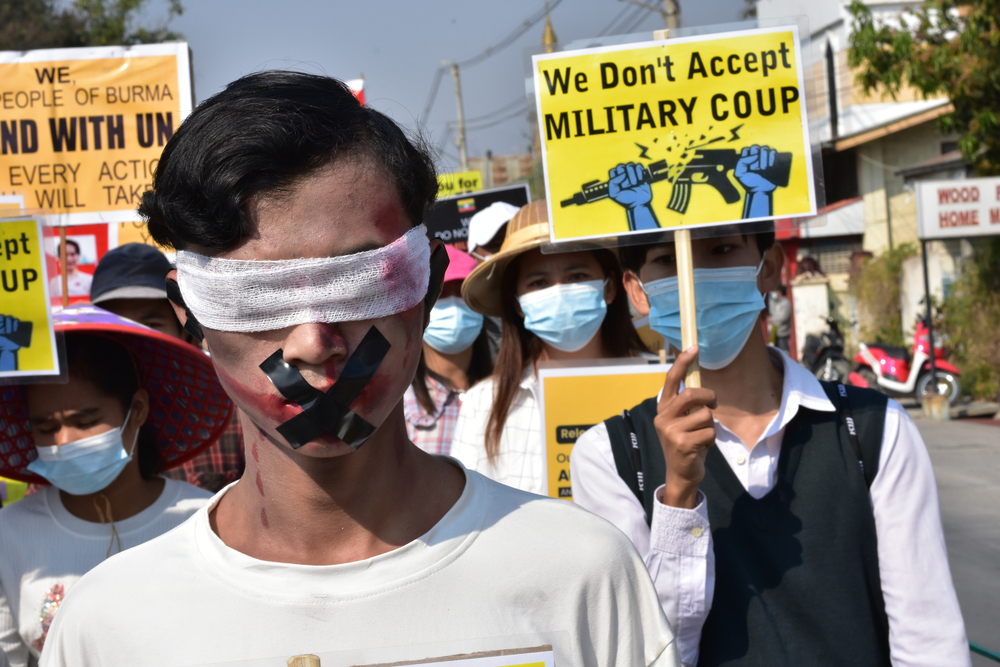
Myanmar has experienced ongoing instability since the military takeover in 2021.
Violent clashes between military forces and opposition groups continue throughout the country. Political arrests, restrictions on civil liberties, and sudden security crackdowns have become common.
Bombings and armed confrontations can occur with little warning, creating significant risks for visitors.
5. Central African Republic
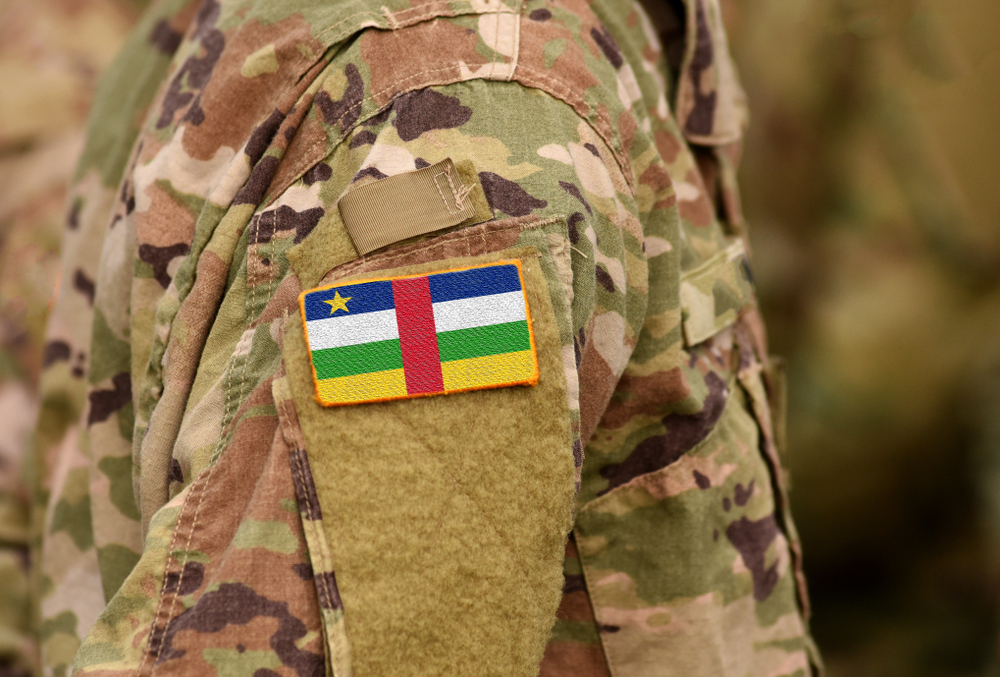
Years of conflict have left the Central African Republic vulnerable to violence and instability.
Armed groups remain active throughout large portions of the country, particularly outside the capital. Travelers face risks from armed robberies, kidnappings, and clashes between rival factions.
Infrastructure remains weak, making emergency assistance difficult to access.
6. Democratic Republic of the Congo
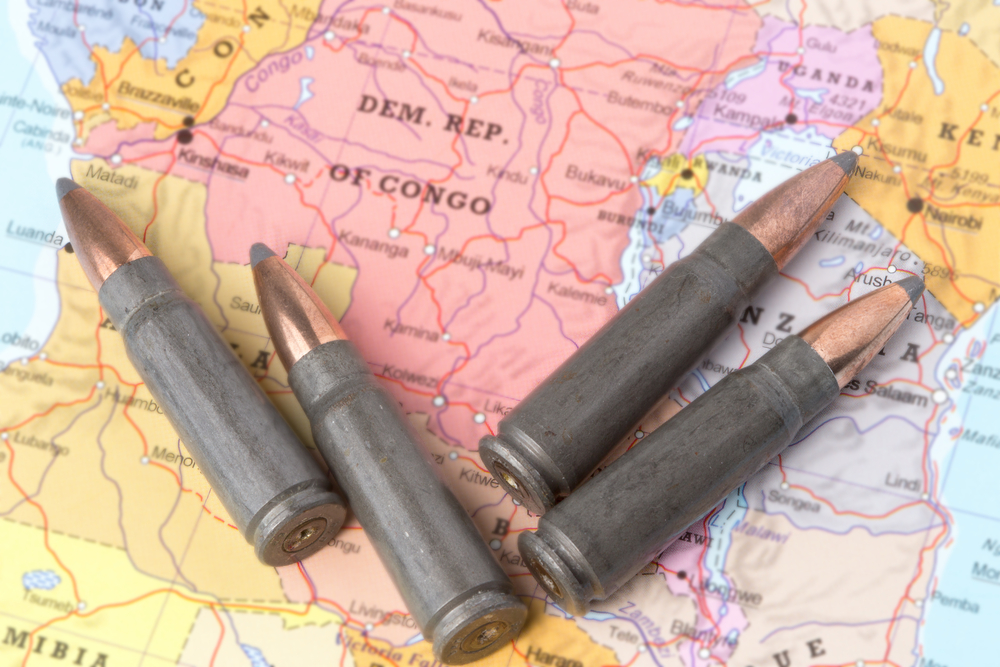
The Democratic Republic of the Congo continues to struggle with armed conflict, especially in its eastern regions.
Numerous militias and rebel groups operate throughout the area, contributing to violence, displacement, and insecurity. Kidnappings, attacks on civilians, and criminal activity remain serious concerns.
Public health challenges and limited medical resources further complicate travel conditions.
7. Haiti
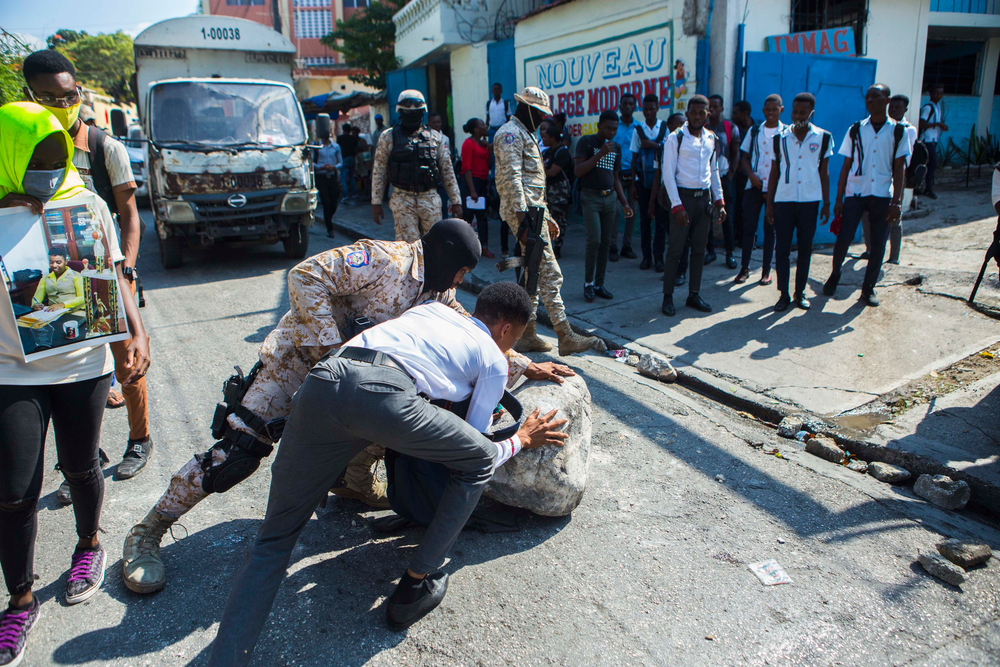
Haiti is facing a severe crisis fueled by gang violence, political instability, and economic hardship.
Criminal groups control large areas of the capital and frequently engage in kidnappings, armed attacks, and extortion. Essential services such as healthcare, transportation, and public safety have been severely disrupted.
The ongoing humanitarian situation makes travel particularly hazardous.
8. Iran
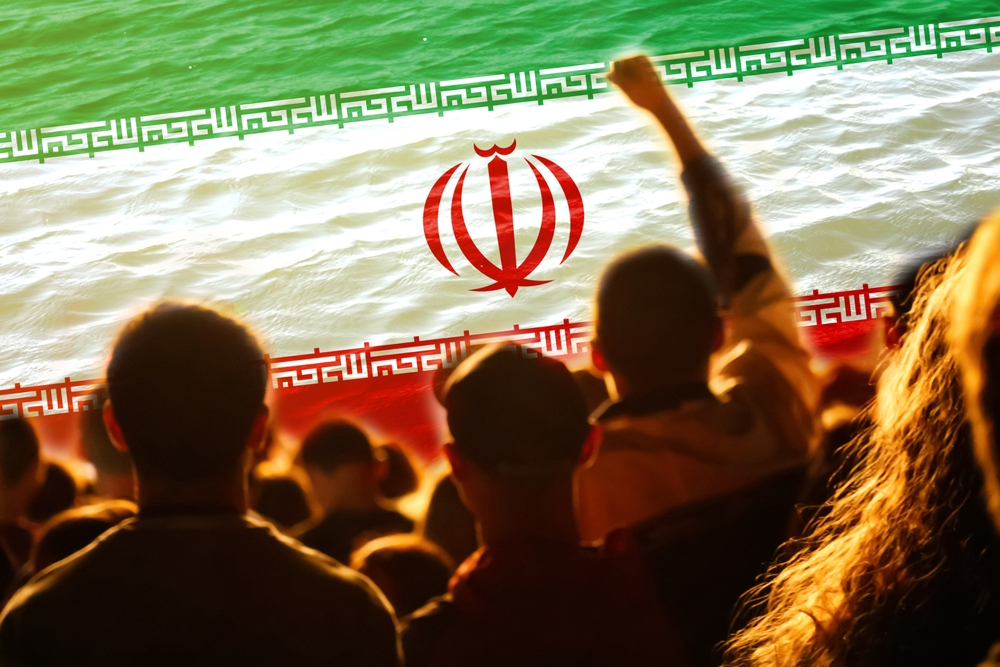
Iran remains a high-risk destination for American citizens.
Foreign nationals, including dual citizens, have faced detention under disputed circumstances. Government surveillance is widespread, and civil unrest periodically erupts across the country.
Political tensions between Iran and the United States also contribute to heightened risks for American travelers.
9. Iraq
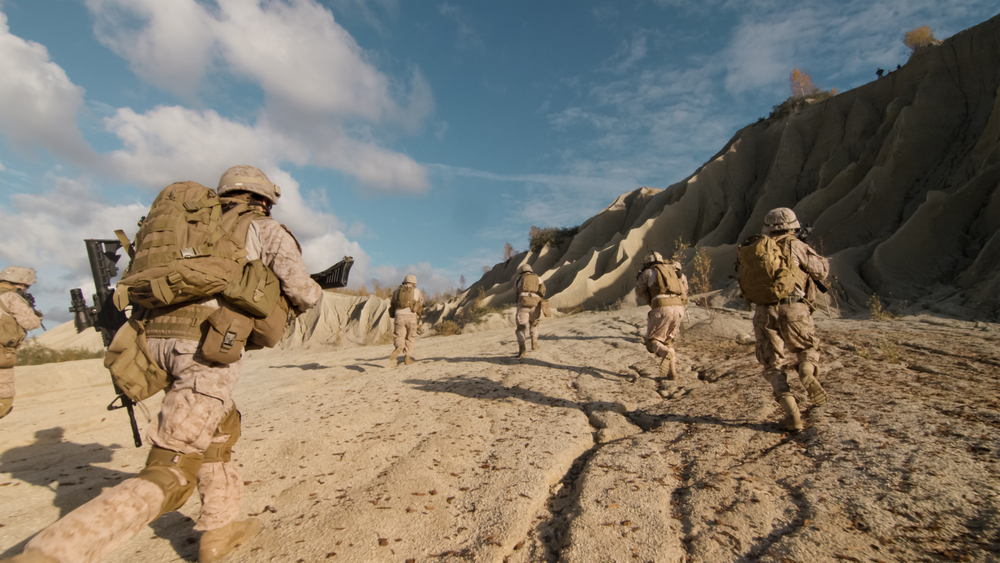
Although some areas have seen improvements, Iraq continues to face serious security challenges.
Terrorist organizations, militia groups, and ongoing political tensions create an unpredictable environment. Rocket attacks, bombings, and kidnappings remain concerns in various parts of the country.
Infrastructure issues and limited emergency support add to the risks.
10. Lebanon

Lebanon is grappling with economic collapse, political instability, and regional security threats.
Frequent protests, shortages of essential services, and ongoing tensions along its borders have increased uncertainty. Armed groups continue to operate within the country, and violence can escalate unexpectedly.
Travelers may encounter disruptions to transportation, healthcare, and communication services.
11. Libya
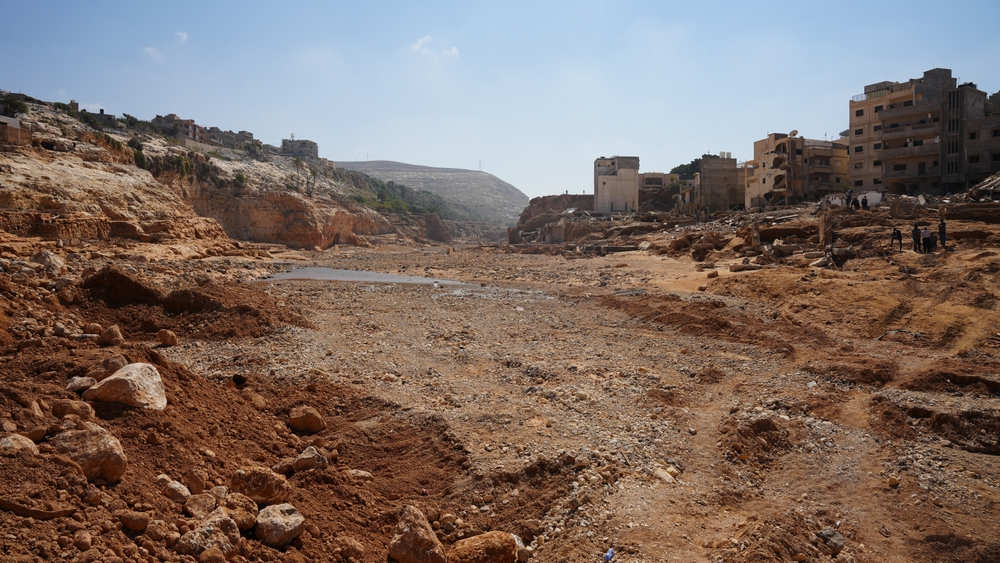
Libya remains deeply unstable following years of conflict and political fragmentation.
Competing armed factions continue to control different regions, and kidnappings, armed clashes, and criminal activity remain common.
The absence of reliable government authority and limited diplomatic support make Libya one of the region’s most dangerous destinations.
12. Mali
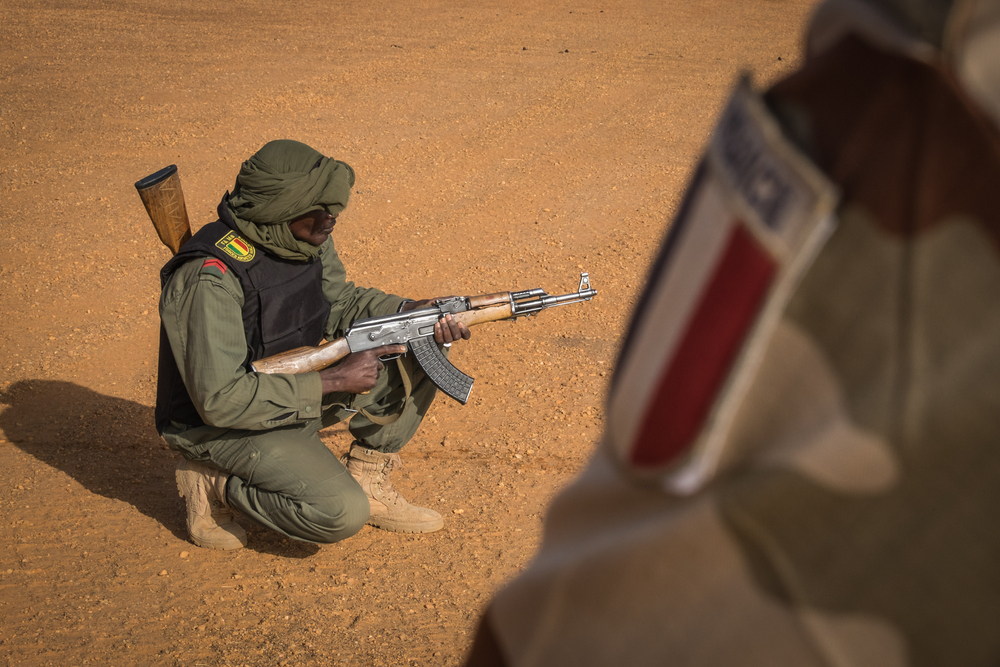
Mali faces persistent threats from terrorism and armed insurgencies.
Extremist groups frequently target civilians, security forces, and foreign interests. Kidnappings for ransom remain a major concern, particularly in remote areas.
The country’s fragile security situation has prompted ongoing international warnings against travel.
13. North Korea
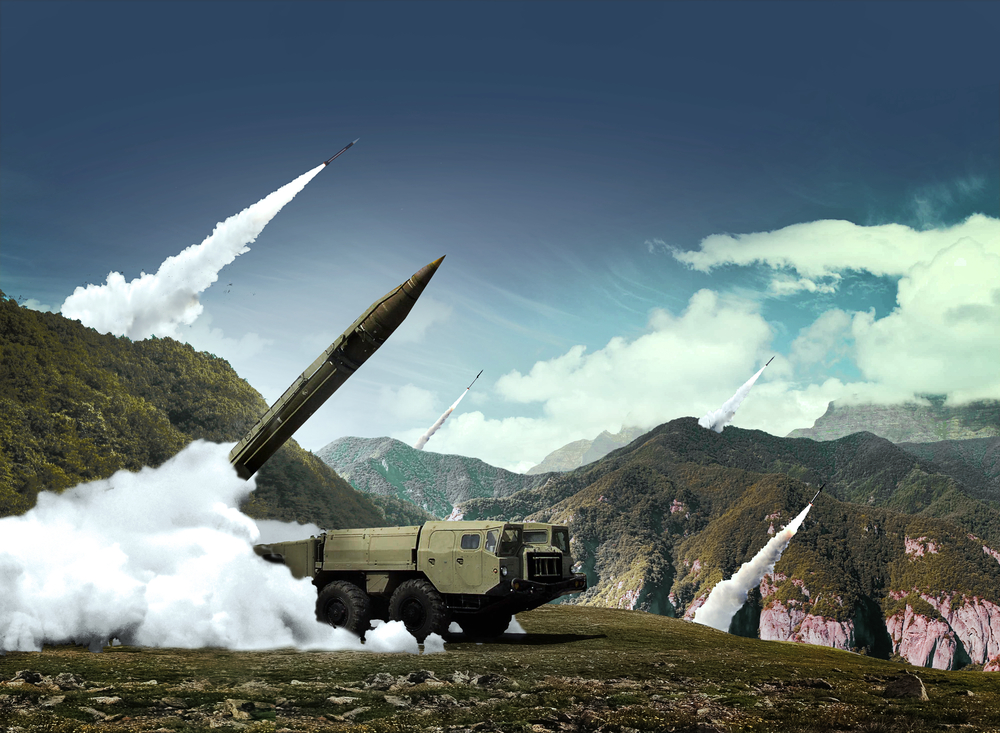
North Korea remains one of the world’s most restrictive and unpredictable countries.
Visitors face intense government monitoring, severe legal consequences for minor infractions, and limited access to outside communication.
The lack of diplomatic support for U.S. citizens significantly increases the risks associated with travel to the country.
14. Russia
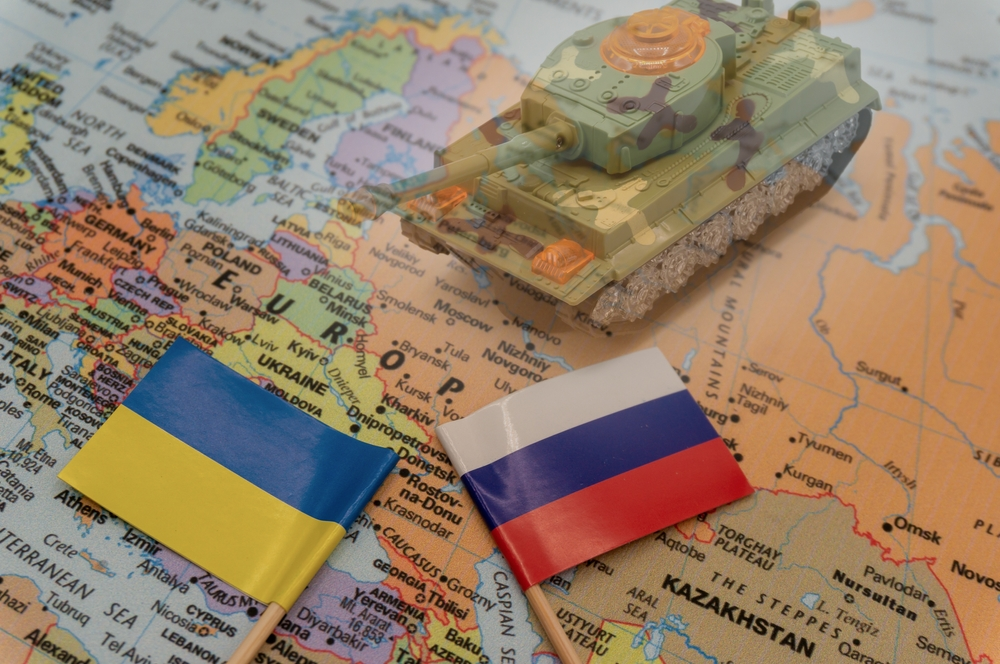
Russia’s ongoing conflict with Ukraine has contributed to growing safety concerns for travelers.
Americans may face heightened scrutiny, restrictions, and difficulties accessing consular services. Political tensions, military activity, and the possibility of arbitrary detention have all contributed to the current advisory status.
The overall security environment remains uncertain.
15. Somalia
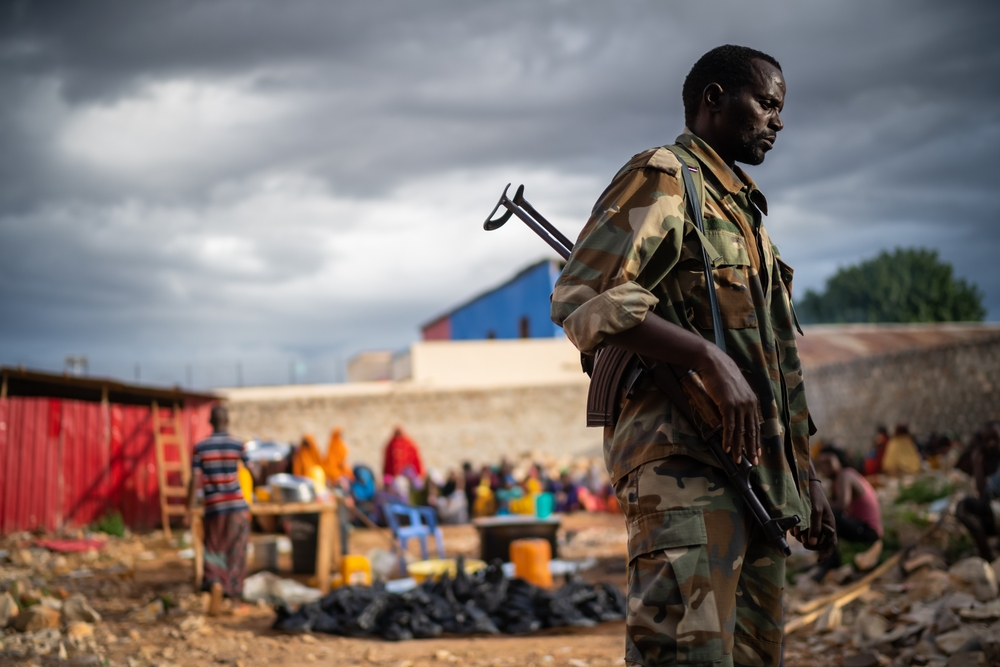
Somalia continues to struggle with terrorism, armed conflict, and political instability.
Extremist organizations such as al-Shabaab remain active and frequently conduct attacks targeting civilians and government facilities.
Weak infrastructure, limited emergency services, and high kidnapping risks make travel extremely dangerous.
16. South Sudan
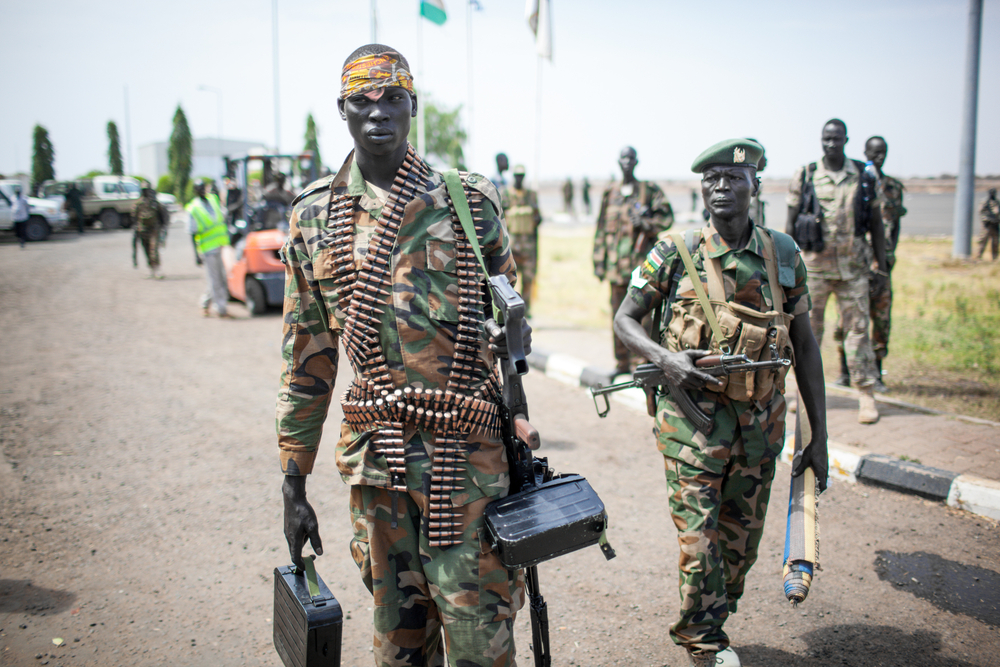
South Sudan faces ongoing violence fueled by political disputes and ethnic conflict.
Armed groups operate throughout much of the country, and attacks on civilians occur regularly. Humanitarian challenges, flooding, and poor infrastructure further complicate safety conditions.
Travel disruptions are common, making emergency evacuations difficult.
17. Sudan
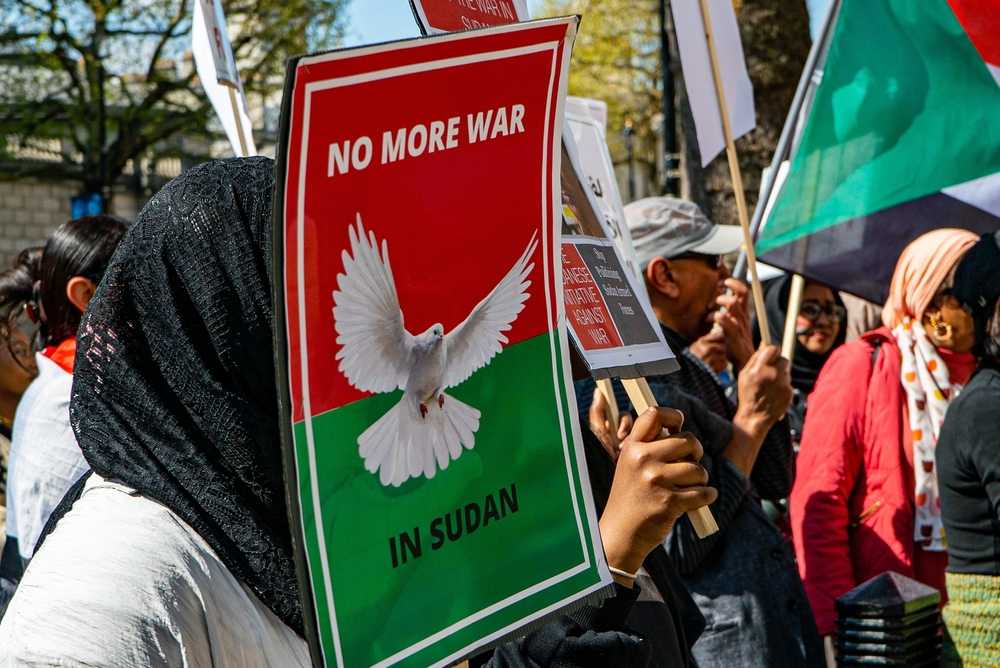
Sudan remains engulfed in a devastating conflict between rival military factions.
Heavy fighting in major population centers has resulted in widespread casualties, displacement, and infrastructure damage. Access to food, healthcare, and transportation has been severely disrupted.
The rapidly changing security situation presents significant risks for foreigners.
18. Syria

More than a decade of conflict has left Syria highly unstable.
Violence continues in many regions, with airstrikes, armed clashes, and terrorist activity posing ongoing threats. Foreign nationals face risks from detention, kidnapping, and military operations.
The country’s infrastructure remains heavily damaged, limiting access to basic services.
19. Ukraine
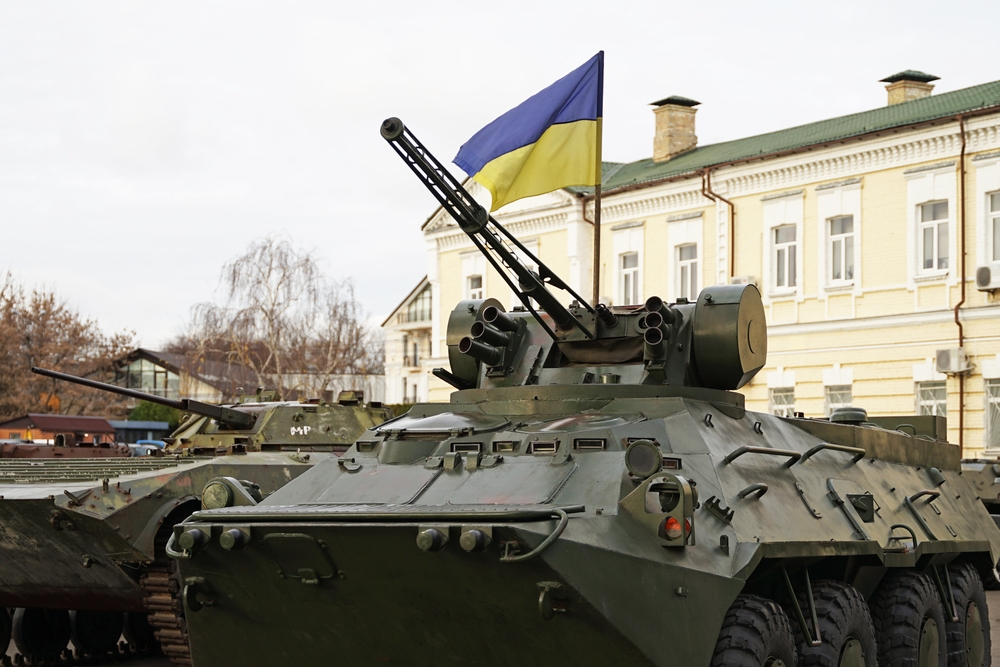
Ukraine continues to face significant dangers due to the ongoing war with Russia.
Missile attacks, artillery strikes, and military operations affect both frontline areas and regions far from active combat zones. Landmines and unexploded ordnance remain widespread hazards.
Conditions can change rapidly, making travel unpredictable and dangerous.
20. Venezuela

Venezuela continues to experience economic instability, political tensions, and high levels of violent crime.
Kidnappings, armed robberies, and civil unrest remain concerns for both residents and visitors. Shortages of food, medicine, and public services have also contributed to difficult living conditions.
Foreign travelers may face additional risks related to detention and political unrest.
21. Yemen
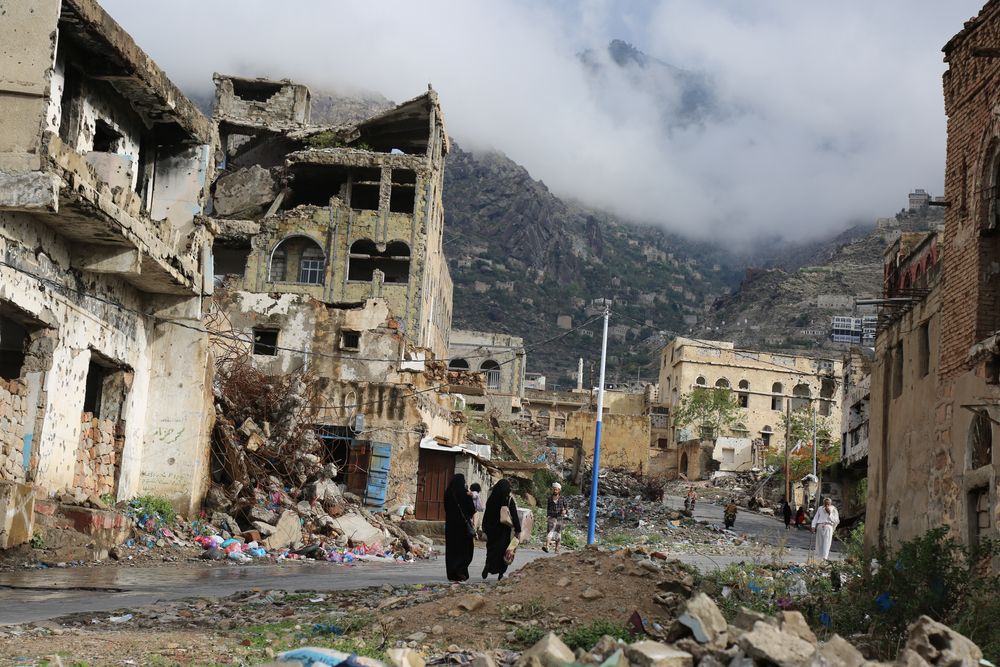
Yemen remains one of the world’s most dangerous countries due to its prolonged civil war.
Airstrikes, armed clashes, terrorism, and widespread humanitarian crises continue to affect much of the nation. Infrastructure has been severely damaged, limiting access to medical care, transportation, and communication.
Foreigners face significant risks of kidnapping, detention, and becoming caught in active conflict zones.
Why Travel Advisories Matter
Travel advisories are designed to help people make informed decisions before visiting another country. While many destinations on this list offer remarkable history, culture, and natural beauty, current conditions present risks that can quickly escalate beyond a traveler’s control.
Threats such as terrorism, political violence, wrongful detention, and armed conflict are often unpredictable and difficult to avoid once inside a country.
Final Thoughts
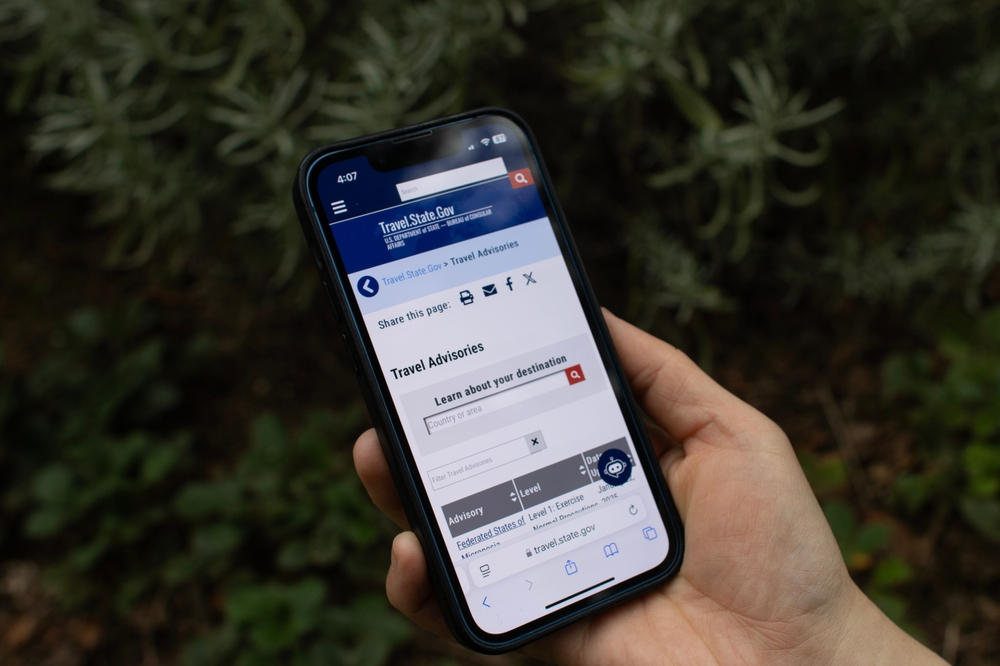
International travel remains one of the most rewarding ways to experience the world, but safety should always come first. The U.S. government’s Level 4 “Do Not Travel” advisories are issued only when conditions pose severe risks to visitors.
Before planning any international trip, travelers should review the latest government guidance, monitor developing situations, and consider safer alternatives when necessary.
Staying informed is one of the most effective ways to protect yourself while exploring the world. As global events continue to evolve, checking official travel advisories before departure should be an essential part of every travel plan.







