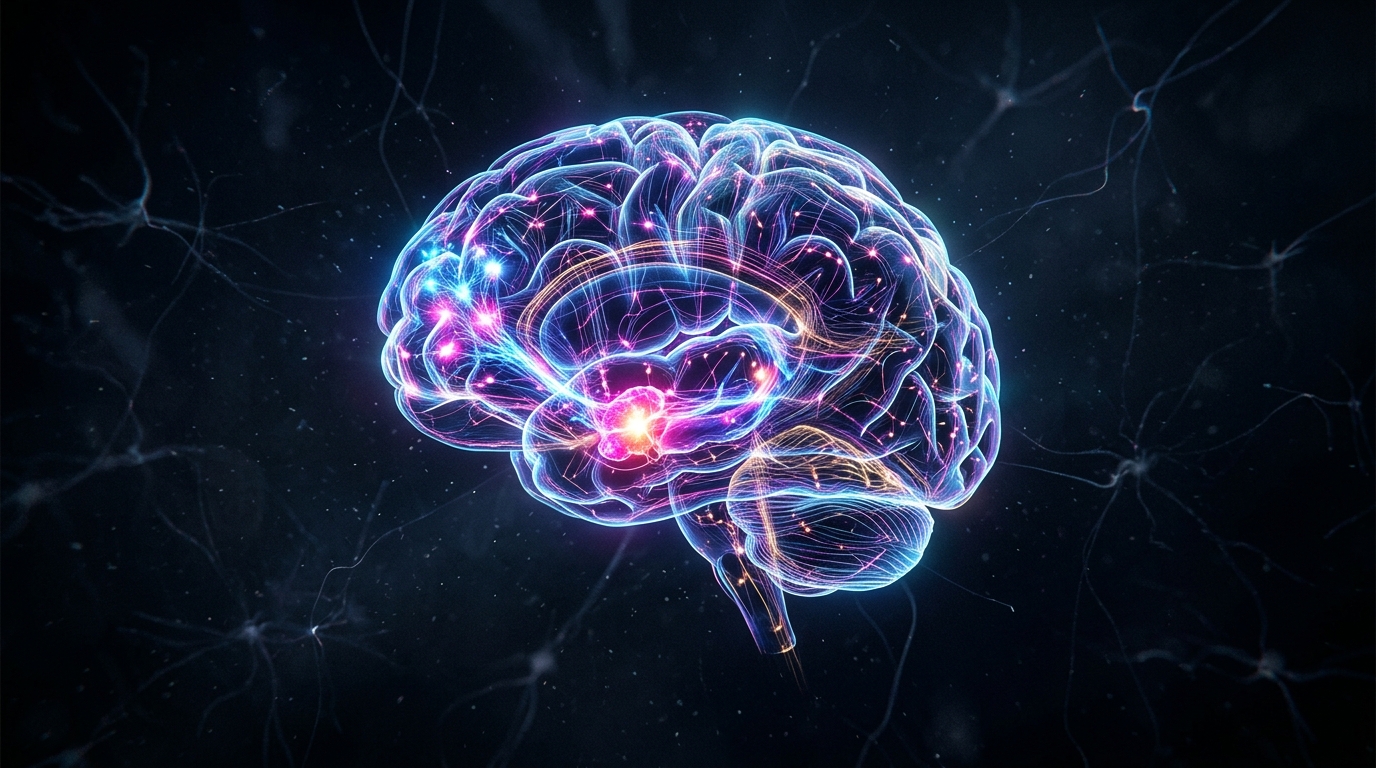
Dreams have fascinated humanity for thousands of years. From ancient civilizations that viewed dreams as messages from the gods to modern scientists investigating the sleeping brain, people have long wondered why we dream and what those dreams mean. While many mysteries remain, advances in brain imaging technology have transformed dream research, allowing scientists to observe the brain in action during sleep like never before.
Using tools such as functional magnetic resonance imaging (fMRI), electroencephalography (EEG), positron emission tomography (PET), and other advanced techniques, researchers are uncovering remarkable details about how dreams form, what parts of the brain are involved, and how dreaming may contribute to memory, learning, and emotional health.
Here are 11 research-backed insights into brain imaging and dream research that are changing our understanding of the sleeping mind.
1. Dreaming Activates Many Areas of the Brain
Contrary to the old belief that the brain “shuts down” during sleep, brain imaging studies reveal that several regions remain highly active while we dream.
Areas involved in visual processing, memory, emotions, and sensory experiences often show significant activity during dreaming. In some sleep stages, certain parts of the brain can be nearly as active as they are during wakefulness.
This discovery highlights that sleep is not a passive state but a period of intense neurological activity.
2. REM Sleep Is Closely Linked to Vivid Dreams
Rapid Eye Movement (REM) sleep is the stage most commonly associated with vivid and story-like dreams.
Brain imaging shows increased activity in regions connected to visual imagery and emotional processing during REM sleep. At the same time, some areas responsible for logical reasoning and self-control may become less active.
This unique pattern helps explain why dreams can feel emotionally intense while often containing unusual or impossible events that seem perfectly normal at the time.
3. The Visual Cortex Plays a Major Role in Dream Creation
Many dreams contain detailed scenes, faces, objects, and environments. Imaging studies suggest that the visual cortex—the part of the brain responsible for processing visual information—is highly active during dreaming.
Even though the eyes are closed and no external images are being received, the brain generates its own internal visual experiences, creating the vivid worlds we encounter while asleep.
This activity helps explain why dreams can sometimes feel remarkably realistic.
4. Emotional Centers Become Highly Active During Dreams
Research consistently shows increased activity in brain regions associated with emotions, particularly structures within the limbic system.
Areas such as the amygdala, which helps process emotional responses, often become more active during dream-rich sleep stages. This may explain why dreams frequently involve fear, excitement, joy, anxiety, or other strong emotions.
Scientists believe dreaming may help the brain process emotional experiences from daily life.
5. The Prefrontal Cortex Often Becomes Less Active
One of the most intriguing findings from brain imaging studies involves the prefrontal cortex, a region associated with decision-making, logical thinking, and self-awareness.
During many dreams, especially in REM sleep, activity in this area decreases. Researchers believe this reduced activity may contribute to the bizarre storylines and unusual scenarios commonly experienced in dreams.
It may also explain why dreamers often accept impossible events without questioning them.
6. Brain Imaging Has Helped Predict Dream Content
In recent years, scientists have made surprising progress in identifying patterns of brain activity linked to specific dream elements.
By analyzing imaging data and comparing it with participants’ dream reports after waking, researchers have been able to predict certain categories of dream content with greater accuracy than previously thought possible.
Although researchers cannot yet “watch” dreams like movies, these findings suggest that decoding aspects of dream experiences may become increasingly sophisticated in the future.
7. Dreams May Support Memory Consolidation
Many neuroscientists believe dreaming plays a role in strengthening and organizing memories.
Brain imaging studies show that regions involved in memory processing remain active during sleep. Researchers have observed patterns suggesting that the brain may revisit and reorganize information acquired during waking hours.
This process may help integrate new knowledge, reinforce learning, and improve long-term memory storage.
8. Dream Research Reveals Links Between Sleep and Creativity
Some studies suggest that dreaming may contribute to creative thinking and problem-solving.
Brain imaging indicates that networks involved in memory, imagination, and association interact during sleep in unique ways. These interactions may allow the brain to combine ideas and experiences that would not normally be connected during waking consciousness.
Many artists, inventors, and scientists have reported gaining creative insights from dreams, and modern research provides possible neurological explanations for these experiences.
9. Lucid Dreaming Shows Unique Brain Activity Patterns
Lucid dreaming occurs when a person becomes aware that they are dreaming while the dream is still happening.
Brain imaging studies reveal that lucid dreams often involve increased activity in regions associated with self-awareness and higher cognitive functions compared to ordinary dreaming.
These findings suggest that lucid dreaming represents a distinct state of consciousness that combines elements of both dreaming and wakefulness.
10. Sleep Disorders Have Expanded Dream Research
Brain imaging has provided valuable insights into conditions that affect dreaming and sleep behavior.
Researchers studying disorders such as narcolepsy, REM sleep behavior disorder, insomnia, and nightmares have discovered unique patterns of brain activity associated with these conditions. Understanding these differences helps scientists learn more about how healthy dreaming normally occurs.
This research may also contribute to improved diagnosis and treatment strategies for sleep-related disorders.
11. Scientists Still Do Not Fully Understand Why We Dream
Despite decades of research and increasingly sophisticated imaging technology, one fundamental question remains unanswered: Why do humans dream?
Several theories exist. Some researchers believe dreams help process emotions, while others suggest they support memory, learning, threat simulation, or cognitive development. It is also possible that dreaming serves multiple functions simultaneously.
Brain imaging has provided extraordinary insights into how dreaming occurs, but the ultimate purpose of dreams remains one of neuroscience’s most intriguing mysteries.
How Brain Imaging Revolutionized Dream Research
Before modern imaging technologies, dream research relied heavily on subjective reports from individuals after waking. While these reports remain valuable, brain imaging has added an objective layer of evidence that allows scientists to observe neural activity directly.
Techniques such as fMRI, EEG, PET scans, and magnetoencephalography (MEG) have enabled researchers to map brain activity during different sleep stages and identify networks involved in dreaming. These tools have transformed dream science from speculation into a rapidly advancing field of neuroscience.
As imaging methods continue to improve, researchers may gain even deeper insights into the relationship between brain activity and dream experiences.
Conclusion
Dreams remain one of the most fascinating aspects of human consciousness, and brain imaging technology is helping scientists uncover their underlying mechanisms. Research has shown that dreaming involves complex interactions among brain regions responsible for memory, emotion, imagination, and perception.
From the highly active visual cortex and emotional centers to the reduced activity of logical reasoning networks, modern neuroscience is revealing how the brain creates the vivid experiences we encounter while asleep. While many questions remain, each new discovery brings researchers closer to understanding one of the mind’s greatest mysteries.
As dream research continues to evolve, brain imaging will undoubtedly play a central role in revealing how and why our sleeping brains create the extraordinary worlds we experience every night.







