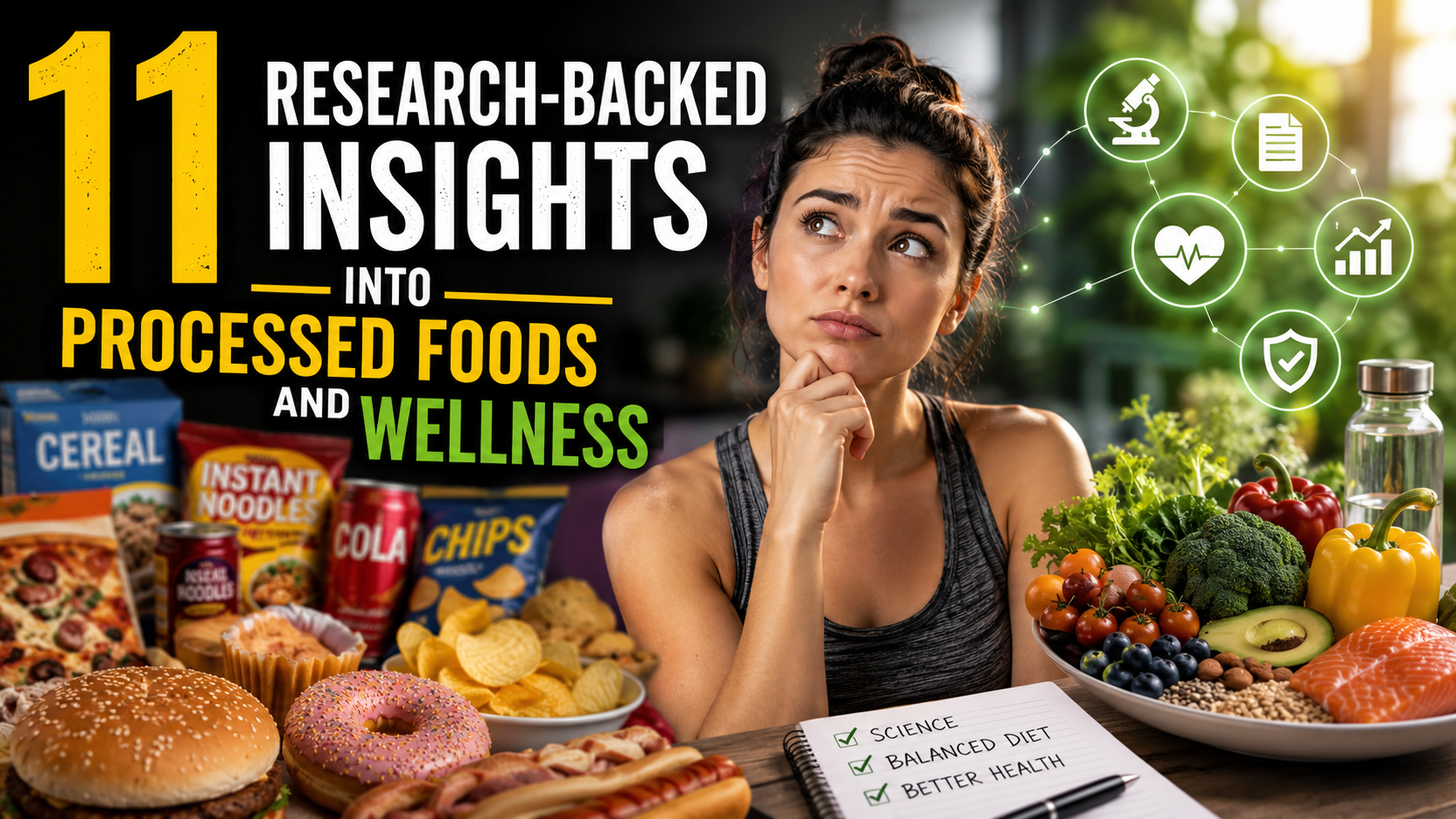
Processed foods have become a major part of modern life. Whether it’s packaged snacks, frozen meals, deli meats, breakfast cereals, protein bars, or ready-to-eat dinners, convenience foods are everywhere. For busy families and working professionals, these products often provide quick and affordable meal solutions.
Yet processed foods remain one of the most debated topics in nutrition. Some experts warn about the potential health effects of heavily processed products, while others point out that not all processed foods are created equal. The reality is far more nuanced than many headlines suggest.
Food processing exists on a spectrum. Washing vegetables, freezing fruit, pasteurizing milk, and canning beans are all forms of processing. At the same time, some foods undergo extensive industrial manufacturing and contain numerous additives, preservatives, flavor enhancers, and refined ingredients.
As researchers continue to study how diet affects long-term health, several important findings have emerged. Here are 11 research-backed insights that can help you better understand the relationship between processed foods and overall wellness.
1. Not All Processed Foods Are the Same
One of the biggest misconceptions in nutrition is that all processed foods should be treated equally.
In reality, food processing ranges from minimal to extensive.
For example:
- Frozen vegetables
- Plain yogurt
- Canned beans
- Whole-grain bread
- Pasteurized milk
are technically processed foods. Yet many nutrition experts consider these products useful components of a balanced diet.
On the other hand, some highly processed foods contain long ingredient lists, added sugars, refined starches, artificial flavorings, and preservatives designed primarily to improve taste, texture, and shelf life.
Research increasingly suggests that the degree of processing matters more than the simple fact that a food has been processed.
2. Convenience Often Drives Consumer Choices
Researchers consistently find that convenience is one of the strongest factors influencing food decisions.
Modern lifestyles are busy. Many people juggle work, family responsibilities, commuting, and countless daily tasks. As a result, convenience often becomes a priority when selecting meals and snacks.
Food manufacturers have responded by creating products that require little preparation and offer immediate satisfaction.
While convenience itself is not harmful, studies suggest that regularly relying on heavily processed options may reduce overall dietary quality when healthier alternatives are consistently replaced.
Understanding this connection can help consumers make more intentional choices.
3. Highly Processed Foods Often Contain More Added Ingredients
One common characteristic of ultra-processed foods is the presence of ingredients rarely used in home cooking.
Researchers have noted that many heavily processed products contain combinations of:
- Added sugars
- Refined oils
- Emulsifiers
- Stabilizers
- Artificial flavors
- Preservatives
- Color additives
These ingredients are often included to improve texture, appearance, consistency, or shelf life.
Although individual ingredients may be approved for use and considered safe within established limits, scientists continue studying how long-term dietary patterns involving large amounts of highly processed foods may influence health outcomes.
4. Portion Sizes Have Increased Over Time
Another important finding relates to portion size.
Many processed food products are designed for convenience and portability, but serving sizes have often expanded over the years.
Research suggests larger portions can encourage people to consume more calories than they realize.
This phenomenon is not unique to processed foods, but packaged products often make portion awareness more challenging because serving recommendations may differ from actual consumption habits.
Becoming familiar with serving sizes can help consumers make more informed decisions.
5. Dietary Patterns Matter More Than Individual Foods
Nutrition research increasingly focuses on overall eating patterns rather than isolated foods.
A single packaged snack or processed meal is unlikely to determine a person’s long-term health outcome. Instead, researchers examine dietary habits over months, years, and even decades.
Someone who occasionally enjoys processed foods as part of an otherwise balanced diet may experience different outcomes than someone whose diet consists primarily of heavily processed products.
This broader perspective helps explain why experts often emphasize consistency and dietary quality over perfection.
Healthy eating is generally about patterns, not isolated choices.
6. Fiber Intake Often Declines in Highly Processed Diets
Fiber is one of the most important nutrients for digestive health, yet many people consume less than recommended.
Research shows that diets dominated by highly processed foods often contain lower amounts of dietary fiber compared to diets rich in fruits, vegetables, legumes, nuts, and whole grains.
Fiber contributes to:
- Digestive regularity
- Satiety
- Blood sugar management
- Heart health
- Gut microbiome support
When processed foods replace whole foods, fiber intake may decline, potentially affecting multiple aspects of health.
This is one reason nutrition experts frequently encourage increasing consumption of minimally processed plant foods.
7. Food Labels Can Reveal Important Information
Studies show that many consumers make purchasing decisions without thoroughly reviewing nutrition labels.
However, ingredient lists and nutrition facts panels often provide valuable insights into product composition.
Research suggests consumers who regularly read labels may become more aware of:
- Added sugars
- Sodium content
- Calorie density
- Ingredient quality
- Serving sizes
Label literacy allows individuals to compare products and make choices that align with personal health goals.
Even a quick review of ingredients can reveal meaningful differences between seemingly similar products.
8. Marketing Can Influence Perception
Researchers studying consumer behavior have repeatedly found that marketing significantly influences how people view food products.
Words such as:
- Natural
- Healthy
- Premium
- Clean
- High-protein
- Organic
can shape perceptions before consumers examine actual nutritional content.
While many products bearing these claims may offer benefits, marketing language alone does not guarantee nutritional quality.
This insight highlights the importance of evaluating products based on evidence rather than packaging promises.
Smart consumers learn to balance marketing messages with objective information.
9. The Gut Microbiome Appears to Be Influenced by Diet
The gut microbiome has become one of the most exciting areas of nutrition research.
Scientists now understand that trillions of microorganisms living in the digestive system influence numerous aspects of health, including digestion, immunity, metabolism, and potentially mood.
Research suggests dietary patterns rich in diverse plant foods tend to support a more varied microbial environment.
By contrast, diets low in fiber and heavily dependent on ultra-processed foods may provide fewer nutrients that beneficial gut bacteria use as fuel.
Although researchers continue investigating these relationships, the microbiome remains a major focus of modern nutrition science.
10. Whole Foods Often Provide More Nutritional Value
Many processed products are fortified with vitamins and minerals, which can help improve nutritional intake.
However, whole foods frequently offer complex combinations of nutrients that work together naturally.
For example:
- Fruits contain fiber, antioxidants, and phytonutrients.
- Vegetables provide vitamins, minerals, and beneficial plant compounds.
- Nuts and seeds offer healthy fats, protein, and micronutrients.
- Legumes contribute fiber, protein, and minerals.
Research generally supports dietary patterns that prioritize nutrient-dense whole foods while using processed products as supplements rather than dietary foundations.
Balance remains a recurring theme throughout nutrition science.
11. Small Dietary Improvements Can Have Meaningful Effects
Perhaps the most encouraging finding is that positive dietary changes do not require perfection.
Many studies suggest gradual improvements can produce meaningful benefits over time.
Examples include:
- Replacing sugary snacks with fruit more often
- Choosing whole-grain products when available
- Increasing vegetable intake
- Drinking more water
- Reducing reliance on heavily processed convenience foods
Small, sustainable habits tend to be easier to maintain than dramatic dietary overhauls.
Researchers frequently emphasize consistency because long-term habits often matter more than short-term efforts.
Why Processed Foods Continue to Be Studied
The growing interest in processed foods reflects broader concerns about chronic disease, obesity, cardiovascular health, diabetes, and overall wellness.
Researchers are not simply studying individual ingredients. They are investigating how modern food environments influence behavior, eating patterns, and long-term health outcomes.
As food technology continues evolving, understanding these relationships becomes increasingly important.
The goal is not to create fear around food but to identify dietary strategies that support healthier populations.
Practical Ways to Improve Your Diet
For those looking to reduce dependence on highly processed foods, experts often recommend simple steps:
- Cook more meals at home when possible.
- Increase fruit and vegetable intake.
- Read nutrition labels regularly.
- Compare ingredient lists.
- Choose whole grains more often.
- Include lean protein sources.
- Plan meals ahead of time.
- Keep healthy snacks available.
- Focus on consistency rather than perfection.
Small adjustments made consistently can add up over time.
Final Thoughts
Processed foods are deeply woven into modern life, and not all of them are problematic. Many processed products offer convenience, affordability, and accessibility. However, research increasingly suggests that dietary patterns dominated by heavily processed foods may affect overall wellness in ways scientists continue to investigate.
The most important lesson from current research is balance. Rather than viewing foods as strictly “good” or “bad,” experts encourage focusing on overall dietary quality. Prioritizing fruits, vegetables, whole grains, legumes, nuts, seeds, and other nutrient-dense foods while limiting excessive reliance on ultra-processed products may support better long-term health.
Ultimately, wellness is rarely determined by a single meal or snack. It is shaped by everyday habits, consistent choices, and a balanced approach to nutrition. Understanding what research says about processed foods can help consumers make more informed decisions and build healthier eating patterns that are both realistic and sustainable.