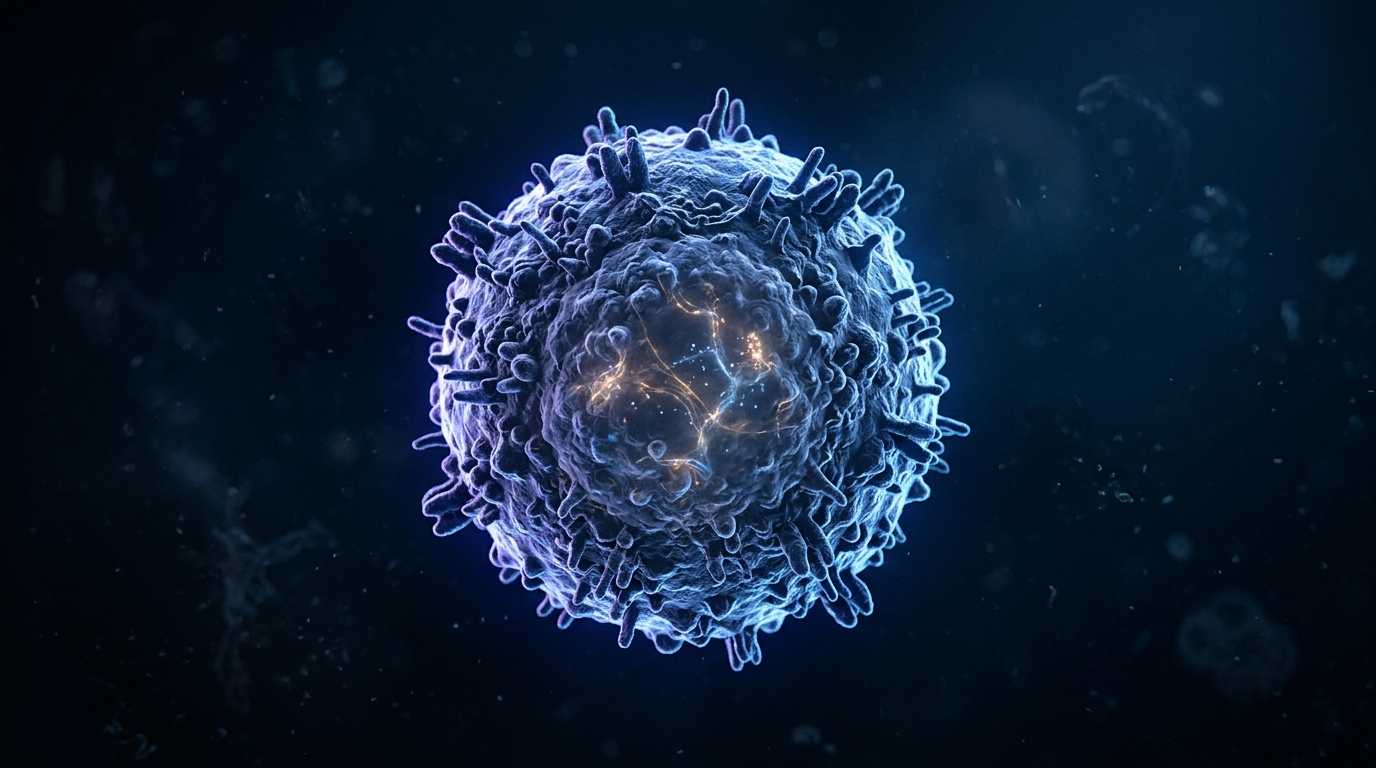
For decades, scientists have made remarkable progress in the fight against HIV. Modern antiretroviral therapy (ART) allows many people living with HIV to enjoy long, healthy lives, and these medications can suppress the virus to levels that are nearly undetectable. Yet despite these advances, HIV remains one of the most challenging viruses to eliminate completely.
One of the biggest reasons is the virus’s ability to persist inside certain immune cells, creating hidden reservoirs that can remain in the body for years. These reservoirs are a major obstacle to developing a cure and continue to be the focus of intense scientific research worldwide.
Here are 11 fascinating facts most people don’t realize about HIV persistence in immune cells.
1. HIV Can Hide Inside the Very Cells Meant to Fight Infection
The immune system is designed to identify and destroy harmful invaders. However, HIV has evolved a strategy that allows it to infect key immune cells, particularly CD4 T cells, which play a central role in coordinating immune responses.
By entering these cells, HIV effectively turns part of the immune system into a shelter where it can survive and replicate. This ability makes the virus exceptionally difficult to eliminate.
2. The Virus Can Remain Dormant for Years
One of HIV’s most remarkable features is its ability to enter a dormant, or latent, state. In this condition, the virus inserts its genetic material into a host cell’s DNA but remains inactive.
Because dormant HIV does not actively produce new viral particles, it can evade detection by both the immune system and many treatments. Some infected cells may survive for years, carrying hidden viral genetic material throughout that time.
3. Antiretroviral Therapy Does Not Remove Viral Reservoirs
Modern HIV medications are highly effective at preventing the virus from multiplying. However, these treatments generally cannot eliminate dormant HIV hidden within long-lived immune cells.
As a result, treatment can suppress viral activity to extremely low levels, but stopping medication may allow the virus to reactivate and begin replicating again from these reservoirs.
This is why consistent treatment remains essential for most people living with HIV.
4. Viral Reservoirs Are the Main Barrier to a Cure
Researchers widely consider latent HIV reservoirs to be the greatest obstacle to achieving a complete cure.
Even when blood tests show no detectable virus, small numbers of infected cells can still remain in the body. These reservoirs serve as a hidden source from which HIV can re-emerge if treatment stops.
Finding ways to identify and eliminate these reservoirs is one of the central goals of HIV cure research.
5. Reservoirs Can Exist in Multiple Parts of the Body
Many people assume HIV hides only in the bloodstream, but viral reservoirs can be found in various tissues throughout the body.
Scientists have identified infected cells in lymph nodes, the spleen, the gastrointestinal tract, and other tissues where immune cells naturally reside. Some evidence also suggests that certain anatomical locations may be especially difficult for immune responses and medications to fully reach.
This widespread distribution complicates eradication efforts.
6. Not All Infected Cells Behave the Same Way
HIV persistence is not a simple process involving identical infected cells. Different immune cell populations can harbor the virus in different ways.
Some infected cells may remain dormant for long periods, while others occasionally produce low levels of viral activity. Certain cell types appear more likely than others to survive and maintain latent infection.
Understanding these differences helps researchers design more targeted treatment strategies.
7. The Immune System Often Cannot Detect Latent HIV
The immune system is highly effective at recognizing cells actively producing viral proteins. However, latent HIV presents a unique challenge because infected cells may display few or no obvious signs of infection.
Without visible markers, these cells can remain largely invisible to immune defenses. This hidden status contributes significantly to the virus’s long-term persistence.
8. Scientists Are Exploring “Shock and Kill” Strategies
One promising area of research is known as the “shock and kill” approach.
The idea is to activate dormant HIV so infected cells begin producing viral proteins again. Once the virus becomes visible, the immune system or additional therapies may be able to target and destroy those cells.
While researchers have achieved encouraging results in laboratory studies, turning this concept into a reliable cure remains a complex challenge.
9. Another Approach Focuses on Permanently Silencing the Virus
Not all researchers believe dormant HIV must be eliminated completely.
Some are investigating a strategy often called “block and lock,” which aims to keep HIV permanently inactive. Instead of forcing the virus out of hiding, this method seeks to lock it into a dormant state indefinitely.
If successful, the virus would remain unable to reactivate even without continuous treatment.
10. Certain Individuals Have Provided Valuable Clues
A small number of people have achieved long-term HIV remission under unusual circumstances, offering important insights for scientists.
Some rare cases have involved individuals who received specialized stem cell transplants for certain cancers and later showed no detectable signs of active HIV. Others naturally control the virus far better than most people due to unique immune responses.
Studying these individuals helps researchers better understand what may be required to achieve durable remission or a future cure.
11. HIV Cure Research Is Advancing Faster Than Ever
Although a universally applicable cure remains elusive, progress in HIV research has accelerated dramatically in recent years.
Scientists are exploring gene-editing technologies, engineered immune cells, therapeutic vaccines, broadly neutralizing antibodies, and innovative approaches aimed at targeting viral reservoirs. Advances in molecular biology and immunology continue to reveal new details about how HIV persists and how it might eventually be defeated.
Each discovery brings researchers closer to understanding one of medicine’s most complex viral challenges.
Why HIV Persistence Matters
The ability of HIV to hide within immune cells is one of the primary reasons the virus remains difficult to cure. While current treatments can effectively suppress HIV and allow people to live long, healthy lives, the persistence of latent reservoirs means the virus can continue to exist beneath the surface.
This hidden survival strategy has shaped decades of research and continues to drive scientific efforts worldwide. By understanding how HIV persists, researchers can develop more effective therapies aimed at either eliminating these reservoirs or preventing them from ever reactivating.
Conclusion
HIV persistence in immune cells is a remarkable example of viral survival. By integrating itself into the DNA of long-lived immune cells and remaining dormant for extended periods, the virus can evade both immune defenses and existing treatments.
From hidden reservoirs and tissue sanctuaries to cutting-edge cure strategies, scientists are steadily uncovering the mechanisms that allow HIV to endure. While significant challenges remain, ongoing research continues to provide hope that future breakthroughs may one day make long-term remission—or even a cure—a reality.
Understanding these lesser-known aspects of HIV persistence highlights both the complexity of the virus and the extraordinary efforts underway to overcome it.







