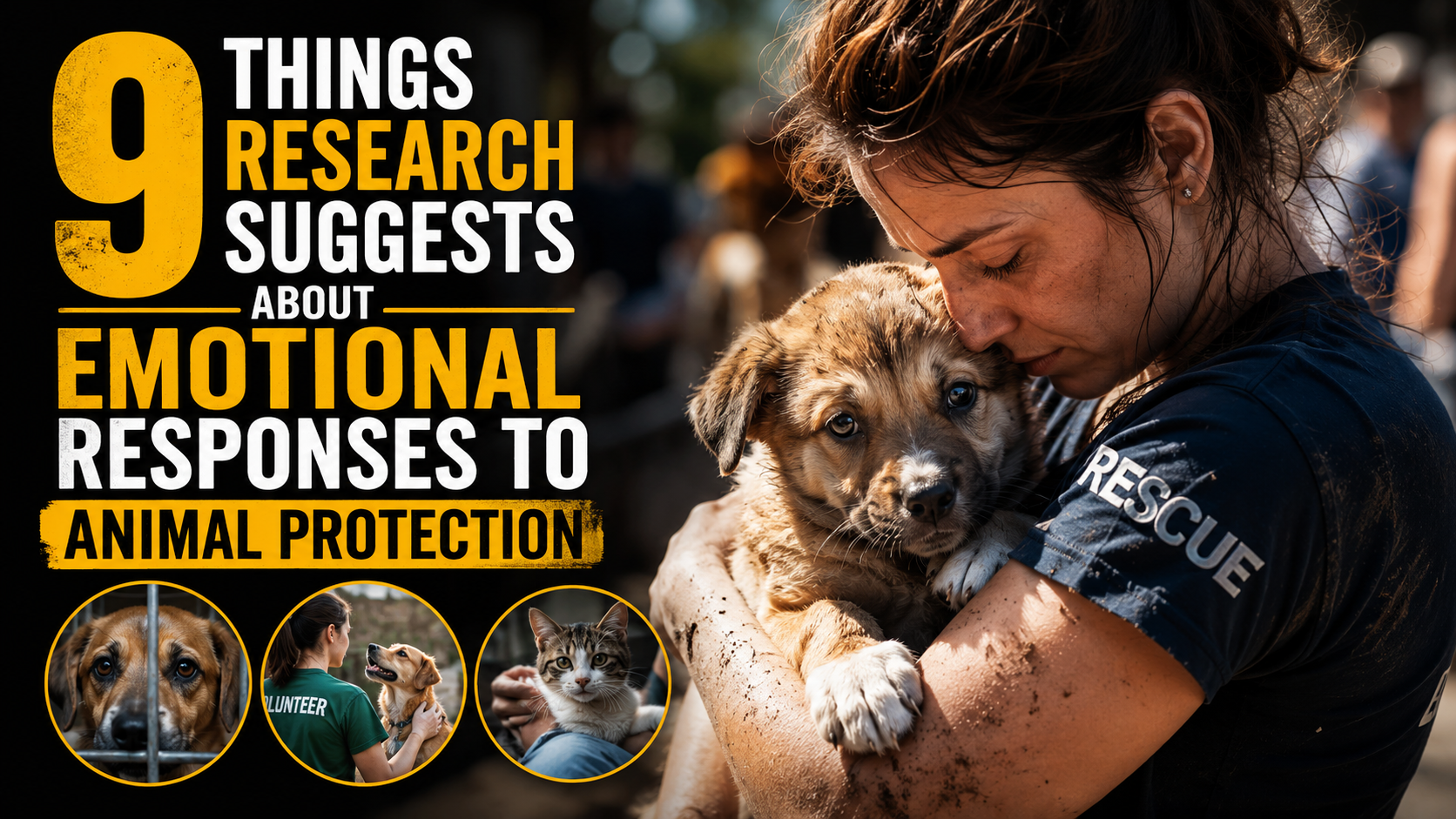
Stories about animals being rescued, protected, or saved from danger often go viral within minutes. Whether it’s a stray dog finding shelter, wildlife being rehabilitated, or humans stepping in to protect vulnerable animals, these narratives consistently spark strong emotional reactions across cultures and age groups.
But why do these stories affect us so deeply? Research in psychology, neuroscience, and media studies offers several explanations. Our emotional response is not random—it is shaped by how our brains process empathy, morality, and visual storytelling.
Below are nine research-backed insights into why animal protection stories trigger such powerful emotional reactions in humans.
1. Humans Are Biologically Wired for Empathy
One of the strongest findings in psychology is that humans are naturally empathetic beings. Our brains are designed to recognize suffering and respond emotionally to it.
When we see an animal in distress, the same emotional circuits activated during human suffering are triggered. This biological wiring explains why animal protection stories often feel personally meaningful, even when the viewer has no direct connection to the situation.
2. Visual Storytelling Intensifies Emotional Impact
Research shows that images and videos create stronger emotional responses than text alone. When animal protection stories include visual evidence—such as injured animals being rescued or rehabilitated—the emotional engagement increases significantly.
This is because the brain processes visuals faster than written information, making the emotional reaction more immediate and intense.
3. The “Cuteness Factor” Triggers Caregiving Instincts
Studies in evolutionary psychology suggest that certain physical traits—large eyes, small noses, soft features—activate caregiving instincts in humans.
Many animals, especially domestic pets and young wildlife, naturally trigger this response. As a result, people are more likely to feel protective and emotionally invested in their well-being.
4. Emotional Contagion Strengthens Engagement
Emotional contagion refers to the phenomenon where humans “catch” emotions from others. When people see rescuers expressing compassion or sadness in animal protection stories, they often mirror those emotions internally.
This shared emotional experience amplifies the overall impact of the story and encourages empathy-driven responses such as donations or support.
5. Moral Identity Influences Emotional Reaction
Research indicates that people are more emotionally responsive to stories that align with their moral values. For individuals who strongly value kindness, justice, or compassion, animal protection narratives feel especially powerful.
Supporting animals in need becomes a reflection of personal identity, reinforcing emotional engagement.
6. Stories of Rescue Activate Reward Systems in the Brain
Neuroscientific studies show that witnessing acts of kindness or rescue can activate the brain’s reward system, releasing chemicals associated with pleasure and satisfaction.
When an animal is saved or rehabilitated, viewers often experience a sense of emotional relief or happiness, reinforcing positive feelings toward similar stories in the future.
7. Personal Experience Shapes Emotional Sensitivity
People who have owned pets or grown up around animals tend to respond more strongly to animal protection stories. Their personal experiences create emotional memory connections that make such narratives feel more relatable.
This familiarity increases empathy and makes the suffering or recovery of animals more emotionally significant.
8. Narrative Structure Enhances Emotional Connection
Research in media psychology shows that structured storytelling—beginning, conflict, and resolution—helps audiences emotionally connect with content.
Animal protection stories often follow this pattern: an animal in danger, the struggle for survival, and finally, rescue or recovery. This structure keeps viewers emotionally engaged from start to finish.
9. Social Media Amplifies Emotional Reactions
The way content is shared online also plays a major role in emotional response. Social media platforms prioritize emotionally engaging content, which increases visibility and interaction.
When users see others reacting positively or emotionally to animal rescue stories, they are more likely to engage with the content themselves, creating a cycle of shared emotional experience.
Why Animal Protection Stories Resonate So Deeply
At their core, animal protection stories tap into fundamental aspects of human psychology: empathy, morality, and social connection. They remind us of vulnerability in the natural world and our ability to make a difference.
These stories are not just about animals—they reflect human values and emotional capacity. They show how compassion can extend beyond human relationships to include other living beings.
The Role of Emotion in Driving Action
One of the most important outcomes of emotionally powerful stories is action. Research shows that emotional engagement is a stronger predictor of charitable behavior than factual information alone.
When people feel emotionally connected to an animal protection story, they are more likely to donate, volunteer, or spread awareness. Emotion becomes the bridge between awareness and action.
Final Thoughts
Animal protection stories continue to resonate because they connect deeply with human psychology. From empathy and moral identity to brain chemistry and storytelling structure, multiple factors work together to shape our emotional response.
Understanding these psychological mechanisms helps explain why such stories are so widely shared and why they have such a strong impact on public behavior.
Ultimately, these narratives remind us of something deeply human: our capacity to care.







