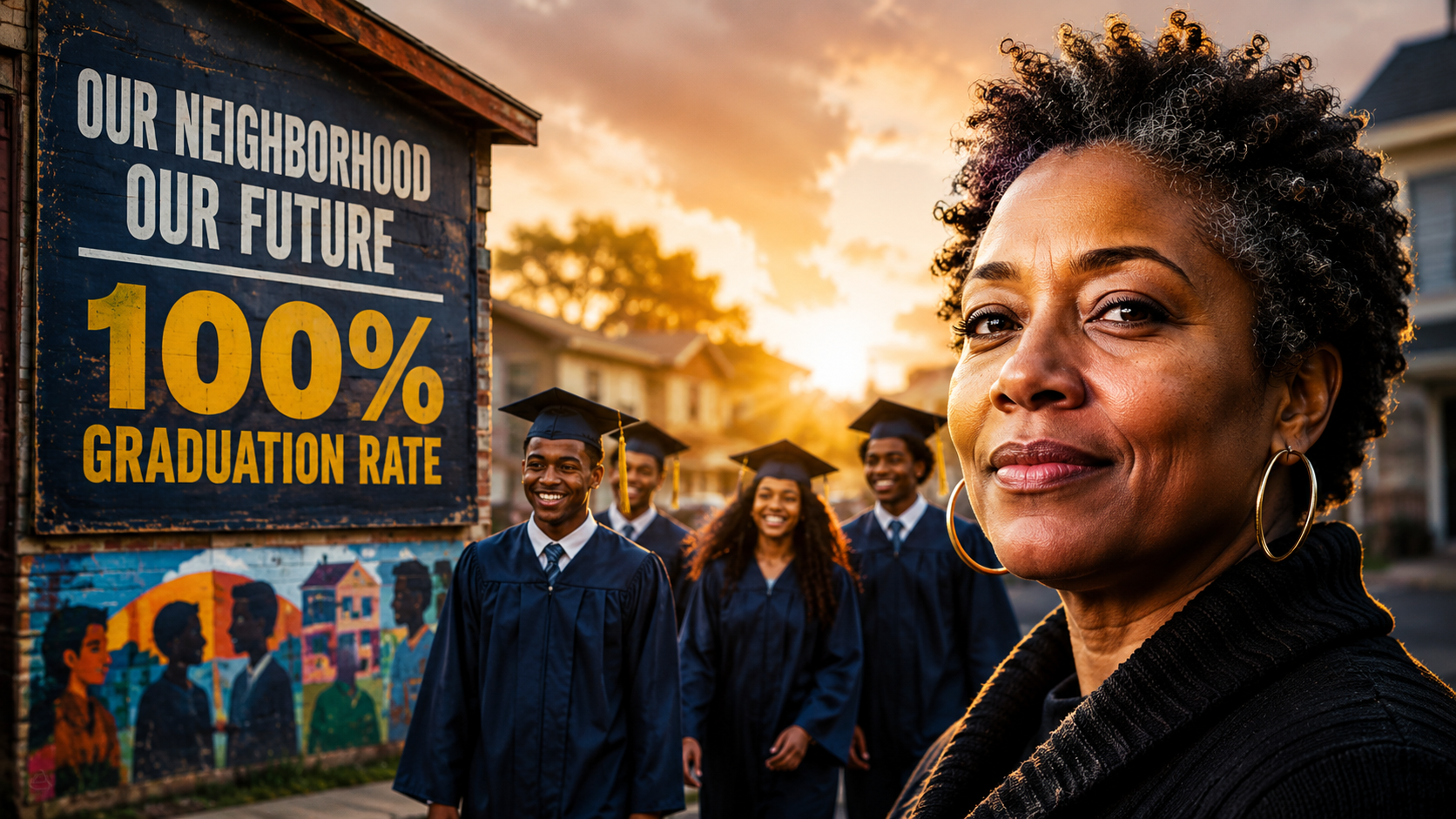
For many communities, achieving a high school graduation rate close to 100% can feel like an impossible goal. Challenges such as poverty, limited resources, family responsibilities, and academic struggles often create obstacles that make it difficult for students to stay on track. Yet some neighborhoods have managed to defy the odds, dramatically increasing graduation rates and creating brighter futures for their young people.
These success stories rarely happen because of a single program or policy. Instead, they are usually the result of a community-wide commitment to education, support, and opportunity. Schools, parents, local organizations, businesses, and residents work together to create an environment where students are encouraged to succeed and given the tools they need to reach graduation day.
The lessons learned from these neighborhoods offer valuable insights for educators, community leaders, and families everywhere. Here are 12 powerful lessons from communities that successfully helped their students achieve extraordinary graduation rates.
1. Every Student Needs to Feel Seen
One of the most important factors in student success is connection. Students are far more likely to stay engaged in school when they feel noticed, valued, and supported.
Successful communities make it a priority to ensure that every student has at least one trusted adult who knows their goals, challenges, and strengths. Whether it’s a teacher, counselor, coach, or mentor, these relationships provide encouragement during difficult times and help students stay motivated.
When young people believe someone genuinely cares about their future, they are often more willing to push through obstacles and remain committed to their education.
2. Attendance Matters More Than Many Realize
Consistent attendance is one of the strongest predictors of graduation.
Neighborhoods that dramatically improved graduation rates often began by addressing chronic absenteeism. Schools tracked attendance closely and worked with families to identify barriers preventing students from showing up regularly.
Transportation assistance, health resources, family outreach, and attendance incentives all played important roles in helping students stay connected to school. Small improvements in attendance frequently led to significant gains in academic performance.
3. Early Intervention Prevents Bigger Problems
Waiting until a student is failing can make recovery much more difficult.
High-performing communities focus on identifying struggling students as early as possible. Academic difficulties, behavioral issues, and attendance concerns are addressed before they become major obstacles.
Early intervention programs provide tutoring, counseling, mentoring, and individualized support. By responding quickly, schools can help students regain confidence and avoid falling too far behind.
4. Families Are Essential Partners
Schools achieve better outcomes when families are actively involved.
Communities with exceptional graduation rates often work hard to strengthen relationships between schools and parents. Regular communication, family events, workshops, and volunteer opportunities help build trust and collaboration.
Parents who understand their child’s progress and feel connected to the school are better equipped to support learning at home and encourage educational success.
5. Mentorship Creates Lasting Impact
Many successful students can point to a mentor who helped guide them through challenges.
Mentorship programs connect young people with positive role models who provide advice, encouragement, and accountability. These relationships can help students navigate academic pressures, personal struggles, and future career decisions.
A mentor often becomes an additional source of support when students need reassurance or guidance during critical moments in their educational journey.
6. Academic Support Must Be Accessible
Even highly motivated students sometimes need extra help.
Neighborhoods that improved graduation rates invested heavily in tutoring programs, homework assistance, study groups, and academic intervention services. The goal was to ensure that struggling students could access support before falling behind.
When help is readily available and easy to access, students are more likely to seek assistance and remain confident in their ability to succeed.
7. Students Need Clear Pathways to the Future
Young people are often more motivated when they understand how education connects to their future goals.
Successful communities expose students to colleges, vocational programs, apprenticeships, and career opportunities early in their academic careers. Campus visits, internships, job-shadowing programs, and career fairs help students see the practical value of earning a diploma.
When students can visualize a future beyond graduation, they are more likely to stay focused on reaching that milestone.
8. Positive School Culture Makes a Difference
The atmosphere inside a school can significantly influence student outcomes.
Schools that achieve exceptional graduation rates often foster environments built on respect, inclusion, encouragement, and high expectations. Students are celebrated for achievements, supported through challenges, and encouraged to take pride in their education.
A positive culture helps students feel safe, connected, and motivated to participate fully in school life.
9. Community Organizations Can Fill Critical Gaps
Schools cannot solve every challenge alone.
Many successful neighborhoods rely on partnerships with nonprofit organizations, faith groups, local businesses, and community centers. These organizations often provide mentoring, food assistance, after-school programs, mental health services, and educational resources.
By working together, communities create a stronger support network that addresses both academic and non-academic needs.
10. High Expectations Encourage Achievement
Students often rise to the expectations placed upon them.
Communities with outstanding graduation rates communicate a clear message: graduation is not optional—it is expected. Educators, parents, and community leaders consistently reinforce the belief that every student is capable of success.
High expectations, when paired with appropriate support, help students develop confidence and resilience. They learn to view challenges as obstacles to overcome rather than reasons to give up.
11. Mental Health Support Is Essential
Academic success is closely connected to emotional well-being.
Many students face stress, anxiety, family difficulties, and other personal challenges that affect their ability to learn. Communities that improved graduation rates invested in counseling services, wellness programs, and mental health resources.
Providing emotional support helps students manage challenges more effectively and remain focused on their educational goals.
12. Success Becomes a Community Tradition
Perhaps the most powerful lesson is that success can become contagious.
As more students graduate, younger students begin to see graduation as the norm rather than the exception. Positive role models emerge throughout the neighborhood, inspiring future generations to pursue their own educational achievements.
Over time, a culture of success develops. Graduation becomes part of the community’s identity, creating momentum that continues to drive progress year after year.
Why Community Effort Matters
Improving graduation rates is rarely the result of one program or policy. Lasting success occurs when entire communities unite around a shared commitment to education.
Students thrive when they receive consistent support from multiple sources. Schools provide instruction, families offer encouragement, mentors supply guidance, and community organizations help address additional needs. Together, these efforts create an environment where students can overcome challenges and achieve their goals.
Communities that have reached near-perfect graduation rates demonstrate that meaningful change is possible when everyone works toward the same objective.
Final Thoughts
The neighborhoods that achieved remarkable graduation success did not rely on shortcuts or miracles. They invested in relationships, support systems, early intervention, and a culture that valued education.
These 12 lessons show that helping students graduate requires more than academic instruction alone. It involves creating a network of encouragement, opportunity, and accountability that empowers young people to succeed.
When communities come together to support their students, the results can be transformative—not only for individual graduates but for future generations as well. Every diploma earned represents a life changed, a family strengthened, and a community moving toward a brighter future.







