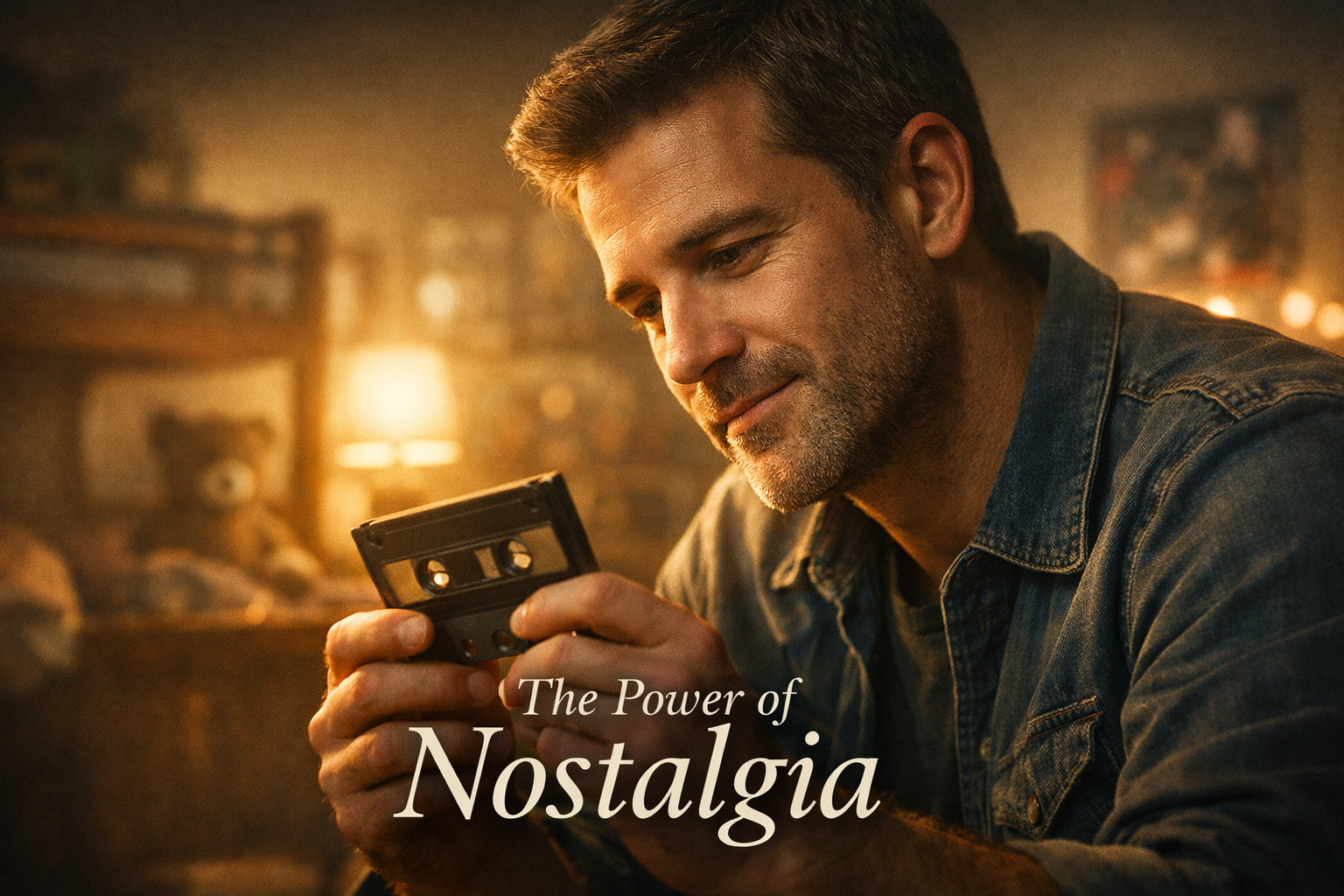
A familiar song comes on the radio, and suddenly you’re transported back to a summer from years ago. The smell of a certain meal reminds you of family gatherings. An old photograph sparks memories you haven’t thought about in decades. These moments may seem simple, but they reveal the remarkable power of nostalgia.
For a long time, nostalgia was viewed as little more than sentimental longing for the past. Some even considered it an emotional distraction that kept people from focusing on the present. Today, psychologists see it very differently. Research suggests that nostalgia is a complex emotional experience that can influence our mood, relationships, decision-making, and even our sense of identity.
Far from being a weakness, nostalgia often serves an important psychological purpose. It helps us connect with meaningful memories, strengthen social bonds, and find comfort during uncertain times.
Here are 12 fascinating things many people don’t realize about the power of nostalgia.
1. Nostalgia Is More Than Just Remembering the Past
Many people think nostalgia is simply recalling old memories. In reality, it is much more emotionally rich than ordinary remembering.
Nostalgia typically involves reflecting on meaningful experiences that carry personal significance. These memories often include important relationships, major life events, or moments that shaped who we are.
Unlike casual recollection, nostalgic memories tend to evoke a mix of emotions. Happiness, gratitude, longing, and even a touch of sadness can all appear at the same time.
This emotional complexity is one reason nostalgia feels so powerful and memorable.
2. It Can Improve Your Mood
One of the most surprising findings in psychological research is that nostalgia often boosts emotional well-being.
When people revisit positive memories, they frequently experience increased feelings of happiness, comfort, and optimism. Reflecting on meaningful moments can remind us that our lives contain valuable experiences worth appreciating.
This doesn’t mean nostalgia eliminates stress or sadness. Instead, it can provide emotional balance during difficult periods.
Many people naturally become nostalgic when they feel lonely, overwhelmed, or uncertain because those memories offer a sense of emotional support.
3. Nostalgia Strengthens Your Sense of Identity
Our memories help shape our understanding of who we are.
Nostalgic experiences often reconnect us with important chapters of our lives, reminding us of our values, achievements, relationships, and personal growth.
When life feels confusing or uncertain, reflecting on meaningful experiences can create a stronger sense of continuity. It helps us see that our current selves are connected to our past experiences.
In this way, nostalgia acts almost like a personal history book, reinforcing our identity and reminding us of the journey we’ve taken.
4. It Helps People Feel Less Alone
Many nostalgic memories involve other people.
Family vacations, childhood friendships, school experiences, celebrations, and shared milestones often become some of our most cherished recollections. As a result, nostalgia frequently reminds us of the connections we’ve formed throughout life.
Research suggests that nostalgic reflection can increase feelings of social connectedness, even when those people are no longer physically present.
Simply remembering meaningful relationships can provide comfort and reduce feelings of isolation.
This may explain why nostalgia often becomes especially powerful during periods of loneliness.
5. Music Is One of Nostalgia’s Strongest Triggers
Have you ever heard a song and instantly remembered where you were years ago?
Music has a unique ability to activate memory and emotion simultaneously. Because songs often accompany significant life events, they become deeply connected to personal experiences.
A single melody can bring back vivid memories of friendships, relationships, celebrations, or specific periods of life.
Researchers believe that music engages multiple regions of the brain, which helps explain why nostalgic reactions to songs can feel so immediate and intense.
For many people, music serves as a time machine for the mind.
6. Nostalgia Can Increase Resilience During Difficult Times
Life inevitably brings challenges, uncertainty, and setbacks.
Interestingly, nostalgia often becomes more common during stressful periods. Rather than being an escape from reality, nostalgic reflection can help people cope with adversity.
Remembering previous successes, meaningful relationships, or positive experiences reminds us that we’ve overcome challenges before.
This perspective can increase confidence and provide emotional strength when facing current difficulties.
In many ways, nostalgia acts as a psychological resource that helps people remain grounded during turbulent times.
7. It Can Inspire Optimism About the Future
At first glance, nostalgia seems entirely focused on the past.
However, research suggests that nostalgic memories can actually encourage a more positive outlook on the future.
When people recall meaningful experiences, they often reconnect with feelings of purpose, belonging, and accomplishment. These emotions can increase motivation and hope.
Rather than trapping people in the past, nostalgia can remind them of what matters most and inspire them to pursue similar experiences moving forward.
The past often serves as a source of encouragement for the future.
8. Nostalgia Influences Consumer Choices
Businesses have long recognized the emotional power of nostalgia.
Movies, television shows, advertisements, fashion trends, and product designs frequently draw inspiration from earlier decades because familiar memories create strong emotional reactions.
People often feel attracted to products, brands, or experiences that remind them of positive periods in their lives.
This doesn’t happen by accident. Nostalgia can influence purchasing decisions by creating feelings of comfort, trust, and familiarity.
That’s why retro trends continue to return generation after generation.
9. Childhood Memories Often Have the Greatest Impact
Many of the most powerful nostalgic memories originate during childhood and adolescence.
Psychologists believe this occurs because these years involve numerous “firsts”—first friendships, first achievements, first adventures, and other formative experiences.
The brain tends to store emotionally significant events more vividly, making memories from early life especially memorable.
As people age, these memories often become important reference points that contribute to identity and emotional well-being.
This helps explain why childhood experiences frequently remain meaningful decades later.
10. Nostalgia Is a Universal Human Experience
Although cultures differ in traditions, languages, and customs, nostalgia appears to be nearly universal.
People around the world experience emotional connections to meaningful memories. While the specific content of nostalgic memories varies, the underlying emotional process is remarkably similar.
Whether someone reflects on family traditions, community celebrations, childhood games, or personal milestones, nostalgia serves a comparable psychological function.
This universality highlights how deeply rooted nostalgia is in human experience.
It’s a reminder that despite our differences, many emotional experiences are shared across cultures.
11. Nostalgia Often Improves Relationships
Sharing memories can strengthen social bonds.
When people tell stories about meaningful experiences, they often deepen connections with friends, family members, and partners. Nostalgic conversations create opportunities for understanding, empathy, and mutual appreciation.
Couples frequently reminisce about important milestones in their relationship. Families bond through stories passed down across generations.
These shared memories help reinforce relationships and create a stronger sense of belonging.
Nostalgia is not only personal—it can also be profoundly social.
12. The Past We Remember Isn’t Always Completely Accurate
One of the most fascinating aspects of nostalgia is that memory is not a perfect recording of events.
When people look back on the past, they often emphasize positive experiences while minimizing negative details. The brain naturally reconstructs memories rather than replaying them exactly as they occurred.
This doesn’t mean nostalgic memories are false. Instead, they are shaped by emotion, perspective, and the passage of time.
In many cases, nostalgia highlights what was meaningful rather than what was objectively perfect.
Understanding this helps explain why the past can sometimes seem more appealing than it actually was.
Why Nostalgia Has Become More Important in Modern Life
Today’s world changes rapidly.
Technology evolves constantly, cultural trends shift quickly, and many people face increasing uncertainty in both personal and professional life. In such environments, nostalgia can provide a valuable sense of stability.
Looking back at meaningful experiences reminds us of enduring relationships, core values, and personal achievements. These memories help create continuity during times of change.
As a result, nostalgia may serve an increasingly important psychological role in modern society.
Rather than being stuck in the past, people often use nostalgia to stay connected to what matters most.
Finding a Healthy Balance
While nostalgia offers many benefits, balance is important.
Occasional reflection can improve well-being, but constantly dwelling on the past may prevent people from fully engaging with the present.
The healthiest form of nostalgia involves appreciating meaningful memories while continuing to build new experiences.
The goal isn’t to relive yesterday—it is to draw strength, perspective, and inspiration from it.
When approached in this way, nostalgia becomes a valuable emotional tool rather than a source of regret.
Final Thoughts
Nostalgia is far more powerful than many people realize. It shapes how we remember our lives, influences our relationships, affects our emotions, and even guides some of our decisions. What was once dismissed as simple sentimentality is now recognized as an important psychological resource.
From strengthening identity and improving mood to fostering resilience and social connection, nostalgia plays a meaningful role in human well-being. It reminds us where we’ve been, who has mattered to us, and how far we’ve come.
Most importantly, nostalgia demonstrates that our memories are more than records of the past. They are living parts of our emotional lives, capable of providing comfort, inspiration, and perspective whenever we need them.
The next time a familiar song, photograph, or scent brings back a flood of memories, remember that nostalgia is doing much more than helping you look backward. In many ways, it is helping you move forward as well.







