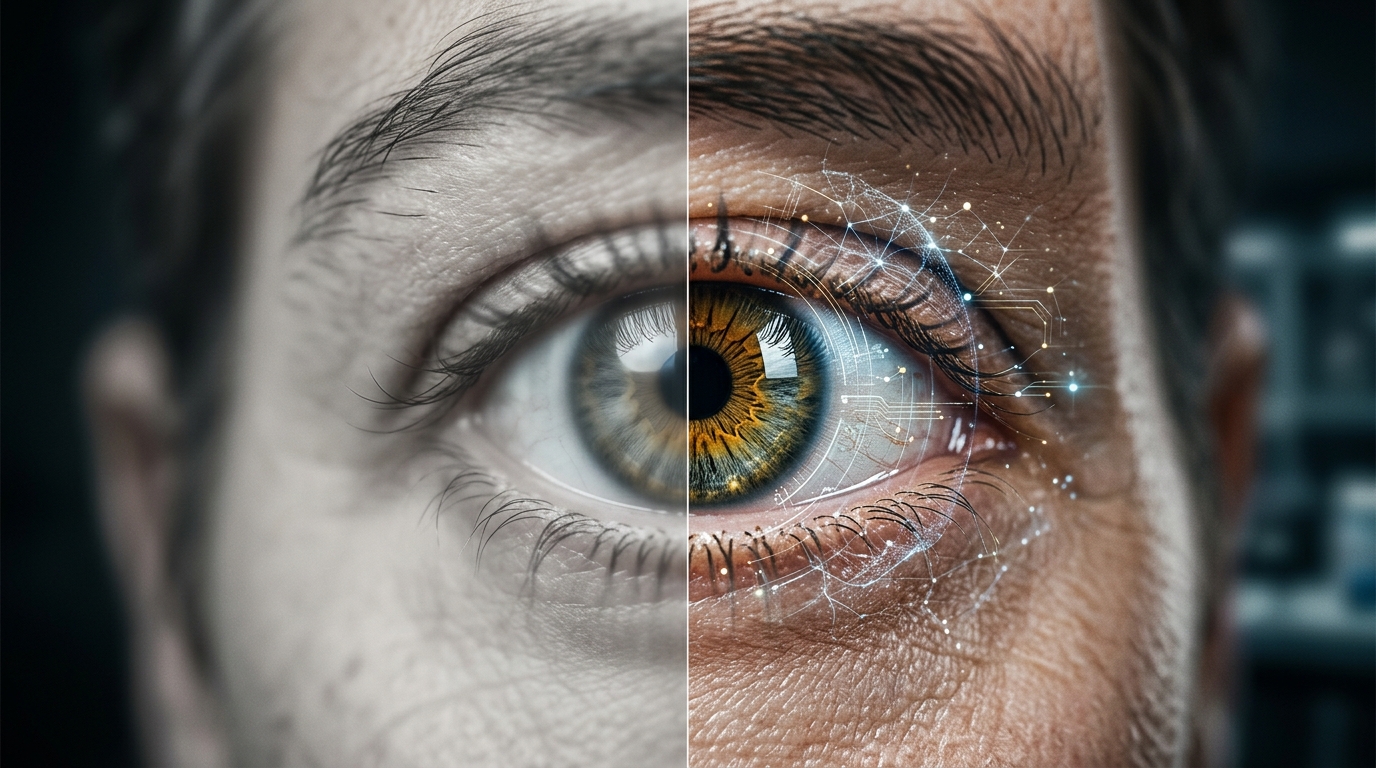
The ability to see is something many people rarely think about—until it begins to fade. For millions around the world living with vision loss, even simple daily activities can become challenging. Fortunately, advances in medicine, biotechnology, and neuroscience are transforming what was once considered impossible into reality.
Scientists are making remarkable progress in restoring sight through innovative treatments, from gene therapies and stem cells to bionic implants and regenerative medicine. While not every form of blindness can currently be reversed, researchers are uncovering new ways to repair damaged eyes and reconnect the brain to visual information.
Here are 13 surprising facts about the fascinating science of vision restoration and how it could change the future of eye care.
1. The Eye Is One of the Most Complex Organs in the Human Body
The human eye contains millions of specialized cells working together to capture and process light. Information gathered by the retina is instantly converted into electrical signals that travel through the optic nerve to the brain.
Because vision depends on both the eye and the brain, restoring sight often requires repairing multiple biological systems rather than a single damaged structure.
2. Some Forms of Blindness Are Already Treatable
Not all vision loss is permanent. Conditions such as cataracts can often be treated successfully through surgery, restoring sight to millions of people every year.
Modern cataract procedures are among the safest and most effective surgeries performed today, demonstrating how medical advances can dramatically improve quality of life.
3. Gene Therapy Is Changing the Future of Eye Medicine
Many inherited eye diseases result from defective genes that prevent retinal cells from functioning properly.
Researchers have developed gene therapies that deliver healthy copies of specific genes directly into the eye. In some patients, these treatments have improved vision and slowed disease progression, offering hope for conditions once considered untreatable.
4. Scientists Are Exploring Ways to Regrow Retinal Cells
Unlike some animals, humans have a limited ability to regenerate damaged retinal tissue.
Researchers are studying methods to stimulate retinal repair using stem cells and regenerative medicine. The goal is to replace damaged cells with healthy ones capable of restoring visual function.
Although much work remains, early findings have generated significant excitement within the scientific community.
5. Stem Cells Could Help Rebuild Damaged Eyes
Stem cells have the unique ability to develop into different types of specialized cells.
Scientists are investigating whether these versatile cells can replace damaged retinal cells responsible for conditions such as macular degeneration and certain forms of blindness. Experimental studies suggest stem-cell-based therapies may eventually become an important tool in vision restoration.
6. Bionic Eyes Are No Longer Science Fiction
For decades, artificial vision existed only in science fiction stories. Today, researchers have created retinal implants capable of providing limited visual information to some individuals with severe vision loss.
While these devices do not restore normal eyesight, they can help users detect shapes, movement, and light, allowing for greater independence in daily life.
7. The Brain Plays a Major Role in Seeing
Many people assume vision occurs entirely within the eyes, but the brain performs much of the actual processing.
Even if visual signals are restored, the brain must learn how to interpret them correctly. This is why rehabilitation and training often play an important role in helping patients adapt to new vision-restoring technologies.
8. Artificial Intelligence Is Improving Eye Treatments
Artificial intelligence is becoming a valuable tool in ophthalmology.
Advanced algorithms can analyze retinal images, detect disease earlier, and help doctors identify patients who may benefit from specific treatments. AI-assisted diagnostics may accelerate intervention and improve outcomes for people at risk of vision loss.
9. Some Researchers Are Using Light to Activate Cells
A promising field known as optogenetics involves making certain cells sensitive to light.
Scientists are investigating whether this technology can help restore visual signals in damaged retinas. By enabling surviving cells to respond to light, researchers hope to create new pathways for visual information to reach the brain.
10. Vision Restoration May Involve Tiny Electronic Devices
Modern technology has made it possible to develop extremely small electronic implants.
Some experimental devices are designed to bypass damaged retinal tissue and stimulate visual pathways directly. These implants could potentially provide useful visual information to people with severe retinal disorders in the future.
11. Early Diagnosis Can Protect Vision
One of the most effective ways to preserve sight is identifying eye diseases before significant damage occurs.
Regular eye examinations can detect conditions such as glaucoma, diabetic eye disease, and macular degeneration during their early stages. Timely treatment often prevents further deterioration and may preserve useful vision for many years.
12. Researchers Are Learning From Animals That Regenerate Vision
Certain fish and amphibians possess extraordinary regenerative abilities.
Unlike humans, some species can repair damaged retinal tissue naturally. Scientists study these animals to understand the biological mechanisms involved, hoping to apply similar principles to future human therapies.
Their regenerative capabilities may provide important clues for developing next-generation treatments.
13. The Future of Vision Restoration Is Advancing Faster Than Ever
Progress in genetics, neuroscience, biomedical engineering, and regenerative medicine is accelerating rapidly.
What seemed impossible just a few decades ago—repairing damaged retinal cells, implanting artificial vision devices, or using gene therapy to improve sight—is now becoming a reality for some patients. Researchers continue to push the boundaries of what is possible, bringing new hope to millions affected by vision loss.
Why Vision Restoration Matters
Vision influences nearly every aspect of daily life, from reading and driving to recognizing faces and navigating the world safely. The emotional and social impact of vision loss can be profound, affecting independence, employment, and overall well-being.
Advances in vision restoration are not only improving medical outcomes but also helping people maintain their quality of life. Each breakthrough brings scientists closer to treatments that could transform the lives of individuals living with blindness and severe visual impairment.
Looking Ahead
Although many challenges remain, the future of vision restoration is brighter than ever. Ongoing research continues to uncover innovative approaches that may one day restore sight to people who previously had few treatment options.
From gene therapies and stem-cell research to artificial vision systems and regenerative medicine, scientists are steadily expanding our understanding of how vision works—and how it can be repaired.
Final Thoughts
The science of vision restoration represents one of the most exciting frontiers in modern medicine. Through groundbreaking discoveries and technological innovation, researchers are finding new ways to protect, repair, and even restore sight.
While no single solution can address every form of blindness, the progress achieved so far demonstrates the incredible potential of scientific research. As these technologies continue to evolve, they offer hope that millions of people around the world may one day experience improved vision and a renewed connection to the world around them.







