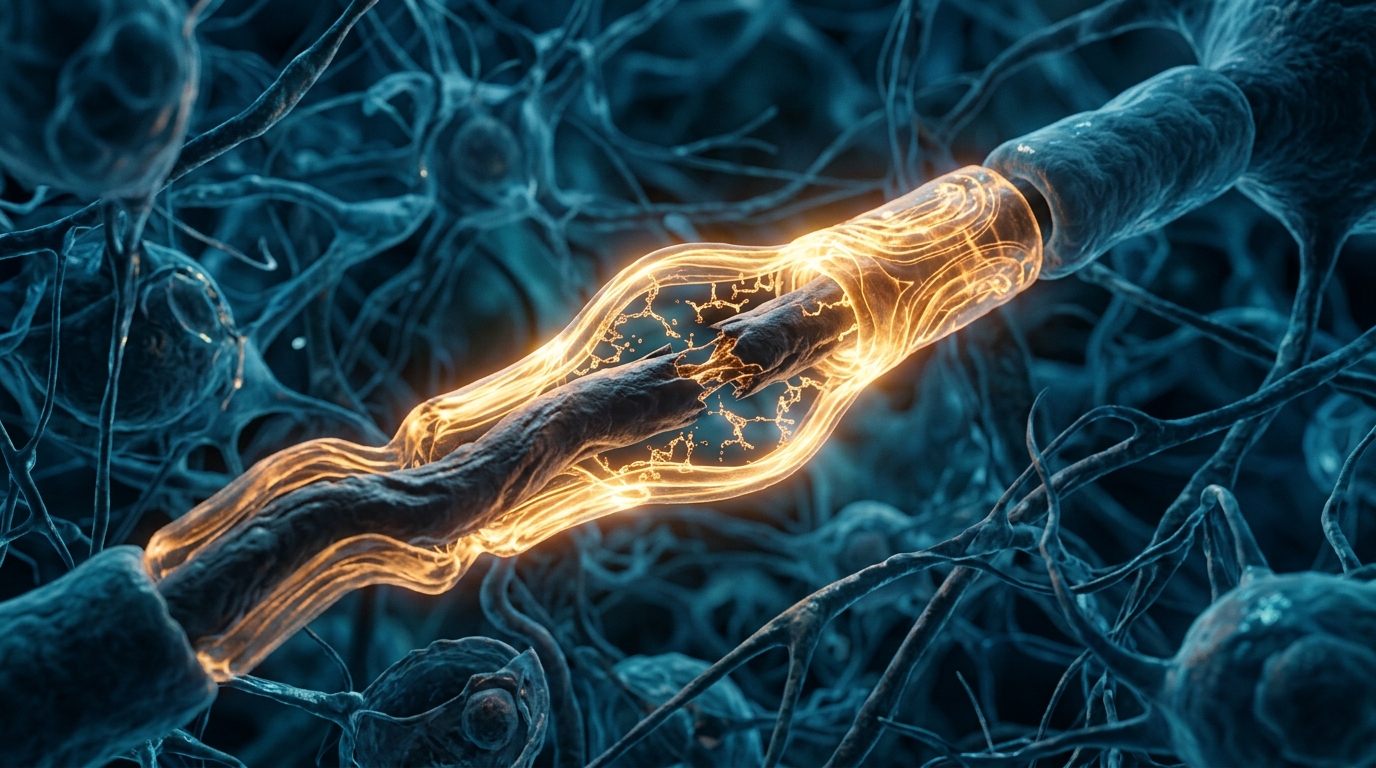
Multiple sclerosis (MS) is a chronic neurological condition that affects millions of people worldwide. The disease occurs when the immune system mistakenly attacks myelin, the protective coating that surrounds nerve fibers in the central nervous system. Over time, this damage can disrupt communication between the brain and the rest of the body, leading to symptoms such as fatigue, mobility challenges, vision problems, numbness, and cognitive difficulties.
While significant progress has been made in developing treatments that help slow disease activity and reduce relapses, repairing existing damage has remained one of the biggest challenges in MS research. That is why scientists are increasingly excited about emerging therapies that aim not only to manage the disease but also to restore lost function by repairing damaged myelin and supporting nerve recovery.
Here are 15 reasons researchers are optimistic about a potential MS repair breakthrough and what it could mean for the future of neurological medicine.
1. The Focus Is Shifting From Prevention to Repair
For many years, most MS treatments were designed to reduce inflammation and prevent new damage. While these therapies remain important, researchers are now focusing more attention on repairing injuries that have already occurred.
This shift represents a major change in strategy. Instead of simply slowing disease progression, scientists hope to restore some of the nervous system’s lost function.
2. Myelin Repair Could Improve Nerve Communication
Myelin acts like insulation around electrical wires, helping nerve signals travel efficiently.
When myelin becomes damaged, communication between nerve cells can slow down or become disrupted. Repairing this protective layer may allow signals to travel more effectively, potentially improving neurological function and reducing symptoms.
Researchers believe restoring myelin is one of the most promising pathways toward meaningful recovery.
3. The Brain Has Natural Repair Mechanisms
One reason scientists remain hopeful is that the body already possesses cells capable of producing new myelin.
Specialized cells called oligodendrocyte precursor cells can develop into mature myelin-producing cells under the right conditions. Researchers are studying how to activate and support these natural repair processes more effectively.
Harnessing the body’s own regenerative abilities could become a powerful therapeutic strategy.
4. New Therapies Are Targeting Remyelination Directly
A growing number of experimental treatments are specifically designed to promote remyelination—the rebuilding of damaged myelin.
Unlike traditional therapies that focus primarily on immune activity, these approaches aim to encourage the nervous system to repair itself. Early research has generated excitement because it addresses a central source of neurological impairment in MS.
5. Animal Studies Have Produced Encouraging Results
Many potential repair therapies have demonstrated promising outcomes in laboratory and animal studies.
Researchers have observed improved myelin regeneration, enhanced nerve function, and reduced neurological deficits in experimental models. While human studies are necessary to confirm effectiveness, these findings provide important proof of concept.
Such results help guide future clinical development efforts.
6. Stem Cell Research Is Opening New Possibilities
Stem cells have become one of the most closely watched areas of regenerative medicine.
Scientists are investigating whether stem-cell-based approaches can support tissue repair, reduce inflammation, and promote regeneration within the central nervous system. Some studies suggest stem cells may help create an environment that supports healing and myelin restoration.
Although much work remains, the field continues to advance rapidly.
7. Researchers Are Learning More About Why Repair Fails
One of the mysteries of MS is why natural repair processes often become less effective over time.
Scientists have identified several biological factors that may interfere with remyelination, including chronic inflammation, aging-related changes, and molecular signals that inhibit repair. Understanding these barriers is helping researchers develop therapies aimed at overcoming them.
Removing obstacles to healing may be just as important as stimulating repair itself.
8. Advanced Imaging Can Track Repair More Accurately
Modern brain imaging technologies have transformed MS research.
New imaging techniques allow researchers to monitor myelin integrity and observe changes in nervous system tissues with greater precision than ever before. These tools help scientists evaluate whether experimental treatments are truly repairing damaged areas.
Improved measurement methods are accelerating progress in clinical trials.
9. Repair Could Benefit Progressive Forms of MS
Many current treatments are most effective at reducing inflammatory activity associated with relapsing forms of MS.
Repair-focused therapies may offer particular promise for progressive MS, where accumulated nerve damage plays a larger role in disability. Because treatment options for progressive disease remain limited, advances in repair strategies are generating significant interest.
Researchers hope these approaches could address unmet medical needs for many patients.
10. Nerve Protection and Repair May Work Together
Scientists increasingly believe that protecting nerve cells and repairing myelin may be complementary goals.
Some emerging therapies are designed to preserve existing nerve structures while simultaneously encouraging regeneration. Combining these strategies could potentially provide greater benefits than either approach alone.
This dual focus reflects a growing understanding of MS as a complex neurological condition.
11. Gene-Based Approaches Are Being Explored
Advances in genetics and molecular biology are creating new opportunities in MS research.
Scientists are studying how genes influence myelin production, immune responses, and repair mechanisms. Future therapies may use gene-based technologies to enhance regenerative pathways or improve the function of cells involved in remyelination.
Although still largely experimental, this area holds considerable potential.
12. Artificial Intelligence Is Accelerating Discovery
Artificial intelligence is helping researchers analyze enormous amounts of biological and clinical data.
AI systems can identify patterns that may reveal new treatment targets, predict responses to therapies, and support the design of more efficient clinical trials. These tools are helping scientists move more quickly toward promising repair strategies.
The integration of AI into biomedical research continues to grow.
13. Combination Therapies May Increase Success
MS involves multiple biological processes, including immune dysfunction, inflammation, nerve injury, and impaired repair.
As a result, researchers are increasingly interested in combination therapies that address several aspects of the disease at once. Future treatment plans may combine anti-inflammatory drugs, neuroprotective agents, and repair-promoting therapies.
Such comprehensive approaches could maximize patient outcomes.
14. Successful Repair Could Improve Quality of Life
The potential benefits of effective myelin repair extend beyond laboratory measurements.
Improved nerve function could translate into meaningful changes in daily life, including better mobility, enhanced coordination, reduced fatigue, clearer vision, and improved cognitive performance. Even modest gains could have a significant impact on independence and well-being.
This potential is a major reason for the enthusiasm surrounding repair-focused research.
15. A Breakthrough Could Influence Other Neurological Diseases
The implications of successful myelin repair may extend far beyond MS.
Many neurological disorders involve damage to nerve cells or supporting structures within the nervous system. Discoveries made in MS research could eventually contribute to advances in treating other conditions involving neurodegeneration or nerve injury.
For this reason, progress in MS repair research is being closely watched across the broader neuroscience community.
Why This Research Matters
Multiple sclerosis has long been viewed as a condition that can be managed but not fully repaired. Emerging research is challenging that assumption by exploring ways to restore damaged tissues rather than simply slowing further decline.
Although many of these therapies remain under investigation, the growing focus on regeneration represents one of the most exciting developments in MS research. Advances in stem cells, remyelination science, imaging technology, genetics, and neuroscience are providing researchers with powerful new tools to tackle one of the disease’s most difficult challenges.
Each breakthrough brings scientists closer to treatments that could potentially improve function, enhance quality of life, and change long-term outcomes for people living with MS.
Conclusion
The search for effective MS repair therapies is entering a promising new era. Researchers are exploring innovative strategies aimed at restoring myelin, protecting nerve cells, stimulating regeneration, and overcoming barriers that prevent healing.
While more research is needed before these approaches become widely available, the progress made so far has generated significant excitement throughout the scientific community. The possibility of repairing damage—not just preventing it—could represent one of the most important advances in the history of MS treatment.
As studies continue and technologies evolve, the future of multiple sclerosis care may increasingly focus on recovery, regeneration, and renewed hope for millions of people affected by this complex neurological condition.







