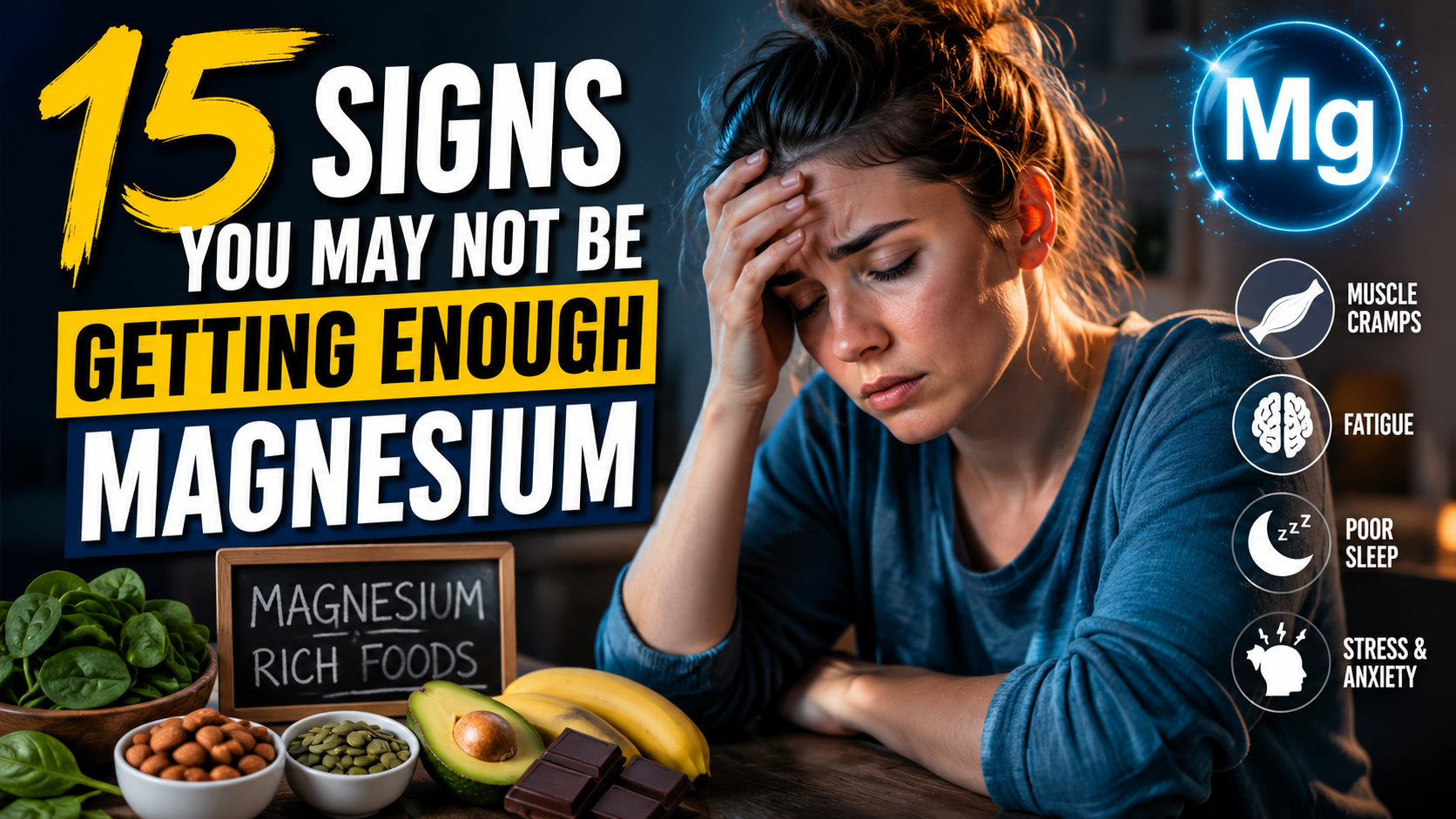
Magnesium may not receive as much attention as vitamins C or D, but it plays a crucial role in keeping the body functioning properly. This essential mineral is involved in hundreds of biochemical processes, helping regulate muscle function, nerve signaling, energy production, heart health, blood sugar control, and much more.
Despite its importance, many people don’t consume enough magnesium through their daily diet. Modern eating habits, highly processed foods, chronic stress, certain medications, and digestive issues can all contribute to lower magnesium levels over time.
Because magnesium affects so many different systems, a deficiency can show up in surprising ways. Some symptoms are easy to overlook or mistake for everyday stress, fatigue, or aging.
If you’ve been feeling “off” lately, your body may be trying to tell you something. Here are 15 common signs that you may not be getting enough magnesium.
1. Frequent Muscle Cramps
One of the most well-known signs of low magnesium is muscle cramping.
Magnesium helps muscles contract and relax properly. When levels are too low, muscles may become overly sensitive and more likely to spasm.
Leg cramps during the night, muscle twitches, or unexpected tightness after physical activity can sometimes be linked to insufficient magnesium intake.
While muscle cramps can have multiple causes, recurring episodes are worth paying attention to.
2. Constant Fatigue
Everyone feels tired from time to time. However, ongoing fatigue that doesn’t improve with rest may signal an underlying issue.
Magnesium plays a key role in producing cellular energy. Without adequate amounts, your body may struggle to generate energy efficiently.
As a result, you may feel drained, sluggish, or mentally exhausted throughout the day, even after getting enough sleep.
Persistent fatigue should always be discussed with a healthcare professional, but magnesium deficiency is one possible factor.
3. Difficulty Sleeping
Sleep problems can have many causes, but magnesium is often overlooked.
This mineral helps support relaxation and contributes to healthy nervous system function. It also plays a role in regulating certain neurotransmitters involved in sleep.
People with low magnesium levels sometimes report difficulty falling asleep, staying asleep, or waking up feeling refreshed.
Improving magnesium intake may support better sleep quality as part of an overall healthy lifestyle.
4. Frequent Headaches
If headaches have become a regular part of your life, magnesium could be worth considering.
Researchers have long studied the relationship between magnesium and headaches, particularly migraines. While magnesium isn’t a cure, some evidence suggests that low levels may contribute to headache frequency in certain individuals.
Because headaches can result from numerous causes, it’s important not to self-diagnose. However, recurring headaches can be one clue among several others.
5. Feeling More Anxious Than Usual
Magnesium plays an important role in nervous system regulation.
When levels are insufficient, some people experience increased feelings of tension, nervousness, irritability, or restlessness.
Stress itself can also deplete magnesium stores, creating a cycle where low magnesium and stress may reinforce one another.
If you’ve been feeling unusually overwhelmed or emotionally on edge, nutritional factors could be worth exploring.
6. Muscle Twitches and Tremors
Small, involuntary muscle movements can sometimes occur when magnesium levels drop.
You might notice eyelid twitching, facial muscle spasms, or occasional tremors in different parts of the body.
These symptoms are often harmless and temporary, but persistent twitching may indicate that your muscles and nerves aren’t receiving the support they need.
Magnesium helps regulate nerve signals that control muscle activity, making adequate intake particularly important.
7. Irregular Heartbeat
The heart relies on a delicate balance of minerals to maintain a steady rhythm.
Magnesium contributes to proper electrical signaling within the heart. Low levels can sometimes affect this balance and contribute to sensations such as heart palpitations or an irregular heartbeat.
Because heart-related symptoms can be serious, anyone experiencing unusual heart rhythms should seek medical evaluation promptly.
Never assume magnesium is the sole cause without professional guidance.
8. Numbness or Tingling
Pins-and-needles sensations in the hands, feet, arms, or legs can sometimes be associated with mineral imbalances.
Since magnesium supports healthy nerve function, insufficient levels may occasionally contribute to unusual sensations.
There are many possible explanations for numbness or tingling, including circulation issues and nerve conditions, so medical evaluation is important if symptoms persist.
9. Reduced Exercise Performance
Do your workouts feel harder than they used to?
Magnesium helps muscles produce energy and recover after physical activity. Athletes and active individuals often require higher amounts due to increased demands on the body.
Low magnesium levels may contribute to early fatigue, slower recovery, muscle soreness, or reduced endurance.
Proper nutrition can play a major role in supporting physical performance.
10. Frequent Mood Changes
Mood fluctuations happen to everyone, but persistent emotional ups and downs may sometimes be linked to nutritional deficiencies.
Magnesium influences neurotransmitters that affect emotional balance and mental well-being.
While mood changes are complex and influenced by many factors, inadequate magnesium intake may contribute to irritability, emotional sensitivity, or difficulty managing stress.
Maintaining overall nutritional health can support emotional resilience.
11. Increased Sensitivity to Stress
Modern life places constant pressure on the nervous system.
Magnesium helps regulate the body’s stress response and supports healthy nervous system function. When magnesium levels are low, the body may have a harder time adapting to everyday stressors.
Small challenges may feel more overwhelming, and recovery from stressful situations may take longer.
This is one reason magnesium is often referred to as a “calming mineral.”
12. Weakness or Lack of Strength
Beyond feeling tired, some people with low magnesium notice actual muscle weakness.
Tasks that once felt easy may require more effort. Climbing stairs, carrying groceries, or completing workouts can suddenly feel more difficult.
Since magnesium contributes to muscle performance and energy production, inadequate levels can affect physical strength and endurance.
13. Poor Appetite
Although not as commonly discussed, magnesium deficiency can sometimes affect appetite.
Some individuals experience reduced interest in food or changes in eating habits.
Because poor appetite can also result from numerous health conditions, it’s important to view this symptom alongside other potential signs rather than in isolation.
14. Elevated Blood Pressure
Magnesium plays a role in blood vessel function and cardiovascular health.
Research suggests that adequate magnesium intake may help support healthy blood pressure levels as part of a balanced lifestyle.
While low magnesium alone isn’t necessarily the cause of high blood pressure, insufficient intake may contribute to cardiovascular challenges over time.
Regular monitoring and medical guidance remain essential.
15. You Rarely Eat Magnesium-Rich Foods
Sometimes the clearest sign isn’t a symptom—it’s your diet.
Many people simply don’t consume enough foods that naturally contain magnesium.
Excellent sources include:
- Leafy green vegetables
- Almonds and cashews
- Pumpkin seeds
- Black beans
- Lentils
- Whole grains
- Avocados
- Dark chocolate
- Bananas
- Tofu
If these foods rarely appear on your plate, your magnesium intake may be lower than recommended.
Why Magnesium Matters So Much
Magnesium is involved in more than 300 enzymatic reactions throughout the body. It helps regulate:
- Muscle function
- Nerve communication
- Energy production
- Blood sugar balance
- Bone health
- Heart rhythm
- Sleep quality
- Stress response
Because magnesium influences so many systems, even mild deficiencies can affect how you feel physically and mentally.
The challenge is that symptoms often develop gradually, making them easy to dismiss.
How to Increase Your Magnesium Intake
The best way to improve magnesium levels is usually through food.
Focus on a balanced diet rich in whole, minimally processed foods. Nuts, seeds, legumes, vegetables, and whole grains are particularly valuable sources.
Staying hydrated, managing stress, and maintaining good digestive health can also support magnesium absorption.
Some people may benefit from magnesium supplements, but supplementation should ideally be discussed with a healthcare provider, especially if you have existing medical conditions or take medications.
Final Thoughts
Magnesium may be one of the most underappreciated nutrients in the modern diet. Yet its impact on the body is enormous.
From muscle function and sleep quality to mood regulation and heart health, this essential mineral supports countless processes that help us feel our best every day.
If you’ve noticed several of the signs discussed above, it doesn’t automatically mean you’re deficient. However, it may be worth paying closer attention to your diet and discussing your symptoms with a healthcare professional.
Sometimes small nutritional changes can make a meaningful difference in how you feel. And when it comes to overall wellness, ensuring adequate magnesium intake is one simple step that may support better health for years to come.







