Reaching the age of 70 is a milestone worth celebrating because it reflects decades of experience, memories, and independence. Many people see this stage of life as a peaceful time filled with relaxation, family gatherings, and a slower pace of life. However, what is often overlooked is that the years between 70 and 75 can bring significant physical and emotional changes.
Aging during this stage is not necessarily about decline. Instead, it marks a new chapter in life that requires adapting to changes in both the body and mind. Understanding these changes is important because it helps people maintain their independence, health, and quality of life.
Here are five key shifts that tend to happen during these years, along with some practical ways to manage them.

1. Loss of muscle mass accelerates
Another major physical surprise after reaching 70 years of age is how quickly muscle mass and strength begin to decline. This phenomenon is called sarcopenia, which starts around the age of 30 and tends to accelerate after 70.
At first, the changes in strength may seem small. It becomes harder to lift groceries, rise from a deep seat, and you may feel more tired during walks that once felt easy. Muscles are important not just for appearance, but because they support your body, protect your joints, and help you stay steady and avoid falls.
The tricky part? Your body no longer processes protein or responds to exercise as efficiently as it once did. Building muscle becomes more difficult, which is why staying active is no longer optional—it’s essential.
You do not have to become a bodybuilder. Using resistance bands, lifting light weights, or simply doing bodyweight squats a few days a week can help. It is also important to pay attention to your diet. Many people over the age of 70 do not consume enough protein. Eggs, Greek yogurt, and fish are all good sources.

2. Balance becomes a bit more fragile
When people talk about “bad balance,” they often assume it is only caused by weak legs. In reality, balance depends on coordination between your visual system, vestibular system, peripheral nerves, and brain. As you age, communication between these systems can become less efficient. Your reflexes may slow down, and your sense of spatial orientation may become less reliable.
Falling becomes a serious concern during this stage of life, and this is one reason why. While a small misstep at 40 might only hurt your pride, the same fall at 72 could lead to hospitalization. Even more concerning is the “fear of falling.” That fear can lead to a more sedentary lifestyle, which in turn makes you weaker and more likely to fall.

3. Loneliness is a genuine health risk
It is also important to recognize the impact of social changes after age 70. Retirement becomes more common, friends may move away or experience illness, and family members are often busy with their own responsibilities.
Even if solitude never bothered someone before, loneliness can begin to affect emotional well-being. It not only feels painful, but can also negatively impact physical health. Loneliness has been linked to cognitive decline, weaker immune function, and other health problems.
Human connection is important for mental and emotional health. This can include regular phone calls, joining community activities, or simply talking with neighbors.

4. Your internal thermostat gets finicky
One of the least discussed changes is the body’s reduced ability to regulate temperature properly. This can mean not feeling thirsty even when dehydrated or not realizing the surrounding temperature is dangerous until symptoms like dizziness appear.
This makes awareness especially important. Drinking fluids regularly, even before feeling thirsty, is a smart habit because the body’s warning signals become weaker with age. It is also important to pay close attention to weather conditions, since the body has to work harder to adjust to extreme heat or cold.
5. Sleep feels less like a “reset”
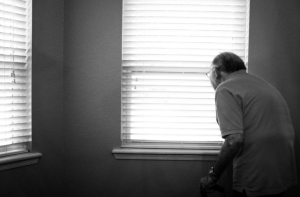
Sleep changes significantly in your early 70s. It is not necessarily that you need fewer hours, but the quality of sleep often declines. Deep sleep becomes shorter, and you may find yourself waking up at 3:00 AM for no clear reason.
When you do not get restorative rest, everything else feels harder—your mood, memory, and energy levels can all suffer. Instead of fighting it or becoming frustrated, try to work with your body. Getting natural sunlight during the day and avoiding screens an hour before bed can help reset your internal clock and improve your sleep routine.

Consistency is King
From ages 70 to 75, healthy aging is not about perfection, but about consistency. Simple habits like eating enough protein, doing light exercise or stretching, and staying socially active can make a meaningful difference in maintaining health and independence.
If you notice changes in your body or daily life, do not automatically assume they are simply caused by “getting older.” Many issues can often improve with small lifestyle adjustments or a conversation with a healthcare professional. Asking for help is not a sign of weakness, but a sign of wisdom and self-care.
Please SHARE this article with your family and friends on Facebook.
Bored Daddy
Love and Peace