Waking up to a damp pillow isn’t exactly anyone’s favorite way to start the day. While sleep drooling can feel embarrassing—especially if it happens during a flight, on public transport, or while napping on someone else’s couch—it’s usually nothing to worry about.
In fact, drooling during sleep is quite common. For many people, it’s simply the result of sleeping position, relaxed facial muscles, or temporary nasal congestion. However, in some cases, excessive drooling may be linked to an underlying health condition that deserves attention.
Here’s a closer look at why drooling happens, what might be causing it, and when it could be a good idea to speak with a healthcare professional.

Why Do We Drool During Sleep?
Saliva plays an important role in protecting the mouth, aiding digestion, and maintaining oral health. Throughout the day, we naturally swallow excess saliva without thinking about it.
During sleep, however, muscle tone decreases, swallowing becomes less frequent, and saliva can escape from the mouth—particularly if it’s open while you’re sleeping.
While occasional drooling is normal, frequent or excessive drooling can sometimes point to other issues.
1. Your Sleeping Position
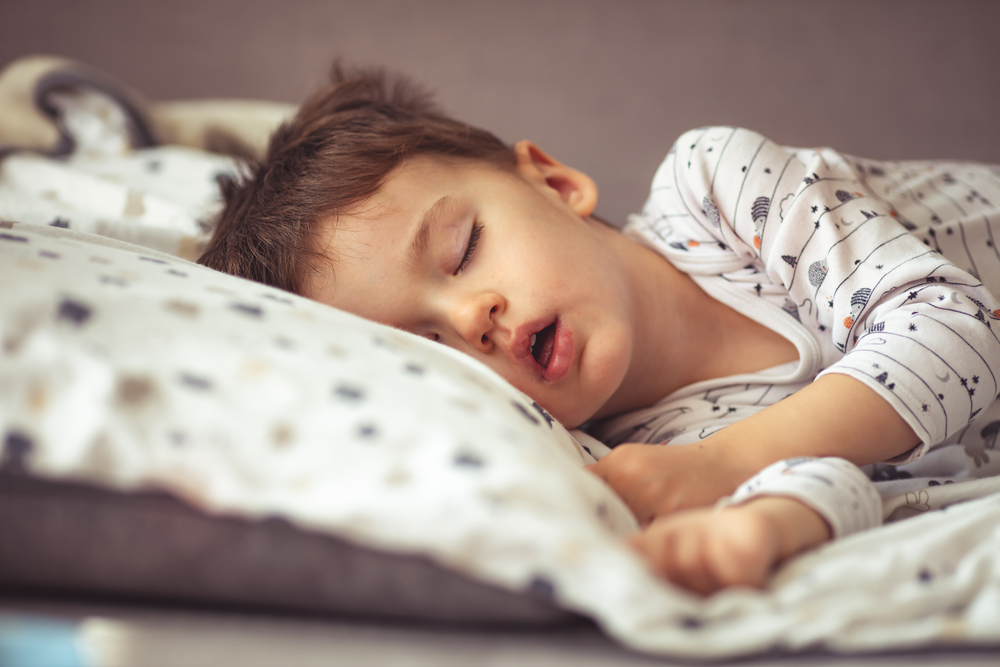
One of the most common reasons people drool at night is simply the way they sleep.
When you’re lying on your side or stomach, gravity makes it easier for saliva to flow out of your mouth instead of being swallowed.
People who sleep on their backs are generally less likely to drool because saliva tends to remain in the mouth and throat rather than pooling near the lips.
You may notice more drooling if:
- You sleep on your side
- You sleep face-down
- You frequently sleep with your mouth open
2. Medication Side Effects

Certain medications can increase saliva production or affect swallowing, making nighttime drooling more likely.
Examples include:
- Some sedatives
- Certain antipsychotic medications
- Specific antibiotics
- Some medications used for neurological conditions
If drooling begins after starting a new medication, discuss it with your healthcare provider rather than stopping the medication on your own.
3. Nasal Congestion

When your nose is blocked, your body naturally shifts to mouth breathing.
Whether caused by:
- Allergies
- A cold
- Sinus infections
- Seasonal congestion
breathing through your mouth can increase the chances of saliva escaping while you sleep.
Many people notice that sleep drooling worsens during allergy season or when they’re fighting a respiratory infection.
4. A Deviated Septum

A deviated septum occurs when the wall separating the nasal passages is significantly off-center.
This can restrict airflow through the nose and contribute to chronic mouth breathing, especially at night.
Possible symptoms include:
- Difficulty breathing through one nostril
- Frequent congestion
- Snoring
- Sleep-related mouth breathing
An ear, nose, and throat (ENT) specialist can determine whether a deviated septum is contributing to your symptoms.
5. Sleep Apnea

Sleep apnea is a condition in which breathing repeatedly stops and starts during sleep.
Because airflow becomes disrupted, many people with sleep apnea breathe through their mouths, which may increase drooling.
Other warning signs include:
- Loud snoring
- Gasping during sleep
- Morning headaches
- Daytime fatigue
- Difficulty concentrating
Sleep apnea can affect long-term health and should be evaluated by a healthcare professional if suspected.
6. Dental Problems or Oral Infections

Conditions affecting the mouth can sometimes stimulate increased saliva production.
Examples include:
- Gum disease
- Tooth infections
- Cavities
- Mouth sores
- Oral inflammation
You may also experience:
- Pain while chewing
- Swelling
- Bleeding gums
- Tooth sensitivity
If these symptoms accompany drooling, a dental evaluation is recommended.
7. Acid Reflux (GERD)

Gastroesophageal reflux disease (GERD) can sometimes cause excessive saliva production.
People with GERD may experience:
- Frequent heartburn
- Sour taste in the mouth
- Difficulty swallowing
- Chronic throat irritation
The body’s response to acid irritation can sometimes increase saliva production, leading to drooling during sleep.
8. Neurological Conditions

Certain neurological disorders can affect muscle control and swallowing ability.
Conditions associated with increased drooling include:
- Parkinson’s disease
- Stroke
- Cerebral palsy
- ALS
- Multiple neurological disorders affecting facial muscles or swallowing
It’s important to note that drooling alone does not indicate a neurological condition. However, drooling accompanied by other neurological symptoms warrants medical evaluation.
9. Teeth Grinding (Bruxism)

Grinding or clenching your teeth while sleeping can contribute to excess saliva buildup.
People who grind their teeth may also experience:
- Jaw soreness
- Morning headaches
- Tooth sensitivity
- Worn tooth surfaces
Night guards and other dental treatments can help protect the teeth and reduce related symptoms.
10. Pregnancy

Some pregnant women experience increased saliva production, a condition known as ptyalism gravidarum.
Hormonal changes, nausea, acid reflux, and changes in swallowing patterns may all contribute.
This symptom is usually temporary and often improves after pregnancy.
6 Ways to Reduce Sleep Drooling
If nighttime drooling is becoming bothersome, these strategies may help.
1. Try Sleeping on Your Back

Changing sleep position is often the simplest solution.
Sleeping on your back may help prevent saliva from escaping as easily as it does when lying on your side or stomach.
2. Stay Hydrated

Dehydration can sometimes lead to thicker saliva, which may contribute to mouth-related discomfort.
Drinking enough water throughout the day supports normal saliva production and oral health.
3. Address Nasal Congestion
Improving nasal airflow can reduce mouth breathing.
Depending on the cause, options may include:
- Saline nasal sprays
- Allergy management
- Humidifiers
- Medical treatment for sinus issues
Always consult a healthcare professional if symptoms persist.
4. Consider Oral Appliances

Certain dental devices may help improve airway positioning during sleep and reduce mouth breathing.
These devices are sometimes used for:
- Snoring
- Mild sleep apnea
- Jaw positioning issues
A dentist or sleep specialist can recommend appropriate options.
5. Treat Underlying Sleep Apnea

If sleep apnea is contributing to drooling, proper treatment often helps.
A CPAP (Continuous Positive Airway Pressure) machine can improve breathing during sleep and may reduce associated symptoms, including drooling.
6. Explore Medical Treatments for Severe Cases

In rare situations where excessive saliva production significantly affects quality of life, healthcare providers may recommend additional treatments.
Depending on the cause, options may include:
- Prescription medications
- Specialized therapies
- Botox injections into salivary glands
- Surgical procedures (usually reserved for severe cases)
These treatments are generally considered only when other approaches have not been successful.

When Should You See a Doctor?

Most cases of sleep drooling are harmless.
However, it’s worth seeking medical advice if drooling:
- Begins suddenly
- Becomes significantly worse
- Interferes with sleep quality
- Causes choking or coughing during sleep
- Occurs alongside swallowing difficulties
- Is accompanied by facial weakness
- Occurs with speech changes
- Is associated with persistent heartburn
- Comes with pain in the mouth, jaw, or throat
These symptoms may indicate an underlying condition that requires evaluation.
The Bottom Line

Drooling during sleep is extremely common and, in most cases, completely harmless. Often, it’s simply the result of sleeping position, nasal congestion, or temporary changes in breathing patterns.
However, excessive or persistent drooling can sometimes signal issues such as sleep apnea, acid reflux, dental problems, or other medical conditions.
If drooling becomes frequent, worsens unexpectedly, or occurs alongside other symptoms, a conversation with your healthcare provider can help identify the cause and determine whether treatment is needed.
A good night’s sleep is important for your overall health, and understanding what’s happening while you sleep is one more step toward protecting it.
Medical Disclaimer: This article is for informational purposes only and should not be considered medical advice. If you have concerns about excessive drooling, sleep disturbances, or any related symptoms, consult a qualified healthcare professional for proper evaluation and treatment.