Nuts are often praised as one of the healthiest snacks you can eat, especially when it comes to supporting brain health. Packed with healthy fats, vitamins, minerals, and antioxidants, they have earned a reputation as a “brain food.” But not all nuts—and certainly not all nut products—are created equal.
While some varieties may help support memory, cognitive function, and healthy aging, others can become problematic when they’re heavily processed, loaded with salt, contaminated by toxins, or prepared using unhealthy oils.
So which nuts deserve a place in your diet, and which ones should be eaten more cautiously? Let’s take a closer look.
Why Nuts Are Considered Brain-Friendly Foods

Researchers have spent years studying the connection between nut consumption and cognitive health. Many studies suggest that people who regularly eat nuts may experience slower cognitive decline as they age and could potentially reduce their risk of dementia.
The benefits likely stem from several nutritional advantages. Nuts contain heart-healthy fats that support blood flow to the brain, antioxidants that help protect cells from damage, and anti-inflammatory compounds that may reduce chronic inflammation linked to neurodegenerative diseases.
Healthy circulation is particularly important because the brain depends on a constant supply of oxygen and nutrients. By supporting cardiovascular health, nuts may indirectly help preserve cognitive function over time.
However, the positive effects are most noticeable when nuts are consumed in reasonable portions and as part of an overall healthy diet.
Peanuts: A Budget-Friendly Snack With One Important Caveat
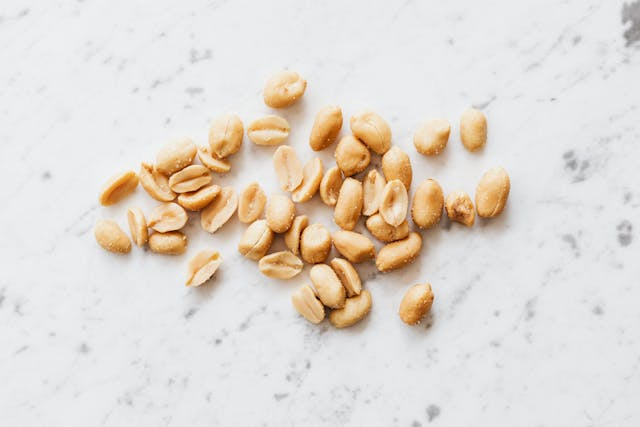
Although most people think of peanuts as nuts, they’re technically legumes. Nutritionally, they can still offer valuable protein, fiber, and healthy fats.
The primary concern isn’t the peanut itself—it’s the potential for contamination. Peanuts are particularly vulnerable to aflatoxins, naturally occurring toxins produced by certain molds that can develop during growing, harvesting, or storage.
Long-term exposure to aflatoxins has been linked to serious health risks, including liver damage. Emerging research also suggests these toxins may negatively affect the nervous system and immune function.
The safest approach is to buy peanuts from reputable sources, store them properly, and avoid any that smell musty, taste unusual, or show visible signs of mold.
Salted Pistachios: Healthy Nut, Unhealthy Preparation

Pistachios are rich in fiber, potassium, healthy fats, and antioxidants. On their own, they can be a smart addition to a brain-supportive eating plan.
The problem arises when pistachios are heavily salted or coated with artificial flavorings. Excess sodium can contribute to high blood pressure, one of the leading risk factors for stroke, vascular damage, and cognitive decline.
Many commercial pistachio products contain surprisingly high amounts of salt, making it easy to consume more sodium than intended.
Choosing unsalted or lightly salted pistachios allows you to enjoy their nutritional benefits without the drawbacks associated with excessive sodium intake.
Fried Cashews and Processed Nut Mixes

Cashews are naturally rich in healthy fats, magnesium, and plant-based nutrients. However, they often appear in heavily processed snack mixes that can undermine their health benefits.
Deep-fried nuts and snack blends are frequently prepared using oils that have been repeatedly heated. This process can create oxidized compounds that contribute to inflammation and cellular stress throughout the body.
Research increasingly links highly processed foods to poorer cognitive outcomes and a greater risk of neurodegenerative disease over time.
If you’re choosing cashews for their nutritional value, opt for raw or dry-roasted varieties and avoid heavily fried snack mixes whenever possible.
Brazil Nuts: Powerful Nutrition in Small Amounts

Brazil nuts stand out because they are one of the richest dietary sources of selenium, an essential mineral that plays a role in antioxidant protection and immune function.
While selenium is important for health, more isn’t always better. Brazil nuts contain such high concentrations that consuming large quantities regularly may lead to excessive selenium intake.
Too much selenium can cause symptoms ranging from brittle nails and hair loss to more serious health complications if consumed in extreme amounts over long periods.
For most adults, one or two Brazil nuts per day is enough to provide substantial nutritional benefits without approaching excessive levels.
Walnuts: One of the Best Nuts for Brain Health

When scientists discuss foods that support cognitive function, walnuts consistently make the list.
Walnuts are unique among tree nuts because they provide significant amounts of alpha-linolenic acid (ALA), a plant-based omega-3 fatty acid. Omega-3 fats are well known for supporting brain function, reducing inflammation, and promoting cardiovascular health.
In addition to healthy fats, walnuts contain polyphenols and other antioxidant compounds that may help protect brain cells from oxidative damage.
Several observational studies have found that individuals who consume walnuts regularly tend to perform better on cognitive assessments and may experience slower age-related cognitive decline.
Adding a small handful of walnuts to oatmeal, salads, yogurt, or smoothies is a simple way to incorporate them into your daily routine.
Almonds and Hazelnuts: Rich Sources of Vitamin E

Almonds and hazelnuts are particularly valuable because of their high vitamin E content.
Vitamin E acts as an antioxidant, helping protect cell membranes—including those in the brain—from oxidative stress. Some research suggests that diets rich in vitamin E may support cognitive function and contribute to healthier brain aging.
These nuts also provide steady energy, healthy fats, fiber, and essential minerals that contribute to overall wellness.
Because they’re versatile and widely available, almonds and hazelnuts are among the easiest brain-friendly snacks to include in a balanced diet.
Pecans: Antioxidant Powerhouses

Pecans often receive less attention than walnuts or almonds, but they offer impressive nutritional benefits of their own.
They contain a variety of antioxidants and polyphenols that help combat oxidative stress, one of the key factors involved in aging and cognitive decline.
Pecans also provide heart-healthy monounsaturated fats, which support healthy blood flow and cardiovascular function.
As with all nuts, moderation is important. A small handful can deliver significant nutritional value without excessive calories.
How Many Nuts Should You Eat?

When it comes to nuts, more isn’t necessarily better. Research generally points toward moderate daily consumption rather than large servings.
A small handful—roughly 30 grams or about one ounce per day—appears to provide the greatest benefits for both brain and overall health.
For a balanced approach, consider rotating among several varieties, including:
- Walnuts
- Almonds
- Hazelnuts
- Pecans
- Pistachios (preferably unsalted)
At the same time, be mindful of highly processed nut products, excessive salt, added sugars, and poor storage conditions that can reduce nutritional quality.
The Bottom Line
Nuts can be a valuable part of a brain-healthy lifestyle when chosen wisely. Research continues to suggest that regular consumption of nutrient-rich nuts may support memory, cognitive performance, and healthy aging.
Among the strongest choices are walnuts, almonds, hazelnuts, and pecans, thanks to their healthy fats, antioxidants, and protective plant compounds. Meanwhile, heavily salted pistachios, fried nut mixes, poorly stored peanuts, and excessive amounts of Brazil nuts deserve a more cautious approach.
Ultimately, the greatest benefits come from moderation, variety, and quality. Pairing a daily handful of nuts with regular exercise, quality sleep, stress management, and a diet rich in whole foods may help support brain health for years to come.
Disclaimer: This article is intended for educational purposes only and should not be considered medical advice. Always consult a qualified healthcare professional regarding questions about your health, medications, or dietary needs.