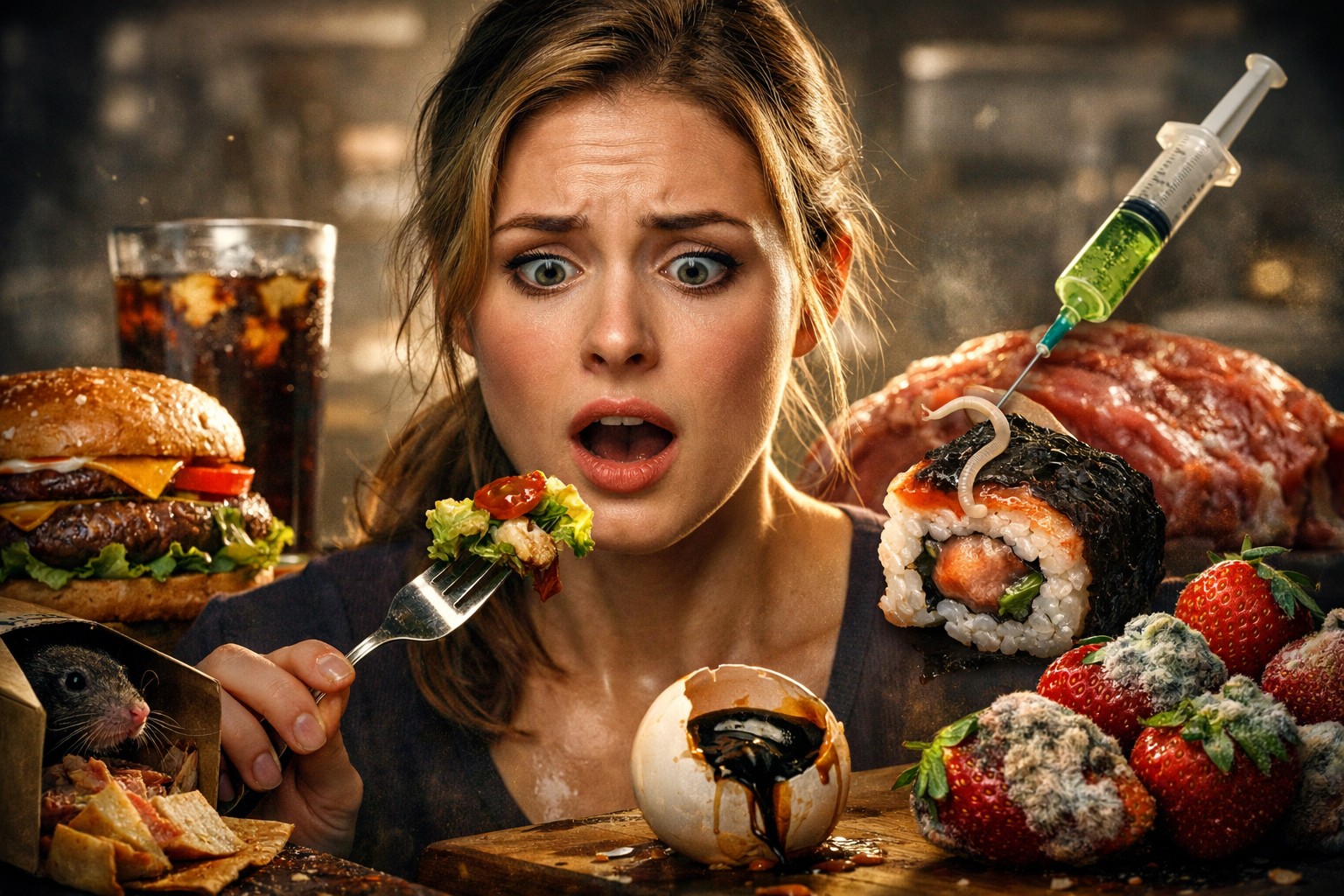
9 Common Foods That Can Cause Food Poisoning If Not Handled Properly
Most people rarely think about food poisoning until they experience it firsthand. Yet every year, millions of people become ill from contaminated food. The good news is that many cases can be prevented through proper food handling, storage, and preparation.
Foodborne illnesses occur when foods become contaminated with harmful bacteria, viruses, parasites, or toxins. While many people associate food poisoning with questionable street food or poorly maintained restaurants, the reality is that some of the most common sources are foods found in everyday kitchens.
Certain groups—including young children, older adults, pregnant women, and individuals with weakened immune systems—face a greater risk of developing serious complications from foodborne illnesses.
Here are nine foods that require extra attention to help reduce your risk.
1. Unwashed Fruits and Vegetables

Fresh produce is an essential part of a healthy diet, but it can sometimes carry harmful microorganisms.
Leafy greens and vegetables may become contaminated at various stages of production, from irrigation water and soil to harvesting equipment and transportation. Bacteria such as E. coli, Salmonella, and Listeria have all been linked to outbreaks involving raw produce.
Lettuce, spinach, kale, cabbage, celery, and tomatoes have been associated with foodborne illness outbreaks in the past.
To reduce risk, wash fruits and vegetables thoroughly under running water before eating them, especially if they will be consumed raw. It’s also wise to discard any produce that appears spoiled or slimy.
2. Raw Sprouts

Sprouts may seem like a healthy addition to salads and sandwiches, but they are one of the foods most frequently linked to bacterial contamination.
Whether they’re alfalfa, mung bean, clover, or radish sprouts, the warm and humid conditions required for sprouting also create an ideal environment for bacteria such as Salmonella, E. coli, and Listeria to multiply.
Because these bacteria can grow inside the sprout itself, simply rinsing them may not eliminate the risk.
Cooking sprouts thoroughly is the safest option, particularly for pregnant women, older adults, and people with weakened immune systems.
3. Raw or Undercooked Eggs

Eggs are packed with protein and nutrients, but they can occasionally harbor Salmonella bacteria.
Contamination may occur on the shell or, in some cases, inside the egg before the shell forms. While food safety measures have reduced the number of outbreaks in recent years, the risk still exists.
Avoid using eggs with cracked or dirty shells, and choose pasteurized eggs when preparing recipes that call for raw or lightly cooked eggs, such as homemade dressings, sauces, or desserts.
4. Raw Fish and Shellfish
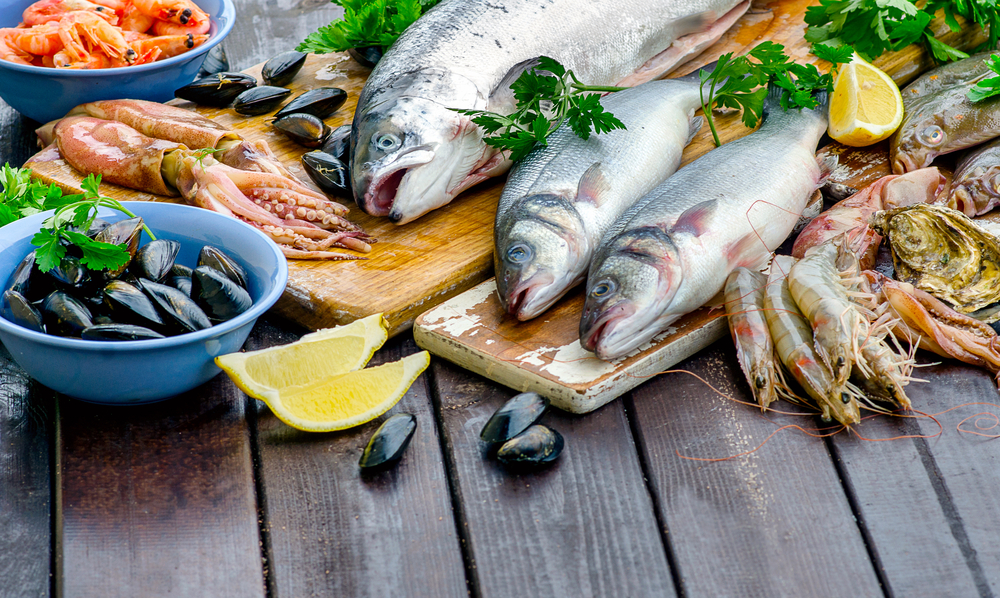
Seafood can pose unique food safety challenges.
Certain fish species can develop toxins if not stored at proper temperatures after being caught. Some toxins, such as those associated with scombroid poisoning, are not destroyed by cooking.
Additionally, tropical reef fish may contain naturally occurring toxins that cause ciguatera fish poisoning. Shellfish like oysters, mussels, and scallops can also accumulate toxins produced by algae in the water.
Purchasing seafood from reputable suppliers and keeping it properly refrigerated can significantly reduce potential risks.
5. Undercooked Poultry

Chicken, turkey, and duck are among the most common sources of foodborne illness when not cooked thoroughly.
Raw poultry often carries bacteria such as Campylobacter and Salmonella, which can spread easily during food preparation.
One common mistake is washing raw chicken before cooking. This practice does not remove bacteria and can actually spread contaminated droplets around the kitchen, increasing the risk of cross-contamination.
Instead, cook poultry to a safe internal temperature and thoroughly clean any surfaces or utensils that come into contact with raw meat.
6. Cooked Rice Left at Room Temperature
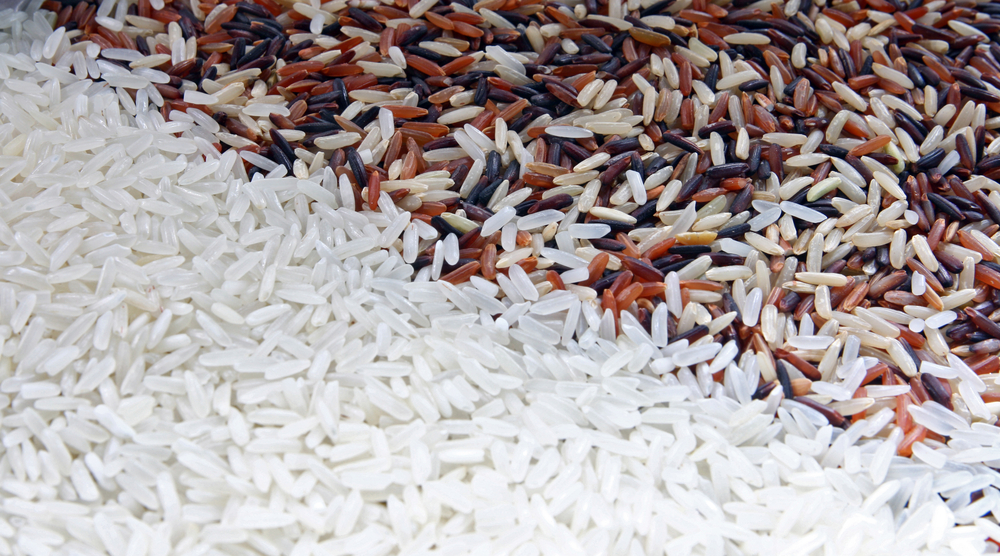
Many people are surprised to learn that rice can be a source of food poisoning.
Uncooked rice may contain spores of Bacillus cereus, a bacterium capable of surviving the cooking process. If cooked rice is left sitting at room temperature for several hours, those spores can grow and produce toxins that may cause nausea, vomiting, and diarrhea.
To stay safe, refrigerate leftover rice promptly and reheat it thoroughly before eating.
7. Unpasteurized Milk

Raw milk has gained popularity among some consumers seeking less processed foods, but health experts continue to warn about the risks.
Milk that has not undergone pasteurization may contain dangerous bacteria including E. coli, Salmonella, Campylobacter, and Listeria. Pasteurization is designed specifically to eliminate these harmful microorganisms without significantly affecting nutritional value.
Because contamination can occur during the milking process, health authorities generally recommend choosing pasteurized dairy products.
8. Rare or Raw Beef

Undercooked beef can contain harmful bacteria capable of causing serious illness.
Dishes that use raw beef, such as steak tartare or carpaccio, carry a higher risk of contamination. Ground beef presents an even greater concern because bacteria on the surface of the meat can become mixed throughout during processing.
Cooking beef to a safe internal temperature is one of the most effective ways to reduce the risk of foodborne illness.
9. Deli Meats and Processed Meats

Deli meats such as ham, turkey slices, bologna, bacon, and hot dogs can sometimes become contaminated during processing or handling.
One particular concern is Listeria, a bacterium that can continue to grow even under refrigeration. This makes proper storage especially important.
Keep deli meats refrigerated, follow expiration dates, and heat products like hot dogs until steaming hot before eating, especially if you belong to a high-risk group.
Food Safety Tips to Protect Yourself
Preventing food poisoning often comes down to a few simple habits:
- Wash hands thoroughly before handling food.
- Keep raw meat separate from ready-to-eat foods.
- Cook foods to recommended temperatures.
- Refrigerate leftovers promptly.
- Avoid consuming expired or spoiled products.
- Clean kitchen surfaces and utensils regularly.
- Purchase food from reputable suppliers.
Final Thoughts
Food poisoning can range from a minor inconvenience to a serious health emergency. Fortunately, understanding which foods carry a higher risk—and knowing how to handle them safely—can dramatically reduce your chances of becoming ill.
A few extra precautions in the kitchen can go a long way toward protecting both you and your family from preventable foodborne illnesses.
Disclaimer
This article is intended for informational purposes only and should not be considered medical advice. If you suspect food poisoning or experience severe symptoms such as dehydration, high fever, persistent vomiting, or difficulty breathing, seek medical attention immediately.