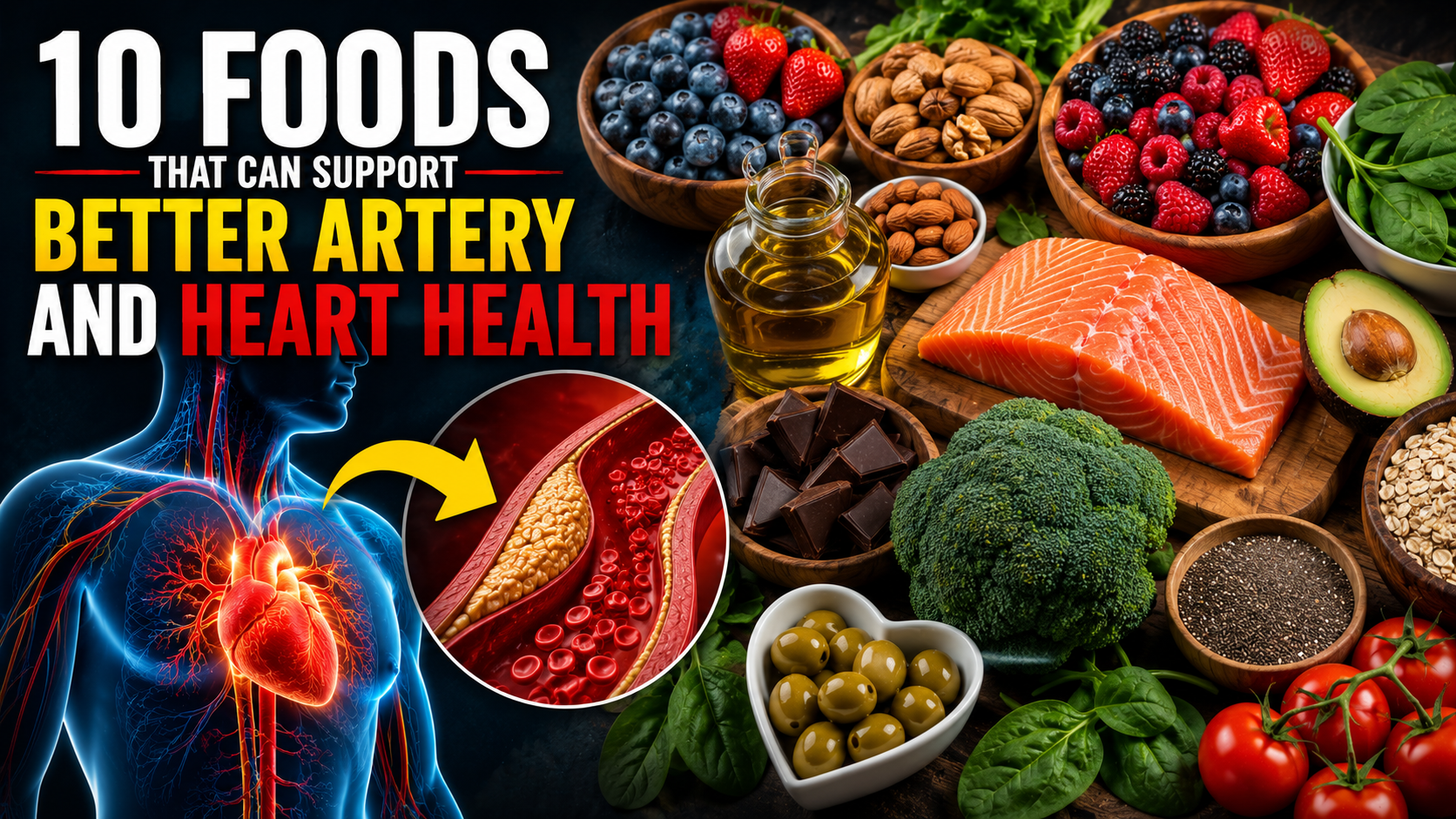
Heart disease remains one of the leading health concerns worldwide, and one of the biggest contributors is the gradual buildup of plaque inside the arteries. This condition, known as atherosclerosis, can develop silently over many years before causing serious complications such as heart attacks, strokes, or circulation problems.
Many people don’t realize they have artery disease until symptoms begin to appear. That’s why prevention is so important. Along with regular exercise, stress management, quality sleep, and avoiding tobacco, diet plays a major role in maintaining healthy blood vessels and reducing cardiovascular risk.
While no single food can magically clear blocked arteries, certain nutrient-rich foods contain compounds that may support heart health, reduce inflammation, and help maintain healthy cholesterol levels. Here’s a closer look at the signs of artery blockage and ten foods that can be valuable additions to a heart-friendly diet.
Understanding Clogged Arteries

Arteries are responsible for carrying oxygen-rich blood from the heart to the rest of the body. Healthy arteries are flexible and unobstructed, allowing blood to flow freely.
Over time, however, cholesterol, fats, calcium, and other substances can accumulate along artery walls, forming plaque. As plaque grows, arteries become narrower and less flexible, making it harder for blood to circulate efficiently.
This process can increase the risk of several serious conditions, including:
- Heart attacks
- Strokes
- Peripheral artery disease
- Chronic kidney disease
- High blood pressure
Because plaque buildup often progresses gradually, early prevention is essential.
Warning Signs of Blocked Arteries

The symptoms of clogged arteries vary depending on which blood vessels are affected.
Carotid Arteries (Supplying the Brain)
When plaque affects the arteries leading to the brain, symptoms may include:
- Sudden weakness or numbness
- Difficulty speaking
- Blurred vision
- Dizziness
- Loss of balance
- Severe headaches
- Confusion
- Unexplained falls
These symptoms may indicate a stroke or transient ischemic attack and require immediate medical attention.
Coronary Arteries (Supplying the Heart)
Blockages in the heart’s arteries may cause:
- Chest pain or pressure (angina)
- Pain radiating to the arms, neck, jaw, shoulders, or back
- Shortness of breath
- Irregular heartbeat
- Fatigue during physical activity
Renal Arteries (Supplying the Kidneys)
Reduced blood flow to the kidneys can contribute to:
- Elevated blood pressure
- Swelling in the hands and feet
- Fatigue
- Poor concentration
- Nausea
- Declining kidney function
Peripheral Arteries
Plaque buildup in the legs, arms, or pelvis may cause:
- Leg pain while walking
- Numbness
- Weakness
- Slow-healing wounds
- Reduced circulation
What Causes Artery Plaque to Build Up?
Atherosclerosis develops when the inner lining of the arteries becomes damaged, allowing cholesterol and other substances to accumulate.
Common risk factors include:
- High cholesterol
- High blood pressure
- Smoking
- Diabetes
- Obesity
- Chronic inflammation
- Physical inactivity
- Poor diet
- Excessive sugar intake
- Family history of cardiovascular disease
Fortunately, many of these factors can be improved through lifestyle changes.
10 Foods That Support Healthy Arteries
1. Turmeric
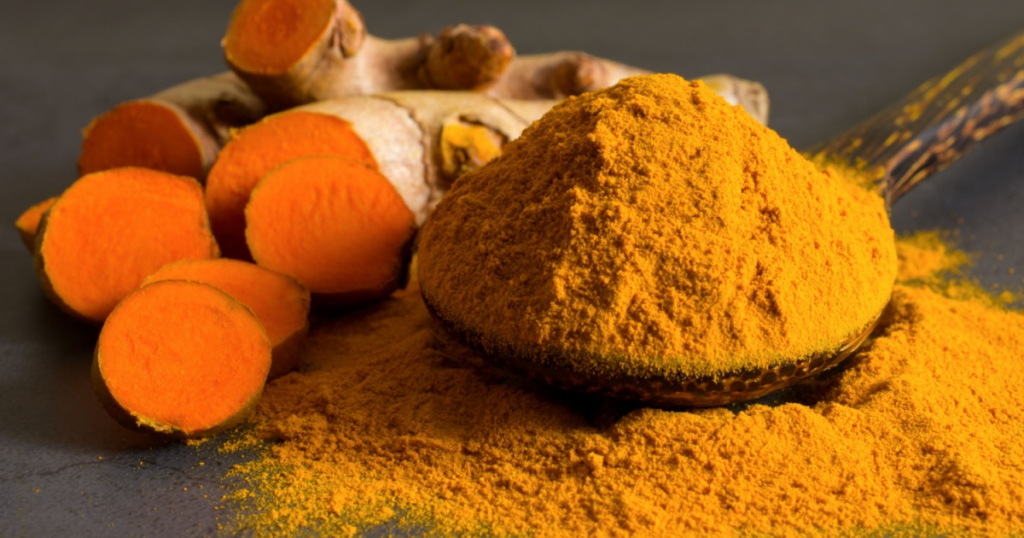
Turmeric contains curcumin, a powerful plant compound known for its antioxidant and anti-inflammatory properties.
Research suggests curcumin may help support healthy cholesterol levels and reduce inflammation that contributes to arterial damage. It has become one of the most widely studied natural compounds for cardiovascular health.
Easy Ways to Use It:
- Add to soups and stews
- Stir into rice dishes
- Blend into smoothies
- Use in herbal teas
2. Garlic
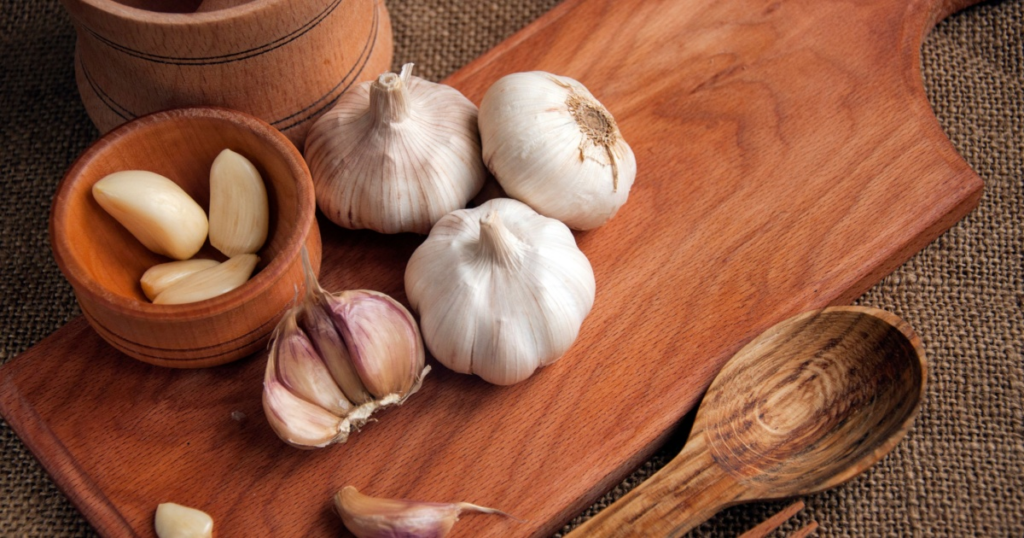
Garlic has long been valued for its potential cardiovascular benefits.
Studies suggest that garlic may help support healthy blood pressure levels, improve circulation, and contribute to maintaining healthy cholesterol levels. Its natural sulfur compounds are thought to play a role in protecting blood vessels.
Easy Ways to Use It:
- Add fresh garlic to vegetables
- Mix into sauces and dressings
- Roast whole cloves for a milder flavor
3. Ginger
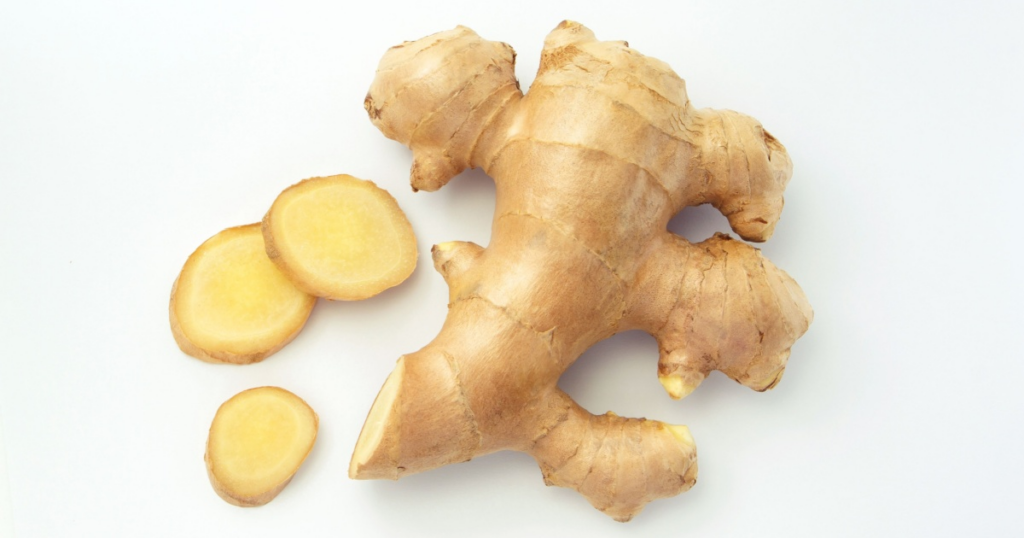
Ginger contains bioactive compounds such as gingerols and shogaols that have antioxidant and anti-inflammatory effects.
Some studies suggest ginger may help support healthy cholesterol levels and reduce oxidative stress, both of which are important for cardiovascular health.
Easy Ways to Use It:
- Brew fresh ginger tea
- Add to stir-fries
- Blend into smoothies
4. Cayenne Pepper
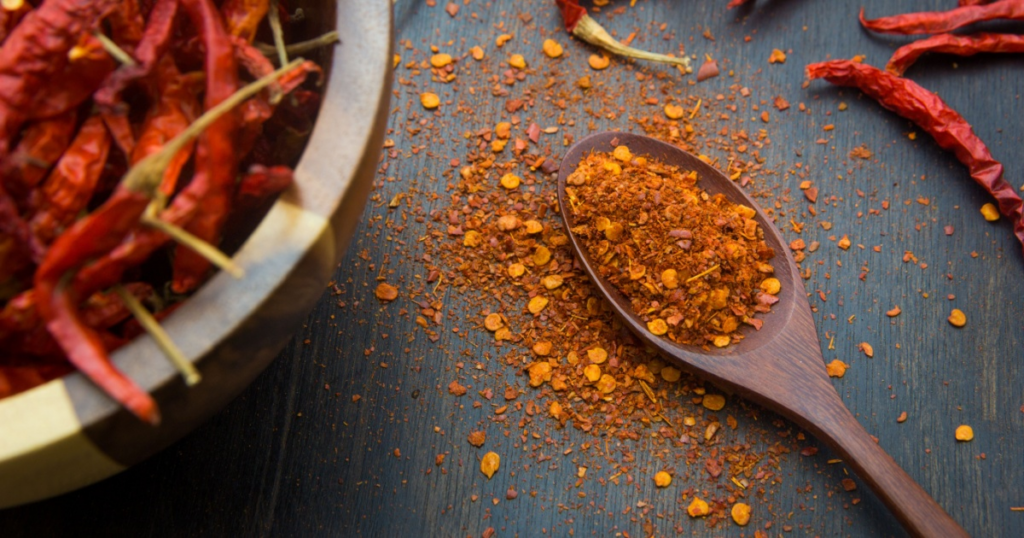
The active ingredient in cayenne pepper, capsaicin, has been studied for its potential effects on circulation and cardiovascular health.
Capsaicin may help support healthy blood vessel function and improve blood flow when consumed as part of a balanced diet.
Easy Ways to Use It:
- Sprinkle on roasted vegetables
- Add to soups
- Use in marinades and sauces
5. Lemons
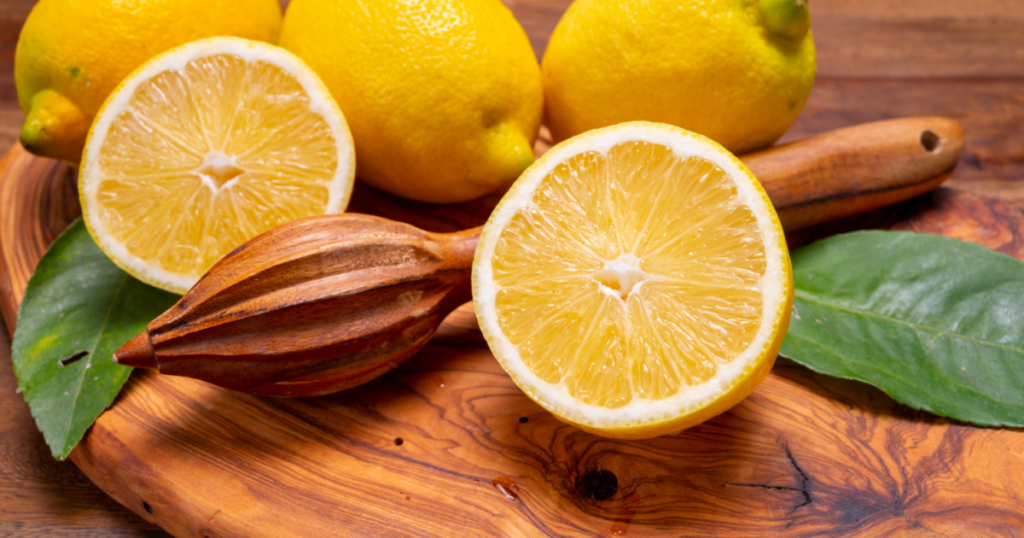
Lemons are rich in vitamin C and other antioxidants that help combat oxidative stress.
Vitamin C plays an important role in maintaining healthy blood vessels and supporting collagen production, which contributes to artery strength and flexibility.
Easy Ways to Use It:
- Add fresh lemon juice to water
- Use in salad dressings
- Squeeze over fish and vegetables
6. Cinnamon
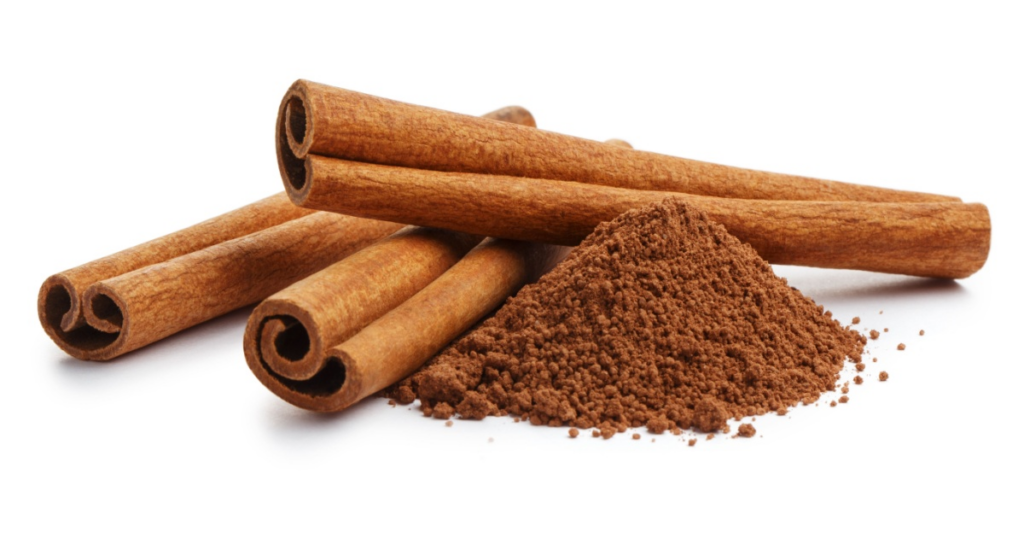
Cinnamon is more than a flavorful spice. Research has suggested it may help support healthy blood sugar, cholesterol, and triglyceride levels when consumed regularly as part of a healthy lifestyle.
Easy Ways to Use It:
- Sprinkle on oatmeal
- Add to yogurt
- Mix into smoothies or coffee
7. Ground Flaxseed
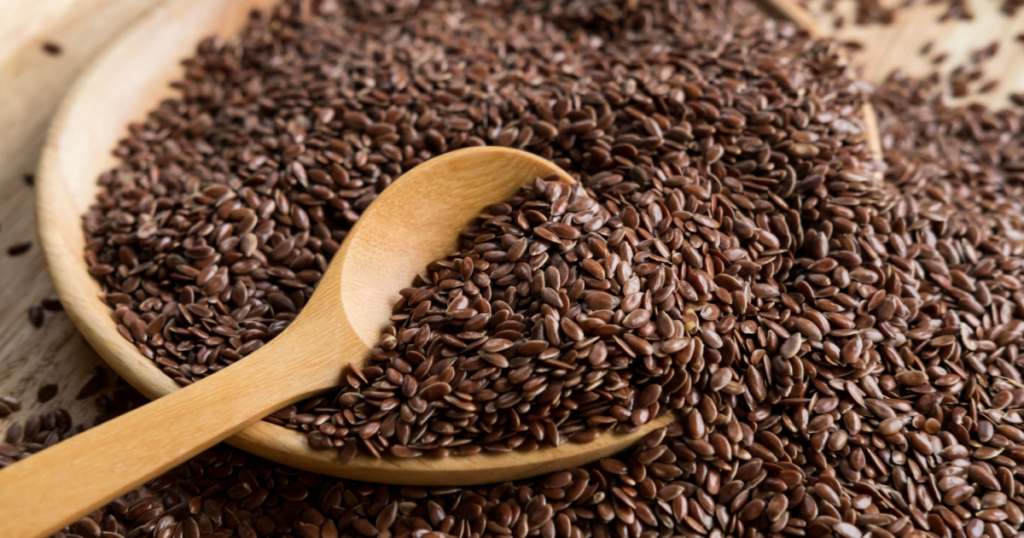
Flaxseed is packed with fiber and plant-based omega-3 fatty acids.
These nutrients may help support healthy cholesterol levels and reduce inflammation, both of which are important for maintaining healthy arteries.
Easy Ways to Use It:
- Add to smoothies
- Mix into oatmeal
- Stir into yogurt
For maximum nutritional benefits, freshly ground flaxseed is often preferred.
8. Fermented Cabbage
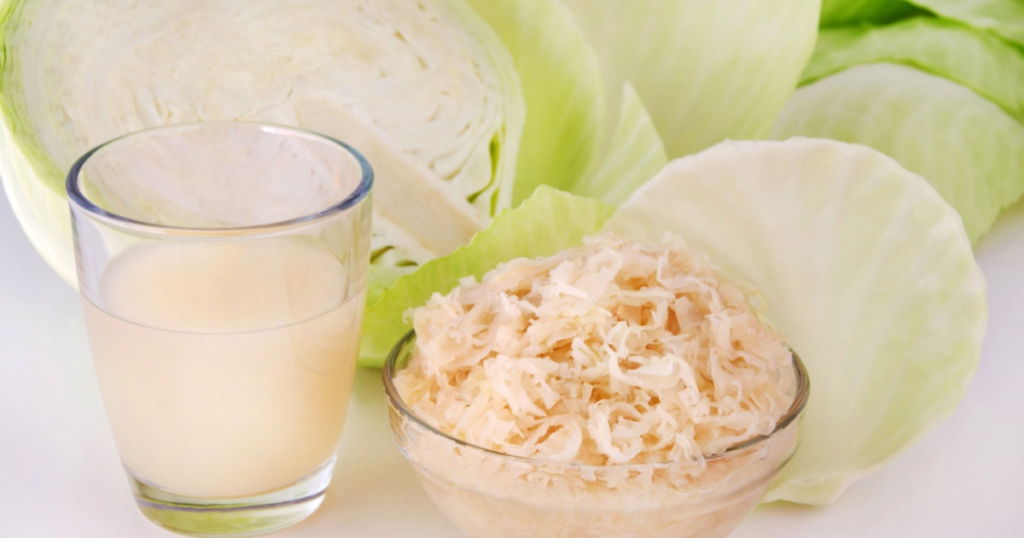
Fermented cabbage products such as sauerkraut and kimchi provide beneficial probiotics that support gut health.
Emerging research suggests that gut health may influence inflammation levels throughout the body, including those affecting cardiovascular health.
Easy Ways to Use It:
- Serve as a side dish
- Add to sandwiches
- Include in grain bowls
9. Sesame Seeds
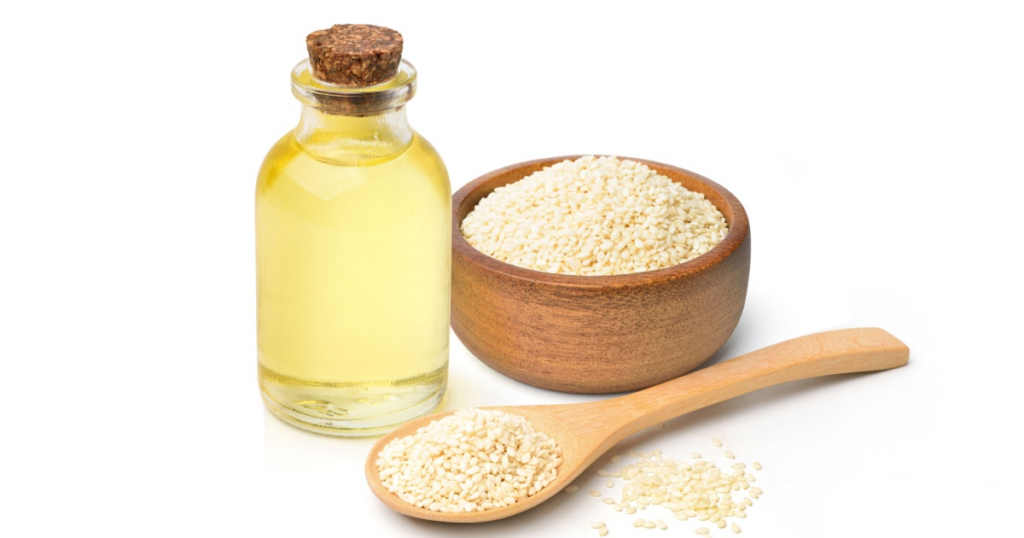
Sesame seeds provide healthy fats, antioxidants, and minerals that may contribute to cardiovascular wellness.
Some research suggests sesame products may help support healthy cholesterol levels and overall vascular function.
Easy Ways to Use It:
- Sprinkle on salads
- Add to stir-fries
- Blend into homemade dressings
10. Pomegranate
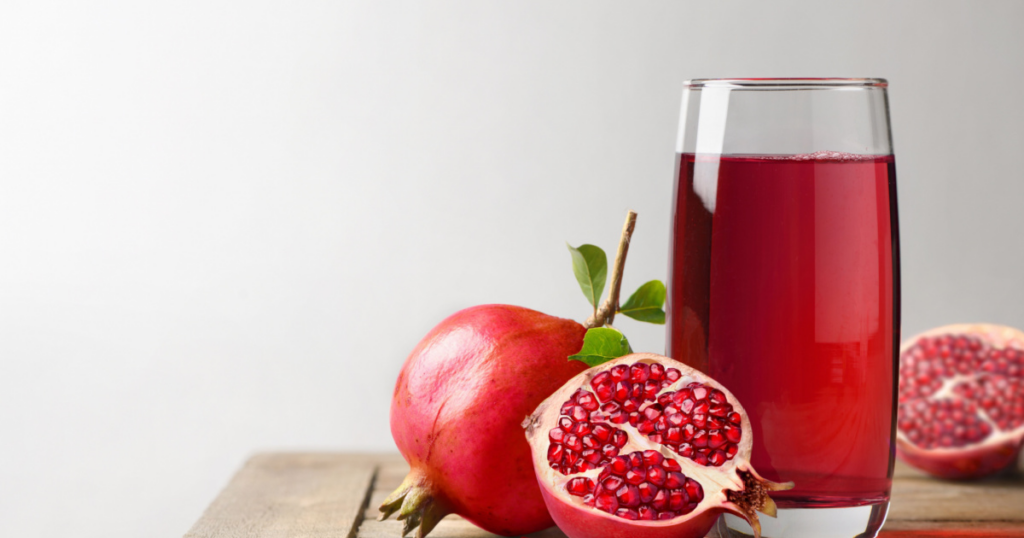
Pomegranates are rich in polyphenols and antioxidants that may help protect blood vessels from oxidative damage.
Several studies have examined the potential role of pomegranate juice in supporting arterial health and circulation.
Easy Ways to Use It:
- Drink unsweetened pomegranate juice
- Add seeds to salads
- Mix into yogurt or oatmeal
Additional Foods That Support Heart Health
Many other nutritious foods can contribute to healthy circulation and cardiovascular function, including:
- Avocados
- Broccoli
- Asparagus
- Chia seeds
- Walnuts
- Fatty fish
- Leafy green vegetables
- Legumes
- Berries
A diverse diet rich in whole foods provides the widest range of nutrients for optimal heart health.
Lifestyle Habits Matter Just as Much
Even the healthiest foods work best when combined with healthy daily habits.
To support your arteries and cardiovascular system:
- Exercise regularly
- Maintain a healthy weight
- Manage stress effectively
- Avoid smoking
- Limit highly processed foods
- Prioritize quality sleep
- Monitor blood pressure and cholesterol levels
Experts generally recommend at least 150 minutes of moderate physical activity each week for cardiovascular health.
Can Artery Plaque Be Reduced?
While advanced plaque buildup may not disappear completely, research suggests that healthy lifestyle changes can slow progression and, in some cases, help stabilize or partially reduce plaque accumulation.
Improvements in diet, exercise habits, weight management, and medical treatment when needed can significantly lower the risk of future cardiovascular events.
The Bottom Line
Healthy arteries are essential for a healthy heart and a longer life. Although genetics and age play a role, many of the factors that contribute to artery disease are within our control.
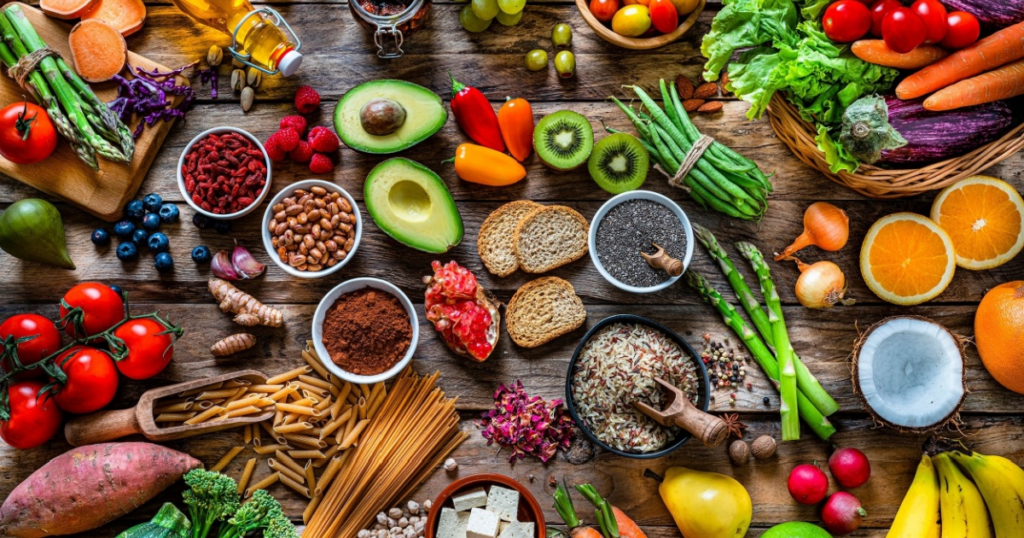
Building your meals around nutrient-rich foods such as turmeric, garlic, ginger, flaxseed, pomegranate, and other whole foods can help support cardiovascular wellness. Combined with regular exercise, good sleep, stress management, and routine medical care, these choices can make a meaningful difference in protecting your heart for years to come.
Small daily habits may seem insignificant at first, but over time they can have a powerful impact on the health of your arteries and the strength of your heart.
Sources
- “What Is Atherosclerosis?” WebMD website; https://www.webmd.com/heart-disease/what-is-atherosclerosis, last accessed August 14, 2015.
- “Clogged Arteries (Arterial Plaque),” WebMD website; https://www.webmd.com/heart-disease/clogged-arteries-arterial-plaque, last accessed August 14, 2015.
- “What Causes Atherosclerosis?” National Heart, Lung, and Blood Institute web site; https://www.nhlbi.nih.gov/health/health-topics/topics/atherosclerosis/causes, last accessed August 14, 2015.
- “Leading Causes of Death,” Centers for Disease Control and Prevention web site; https://www.cdc.gov/nchs/fastats/leading-causes-of-death.htm, last accessed August 14, 2015.
- “What Are the Signs and Symptoms of Atherosclerosis?” National Heart, Lung, and Blood Institute web site; https://www.nhlbi.nih.gov/health/health-topics/topics/atherosclerosis/signs, last accessed August 14, 2015.
- “Is It Possible to Unclog Your Arteries?,” Healthline.com, June 23, 2014; https://www.healthline.com/health/heart-disease/how-to-unclog-arteries.
- , last accessed August 14, 2015.
- Shin, S.K., et al., “Long-term curcumin administration protects against atherosclerosis via hepatic regulation of lipoprotein cholesterol metabolism,” Molecular Nutrition & Food Research, 2011; 55(12): 1829-1840.
- Yang, X., et al., “Curcumin inhibits platelet-derived growth factor-stimulated vascular smooth muscle cell function and injury-induced neointima formation,” Arteriosclerosis, Thrombosis, and Vascular Biology, 2006; 26(1): 85-90.
- Koscielny, J., et al., “The antiatherosclerotic effect of Allium sativum,” Atherosclerosis, 1999; 144(1): 237-249.
- Orekhov, A.N., et al., “Effects of garlic on atherosclerosis,” Nutrition, 1997; 13(7-8): 656-663.
- Siegel, G., et al., “[Pleiotropic effects of garlic],” Wiener Medizinische Wochenschnift, 1999; 149(8-10): 217-224.
- Fuhrman, B., et al., “Ginger extract consumption reduces plasma cholesterol, inhibits LDL oxidation and attenuates development of atherosclerosis in atherosclerotic, apolipoprotein E-deficient mice,” Journal of Nutrition, 2000; 130(5): 1124-1131.
- Dhadwal, A.K., et al., “Capsaicin blocks HIV protease inhibitor ritonavir-induced vascular dysfunction in porcine pulmonary arteries,” Medical Science Monitor, 2009; 15(1): BR1-5.
- Kato, Y., et al., “Effect on Blood Pressure of Daily Lemon Ingestion and Walking,” https://www.ncbi.nlm.nih.gov/pmc/articles/PMC4003767/, Journal of Nutrition and Metabolism, 2014, last accessed August 14, 2015.
- Khan, A., et al., “Cinnamon improves glucose and lipids of people with type 2 diabetes,” Diabetes Care, 2003; 26(12): 3215-3218.
- Prasad, K., “Dietary flax seed in prevention of hypercholesterolemic atherosclerosis,” Atherosclerosis, 1997; 132(1): 69-76.
- Kim, H.J., et al., “3-(4’-hydroxyl-3’, 5’-dimethoxyphenyl) propionic acid, an active principle of kimchi, inhibits development of atherosclerosis in rabbits,” Journal of Agricultural and Food Chemistry, 2007; 55(25): 10486-92.
- Bhaskaran, S., et al., “Inhibition of atherosclerosis in low-density lipoprotein receptor-negative mice by sesame oil,” Journal of Medicinal Food, 2006; 9(4): 487-490.
- Davidson, M.H., et al., “Effects of consumption of pomegranate juice on carotid intima-media thickness in men and women at moderate risk for coronary heart disease,” American Journal of Cardiology, 2009; 104(7): 936-942.