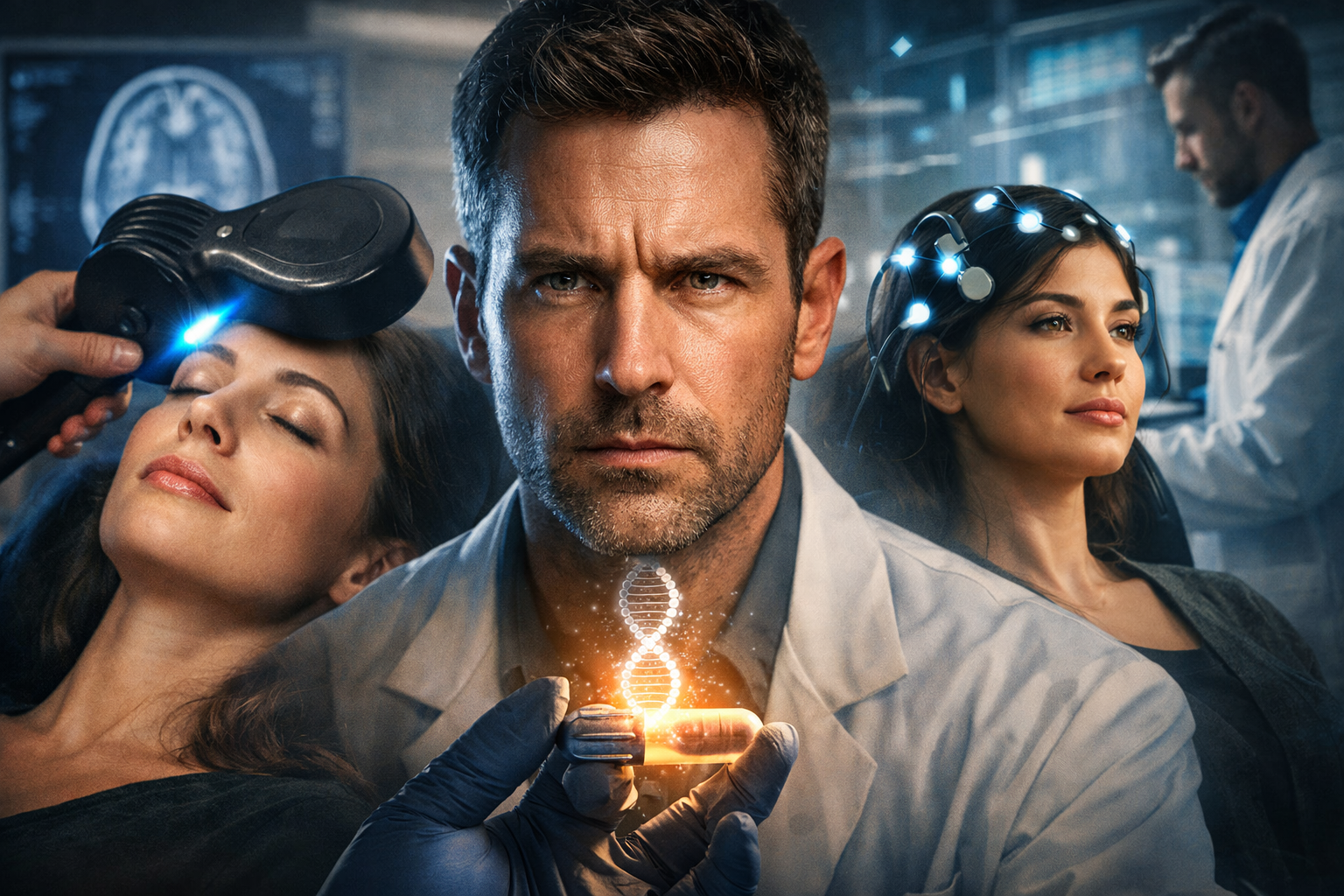
Modern medicine has made remarkable progress over the past century. From advanced surgical procedures to life-saving medications, healthcare has transformed countless lives. Yet despite these achievements, researchers are increasingly focused on a different question: What if effective treatment could be delivered with less discomfort, fewer risks, and shorter recovery times?
This question has fueled growing interest in noninvasive therapies. Unlike traditional treatments that may require surgery, incisions, or extensive physical intervention, noninvasive approaches aim to diagnose, manage, or treat medical conditions without entering the body through surgical procedures.
From focused ultrasound and wearable health technologies to advanced imaging-guided therapies and innovative rehabilitation techniques, noninvasive medicine is becoming one of the most exciting areas of healthcare research.
Scientists are not exploring these approaches simply because they are convenient. They are investigating them because they may offer meaningful benefits for patients, healthcare systems, and long-term treatment outcomes.
Here are nine important reasons why researchers continue investing time, resources, and innovation into noninvasive therapies.
1. They May Reduce Treatment Risks
One of the biggest advantages of noninvasive therapies is the potential to lower treatment-related risks.
Every medical procedure carries some level of risk. Surgical interventions, while often necessary and highly effective, can involve complications such as infection, bleeding, anesthesia-related issues, and extended recovery periods.
Noninvasive approaches aim to minimize many of these concerns.
When treatments can be delivered without incisions or major physical disruption, patients may experience fewer complications and a lower likelihood of adverse events.
This potential safety advantage is one reason researchers are eager to explore alternatives whenever appropriate.
Reducing risk is not only beneficial for patients but can also improve healthcare efficiency and outcomes.
2. Recovery Time Is Often Shorter
Recovery can be one of the most challenging aspects of medical treatment.
Many surgical procedures require days, weeks, or even months of healing before patients can return to normal activities.
Noninvasive therapies frequently offer a different experience.
Because these treatments often place less stress on the body, recovery periods may be significantly shorter. Some procedures allow individuals to resume daily activities almost immediately.
For patients balancing work, family responsibilities, and personal commitments, shorter recovery times can make a meaningful difference in quality of life.
Researchers continue exploring therapies that maximize benefits while minimizing disruption to everyday living.
3. They Can Improve Patient Comfort
Healthcare experiences can be stressful.
Fear of pain, hospitalization, or invasive procedures sometimes causes individuals to delay seeking medical care, even when treatment is important.
Noninvasive options may help reduce these concerns.
When therapies are less physically demanding, patients often feel more comfortable discussing treatment options and participating in recommended care plans.
Improved patient comfort can contribute to better treatment adherence and greater overall satisfaction.
Scientists recognize that successful healthcare involves more than clinical outcomes alone. The patient experience matters as well.
4. Technology Is Expanding New Possibilities
Recent technological advances have dramatically increased the potential of noninvasive medicine.
Researchers now have access to tools that would have seemed impossible only a few decades ago.
Examples include:
- Focused ultrasound systems
- Advanced medical imaging
- Artificial intelligence-assisted diagnostics
- Wearable monitoring devices
- Robotic rehabilitation technologies
- Precision-guided treatment platforms
These innovations allow clinicians to target specific tissues, monitor health in real time, and personalize interventions with remarkable accuracy.
As technology continues evolving, researchers believe noninvasive therapies may become even more effective and versatile.
5. They May Increase Access to Healthcare
Accessibility remains one of healthcare’s biggest challenges.
In many parts of the world, specialized surgical facilities, advanced equipment, and highly trained specialists may not be readily available.
Certain noninvasive therapies have the potential to improve access by simplifying treatment delivery and reducing infrastructure requirements.
Some technologies can be used in outpatient settings rather than hospitals, while others allow for remote monitoring and telemedicine support.
Expanding access to effective treatment remains a major goal for healthcare systems worldwide, and noninvasive approaches may play an important role in achieving that objective.
6. Researchers Are Seeking More Personalized Care
Medicine is increasingly moving toward personalization.
Scientists now understand that individuals often respond differently to the same treatments due to genetics, lifestyle factors, health conditions, and environmental influences.
Noninvasive technologies frequently generate large amounts of patient-specific data that can support personalized care strategies.
Wearable devices, imaging systems, and digital health platforms allow healthcare providers to monitor patients more closely and adjust treatment plans based on individual needs.
This shift toward precision medicine aligns closely with the development of noninvasive therapeutic approaches.
7. They May Help Address Chronic Conditions
Chronic diseases represent one of the largest challenges facing modern healthcare.
Conditions such as:
- Heart disease
- Diabetes
- Arthritis
- Neurological disorders
- Chronic pain
- Respiratory illnesses
often require long-term management rather than short-term treatment.
Researchers are particularly interested in noninvasive therapies because many chronic conditions benefit from ongoing monitoring and repeated interventions.
Approaches that can be used regularly without significant discomfort or risk may improve long-term disease management and patient engagement.
As populations age worldwide, effective chronic disease solutions are becoming increasingly important.
8. They Support Earlier Intervention
In healthcare, timing often matters.
The earlier a condition is detected and treated, the better the potential outcome.
Many noninvasive diagnostic and therapeutic technologies enable healthcare providers to identify problems sooner than traditional methods.
Advanced imaging systems, wearable sensors, and monitoring tools can detect subtle changes before symptoms become severe.
Earlier intervention may help prevent complications, reduce disease progression, and improve overall treatment success.
Researchers continue exploring ways to make healthcare more proactive rather than reactive.
9. The Future of Medicine Is Becoming Less Invasive
Perhaps the most compelling reason scientists continue exploring noninvasive therapies is the broader direction of medical innovation itself.
Throughout history, healthcare has consistently moved toward approaches that achieve similar or better outcomes with less disruption to patients.
Consider how medicine has evolved:
- Large surgical incisions gave way to minimally invasive techniques.
- Hospital-based monitoring expanded into wearable technologies.
- Generalized treatments are increasingly replaced by precision medicine.
- Reactive care is shifting toward prevention and early intervention.
Noninvasive therapies represent a natural extension of this trend.
Researchers believe future healthcare may rely increasingly on technologies that diagnose, monitor, and treat conditions with minimal physical burden.
Examples of Noninvasive Therapies Being Studied Today
The field continues to grow rapidly, with researchers investigating numerous innovative approaches.
Some examples include:
Focused Ultrasound
Uses sound waves to target specific tissues without surgery and is being studied for neurological conditions, movement disorders, and other applications.
Wearable Health Technologies
Devices that continuously monitor heart rate, glucose levels, sleep patterns, and other health indicators.
Virtual Reality Rehabilitation
Emerging rehabilitation programs that use immersive environments to support recovery and physical therapy.
Advanced Imaging-Guided Therapies
Techniques that combine imaging technology with precise treatment delivery.
Neuromodulation Technologies
Noninvasive methods that influence nerve activity to address certain neurological and pain-related conditions.
These examples demonstrate how diverse and rapidly evolving the field has become.
Challenges Researchers Still Face
Despite exciting progress, noninvasive therapies are not always appropriate for every condition.
Researchers continue working to address challenges such as:
- Treatment effectiveness
- Long-term outcomes
- Cost considerations
- Accessibility
- Regulatory approval
- Patient selection criteria
In many situations, traditional medical interventions remain essential and highly effective.
The goal is not to replace all existing treatments but to expand available options and improve patient care.
Why Public Interest Continues to Grow
People are naturally attracted to medical innovations that promise effective treatment with fewer complications.
Noninvasive therapies often capture public attention because they align with a simple and appealing idea: achieving better health with less physical burden.
As healthcare consumers become more informed and actively involved in treatment decisions, interest in these approaches continues to increase.
Patients increasingly want options that prioritize comfort, convenience, and quality of life alongside clinical effectiveness.
Researchers are responding by exploring new ways to meet those expectations.
Looking Ahead
The future of noninvasive medicine appears promising.
Advances in artificial intelligence, biotechnology, medical imaging, robotics, and digital health are creating opportunities that were unimaginable just a generation ago.
Scientists continue investigating therapies that could improve outcomes while reducing treatment complexity.
Although many innovations remain under development, the overall trend is clear: healthcare is becoming more precise, more personalized, and in many cases, less invasive.
Final Thoughts
The growing interest in noninvasive therapies reflects a broader transformation occurring throughout modern healthcare. Researchers are seeking ways to deliver effective treatment while reducing risk, discomfort, recovery time, and barriers to care.
From focused ultrasound and wearable technologies to advanced diagnostics and personalized medicine, noninvasive approaches are reshaping how scientists think about treatment and disease management.
While these therapies are not a universal solution, their potential benefits continue to drive significant research and innovation.
As technology advances and scientific understanding deepens, noninvasive medicine may become an increasingly important part of healthcare’s future—offering patients safer, more convenient, and more personalized treatment options than ever before.







