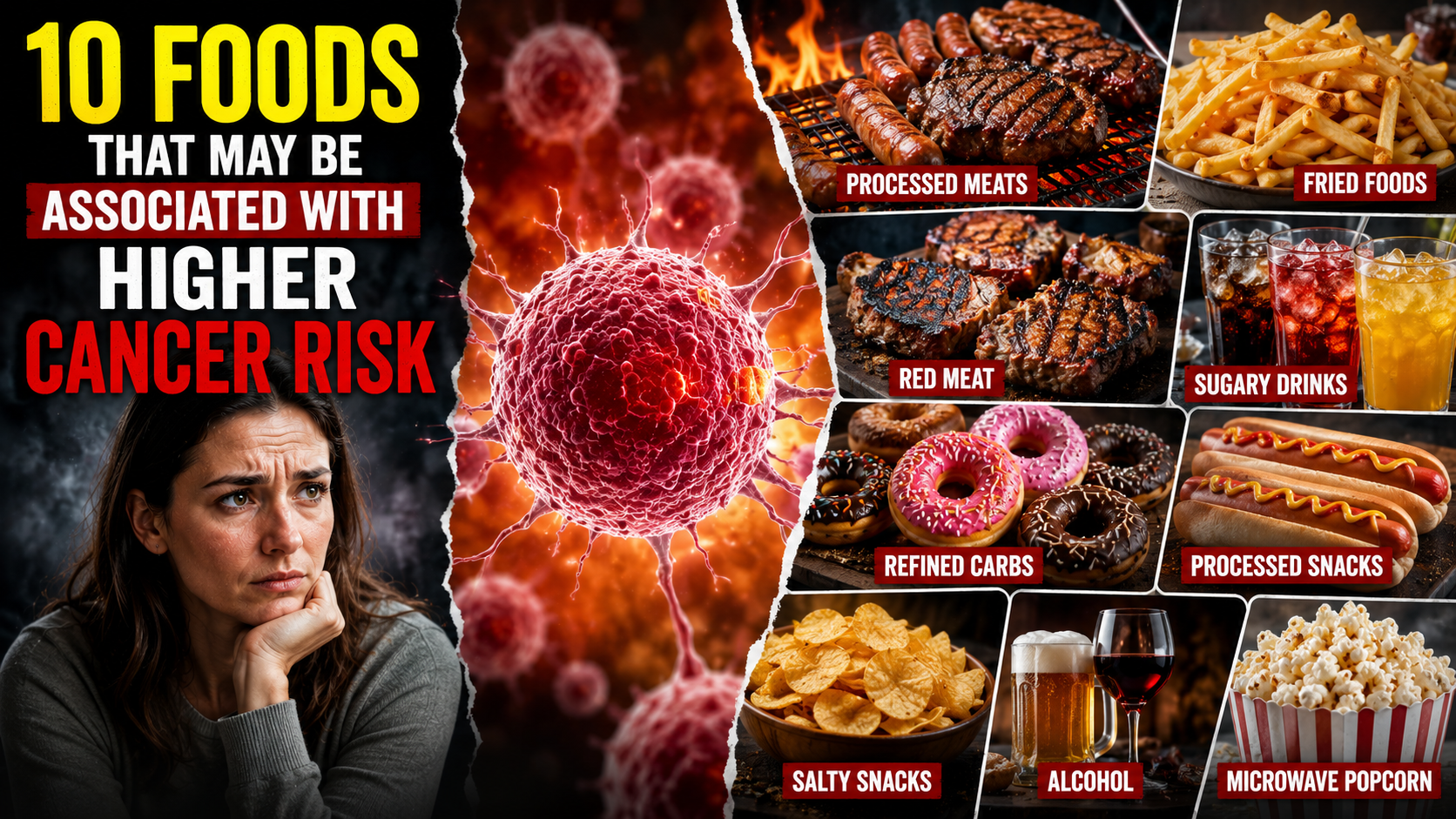
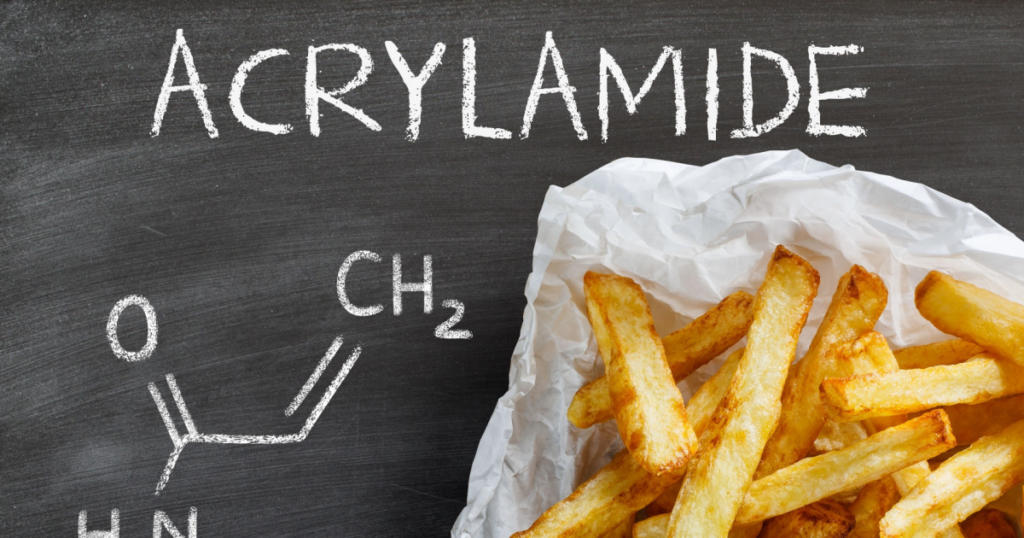
Many health experts agree that lifestyle choices play a major role in long-term health. Research continues to show that factors such as diet, physical activity, and tobacco use can significantly influence the risk of developing chronic diseases, including certain types of cancer.
While no single food can directly cause or prevent cancer on its own, some foods and food-related products have been linked to substances that may increase cancer risk when consumed regularly or in large amounts. Understanding these potential risks can help you make more informed choices about what you eat.
Here are ten commonly consumed foods and products that health experts often recommend limiting or avoiding as part of a healthier lifestyle.
1. Canned Foods Containing BPA
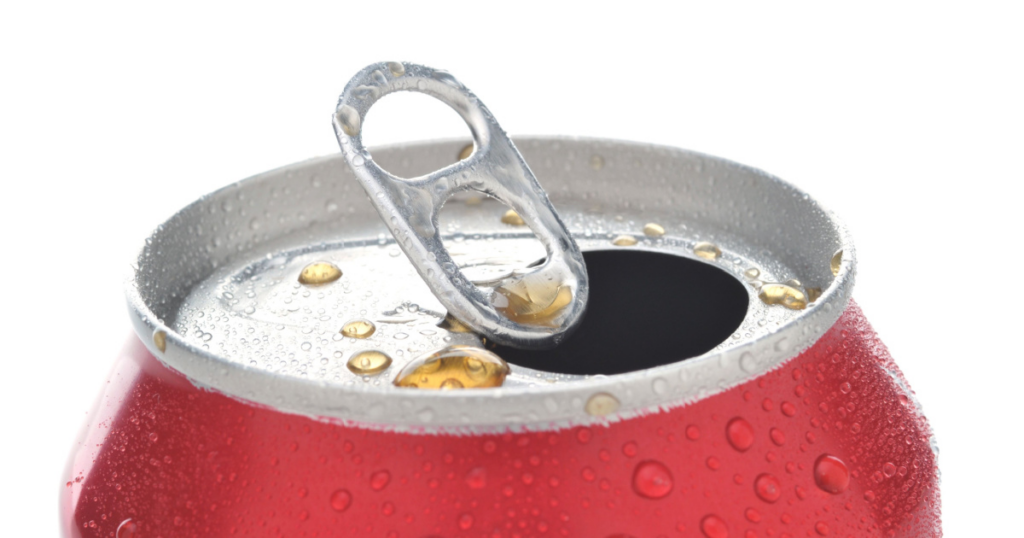
Many canned foods are packaged in containers lined with a chemical called bisphenol A (BPA), which helps prevent corrosion and extends shelf life. BPA has raised concerns among researchers because studies have suggested it may interfere with hormone function and contribute to various health problems.
Although many manufacturers have moved toward BPA-free packaging, some products may still contain the chemical.
Better Choice:
Look for products labeled “BPA-free” whenever possible. Fresh, frozen, or glass-packaged foods can also help reduce exposure.
2. Processed and Cured Meats
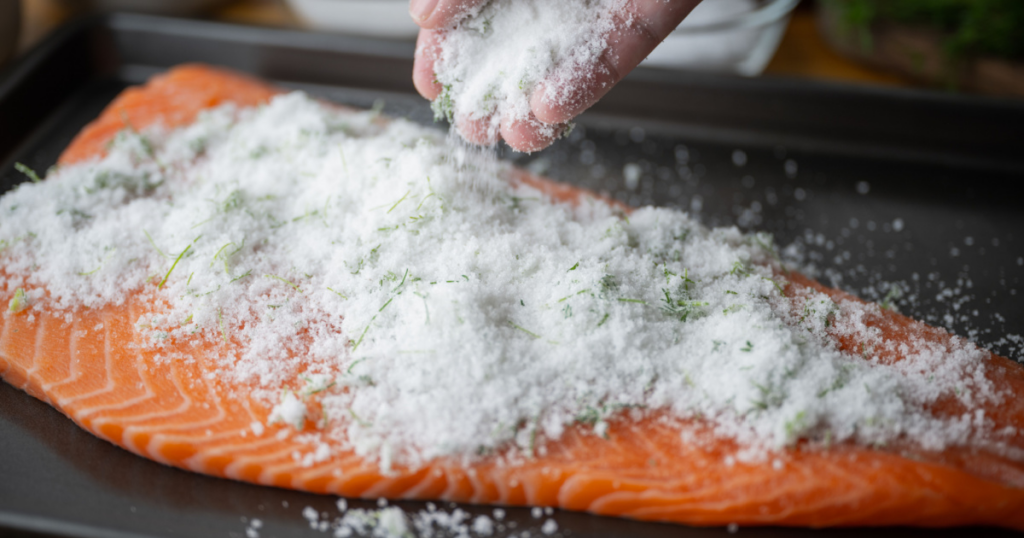
Processed meats such as bacon, hot dogs, sausages, salami, pepperoni, and deli meats often contain preservatives known as nitrates and nitrites. During processing or high-temperature cooking, these compounds can form substances called nitrosamines, which have been associated with increased cancer risk in some studies.
Better Choice:
Opt for fresh, minimally processed protein sources such as poultry, fish, beans, lentils, and lean cuts of meat.
3. Farm-Raised Fish from Poorly Regulated Sources

Some farmed fish may contain higher levels of environmental pollutants than wild-caught varieties, depending on farming practices and water quality. Concerns have also been raised about the use of antibiotics and pesticides in certain fish farming operations.
It’s important to note that not all farmed fish are the same, and many reputable producers follow strict safety standards.
Better Choice:
Choose seafood from trusted sources and look for sustainability certifications when available.
4. Charred and Heavily Grilled Meats
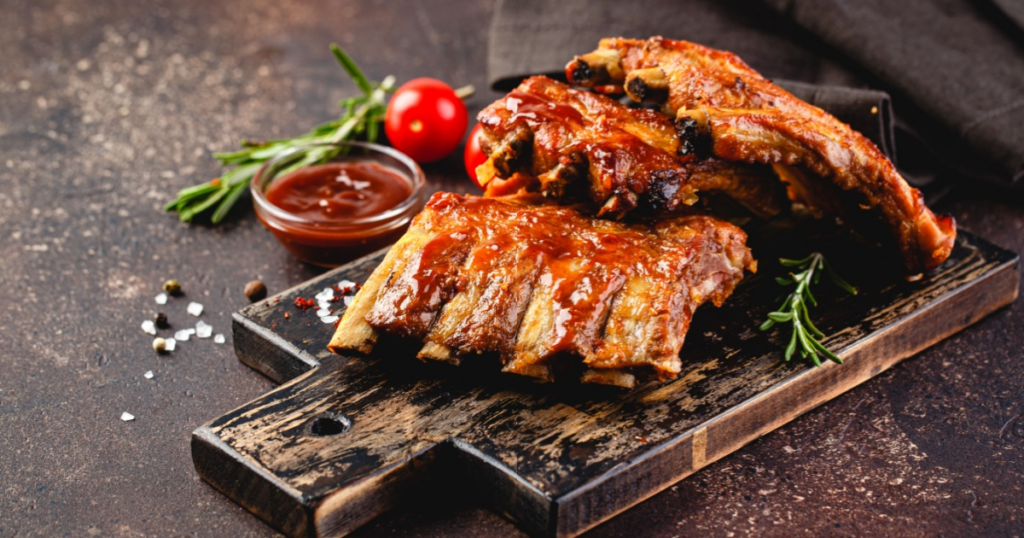
Cooking meat over open flames or at extremely high temperatures can produce compounds known as polycyclic aromatic hydrocarbons (PAHs) and heterocyclic amines (HCAs). These substances form when fat drips onto flames and creates smoke that coats the food.
Research has linked high exposure to these compounds with an increased risk of certain cancers.
Better Choice:
Use lower-temperature cooking methods such as baking, steaming, roasting, or slow cooking. Avoid heavily charring meat whenever possible.
5. Foods High in Trans Fats
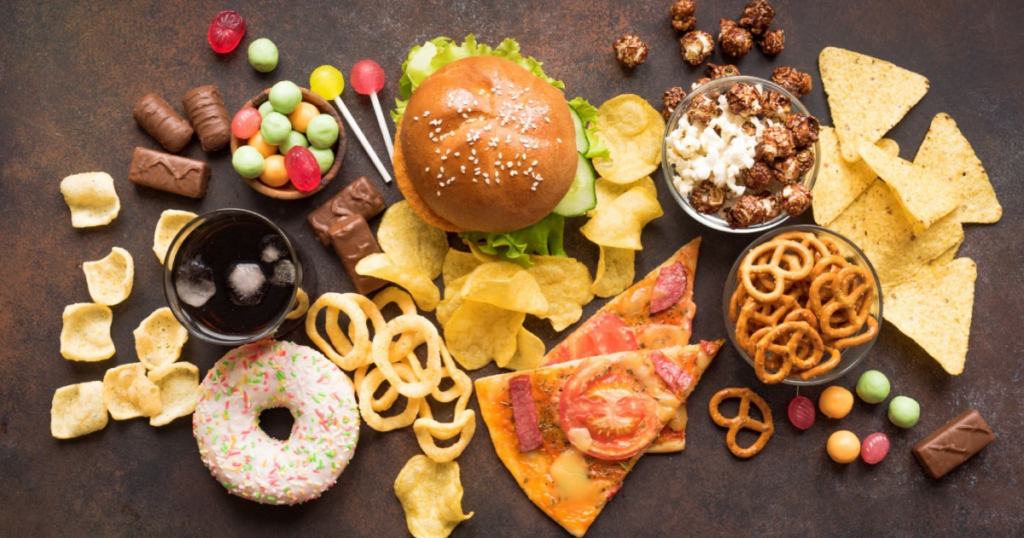
Artificial trans fats are created through a process called hydrogenation, which turns liquid oils into more stable solid fats. These fats were once common in packaged snacks, baked goods, and fried foods.
Studies have linked trans fats to inflammation, heart disease, and several other health concerns.
Better Choice:
Choose foods containing healthy fats from sources such as olive oil, avocados, nuts, and seeds. Check nutrition labels and avoid products containing “partially hydrogenated oils.”
6. Microwave Popcorn with Chemical-Coated Packaging
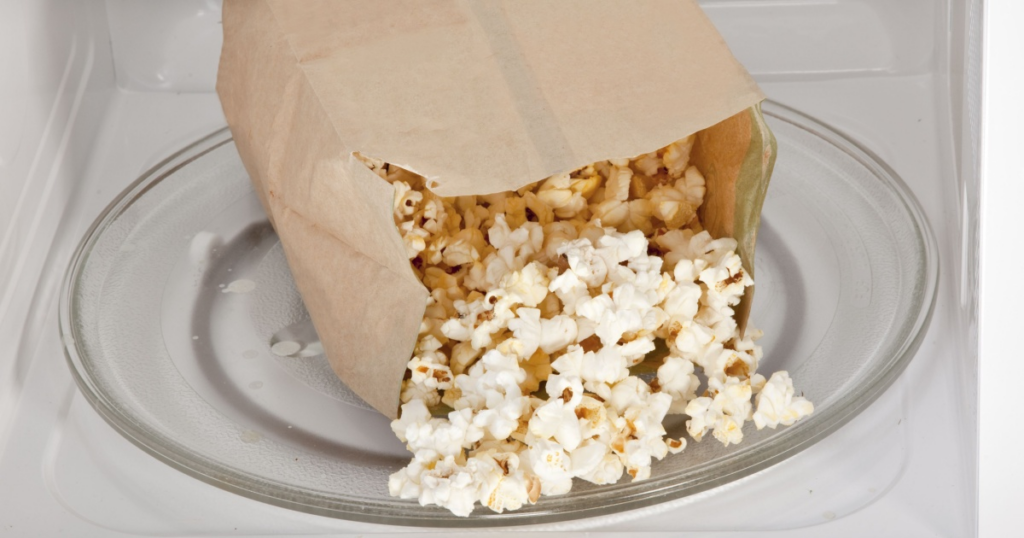
Certain microwave popcorn bags have historically contained chemicals designed to prevent grease from soaking through the packaging. Some of these substances have raised concerns due to their persistence in the environment and potential health effects.
While many manufacturers have removed some of the most controversial chemicals, consumers may still prefer alternative options.
Better Choice:
Make popcorn using an air popper or prepare it on the stovetop with minimal oil.
7. Conventionally Grown Produce with High Pesticide Residues
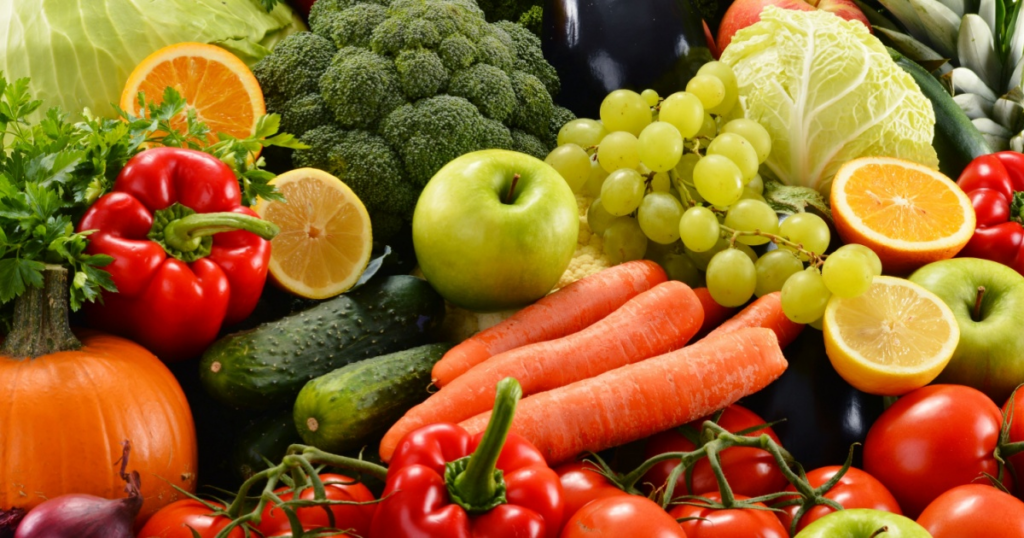
Fruits and vegetables are essential for good health, but some conventionally grown produce may carry pesticide residues. While regulatory agencies set safety limits, some consumers choose organic produce to reduce exposure.
This concern is often greatest for fruits and vegetables that consistently rank high in pesticide residue testing.
Better Choice:
Wash all produce thoroughly before eating. When possible, choose organic versions of produce known to carry higher pesticide levels.
8. Highly Processed Foods
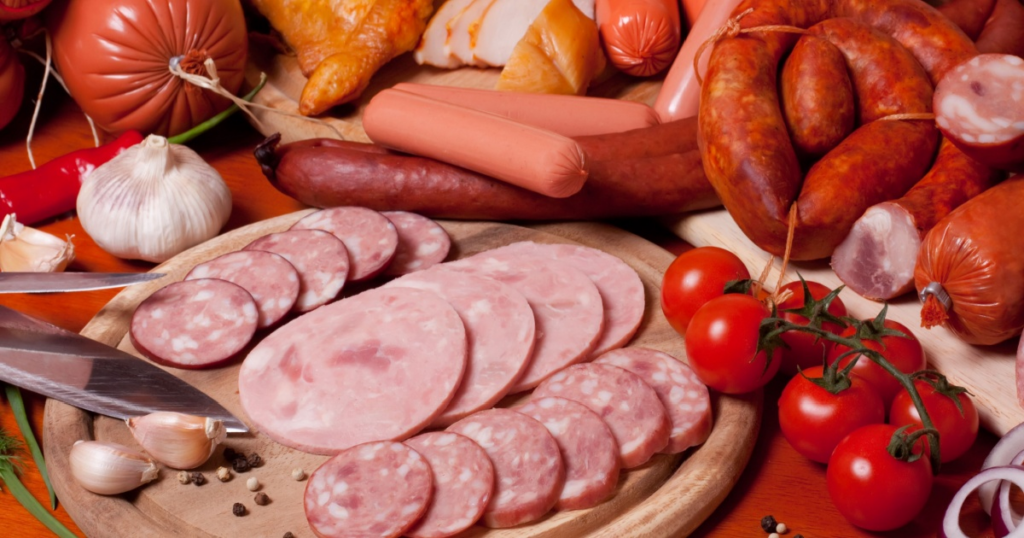
Many ultra-processed foods contain a combination of refined carbohydrates, added sugars, unhealthy fats, artificial ingredients, and preservatives. These foods are often calorie-dense while providing limited nutritional value.
A diet heavily dependent on processed foods may contribute to obesity and other health conditions associated with increased cancer risk.
Better Choice:
Focus on whole foods such as vegetables, fruits, whole grains, legumes, lean proteins, and healthy fats.
9. Excessive Refined Sugar
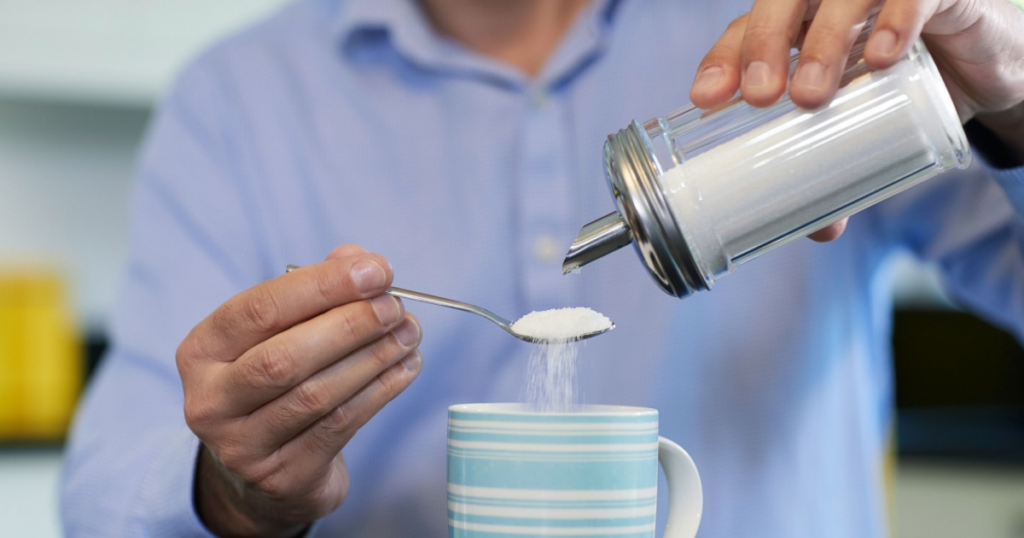
While sugar itself does not directly cause cancer, consuming large amounts of added sugar can contribute to weight gain, obesity, insulin resistance, and metabolic disorders. These conditions have been linked to a higher risk of several types of cancer.
Additionally, diets high in sugary foods often displace more nutritious options.
Better Choice:
Limit sugary beverages, desserts, and processed snacks. Choose naturally sweet foods like fruit when possible.
10. Sugary Soft Drinks and Sports Beverages

Many soft drinks and flavored sports beverages contain large amounts of added sugar along with artificial colors and other additives. Regular consumption has been associated with obesity, type 2 diabetes, and poor overall health.
Some drinks marketed as healthier alternatives may still contain significant amounts of sugar.
Better Choice:
Water remains the best choice for hydration. Unsweetened tea, sparkling water, and naturally flavored water can also be healthier alternatives.
Final Thoughts
Cancer prevention involves many factors, including genetics, environment, physical activity, and diet. While no food guarantees protection from disease, making smarter dietary choices can significantly improve your overall health and potentially reduce your long-term risk.
Rather than focusing on a single “good” or “bad” food, aim for a balanced eating pattern centered around whole, minimally processed foods. Limiting processed meats, sugary drinks, trans fats, and heavily processed products while increasing your intake of fruits, vegetables, and nutrient-rich foods is a practical step toward better health.
Small daily choices often add up over time. By becoming more aware of what’s on your plate, you can take meaningful steps toward supporting your well-being for years to come.
Sources
- National Institute of Environmental Health Sciences. (n.d.). Bisphenol A (BPA). Retrieved from https://www.niehs.nih.gov/health/topics/agents/sya-bpa/
- Santarelli, R. L., Pierre, F., & Corpet, D. E. (2008). Processed meat and colorectal cancer: A review of epidemiologic and experimental evidence. Retrieved from https://www.ncbi.nlm.nih.gov/pubmed/18444144
- Canadian Cancer Society. (n.d.). Reduce Cancer Risk – what you can do. Retrieved from https://www.cancer.ca/en/cancer-information/cancer-101/what-is-a-risk-factor/diet/cured-smoked-and-salt-preserved-foods/?region=on#ixzz3jYyVhfhf
- Food and Water Watch. (2015, September 29). Factory Fish Farming. Retrieved from https://www.foodandwaterwatch.org/common-resources/fish/fish-farming/offshore/problems/
- Touyz, L. (2013, April). Genetically modified foods, cancer, and diet: Myths and reality. Retrieved from https://www.ncbi.nlm.nih.gov/pmc/articles/PMC3615871/
- Desaulniers, V., Dr. (2014, September 10). Serious Breast Cancer Risks from Hydrogenated Oils. Retrieved from https://breastcancerconqueror.com/serious-breast-cancer-risks-from-hydrogenated-oils/
- Hendrickson, K. (2011, April 20). The Cancer Risk of Microwave Popcorn. Retrieved from https://www.livestrong.com/article/424792-the-cancer-risk-of-microwave-popcorn/
- American Cancer Society. (n.d.). Food additives, safety, and organic foods. Retrieved from https://www.cancer.org/healthy/eathealthygetactive/acsguidelinesonnutritionphysicalactivityforcancerprevention/acs-guidelines-on-nutrition-and-physical-activity-for-cancer-prevention-food-additives
- Bassil, K., Vakil, C., Sanborn, M., Cole, D., Kaur, J., & Kerr, K. (2007, October). Cancer health effects of pesticides: Systematic review. Retrieved from https://www.ncbi.nlm.nih.gov/pmc/articles/PMC2231435/
- Greenfield, B. (2014, March 20). Secrets of the Superhuman Food Pyramid: Pros and Cons of Sports Drinks. Retrieved from https://superhumancoach.com/pros-and-cons-of-sports-drinks/
- Allred, C. D., Allred, K. F., Ju, Y. H., Virant, S. M., & Helferich, W. G. (2001, July 01). Soy Diets Containing Varying Amounts of Genistein Stimulate Growth of Estrogen-dependent (MCF-7) Tumors in a Dose-dependent Manner. Retrieved from https://cancerres.aacrjournals.org/content/61/13/5045.short
- National Institute of Environmental Health Sciences. (n.d.). Bisphenol A (BPA). Retrieved from https://www.niehs.nih.gov/health/topics/agents/sya-bpa/
- Santarelli, R. L., Pierre, F., & Corpet, D. E. (2008). Processed meat and colorectal cancer: A review of epidemiologic and experimental evidence. Retrieved from https://www.ncbi.nlm.nih.gov/pubmed/18444144
- Canadian Cancer Society. (n.d.). Reduce Cancer Risk – what you can do. Retrieved from https://www.cancer.ca/en/cancer-information/cancer-101/what-is-a-risk-factor/diet/cured-smoked-and-salt-preserved-foods/?region=on#ixzz3jYyVhfhf
- Food and Water Watch. (2015, September 29). Factory Fish Farming. Retrieved from https://www.foodandwaterwatch.org/common-resources/fish/fish-farming/offshore/problems/
- Touyz, L. (2013, April). Genetically modified foods, cancer, and diet: Myths and reality. Retrieved from https://www.ncbi.nlm.nih.gov/pmc/articles/PMC3615871/
- Desaulniers, V., Dr. (2014, September 10). Serious Breast Cancer Risks from Hydrogenated Oils. Retrieved from https://breastcancerconqueror.com/serious-breast-cancer-risks-from-hydrogenated-oils/
- Hendrickson, K. (2011, April 20). The Cancer Risk of Microwave Popcorn. Retrieved from https://www.livestrong.com/article/424792-the-cancer-risk-of-microwave-popcorn/
- American Cancer Society. (n.d.). Food additives, safety, and organic foods. Retrieved from https://www.cancer.org/healthy/eathealthygetactive/acsguidelinesonnutritionphysicalactivityforcancerprevention/acs-guidelines-on-nutrition-and-physical-activity-for-cancer-prevention-food-additives
- Bassil, K., Vakil, C., Sanborn, M., Cole, D., Kaur, J., & Kerr, K. (2007, October). Cancer health effects of pesticides: Systematic review. Retrieved from https://www.ncbi.nlm.nih.gov/pmc/articles/PMC2231435/
- Greenfield, B. (2014, March 20). Secrets of the Superhuman Food Pyramid: Pros and Cons of Sports Drinks. Retrieved from https://superhumancoach.com/pros-and-cons-of-sports-drinks/
- Allred, C. D., Allred, K. F., Ju, Y. H., Virant, S. M., & Helferich, W. G. (2001, July 01). Soy Diets Containing Varying Amounts of Genistein Stimulate Growth of Estrogen-dependent (MCF-7) Tumors in a Dose-dependent Manner. Retrieved from https://cancerres.aacrjournals.org/content/61/13/5045.short







