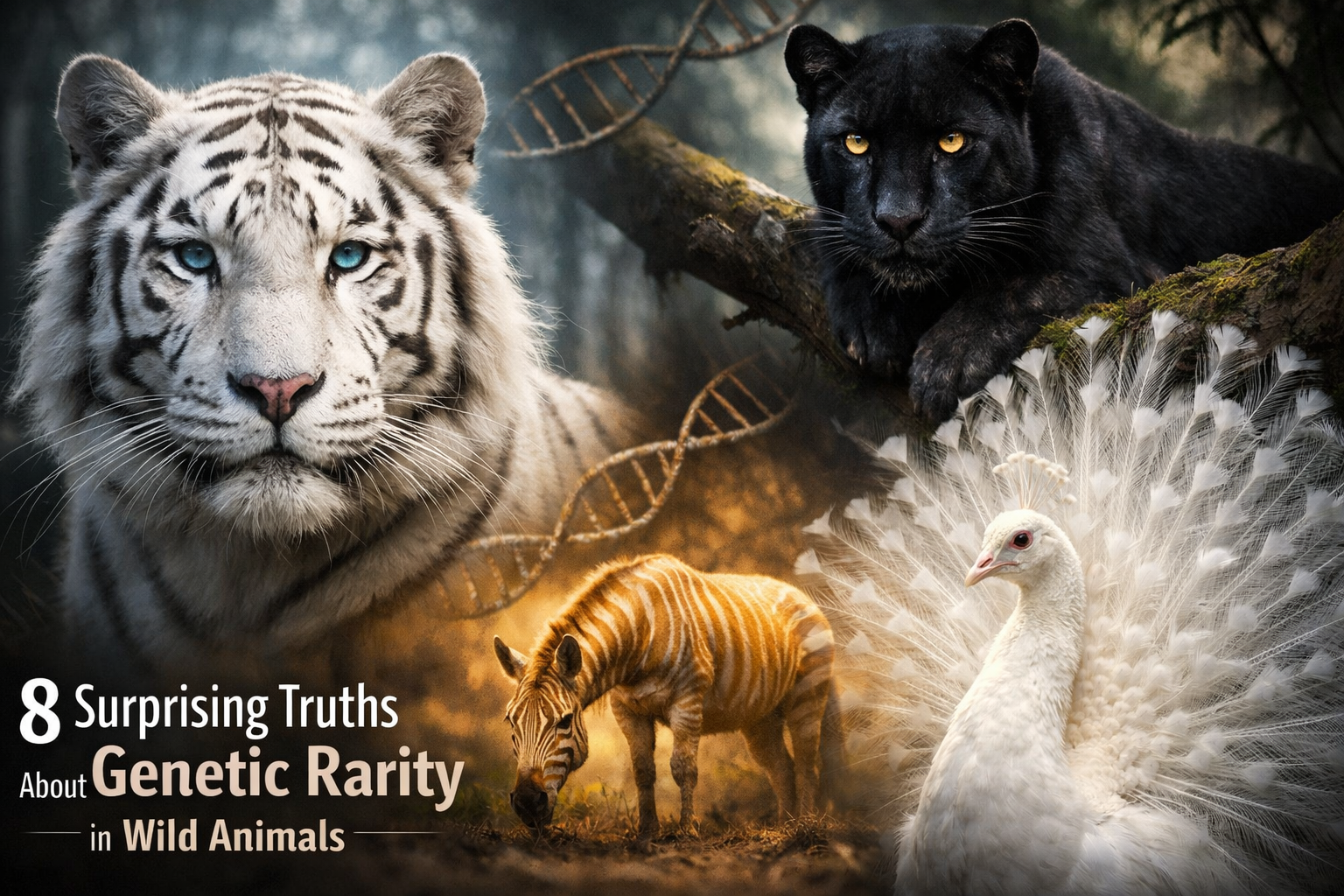
Nature is filled with extraordinary creatures, but some animals stand out for a reason that goes far beyond their appearance or behavior. Hidden within their DNA are rare genetic traits that make them unique among their species. From unusual colors and patterns to remarkable biological adaptations, genetic rarity plays a fascinating role in the animal kingdom.
While many people assume that rare genetic traits are always beneficial, the reality is much more complex. Some help animals survive, while others can create challenges in the wild. Scientists continue to study these unusual genetic variations to better understand evolution, biodiversity, and the delicate balance of natural ecosystems.
Here are eight surprising truths about genetic rarity in wild animals that reveal just how incredible nature can be.
1. Rare Genetic Traits Are More Common Than Most People Think
When people hear the phrase “genetic rarity,” they often imagine an animal so unusual that it appears only once in a lifetime. In reality, rare genetic traits occur regularly across many species.
Every population contains genetic variations. Most remain hidden because they do not visibly affect an animal’s appearance. Others become noticeable only when specific genes are inherited from both parents.
For example, unusual fur colors, distinctive markings, or uncommon physical characteristics can emerge naturally in wildlife populations. While these traits may be uncommon, they are a normal part of genetic diversity.
This variation is essential for evolution. Without genetic differences among individuals, species would struggle to adapt to changing environments, diseases, and new survival challenges.
2. Albino Animals Face More Challenges Than Benefits
Albino animals often attract attention because of their striking appearance. Their white or pale coloration results from a genetic condition that prevents the production of melanin, the pigment responsible for skin, fur, feathers, and eye color.
Although these animals appear beautiful and unusual, albinism can create serious disadvantages in the wild.
Many albino animals have reduced vision and increased sensitivity to sunlight. Their lack of camouflage also makes them easier targets for predators. A white deer in a green forest or a pale bird in a dark woodland stands out dramatically compared to other members of its species.
Because of these challenges, albino animals often have lower survival rates than their normally colored counterparts. Their rarity is one reason why wildlife enthusiasts consider sightings of albino animals especially memorable.
3. Some Rare Color Variations Are Not Albinism
Many people mistakenly label every white or unusually colored animal as albino. However, several different genetic conditions can alter an animal’s appearance.
Leucism, for instance, causes a partial loss of pigmentation. Animals with leucism may have white or pale fur, feathers, or scales while retaining normal eye color. This differs from albinism, which affects pigment production throughout the body.
Melanism represents the opposite effect. It results in an overproduction of dark pigment, creating unusually black or dark-colored animals. Black leopards, often called black panthers, are among the most famous examples.
These rare genetic variations demonstrate that nature’s color palette is far more diverse than most people realize.
4. Genetic Rarity Can Sometimes Improve Survival
Not every unusual genetic trait creates difficulties. In some cases, rare characteristics can provide a significant advantage.
Evolution works through natural selection. If a rare genetic variation helps an animal survive and reproduce, that trait may gradually become more common over time.
A famous example is industrial melanism observed in certain moth populations. During periods of heavy industrial pollution, darker-colored moths blended better with soot-covered surfaces, making them less visible to predators. As a result, the darker variation became increasingly common.
This phenomenon shows how environmental conditions can transform a rare genetic trait into a survival advantage.
5. Small Populations Often Produce More Genetic Oddities
When animal populations become isolated or decline significantly in number, unusual genetic traits may appear more frequently.
This happens because individuals within a small population are more likely to share similar genetic backgrounds. Over generations, rare genes can become concentrated, increasing the likelihood that uncommon traits will be expressed.
However, this process can be a double-edged sword.
While it may lead to fascinating physical variations, it can also reduce overall genetic diversity. Low diversity often makes populations more vulnerable to disease, environmental changes, and reproductive problems.
Conservationists pay close attention to genetic diversity because maintaining healthy gene pools is essential for the long-term survival of wildlife species.
6. Rare Genetics Can Create Completely Unique Individuals
Occasionally, nature produces animals that appear almost unbelievable.
Some individuals exhibit exceptionally rare genetic combinations that result in distinctive patterns, colors, or biological characteristics never before documented within their species.
Scientists have observed animals with unusual coat markings, split-color pigmentation, and other remarkable traits caused by uncommon genetic events.
These animals often become subjects of scientific interest because they provide valuable insights into genetics and development. Researchers can learn how specific genes influence physical traits and how genetic mutations shape biodiversity.
Although such individuals are rare, they remind us that nature is constantly experimenting through genetic variation.
7. Hybridization Can Produce Unexpected Genetic Results
In certain regions, closely related species occasionally interbreed. The offspring, known as hybrids, may inherit a unique combination of traits from both parents.
Wild hybrid animals can display unusual appearances, behaviors, and physical abilities that differ from either parent species.
For example, hybridization has been documented among various bird species, wild cats, canids, and fish. These genetic combinations can create animals with characteristics that seem entirely new.
While hybridization is a natural process, scientists carefully monitor its impact on ecosystems. In some cases, it increases genetic diversity. In others, it can threaten the genetic identity of already vulnerable species.
The existence of hybrids highlights how flexible and dynamic genetics can be in the natural world.
8. Genetic Rarity Helps Scientists Understand Evolution
One of the most important aspects of rare genetic traits is the information they provide to researchers.
Every unusual animal offers clues about how genes function, how species adapt, and how evolutionary processes operate over time.
By studying rare genetic variations, scientists can better understand:
- How mutations occur
- Why certain traits persist
- How populations respond to environmental pressures
- The role of genetics in survival and reproduction
- The impact of climate and habitat changes on wildlife
Modern genetic technology allows researchers to examine DNA in unprecedented detail. These advances are helping scientists uncover relationships between species and identify genetic factors that influence conservation efforts.
Rare animals are therefore much more than biological curiosities. They serve as living windows into the mechanisms that drive life on Earth.
Why Genetic Diversity Matters
The concept of genetic rarity is closely connected to a broader issue: genetic diversity.
A healthy ecosystem depends on populations containing a wide range of genetic traits. Diversity gives species the flexibility to adapt when conditions change.
Consider what happens when a disease spreads through a population. If every individual shares nearly identical genetics, the disease may affect them all in similar ways. However, a genetically diverse population is more likely to include individuals with natural resistance, increasing the chances of survival.
This principle applies to climate change, habitat loss, food availability, and countless other environmental pressures.
Conservation programs around the world increasingly focus on preserving genetic diversity rather than simply protecting population numbers. Scientists recognize that long-term survival depends not only on how many animals exist but also on the variety of genes they carry.
The Role of Conservation in Protecting Rare Genetics
Human activities continue to influence wildlife populations across the globe. Habitat destruction, pollution, climate change, and overexploitation can reduce genetic diversity by shrinking populations and isolating groups of animals.
When populations become fragmented, opportunities for genetic exchange decrease. Over time, this can lead to inbreeding and the loss of valuable genetic traits.
Conservation organizations use a variety of strategies to address these challenges, including:
- Protecting critical habitats
- Establishing wildlife corridors
- Monitoring genetic diversity
- Supporting breeding and reintroduction programs
- Reducing threats from human development
These efforts help ensure that rare genetic traits—and the diversity they represent—remain part of the natural world.
Final Thoughts
Genetic rarity is one of nature’s most fascinating phenomena. From albino deer and melanistic big cats to extraordinary hybrids and unique mutations, rare genetic traits reveal the remarkable complexity hidden within wildlife populations.
Far from being mere curiosities, these unusual characteristics help scientists understand evolution, adaptation, and biodiversity. They also highlight the importance of preserving healthy ecosystems where genetic diversity can continue to thrive.
As researchers uncover more about the genetic foundations of life, one thing becomes increasingly clear: every rare animal tells a story. Each unusual trait represents a chapter in the ongoing process of evolution, reminding us that nature is constantly changing, adapting, and surprising us in ways we are only beginning to understand.







