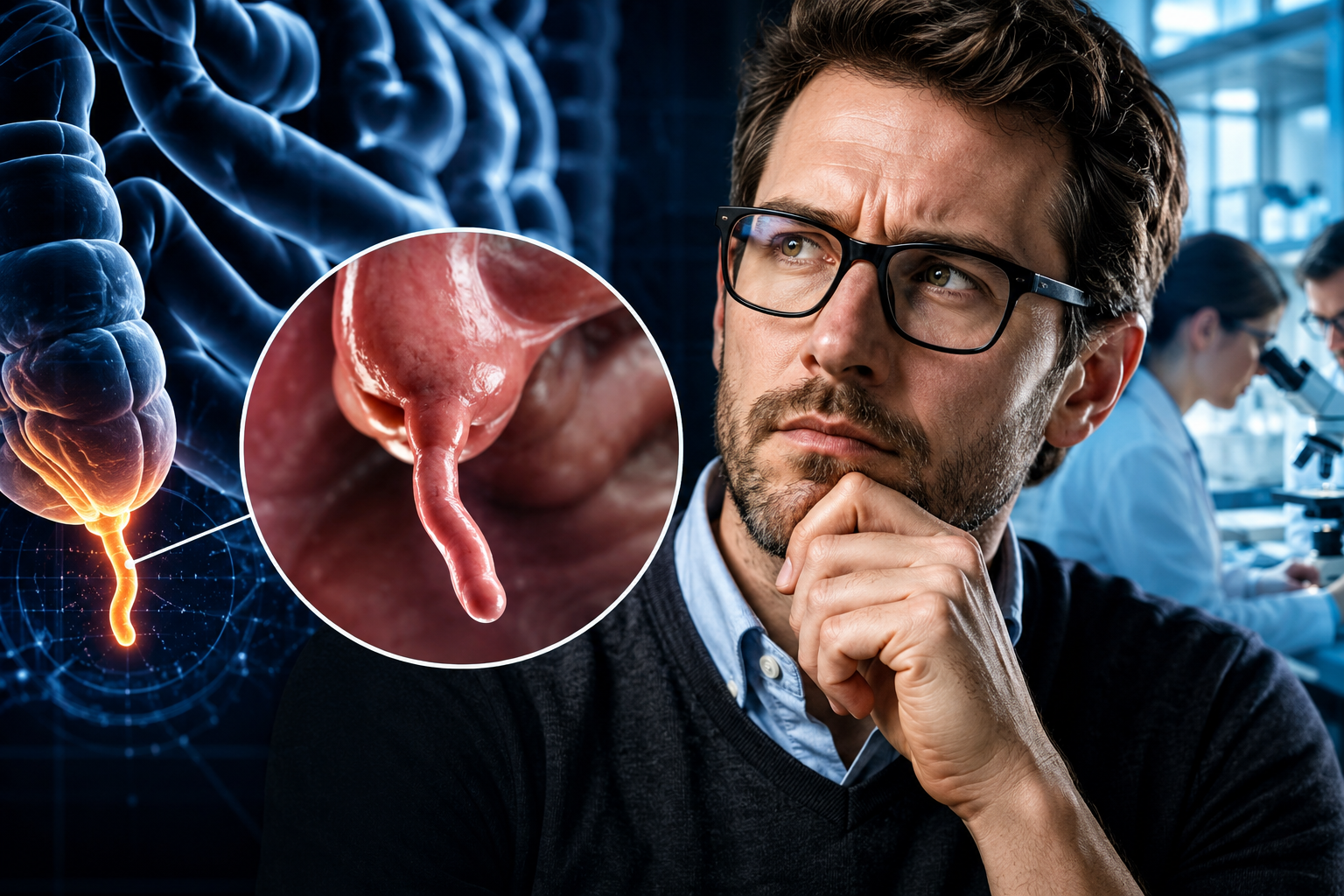
For generations, the appendix was often dismissed as a biological relic—a small, finger-shaped pouch attached to the large intestine that seemed to serve little purpose. In fact, it was commonly described as a vestigial organ, a leftover from human evolution that no longer played an important role in modern health.
However, scientific thinking about the appendix has changed considerably in recent years. Advances in microbiology, immunology, and digestive health research have led scientists to take a fresh look at this once-overlooked organ. While many questions remain unanswered, a growing body of evidence suggests that the appendix may contribute to several important biological processes.
Researchers are not claiming that the appendix is essential for survival—many people live healthy lives without it. Yet studies continue to reveal intriguing possibilities about its role in immunity, gut health, and disease. Here are 14 reasons the appendix is attracting increasing attention from scientists around the world.
1. It May Serve as a Safe Haven for Beneficial Gut Bacteria
One of the most widely discussed theories about the appendix is that it may act as a reservoir for beneficial microbes.
The human digestive system contains trillions of bacteria that help digest food, support immunity, and maintain overall health. Some researchers believe the appendix may provide a protected environment where helpful bacteria can survive during periods of illness.
After severe gastrointestinal infections, these stored microbes could potentially help repopulate the intestines and restore a healthier microbial balance.
This idea has become one of the leading explanations for why the appendix may have been preserved throughout evolution.
2. It Contains Significant Immune Tissue
The appendix is rich in lymphoid tissue, which is involved in immune system function.
Lymphoid tissues help the body identify and respond to potential threats such as bacteria, viruses, and other foreign substances. Researchers have found that the appendix contains concentrations of immune cells capable of participating in these defense mechanisms.
Its immune-related structure suggests that the appendix may contribute to the body’s surveillance and response systems, particularly during early life.
This finding challenged the long-standing belief that the appendix serves no meaningful purpose.
3. It May Play a Role in Early Immune Development
Scientists are particularly interested in how the appendix may influence immune system development during childhood.
The interaction between immune cells and gut microbes is crucial for training the immune system to distinguish between harmful invaders and harmless substances.
Some researchers propose that the appendix may help facilitate these interactions, supporting the development of balanced immune responses.
Although this area remains under investigation, the possibility has generated significant scientific interest.
4. Gut Microbiome Research Has Renewed Interest in the Organ
The rise of microbiome science has transformed how researchers view the digestive system.
As scientists learn more about the importance of gut bacteria, previously overlooked structures such as the appendix are receiving renewed attention. Researchers now recognize that even small anatomical features may influence the composition and stability of microbial communities.
The appendix’s location and microbial environment make it a natural focus for studies exploring gut health and disease.
Its connection to the microbiome has become one of the major reasons for the surge in research activity.
5. It May Help Restore Microbial Balance After Illness
Severe diarrhea, gastrointestinal infections, and certain medical treatments can disrupt the normal balance of bacteria in the intestines.
Some scientists believe the appendix may help speed recovery by serving as a source of beneficial microbes that can recolonize the digestive tract after these disturbances.
Although researchers continue to evaluate this hypothesis, it remains one of the most intriguing potential functions associated with the organ.
The idea highlights how even a small structure could contribute to broader digestive health.
6. Evolutionary Studies Suggest It May Have Adaptive Value
For many years, the appendix was considered a classic example of a vestigial organ.
However, evolutionary research has complicated that narrative. Comparative studies have found appendix-like structures in numerous mammalian species, suggesting the organ may have emerged independently multiple times during evolution.
Such repeated appearances often indicate that a structure provides some biological advantage.
This evolutionary perspective has encouraged scientists to reconsider the appendix’s significance.
7. Researchers Are Exploring Connections to Inflammatory Conditions
Some studies have investigated possible links between the appendix and inflammatory disorders affecting the digestive system.
Researchers are examining whether the presence or absence of the appendix influences susceptibility to certain gastrointestinal conditions or affects disease progression.
The findings have been complex and sometimes inconsistent, but they continue to stimulate investigation into the organ’s relationship with immune regulation and intestinal health.
Understanding these interactions could provide new insights into inflammatory diseases.
8. It May Influence Communication Between the Gut and Immune System
The digestive tract and immune system maintain constant communication.
Scientists believe the appendix may function as part of this communication network, helping coordinate interactions between gut microbes and immune cells.
Because immune regulation depends heavily on signals originating within the intestines, structures that facilitate these exchanges are attracting growing interest.
The appendix’s strategic location makes it a logical subject for such research.
9. Advances in Imaging and Molecular Biology Have Opened New Doors
Modern scientific tools are allowing researchers to study the appendix in ways that were impossible just a few decades ago.
High-resolution imaging, genetic analysis, microbiome sequencing, and advanced laboratory techniques have revealed previously hidden details about the organ’s structure and function.
As technology improves, scientists are uncovering evidence that challenges older assumptions and generates new research questions.
These advances are helping transform the appendix from a neglected anatomical feature into an active area of investigation.
10. The Appendix May Contribute to Mucosal Immunity
Much of the body’s immune activity occurs at mucosal surfaces, including the digestive tract.
Researchers suspect that the appendix may participate in mucosal immune responses by helping monitor microbial activity and supporting immune cell development.
Because the intestines are constantly exposed to enormous numbers of microorganisms, maintaining effective mucosal immunity is essential for health.
The appendix may play a small but meaningful role within this larger system.
11. It Could Offer Insights Into Human Evolution
The appendix is also attracting attention from evolutionary biologists.
By studying its development, structure, and distribution across species, researchers hope to gain a deeper understanding of how digestive and immune systems evolved over time.
The appendix provides a unique opportunity to examine how anatomy, microbiology, and environmental pressures may have interacted throughout evolutionary history.
Its story may reveal broader lessons about human adaptation.
12. Researchers Are Investigating Its Role in Recovery From Infection
Some scientists are examining whether the appendix influences how the body recovers from intestinal infections.
Because the organ may harbor beneficial microbes and immune cells, it could potentially contribute to rebuilding a healthy intestinal environment following illness.
While research remains ongoing, this possibility has added another dimension to discussions about appendix function.
The concept aligns with broader efforts to understand how the body restores balance after disruptions to the microbiome.
13. It Challenges Traditional Medical Assumptions
One reason the appendix has become such an interesting subject is that it illustrates how scientific understanding evolves.
For decades, the prevailing view held that the appendix had little or no biological function. New evidence has encouraged researchers to revisit that assumption and explore alternative explanations.
The organ serves as a reminder that even well-established ideas may change when new data emerge.
This willingness to reexamine accepted beliefs is a hallmark of scientific progress.
14. It May Hold Clues for Future Digestive Health Research
Perhaps the most exciting reason for growing interest in the appendix is its potential to inform future discoveries.
As scientists continue exploring the microbiome, immune regulation, and gastrointestinal health, the appendix may provide valuable clues about how these systems interact.
Even if the organ ultimately proves less important than some theories suggest, studying it is helping researchers better understand the broader ecosystem of the digestive tract.
That knowledge could eventually contribute to improved treatments, preventive strategies, and a deeper appreciation of human biology.
Why the Appendix Is No Longer Ignored
The renewed attention surrounding the appendix reflects a larger shift in medical science.
Researchers increasingly recognize that seemingly minor structures can play meaningful roles within complex biological systems. The rise of microbiome research has highlighted how interconnected the body’s organs, microbes, and immune networks truly are.
In this context, the appendix is no longer viewed as an isolated anatomical curiosity. Instead, it is becoming part of a much broader conversation about digestive and immune health.
What Scientists Still Don’t Know
Despite growing interest, many important questions remain unanswered.
Researchers continue investigating:
- The exact functions of the appendix.
- How it interacts with gut microbes.
- Its role in immune system development.
- Whether it influences disease risk.
- How its functions may vary among individuals.
Because the appendix is relatively understudied compared with other organs, future discoveries are likely.
As research expands, scientists expect to gain a clearer picture of its biological significance.
Final Thoughts
The appendix has traveled a remarkable path from being labeled a useless evolutionary leftover to becoming a subject of serious scientific investigation. While researchers still debate its precise functions, growing evidence suggests it may contribute to immune activity, microbial balance, and digestive health in ways that were previously overlooked.
The 14 reasons discussed here demonstrate why scientists are paying closer attention to this small organ. From its potential role as a refuge for beneficial bacteria to its involvement in immune processes and evolutionary biology, the appendix continues to surprise researchers.
Although many mysteries remain, one thing is increasingly clear: the appendix may be far more interesting—and potentially more important—than generations of biology textbooks once suggested.







