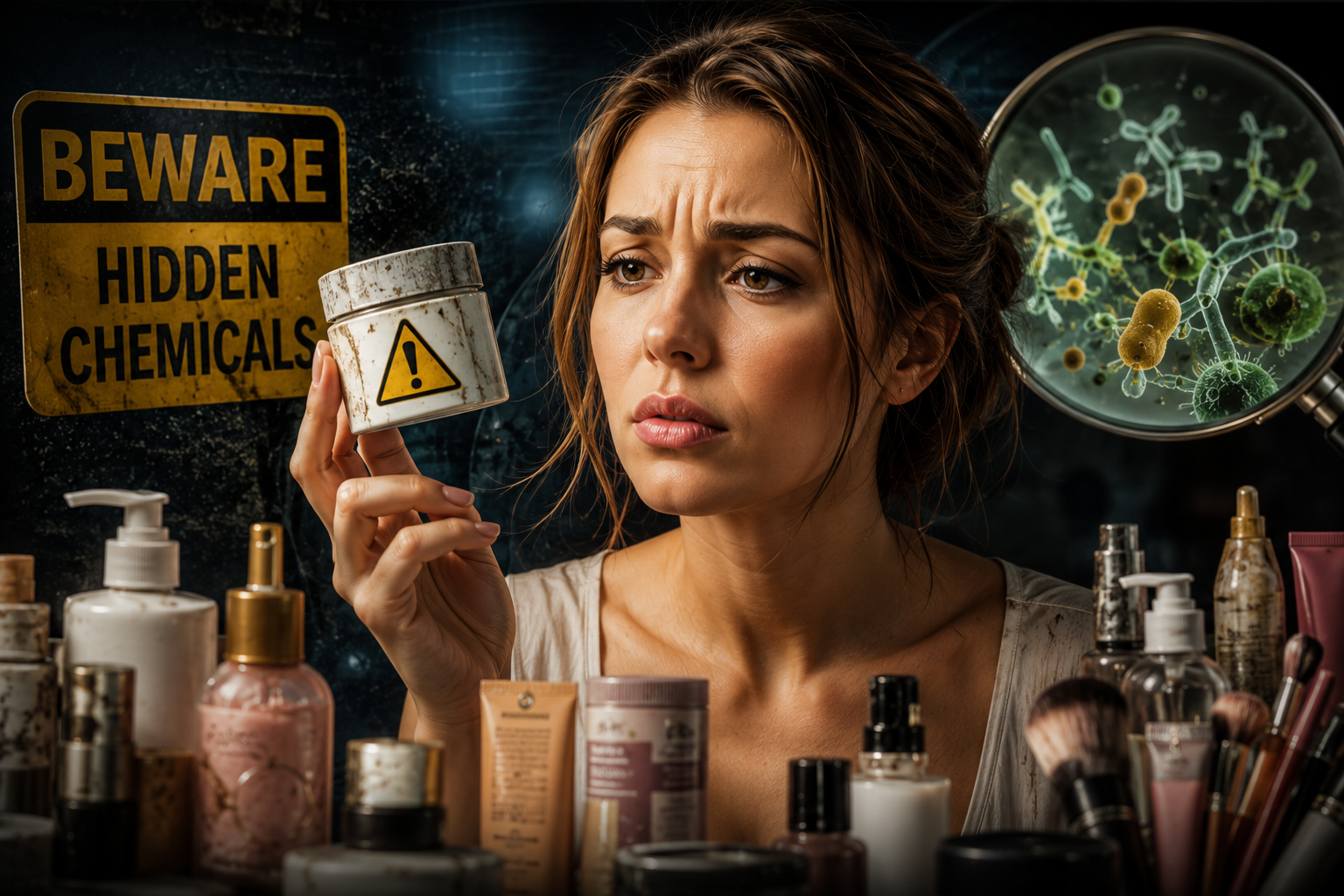
Beauty and personal care products are a part of daily life for millions of people. From moisturizers and foundations to shampoos, serums, and makeup brushes, these products help consumers maintain their appearance and skincare routines. While most cosmetics are manufactured under strict quality-control standards, contamination can still occur at various points during production, packaging, shipping, or use.
Contaminants may include bacteria, mold, yeast, dust, heavy metals, or other unwanted substances that find their way into a product. In some cases, contamination simply reduces product quality. In others, it may increase the risk of skin irritation, infections, or other unwanted reactions.
Fortunately, many contaminated products show warning signs before they cause problems. Learning how to recognize these red flags can help you make safer choices and know when it may be time to replace a product.
Here are 12 warning signs that your beauty products may contain unwanted contaminants.
1. An Unusual or Unpleasant Odor
One of the first signs of possible contamination is a noticeable change in smell.
Many cosmetics contain fragrances or naturally occurring scents that remain relatively consistent throughout the product’s intended lifespan. If a product suddenly develops a sour, musty, rancid, or otherwise unusual odor, it could indicate that bacteria, mold, or chemical degradation has occurred.
Changes in scent do not automatically confirm contamination, but they should never be ignored.
When a product smells significantly different from when it was first opened, caution is warranted.
2. Changes in Color
A dramatic shift in color can be another warning sign.
Creams, lotions, foundations, and other cosmetic products are typically formulated to maintain a stable appearance. If you notice unexpected discoloration, dark spots, fading, yellowing, or color separation, the product may no longer be stable.
Certain contaminants can alter a product’s appearance, while oxidation and ingredient breakdown may also produce visible color changes.
Whenever a cosmetic looks noticeably different than expected, it is worth investigating further.
3. Separation of Ingredients
Some products are designed to separate and require shaking before use, but unexpected separation can indicate a problem.
If a lotion, serum, or liquid cosmetic develops distinct layers that were not previously present, contamination or product degradation may be occurring.
Ingredient instability can create an environment that allows microorganisms to thrive more easily.
Pay close attention to products that suddenly change consistency or appearance after being opened.
4. A Change in Texture
Texture often provides valuable clues about product quality.
A moisturizer that becomes unusually watery, a foundation that turns lumpy, or a cream that develops a grainy feel may be experiencing chemical or microbial changes.
Contamination can sometimes alter the physical structure of a product, making it feel different during application.
If a cosmetic no longer performs the way it originally did, it may be safer to discontinue use.
5. Visible Mold Growth
Although uncommon, mold contamination can occur in beauty products.
Visible mold may appear as fuzzy spots, discoloration, unusual particles, or growths on the product surface or around the container opening.
Natural and preservative-free products may be particularly vulnerable if they are stored improperly or used beyond their recommended lifespan.
If mold is visible, the product should be discarded immediately.
6. Irritation That Appears Suddenly
Skin reactions can have many causes, but sudden irritation from a product you’ve used successfully in the past may signal contamination or degradation.
Symptoms can include:
- Redness
- Itching
- Burning sensations
- Stinging
- Dry patches
- Unexpected breakouts
While contamination is not the only explanation, any product that suddenly causes unusual irritation deserves careful evaluation.
Discontinuing use and consulting a healthcare professional when necessary is often the safest approach.
7. Expired Products Are Still in Use
Expiration dates exist for a reason.
Over time, preservatives may become less effective, increasing the likelihood that microorganisms can grow within a product. Active ingredients may also break down, reducing effectiveness and potentially altering safety profiles.
Many consumers overlook expiration dates or keep products long after their recommended usage period.
Regularly reviewing your beauty collection can help reduce the risk of using products that are no longer in optimal condition.
8. Packaging Appears Damaged
The container plays a critical role in protecting cosmetic products from contamination.
Cracked lids, broken seals, damaged pumps, and loose caps can expose products to air, moisture, dirt, and microorganisms.
Even small defects may compromise a product’s ability to remain clean and stable.
Whenever packaging integrity is compromised, contamination becomes more likely.
Inspect containers periodically, especially after travel or accidental drops.
9. The Product Has Been Exposed to Excessive Heat or Moisture
Storage conditions can significantly affect cosmetic quality.
Bathrooms, cars, windowsills, and other warm or humid environments may accelerate product breakdown and increase contamination risks.
Heat can weaken preservatives, alter ingredient stability, and create conditions favorable to microbial growth.
Following manufacturer storage recommendations can help maintain product safety and performance.
If a product has experienced prolonged exposure to extreme conditions, replacing it may be wise.
10. You Frequently Dip Fingers Into the Container
Many beauty products are packaged in jars that require direct contact during use.
Each time fingers enter the container, bacteria, oils, and other contaminants may be introduced. Even clean hands are not completely free of microorganisms.
Repeated exposure can gradually increase contamination risks, particularly if preservatives become less effective over time.
Using clean applicators or spatulas can help minimize this problem and extend product freshness.
11. The Product Was Recalled or Flagged by Regulators
Occasionally, regulatory agencies identify contamination concerns through inspections, testing programs, or consumer complaints.
Product recalls may occur due to bacterial contamination, manufacturing issues, labeling problems, or other safety concerns.
Staying informed about recalls can help consumers avoid potentially affected products.
If a product you own appears on a recall notice, follow official guidance regarding disposal or replacement.
12. The Product Has Been Open for Too Long
Even products that have not technically expired can become more vulnerable after opening.
Many cosmetics include a “period after opening” symbol indicating how many months the product should be used after first opening. Common recommendations range from six to twenty-four months depending on the formulation.
Exposure to air, repeated handling, and environmental conditions gradually increase the risk of contamination over time.
Keeping track of opening dates can help prevent accidental use of aging products.
Why Cosmetic Contamination Matters
Contaminated beauty products are not always dangerous, but they can pose risks under certain circumstances.
Potential concerns include:
- Skin irritation
- Eye infections
- Allergic reactions
- Acne flare-ups
- Product ineffectiveness
- Microbial exposure
Individuals with sensitive skin, compromised immune systems, or existing skin conditions may be particularly vulnerable to adverse effects.
This is why product quality and proper storage are so important.
How to Reduce the Risk of Contamination
Fortunately, a few simple habits can significantly reduce contamination risks.
Consider these best practices:
Wash Your Hands Before Application
Clean hands help minimize the transfer of bacteria and debris into cosmetic containers.
Close Containers Tightly
Properly sealing products helps protect them from environmental contaminants.
Avoid Sharing Cosmetics
Sharing makeup, especially eye and lip products, can increase the transfer of microorganisms between users.
Clean Brushes and Applicators Regularly
Makeup brushes, sponges, and applicators can accumulate bacteria over time.
Routine cleaning helps maintain both product quality and skin health.
Store Products Properly
Follow storage recommendations and avoid exposing cosmetics to excessive heat, moisture, or direct sunlight.
Replace Products as Recommended
Following expiration dates and period-after-opening guidelines helps ensure products remain safe and effective.
When to Throw a Product Away
If you’re uncertain whether a product remains safe, several situations generally warrant disposal:
- Visible mold growth
- Strong odor changes
- Major texture changes
- Severe discoloration
- Packaging damage affecting product integrity
- Unexpected irritation after use
- Expired products with signs of degradation
When in doubt, replacing a questionable product is often safer than risking potential skin problems.
Final Thoughts
Most beauty products are designed to remain safe and effective throughout their intended lifespan, but contamination can occasionally occur. By paying attention to warning signs such as unusual odors, color changes, texture alterations, damaged packaging, and unexpected skin reactions, consumers can identify potential issues before they become more serious.
The 12 warning signs discussed here provide practical clues that a cosmetic product may no longer be in optimal condition. Combined with proper storage, good hygiene practices, and regular product replacement, these observations can help support healthier skincare and beauty routines.
A little attention to product quality can go a long way toward protecting both your skin and your overall confidence in the products you use every day.







