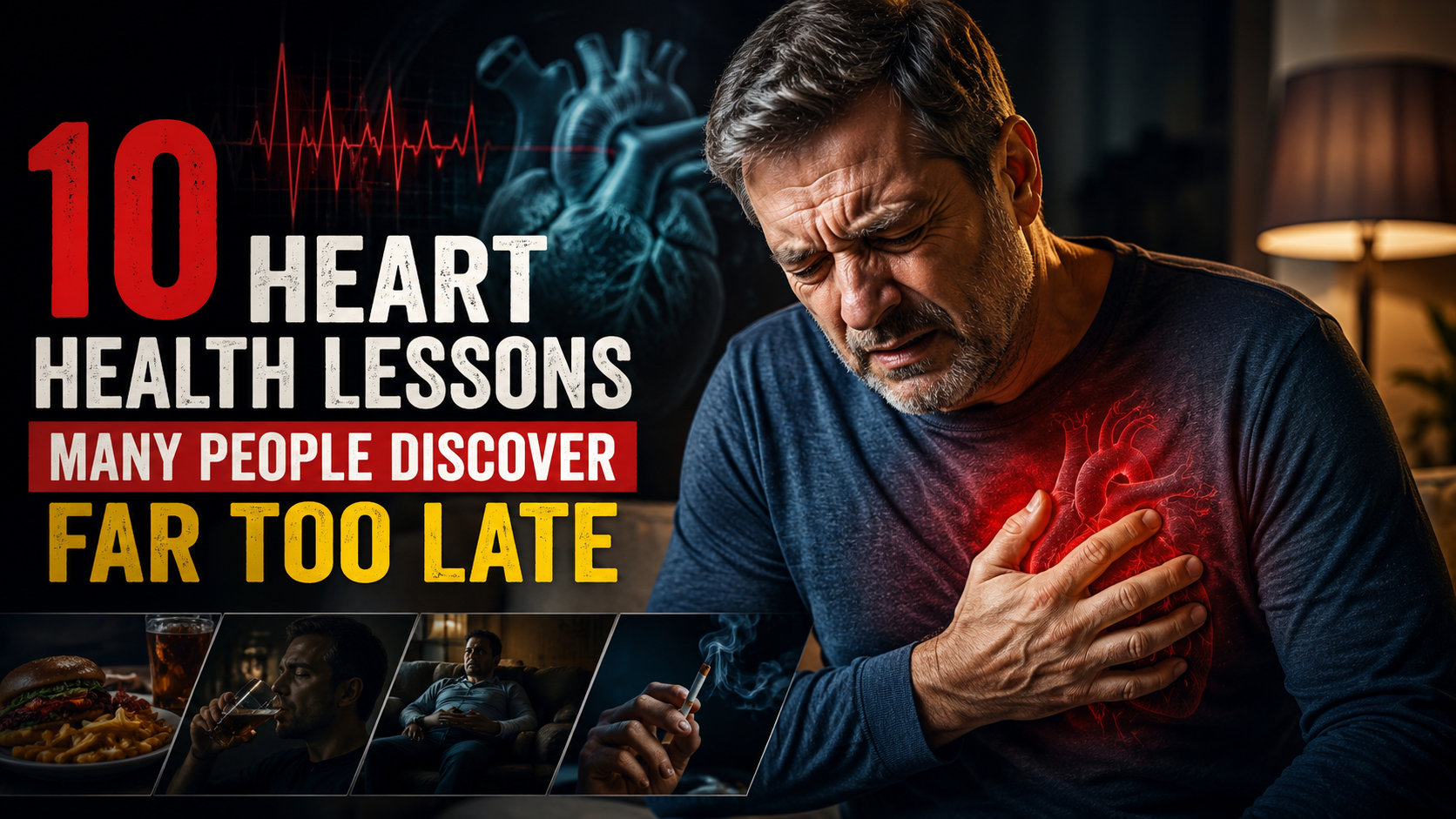
Heart disease remains one of the leading causes of death worldwide, yet many people spend years ignoring the small habits that quietly shape their cardiovascular health. The unfortunate reality is that heart problems rarely appear overnight. In most cases, they develop gradually through a combination of lifestyle choices, genetics, stress, and aging.
What makes heart health particularly challenging is that the warning signs are often subtle—or completely absent—until serious damage has already occurred. That’s why so many people look back and wish they had taken better care of their hearts sooner.
The good news is that it’s never too early—or too late—to make positive changes. By understanding the lessons others often learn after facing health scares, you can make smarter decisions today and potentially avoid major problems in the future.
Here are 10 important heart health lessons that many people wish they had learned earlier.
1. Heart Disease Doesn’t Only Affect Older Adults
One of the biggest misconceptions about heart health is that heart disease is something that only happens to elderly people. While age does increase risk, cardiovascular problems can begin developing decades before symptoms appear.
Poor eating habits, lack of exercise, smoking, chronic stress, and obesity can start damaging blood vessels in your twenties and thirties. By the time symptoms become noticeable, years of silent damage may have already occurred.
Many younger adults assume they’re too young to worry about their hearts, which often delays preventive care. The truth is that maintaining heart health should begin as early as possible. Small healthy habits practiced consistently over time can have a major impact later in life.
2. Exercise Is More Powerful Than Most People Realize
Many people underestimate the long-term benefits of regular physical activity. Exercise does much more than help with weight management—it strengthens the heart muscle, improves circulation, lowers blood pressure, and helps regulate blood sugar levels.
Research continues to show that consistent physical activity can significantly reduce the risk of cardiovascular disease. Even moderate activities such as brisk walking, cycling, swimming, or gardening can produce meaningful benefits when performed regularly.
You don’t need to become a marathon runner to improve heart health. The key is consistency. A simple daily routine can often provide greater benefits than occasional intense workouts.
3. High Blood Pressure Can Be a Silent Threat
High blood pressure is often called the “silent killer” for a reason. Many people have no obvious symptoms despite dangerously elevated readings.
Over time, uncontrolled blood pressure forces the heart to work harder than it should. This extra strain can damage arteries, increase the risk of stroke, and contribute to heart failure.
Because symptoms are often absent, regular health screenings are essential. A quick blood pressure check can reveal problems long before they become serious.
Many individuals only realize the importance of monitoring blood pressure after receiving a frightening diagnosis. Early detection can make a tremendous difference.
4. Stress Affects More Than Your Mood
Most people recognize that stress feels unpleasant, but fewer understand how deeply it affects physical health.
Chronic stress triggers hormonal changes that can increase blood pressure, raise inflammation levels, disrupt sleep, and encourage unhealthy coping behaviors such as overeating or smoking.
Over months and years, these effects can place significant strain on the cardiovascular system.
Learning healthy stress-management techniques—including meditation, exercise, deep breathing, social connection, and adequate rest—can support both mental and heart health.
Your emotional well-being and physical health are more connected than many people realize.
5. Diet Matters Every Single Day
Many people view healthy eating as a temporary project rather than a lifelong commitment. Unfortunately, the heart responds to daily choices, not occasional efforts.
Diets high in processed foods, excess sodium, sugar, and unhealthy fats can gradually contribute to artery damage and increased cardiovascular risk.
On the other hand, eating more fruits, vegetables, whole grains, nuts, seeds, lean proteins, and healthy fats can help protect the heart over time.
No single meal will determine your future health. However, the pattern of choices you make week after week and year after year can dramatically influence your cardiovascular health.
Small improvements often lead to meaningful long-term results.
6. Sleep Is a Critical Part of Heart Health
Sleep is frequently sacrificed in modern life, yet many people don’t realize how important it is for cardiovascular function.
During sleep, the body performs essential repair processes. Blood pressure naturally decreases, stress hormones regulate, and the heart gets a chance to recover from daily demands.
Chronic sleep deprivation has been linked to higher risks of hypertension, obesity, diabetes, and heart disease.
Adults who consistently get quality sleep tend to experience better overall cardiovascular outcomes than those who regularly operate on insufficient rest.
Protecting your sleep schedule may be one of the most overlooked investments you can make in your long-term health.
7. Family History Is Important—But Not Destiny
Many individuals assume that a family history of heart disease means they are destined to develop similar problems. While genetics certainly influence risk, lifestyle still plays a powerful role.
People with genetic risk factors often benefit even more from preventive measures such as exercise, healthy eating, regular medical checkups, and avoiding tobacco products.
Understanding your family history can provide valuable information, but it shouldn’t create a sense of hopelessness.
Genes may load the gun, but lifestyle often pulls the trigger.
Knowing your risks gives you the opportunity to take proactive steps before problems arise.
8. Smoking Damages the Heart Faster Than Many Expect
Most smokers understand that smoking affects the lungs, but many underestimate its impact on cardiovascular health.
Smoking damages blood vessels, reduces oxygen delivery, increases blood pressure, promotes blood clot formation, and accelerates plaque buildup in arteries.
The encouraging news is that the body begins recovering surprisingly quickly after quitting. Heart rate and blood pressure start improving shortly after cessation, while long-term cardiovascular risks gradually decline over time.
Many former smokers report wishing they had quit years earlier once they fully understood the benefits.
Quitting remains one of the most effective actions a person can take to improve heart health.
9. Regular Checkups Can Save Lives
A common mistake is waiting until symptoms appear before visiting a healthcare professional.
Many serious cardiovascular conditions develop silently. High cholesterol, elevated blood pressure, and early artery disease often produce no noticeable warning signs.
Routine medical exams can identify these risks early, allowing for intervention before major complications occur.
Preventive healthcare isn’t just about treating illness—it’s about identifying potential problems before they become emergencies.
The earlier a risk factor is detected, the easier it is often to manage.
10. It’s Never Too Late to Improve Your Heart Health
Perhaps the most important lesson of all is that positive changes can provide benefits at almost any age.
Many people regret not adopting healthier habits sooner, but dwelling on the past doesn’t improve future outcomes. What matters most is what you choose to do today.
Whether you’re 30, 50, 70, or beyond, healthier eating, regular exercise, smoking cessation, stress management, and quality sleep can still improve cardiovascular function and overall well-being.
The human body has a remarkable ability to respond positively to healthy lifestyle changes. Even small improvements can accumulate into significant benefits over time.
Final Thoughts
Heart health is often shaped by thousands of small decisions rather than one major event. Unfortunately, many people only recognize the importance of these choices after experiencing a health scare or receiving an unexpected diagnosis.
The good news is that you don’t have to wait for a warning sign to start making changes. Understanding these lessons now can help you protect your heart for years to come.
Regular exercise, balanced nutrition, quality sleep, stress management, preventive healthcare, and avoiding harmful habits are not just recommendations—they are investments in your future.
Your heart works tirelessly every second of every day. Taking care of it today may be one of the most valuable gifts you can give yourself for the years ahead.







