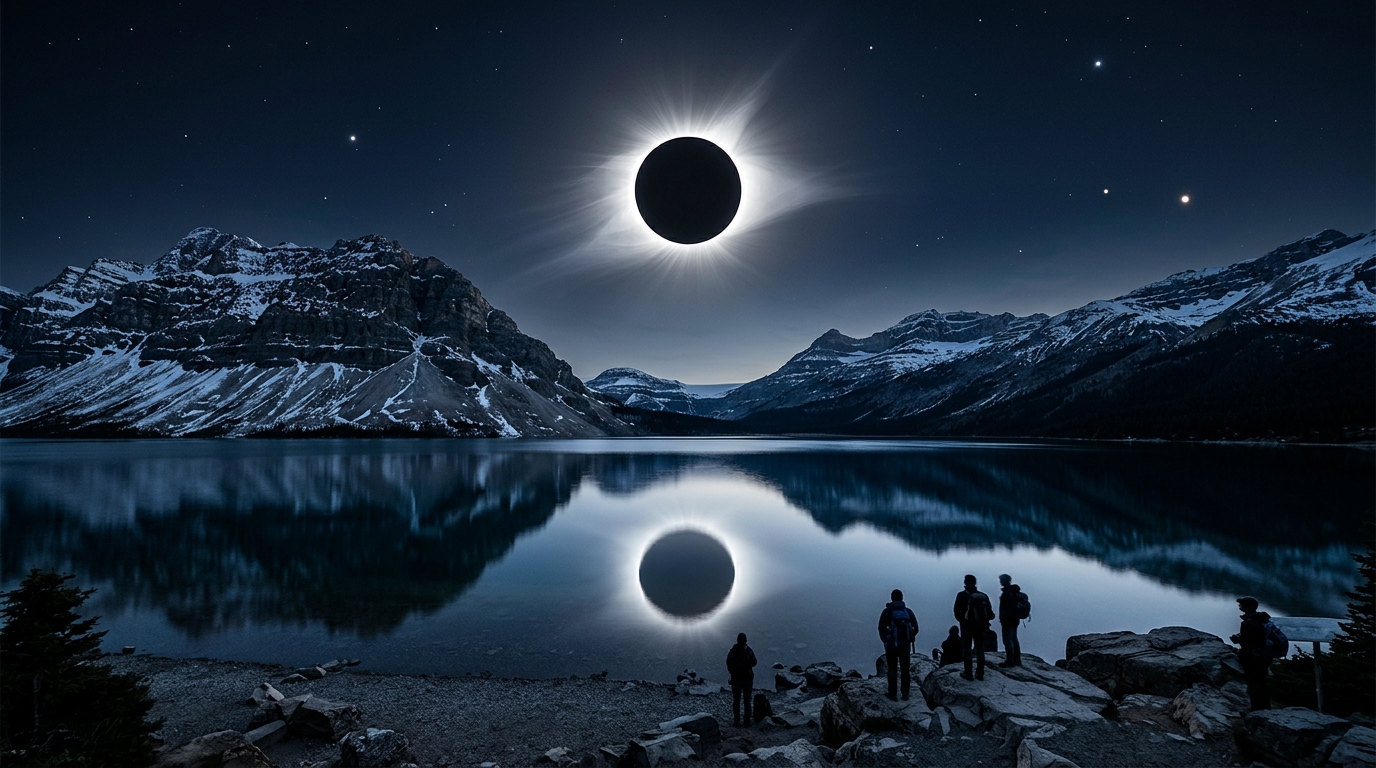
Nature has a remarkable ability to create moments that leave people speechless. Whether it’s a sky illuminated by colorful lights, a powerful waterfall plunging into a canyon, or a total solar eclipse that turns day into night, some natural events are so extraordinary that they feel almost unreal.
These spectacles remind us that our planet is filled with wonders far beyond everyday life. Scientists study them to better understand the Earth and the universe, while travelers cross continents just to witness them firsthand. They inspire photographers, artists, and dreamers alike, offering unforgettable experiences that stay with people for a lifetime.
Here are 15 fascinating facts about some of the most breathtaking natural spectacles on Earth and why they continue to capture our imagination.
1. Nature’s Greatest Shows Can Be Seen From Space
Many of Earth’s most spectacular natural phenomena are so large that astronauts can observe them from orbit. Massive hurricanes, volcanic eruptions, auroras, and even enormous dust storms are visible from space.
The colorful curtains of the aurora borealis, for example, often appear as glowing ribbons stretching across entire regions of the planet. Seeing these events from above offers a unique perspective on the immense scale of Earth’s natural forces.
2. Total Solar Eclipses Create Temporary Nighttime
A total solar eclipse is one of the rarest and most dramatic sights in nature. When the Moon passes directly between Earth and the Sun, daylight can disappear within minutes.
Temperatures often drop noticeably, birds become quiet, and stars may appear in the sky. For a brief period, the world experiences conditions that resemble twilight or nighttime, creating an unforgettable atmosphere for those lucky enough to be within the eclipse path.
3. The Northern Lights Are Powered by the Sun
The aurora borealis and aurora australis are among the most beautiful natural displays on Earth. These shimmering lights occur when charged particles from the Sun collide with gases in Earth’s atmosphere.
Different gases create different colors. Oxygen often produces green and red hues, while nitrogen can generate blues and purples. The result is a constantly changing light show that dances across the night sky.
4. Some Waterfalls Generate Their Own Weather
Large waterfalls can create local weather conditions. As millions of gallons of water crash downward, they release fine mist into the air.
This mist can form clouds, increase humidity, and even produce rainbows that appear almost daily under the right lighting conditions. In some locations, the surrounding ecosystem depends heavily on the moisture generated by these powerful cascades.
5. Volcanic Eruptions Can Change the Sky
Volcanoes are among the most powerful forces on Earth. Major eruptions can send ash and gases high into the atmosphere, affecting weather patterns and sunsets around the world.
Tiny particles suspended in the atmosphere scatter sunlight, often creating unusually vivid reds, oranges, and purples during sunrise and sunset. Some volcanic eruptions have produced colorful skies visible thousands of miles away.
6. Meteor Showers Are Ancient Cosmic Debris
Every year, Earth passes through trails of dust left behind by comets. When these particles enter our atmosphere, they burn up and create the streaks of light we call meteors.
During major meteor showers, observers can see dozens or even hundreds of shooting stars each hour. Although they appear dramatic, most of these particles are no larger than grains of sand.
7. Giant Waves Can Reach Incredible Heights
The ocean occasionally produces waves of astonishing size. Some rogue waves have been measured at heights exceeding 80 feet (24 meters), towering above ships and offshore structures.
These rare waves can form when multiple wave systems combine, creating a single massive wall of water. Once considered myths by sailors, rogue waves are now recognized as real and scientifically documented events.
8. Desert Blooms Transform Entire Landscapes
Many deserts appear barren for years at a time, but under the right conditions they can suddenly burst into color.
After periods of significant rainfall, dormant seeds awaken and bloom simultaneously. Vast stretches of land become covered with wildflowers, turning dry terrain into vibrant landscapes filled with reds, yellows, purples, and orange blossoms.
9. Lightning Strikes More Often Than You Think
Lightning is one of nature’s most powerful displays. Across the globe, it strikes approximately 100 times every second.
Certain regions experience especially high lightning activity. In some locations, thunderstorms occur so frequently that lightning illuminates the sky for hundreds of nights each year, creating a nearly continuous natural light show.
10. Some Lakes Glow in the Dark
Bioluminescent organisms can transform bodies of water into glowing blue landscapes at night.
When disturbed by waves, boats, or swimmers, these tiny organisms emit light through chemical reactions inside their cells. The effect can make the water appear filled with sparkling stars, creating one of the most magical experiences found in nature.
11. Rainbows Are More Complex Than They Appear
Most people recognize the familiar arc of a rainbow, but these colorful displays can take many forms.
Under ideal conditions, double rainbows, circular rainbows, and even moonbows can occur. Moonbows are created by moonlight instead of sunlight and are often much fainter, making them a rare sight for skywatchers.
12. Glaciers Can Produce Stunning Blue Ice
Not all ice appears white. In large glaciers, centuries of compression remove air bubbles trapped within the ice.
This dense ice absorbs most colors of light while reflecting blue wavelengths. The result is an intense sapphire-like appearance that can make glacier caves look like scenes from another world.
13. Sand Dunes Can Actually Sing
Certain deserts contain dunes that produce mysterious sounds. When sand slides down steep slopes, it can generate deep humming, booming, or musical tones.
Scientists believe these sounds occur when sand grains move together in synchronized vibrations. The phenomenon has fascinated explorers for centuries and remains one of nature’s most unusual acoustic wonders.
14. The Ocean Hosts Massive Migrations
Some of nature’s greatest spectacles happen beneath the surface of the sea. Every year, billions of marine creatures participate in migrations that span vast distances.
Schools of fish, whales, sea turtles, and countless smaller organisms travel through the oceans in search of food and breeding grounds. These migrations are among the largest animal movements on the planet.
15. Nature Continues to Surprise Scientists
Despite centuries of exploration and research, new natural phenomena are still being discovered. Scientists regularly uncover unusual weather events, unique ecosystems, and previously undocumented behaviors in plants and animals.
Advances in satellite technology, deep-sea exploration, and space observation continue to reveal aspects of the natural world that were once hidden from view. Each discovery reminds us that Earth remains a place of endless mystery and wonder.
Why These Spectacles Matter
Beyond their beauty, natural spectacles provide valuable scientific insights. They help researchers understand climate systems, geological activity, atmospheric processes, and even the history of our planet.
Observing these events also encourages people to appreciate the delicate balance of nature. Many spectacular locations depend on healthy ecosystems and stable environmental conditions. Protecting these environments ensures that future generations can continue to experience the same awe-inspiring sights.
Natural wonders also have a unique ability to unite people. Regardless of language, culture, or background, witnessing a breathtaking eclipse, a dazzling aurora, or a glowing shoreline often inspires the same sense of amazement.
Final Thoughts
Nature’s greatest spectacles remind us how extraordinary our world truly is. From dancing auroras and roaring waterfalls to glowing oceans and celestial events, these remarkable displays reveal the incredible forces that shape our planet and the universe beyond.
While technology continues to advance and modern life grows increasingly fast-paced, moments spent observing nature’s wonders offer a rare opportunity to pause and appreciate something larger than ourselves. They inspire curiosity, fuel scientific discovery, and create memories that last a lifetime.
The next time you encounter one of nature’s breathtaking spectacles, take a moment to truly absorb it. You may be witnessing a phenomenon that has amazed generations before you—and will continue to inspire generations yet to come.







