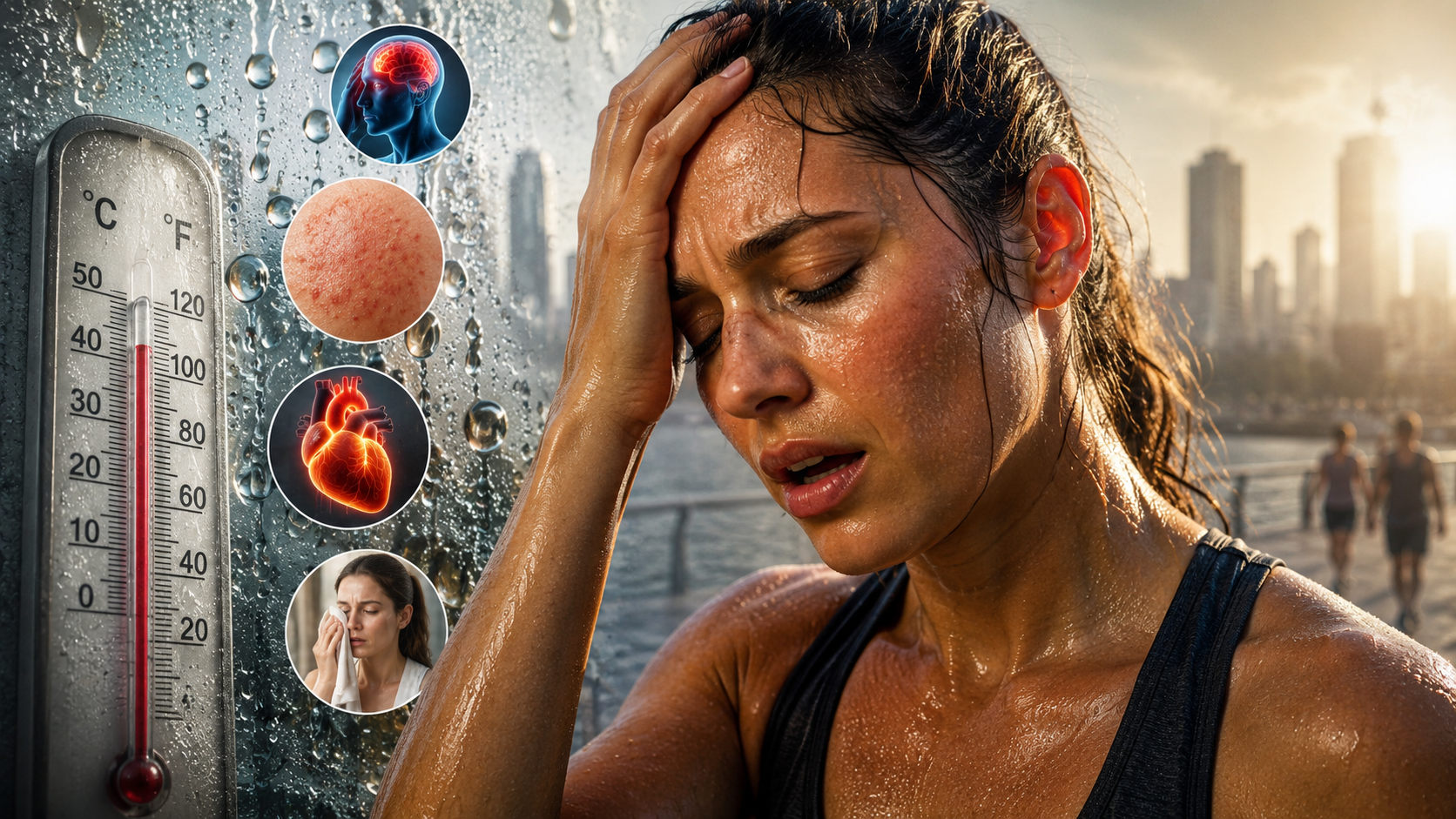
Most people associate hot weather with discomfort, but temperature is only part of the story. Humidity can have an equally powerful impact on how the body feels and functions. In fact, a moderately warm day with high humidity can sometimes feel more uncomfortable than a much hotter day with dry air.
The human body has an impressive natural cooling system designed to maintain a stable internal temperature. Through sweating, increased blood flow to the skin, and other physiological responses, the body works continuously to prevent overheating. However, high humidity can make these cooling mechanisms far less effective.
When moisture levels in the air rise, the body’s ability to release heat becomes compromised, increasing the risk of fatigue, heat-related illness, and general discomfort. Understanding how humidity affects the body’s cooling processes can help people make smarter decisions during warm weather and protect their health.
Here are 10 ways humidity can interfere with your body’s natural cooling system.
1. Sweat Evaporates More Slowly
Sweating is one of the body’s primary methods for regulating temperature.
When sweat evaporates from the skin, it removes heat and creates a cooling effect. This process works efficiently in dry conditions because the air can easily absorb additional moisture.
High humidity changes the equation. When the air already contains a large amount of water vapor, sweat evaporates much more slowly. Instead of cooling the skin effectively, perspiration tends to remain on the surface.
As a result, the body struggles to release excess heat, making hot conditions feel significantly more uncomfortable.
2. The Body Retains More Heat
The purpose of sweating is not simply to produce moisture—it is to remove heat.
When evaporation slows due to humidity, the body retains more heat than it normally would. This can cause internal temperatures to rise more quickly, especially during physical activity.
Even if a person is sweating heavily, they may not be cooling down efficiently. The body continues working harder to regulate temperature, which can increase strain on multiple physiological systems.
This is one reason humid weather often feels exhausting even when temperatures are not exceptionally high.
3. Heart Rate May Increase
Maintaining a stable body temperature requires a coordinated effort from the cardiovascular system.
In hot and humid conditions, blood vessels near the skin surface expand to help release heat. At the same time, the heart may need to pump more blood to support both cooling and normal bodily functions.
Because humidity reduces cooling efficiency, the cardiovascular system often has to work even harder. This can contribute to an elevated heart rate and a greater feeling of physical exertion.
For some individuals, particularly older adults and those with underlying health conditions, this additional strain can become more significant.
4. Physical Activity Feels More Difficult
Many people notice that exercise feels harder on humid days.
When the body cannot cool itself efficiently, physical activity requires more effort. Muscles generate heat during movement, and the inability to release that heat effectively can accelerate fatigue.
Athletes often experience reduced endurance, slower recovery, and increased perceived exertion in humid conditions.
Even routine activities such as walking, gardening, or household chores may feel more demanding when humidity levels are high.
5. Dehydration Can Develop More Quickly
Humid weather often leads to increased sweating, but because sweat does not evaporate efficiently, people may underestimate how much fluid they are losing.
The body can continue producing large amounts of sweat in an attempt to cool itself, leading to significant fluid loss over time.
Without adequate hydration, dehydration may develop, affecting energy levels, concentration, and physical performance.
Signs of dehydration can include thirst, dry mouth, dizziness, headache, and reduced urine output.
Maintaining proper fluid intake becomes especially important during hot and humid conditions.
6. Heat Exhaustion Risk Increases
When the body’s cooling system becomes overwhelmed, heat-related illnesses can occur.
Heat exhaustion develops when prolonged exposure to heat and inadequate cooling place excessive stress on the body. Symptoms may include heavy sweating, weakness, nausea, headache, dizziness, and muscle cramps.
High humidity can accelerate this process by reducing the effectiveness of sweat evaporation.
People who spend extended periods outdoors, engage in strenuous activity, or have limited access to cooling environments face greater risks during humid weather.
Recognizing early warning signs is essential for preventing more serious complications.
7. Sleep Quality May Suffer
The body naturally lowers its temperature as part of the sleep process.
Excessive humidity can interfere with this cooling transition, making it more difficult to fall asleep and remain comfortable throughout the night.
Many people report feeling sticky, overheated, or restless in humid sleeping environments. Frequent waking and disrupted sleep cycles may follow.
Poor sleep can affect mood, concentration, immune function, and overall well-being, making humidity a factor that extends beyond daytime discomfort.
Creating a cooler, well-ventilated sleeping space can help improve rest during humid conditions.
8. The “Feels Like” Temperature Becomes Much Higher
Meteorologists often use the heat index to describe how hot conditions feel when humidity is taken into account.
The heat index combines air temperature and relative humidity to estimate perceived heat stress on the body.
For example, a temperature of 90°F (32°C) may feel considerably hotter when humidity is high because the body’s cooling system becomes less effective.
This explains why people sometimes feel overwhelmed by weather that does not appear extreme based solely on the thermometer.
The body’s response is influenced by both heat and moisture in the surrounding air.
9. Heat Rash and Skin Irritation Become More Common
Humidity affects more than internal temperature regulation.
When sweat remains on the skin for extended periods, it can contribute to irritation, chafing, and heat rash. Moist conditions may block sweat ducts, causing small red bumps and discomfort.
Areas where skin rubs together or where clothing traps moisture are particularly vulnerable.
While heat rash is generally mild, it serves as a reminder that humid environments place additional stress on the body’s natural cooling mechanisms.
Proper hygiene, breathable clothing, and staying cool can help reduce these issues.
10. The Risk of Heat Stroke Can Increase
Heat stroke is a medical emergency that occurs when the body’s temperature regulation system fails.
Unlike heat exhaustion, heat stroke can cause dangerously high body temperatures and may lead to serious complications affecting the brain, heart, kidneys, and other organs.
Symptoms can include confusion, altered mental status, rapid pulse, hot skin, and loss of consciousness.
High humidity increases the likelihood of overheating because it limits the body’s ability to cool itself through evaporation.
Immediate medical attention is required if heat stroke is suspected.
Understanding humidity’s role in heat-related illness can help individuals recognize dangerous conditions before they become life-threatening.
Why Humidity Has Such a Powerful Effect
To understand humidity’s impact, it helps to consider how evaporation works.
Evaporation occurs when liquid water changes into vapor and enters the air. The drier the air, the more easily this process happens. The more humid the air, the harder it becomes for additional moisture to evaporate.
Since sweat-based cooling depends almost entirely on evaporation, humidity directly interferes with one of the body’s most important temperature-control mechanisms.
This biological limitation affects everyone, although certain groups may be more vulnerable than others.
Who Is Most Vulnerable to High Humidity?
While anyone can experience discomfort during humid weather, some individuals face greater risks.
These groups include:
- Older adults
- Infants and young children
- People with cardiovascular disease
- Individuals with respiratory conditions
- Outdoor workers
- Athletes
- People taking certain medications
- Individuals with limited access to air conditioning
Understanding personal risk factors can help guide decisions during periods of extreme heat and humidity.
Tips for Staying Safe in Humid Weather
Fortunately, several practical strategies can help reduce heat stress when humidity levels rise.
Consider the following:
- Drink water regularly throughout the day.
- Avoid excessive physical activity during peak heat.
- Wear lightweight, breathable clothing.
- Seek shade whenever possible.
- Use fans or air conditioning.
- Take frequent breaks when outdoors.
- Monitor weather forecasts and heat index reports.
- Recognize early signs of heat-related illness.
Small precautions can make a significant difference in maintaining comfort and safety.
Final Thoughts
The body’s natural cooling system is remarkably effective, but it has limits. High humidity can interfere with the evaporation of sweat, reduce heat loss, increase cardiovascular strain, and raise the risk of heat-related illness.
From making exercise feel harder to disrupting sleep and increasing dehydration risk, humidity affects far more than simple comfort. Understanding these effects allows individuals to take proactive steps to stay safe and protect their health during warm weather.
The next time a humid day feels unusually exhausting, remember that your body is working overtime to maintain its internal balance. By recognizing how humidity influences the cooling process, you can make smarter choices and better support your body’s natural defenses against heat.







