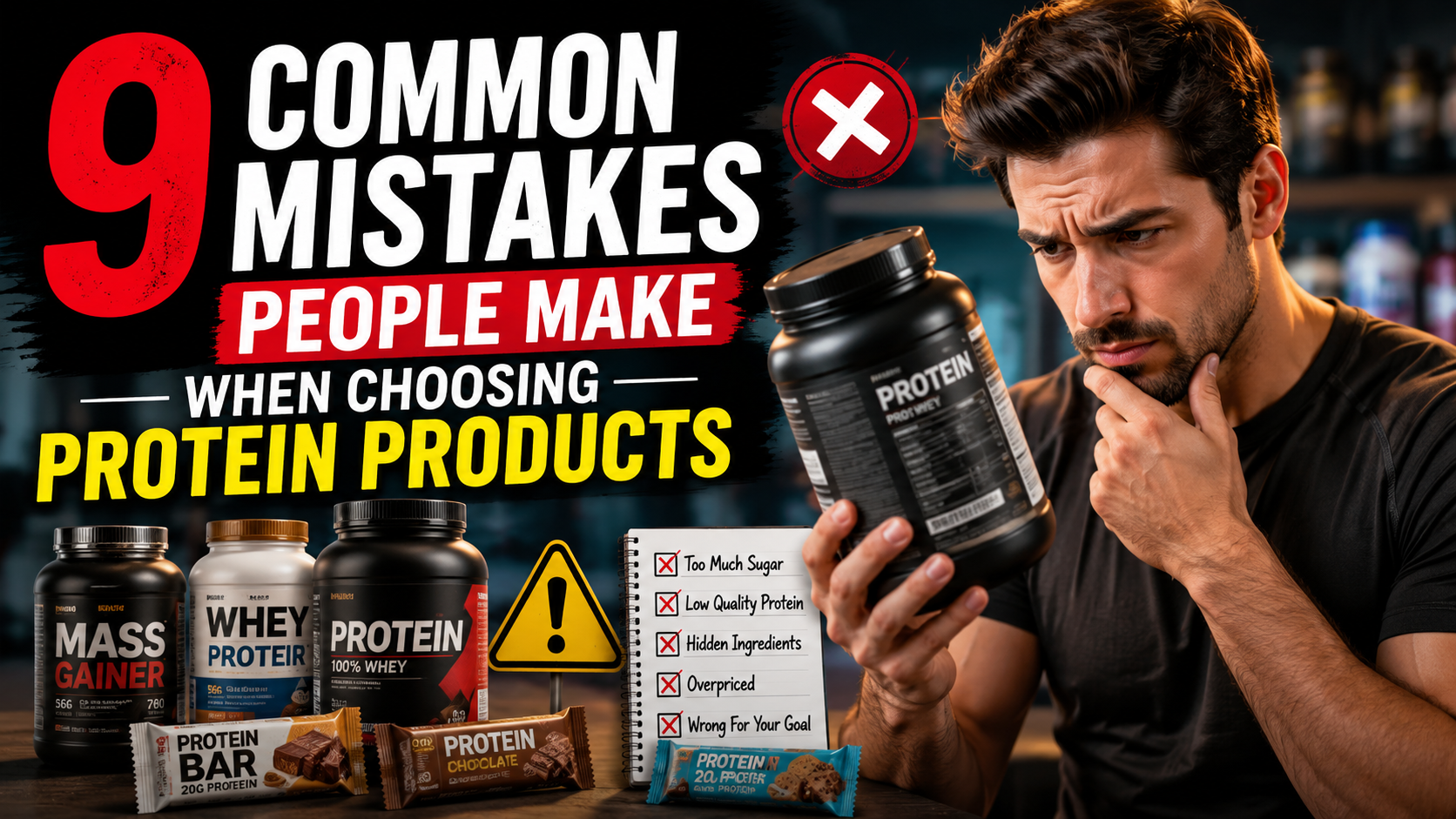
Protein products have become a staple in modern nutrition. From protein powders and bars to ready-to-drink shakes and fortified snacks, consumers have more options than ever before. Walk into any grocery store or fitness shop, and you’ll find shelves packed with products promising muscle growth, weight management, improved recovery, and better overall health.
But despite their popularity, many people make costly mistakes when selecting protein products. Clever marketing, confusing labels, and health claims can make it difficult to know which products are truly beneficial and which may not live up to expectations.
Choosing the wrong protein product doesn’t necessarily mean immediate health problems, but it can result in wasted money, unnecessary additives, poor nutrition, and missed opportunities to support your health goals effectively.
Here are nine common mistakes people make when choosing protein products—and how to avoid them.
1. Focusing Only on the Protein Number
One of the biggest mistakes consumers make is looking exclusively at the amount of protein listed on the package.
Many shoppers immediately compare products based on grams of protein per serving. While protein content is important, it shouldn’t be the only factor influencing your decision.
A protein bar containing 25 grams of protein may also contain large amounts of added sugars, artificial flavors, preservatives, or highly processed ingredients. Likewise, some protein shakes may deliver impressive protein numbers while offering little nutritional value beyond that.
Instead of focusing solely on protein quantity, evaluate the complete nutrition profile. Consider factors such as ingredient quality, sugar content, fiber, healthy fats, and overall calorie balance.
A product with slightly less protein but better ingredients may ultimately be the healthier choice.
2. Ignoring the Ingredient List
Many consumers spend more time reading the front of the package than the back.
Food manufacturers often highlight attractive phrases such as “high protein,” “fitness friendly,” “natural,” or “performance formula.” These marketing terms can create a positive impression before consumers ever examine the actual ingredients.
The ingredient list tells a more complete story.
Products with lengthy ingredient lists filled with unfamiliar additives, artificial sweeteners, stabilizers, and preservatives may be more heavily processed than consumers realize.
As a general rule, shorter ingredient lists with recognizable food-based ingredients are often easier to understand and evaluate.
While not every additive is harmful, paying attention to ingredients can help consumers make more informed choices.
3. Assuming All Protein Sources Are Equal
Not all proteins are created the same.
Different protein products use different sources, including whey, casein, soy, pea, rice, hemp, egg, collagen, and blends of multiple proteins.
Each protein source offers unique characteristics. Some contain all essential amino acids, while others may be lower in certain nutrients. Digestibility, taste, texture, and nutritional value can also vary significantly.
For example, athletes focused on muscle recovery may prioritize different protein sources than individuals following a plant-based lifestyle.
Understanding where your protein comes from can help ensure the product aligns with your personal goals and dietary preferences.
4. Believing Every Health Claim on the Label
Packaging is designed to attract attention.
Terms such as “clean,” “premium,” “advanced,” “scientifically formulated,” and “all-natural” often appear prominently on protein products. While these claims may sound reassuring, they don’t always provide meaningful information about product quality.
Many marketing phrases are not strictly regulated and can be interpreted differently by manufacturers.
This doesn’t mean companies are being dishonest, but consumers should approach health claims with a critical eye.
Instead of relying solely on promotional language, examine the nutrition facts, ingredients, serving sizes, and overall nutritional value.
Facts are generally more useful than marketing slogans.
5. Overlooking Added Sugars and Sweeteners
Some protein products contain surprisingly high amounts of sweeteners.
Protein bars, flavored powders, and ready-to-drink shakes often use added sugars or alternative sweeteners to improve taste. While flavor matters, excessive sweetness can sometimes transform a health-focused product into something closer to a dessert.
Consumers may unknowingly consume large amounts of added sugar while believing they are making healthy choices.
It’s also worth paying attention to serving sizes. A product that appears low in sugar may contain multiple servings per package.
Reviewing the nutrition label carefully can help identify products that strike a healthier balance between taste and nutrition.
6. Choosing Convenience Over Quality
Convenience plays a major role in purchasing decisions.
Busy schedules often lead people toward grab-and-go protein products because they’re quick and easy. There’s nothing inherently wrong with convenience, but problems arise when convenience becomes the only factor guiding choices.
Some highly processed protein products may contain numerous additives designed to improve shelf life, texture, or flavor.
Meanwhile, simpler protein sources such as Greek yogurt, eggs, cottage cheese, fish, poultry, beans, lentils, and nuts often provide protein along with additional vitamins, minerals, and beneficial nutrients.
Protein supplements can certainly have a place in a balanced diet, but they shouldn’t automatically replace whole-food protein sources.
Whenever possible, aim for a healthy balance between convenience and nutritional quality.
7. Forgetting About Overall Dietary Balance
Protein has become one of the most talked-about nutrients in modern nutrition. As a result, some people focus so heavily on increasing protein intake that they overlook other essential components of a healthy diet.
A balanced eating plan includes more than just protein.
Fiber, healthy fats, vitamins, minerals, and complex carbohydrates all play important roles in supporting overall health. Even the highest-quality protein product cannot compensate for an otherwise unbalanced diet.
Rather than viewing protein as the sole priority, consider how each product fits into your broader nutritional picture.
The goal should be overall dietary quality, not simply maximizing protein intake.
8. Assuming Expensive Means Better
Price can influence perception.
Many consumers assume that premium-priced protein products must be superior to more affordable options. While some higher-end products may use specialized ingredients or additional testing procedures, a higher price tag doesn’t automatically guarantee better quality.
In some cases, consumers are paying more for branding, packaging, influencer endorsements, or marketing campaigns.
Comparing nutrition labels, ingredient quality, and serving costs often reveals that moderately priced products can provide similar nutritional benefits.
Smart shopping involves evaluating value rather than assuming the most expensive option is the best one.
9. Failing to Match the Product to Personal Goals
Perhaps the most common mistake is choosing a protein product without considering individual needs.
People buy protein products for many different reasons:
- Building muscle
- Supporting weight management
- Increasing daily protein intake
- Enhancing workout recovery
- Maintaining healthy aging
- Following vegetarian or vegan diets
- Improving meal convenience
The ideal product for one person may not be ideal for another.
For example, an endurance athlete, an office worker, and a retiree may have very different nutritional priorities. A protein product should complement your lifestyle, activity level, dietary restrictions, and health objectives.
Taking a personalized approach often leads to better long-term results than simply purchasing whatever product happens to be popular.
How to Make Smarter Protein Choices
Avoiding these common mistakes doesn’t require becoming a nutrition expert. A few simple habits can dramatically improve decision-making:
- Read ingredient lists carefully.
- Compare nutrition labels.
- Pay attention to serving sizes.
- Watch for excessive added sugars.
- Consider the protein source.
- Prioritize whole-food nutrition when possible.
- Match products to your specific goals.
- Research brands and manufacturing practices.
- Focus on overall diet quality rather than protein alone.
These small steps can help consumers navigate an increasingly crowded marketplace with greater confidence.
Final Thoughts
Protein products can be useful tools for supporting health, fitness, and nutritional goals. They offer convenience, flexibility, and an easy way to increase protein intake when used appropriately.
However, not all protein products are created equal. Marketing claims, flashy packaging, and high protein numbers can sometimes distract consumers from what truly matters: ingredient quality, nutritional balance, and suitability for individual needs.
The best approach is to become an informed shopper. Look beyond the front label, read ingredients carefully, and consider how a product fits into your overall eating habits.
Ultimately, successful nutrition isn’t about finding the perfect protein powder or the most expensive supplement. It’s about making thoughtful choices that support your long-term health and wellness goals. By avoiding these nine common mistakes, you’ll be better equipped to select protein products that truly deliver value—not just promises.