Cancer research has entered an era of rapid innovation. Advances in genetics, immunology, and precision medicine are helping scientists better understand how tumors grow, spread, and respond to treatment. Every major study adds another piece to the puzzle, sometimes producing findings that challenge long-held assumptions and open entirely new directions for research.
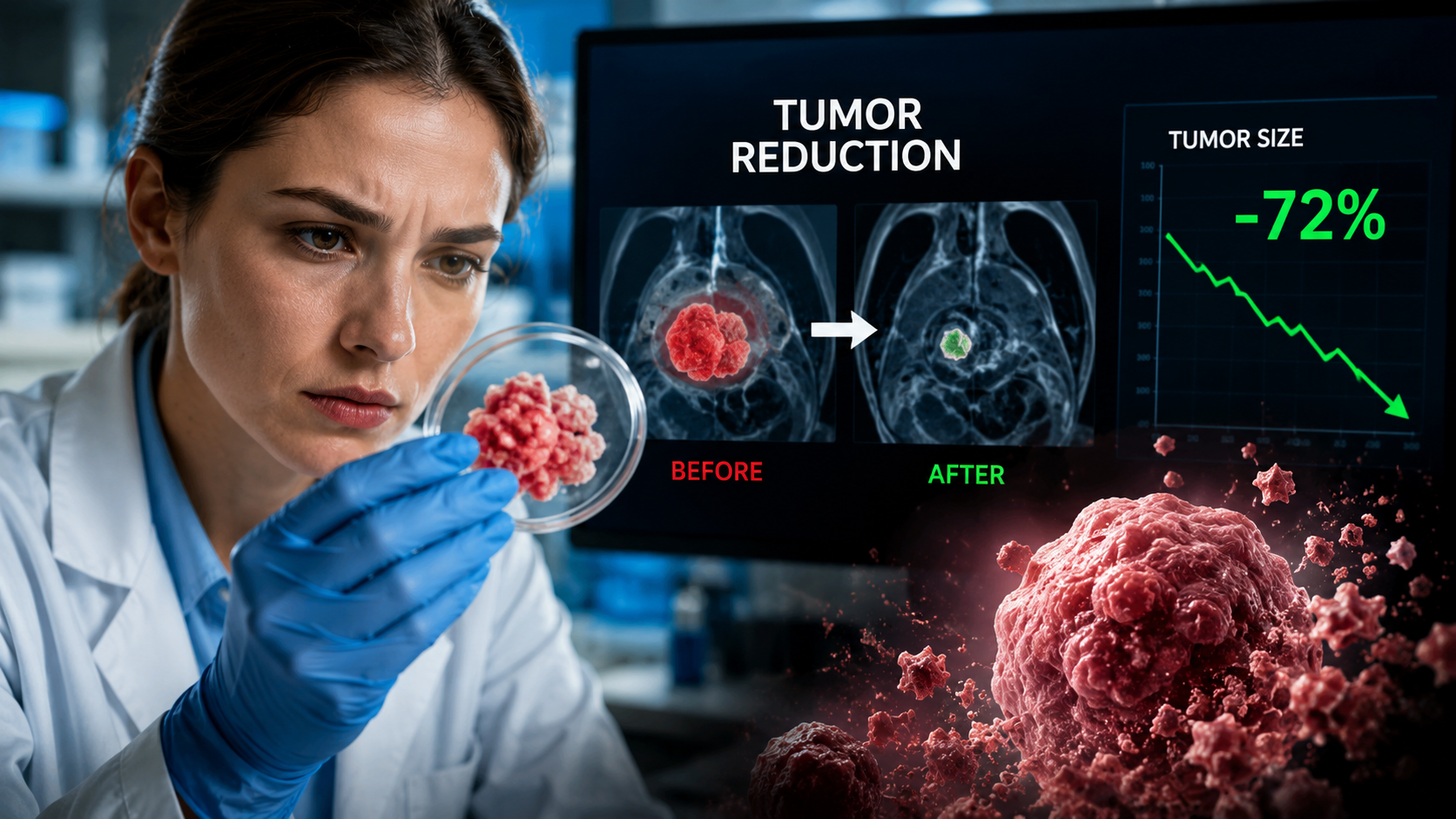
One particularly noteworthy area of investigation involves studies in which researchers observe significant tumor reduction in patients or experimental models. While no single study provides all the answers, these findings can reveal valuable insights into how cancer behaves and how future treatments might be improved.
Tumor reduction studies are important not only because they measure whether a therapy works, but also because they help scientists understand why it works. By examining the biological changes associated with shrinking tumors, researchers can identify promising strategies that may eventually benefit larger numbers of patients.
Here are seven important lessons scientists have learned from a remarkable tumor reduction study and what those discoveries could mean for the future of cancer treatment.
1. The Immune System Can Be More Powerful Than Previously Realized
One of the most significant lessons emerging from modern cancer research is the extraordinary power of the human immune system.
For many years, scientists primarily focused on directly attacking cancer cells through surgery, chemotherapy, and radiation. While these approaches remain essential, tumor reduction studies have shown that the body’s own immune defenses can sometimes play a crucial role in controlling cancer.
Researchers have observed cases in which activated immune cells successfully identified and targeted tumor cells, leading to measurable reductions in tumor size. These findings have helped fuel the development of immunotherapy, a treatment approach that aims to strengthen or redirect the immune system against cancer.
The growing understanding of immune involvement has transformed oncology and continues to inspire new therapeutic strategies.
2. Every Tumor Is Unique
Another major discovery is that cancers that appear similar under a microscope may behave very differently at the molecular level.
Tumor reduction studies frequently reveal that patients can respond differently to the same treatment. While one individual may experience significant improvement, another may show little change.
Researchers now know that genetic variations, protein expression patterns, and other biological factors can influence treatment outcomes.
This realization has accelerated the move toward precision medicine, where therapies are tailored to the specific characteristics of an individual’s cancer rather than relying solely on a one-size-fits-all approach.
Understanding tumor uniqueness is helping scientists develop more personalized and potentially more effective treatments.
3. Timing Can Have a Major Impact on Results
Many studies have demonstrated that when treatment is administered can be almost as important as what treatment is given.
Researchers have found that early intervention often leads to better outcomes because tumors may be smaller, less complex, and less likely to have developed resistance mechanisms.
In some tumor reduction studies, scientists observed that therapies appeared particularly effective when introduced before extensive disease progression occurred.
These findings reinforce the importance of early detection, routine screenings, and timely treatment decisions.
The earlier cancer is identified and addressed, the greater the opportunity to achieve meaningful results.
4. Combination Approaches Often Perform Better Than Single Treatments
A recurring theme in cancer research is that combining therapies can sometimes produce stronger results than using one treatment alone.
Tumors are highly adaptable. When faced with a single treatment strategy, cancer cells may develop ways to survive or bypass its effects.
However, tumor reduction studies frequently show that combining multiple approaches—such as immunotherapy, targeted therapy, chemotherapy, or radiation—can create a more difficult environment for cancer cells to overcome.
Researchers have learned that attacking cancer from multiple angles may improve treatment effectiveness while potentially reducing the likelihood of resistance.
This lesson continues to shape clinical trial design and future treatment development.
5. Tumor Microenvironments Matter More Than Expected
Cancer does not exist in isolation.
Every tumor is surrounded by a complex environment consisting of blood vessels, immune cells, connective tissue, signaling molecules, and other structures. Scientists refer to this surrounding ecosystem as the tumor microenvironment.
Remarkable tumor reduction studies have highlighted how influential this environment can be.
Researchers have discovered that factors within the tumor’s surroundings may either support cancer growth or help suppress it. Some therapies appear to work not only by targeting cancer cells directly but also by altering the conditions around them.
This insight has expanded the focus of cancer research beyond tumors themselves to include the broader biological systems in which they exist.
6. Biomarkers Can Help Predict Treatment Success
One of the most valuable outcomes of tumor reduction research has been the identification of biomarkers.
Biomarkers are measurable biological indicators that may provide clues about how a disease is progressing or how likely a patient is to respond to a particular treatment.
In many studies, scientists have identified genetic markers, proteins, or immune characteristics associated with stronger tumor responses.
These discoveries are helping physicians make more informed treatment decisions and may reduce the trial-and-error approach that has historically characterized some aspects of cancer care.
As biomarker research advances, patients may increasingly receive therapies selected specifically for their biological profiles.
7. Hope for Future Breakthroughs Continues to Grow
Perhaps the most important lesson from remarkable tumor reduction studies is that scientific progress continues to accelerate.
Many findings that once seemed impossible have become realities through persistent research and innovation. Therapies that were experimental only a few years ago are now improving outcomes for patients around the world.
Tumor reduction studies often reveal unexpected insights that lead to entirely new research directions. A single observation can inspire years of investigation, ultimately contributing to major medical advances.
While challenges remain and much work still lies ahead, each discovery strengthens the foundation for future breakthroughs.
The pace of progress provides reason for cautious optimism among researchers, healthcare professionals, patients, and families alike.
Why Tumor Reduction Studies Matter
Tumor reduction is more than a measurement on a scan or a chart.
When scientists study how and why tumors shrink, they gain critical information about cancer biology. These insights help researchers identify weaknesses in cancer cells, understand treatment resistance, and improve future therapies.
Every successful study contributes valuable knowledge, even when questions remain unanswered.
The lessons learned often extend beyond a specific cancer type and may influence research across multiple areas of medicine.
This broader impact makes tumor reduction studies an essential part of advancing cancer science.
Challenges Researchers Still Face
Despite encouraging findings, cancer remains one of the most complex diseases known to medicine.
Researchers continue working to overcome several major challenges, including:
- Treatment resistance.
- Cancer recurrence.
- Tumor diversity.
- Side effect management.
- Early detection limitations.
- Access to advanced therapies.
These challenges underscore why continued research is necessary.
Even when studies produce impressive results, scientists must carefully validate findings through additional trials and long-term follow-up before drawing broad conclusions.
Progress often occurs through incremental advances that build upon one another over time.
The Future of Cancer Research
The future of oncology is increasingly focused on precision, personalization, and prevention.
Emerging technologies such as artificial intelligence, advanced genetic sequencing, and sophisticated imaging tools are helping researchers analyze cancer in unprecedented detail.
Scientists are also exploring innovative areas including personalized vaccines, next-generation immunotherapies, cellular therapies, and novel targeted treatments.
As knowledge grows, researchers hope to develop therapies that are not only more effective but also less invasive and better tailored to individual patients.
The lessons learned from tumor reduction studies are helping guide these efforts and shaping the next generation of cancer care.
Final Thoughts
Remarkable tumor reduction studies continue to provide valuable insights into one of medicine’s greatest challenges. From revealing the power of the immune system to highlighting the importance of personalized treatment strategies, these discoveries are transforming how scientists understand and approach cancer.
The seven lessons discussed here demonstrate that cancer is far more complex than a collection of abnormal cells. It is a dynamic biological process influenced by genetics, immunity, timing, environmental factors, and countless molecular interactions.
While no single study offers all the answers, each breakthrough brings researchers closer to more effective treatments and improved outcomes. As scientific knowledge continues to expand, the lessons learned from today’s tumor reduction research may help shape the lifesaving therapies of tomorrow.
The journey is far from over, but the progress being made offers growing hope that future advances will continue to improve the lives of people affected by cancer around the world.