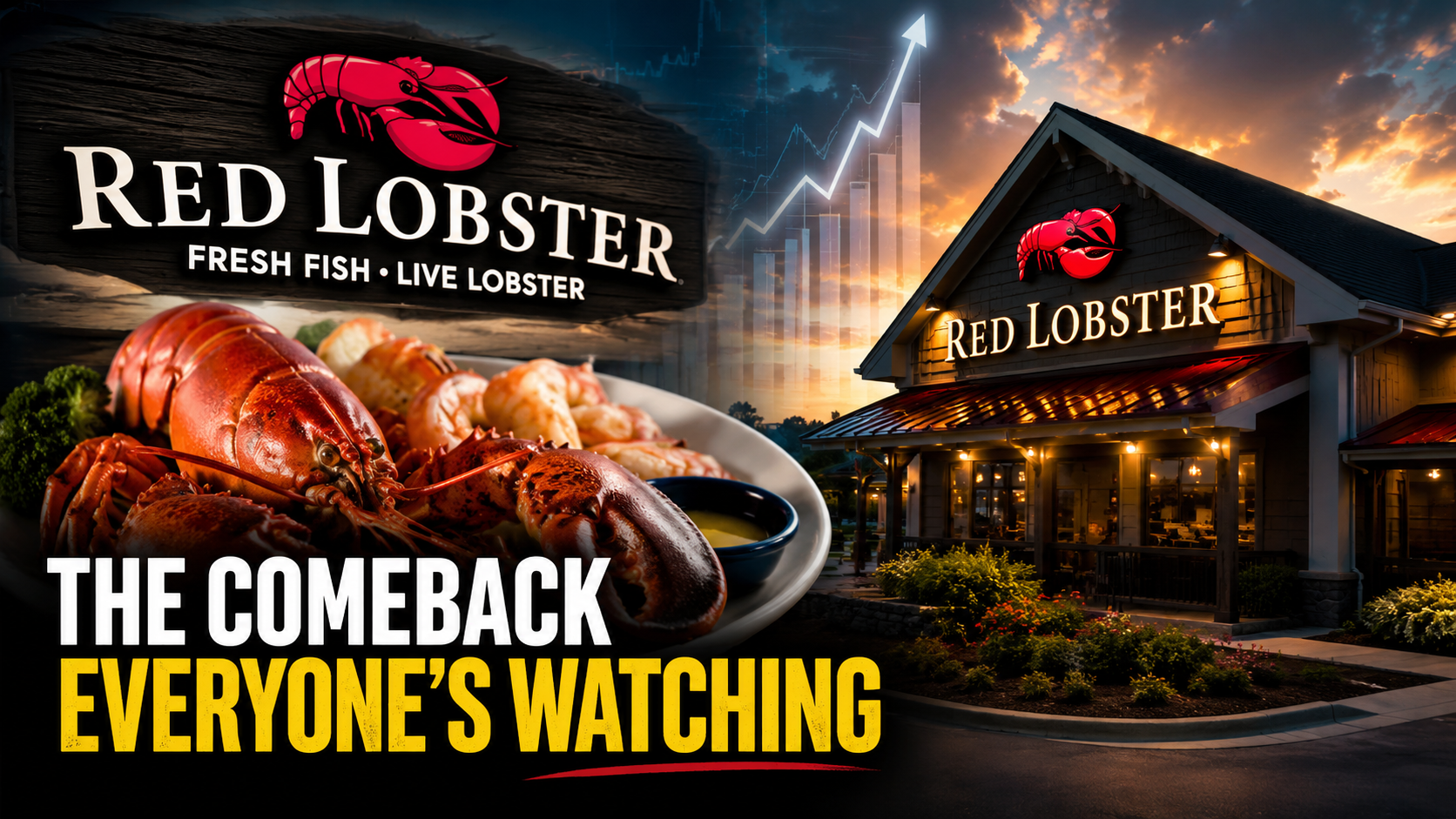
Restaurant chains rise and fall in popularity all the time, but only a few manage to become cultural landmarks. Even fewer experience a decline and then re-enter the spotlight with a comeback story strong enough to capture national attention.
That is exactly why the recent attention surrounding Red Lobster has drawn so much interest from both customers and industry analysts.
Once considered a staple of American casual dining, the brand has faced significant challenges in recent years, including shifting consumer habits, rising costs, and increased competition from fast-casual and delivery-focused restaurants. Yet despite these hurdles, Red Lobster’s ongoing efforts to reinvent itself have sparked curiosity across the food and business world.
The question many are asking is simple: what makes this comeback story so compelling?
The answer lies in a combination of nostalgia, strategy, cultural relevance, and the broader transformation of the restaurant industry itself.
Here are eight key reasons Red Lobster’s comeback story continues to capture attention.
1. It Represents the Rise, Fall, and Reinvention of a Classic Brand
Few restaurant chains are as recognizable in American dining culture as Red Lobster.
For decades, it symbolized affordable seafood dining, family celebrations, and weekend outings. However, like many legacy brands, it struggled to keep pace with evolving consumer expectations.
The idea of a comeback naturally attracts attention because it mirrors a classic narrative arc: success, decline, and reinvention.
People are drawn to stories of resilience. When a well-known brand attempts to rebuild itself, it creates a sense of curiosity about whether it can reclaim its former relevance.
Red Lobster’s journey reflects this broader pattern of transformation in the restaurant industry.
2. Nostalgia Still Plays a Powerful Role in Customer Loyalty
One of the strongest forces working in Red Lobster’s favor is nostalgia.
Many customers associate the restaurant with childhood memories, family gatherings, and special occasions. These emotional connections often remain powerful even when dining habits change.
Nostalgia influences consumer behavior more than many businesses realize. When people feel emotionally connected to a brand, they are more likely to revisit it—even after years away.
Red Lobster’s comeback taps into this emotional reservoir.
For many diners, returning to the restaurant is not just about food. It is about revisiting familiar experiences and memories tied to earlier stages of life.
That emotional dimension gives the brand a unique advantage.
3. The Casual Dining Industry Is Undergoing Major Pressure
To understand why Red Lobster’s comeback is attracting attention, it helps to look at the broader industry landscape.
Casual dining chains across the United States have faced increasing challenges in recent years. Rising labor costs, inflation, changing consumer preferences, and competition from fast-casual concepts have reshaped the market.
Customers now often prefer quicker service, lower prices, or more specialized dining experiences.
This shift has placed traditional full-service chains under pressure to adapt or risk losing relevance.
Red Lobster’s efforts to reposition itself are therefore being closely watched as a case study in how legacy brands respond to industry disruption.
4. Menu Innovation Is Driving Renewed Interest
One of the most important elements in any restaurant comeback is the menu.
Consumers expect both familiarity and innovation. They want the classic dishes they remember, but also new offerings that reflect modern tastes.
Red Lobster has experimented with menu updates designed to strike that balance.
Seafood remains at the core of its identity, but variations in preparation, presentation, and pricing strategies are part of the effort to attract new customers while retaining loyal ones.
In the restaurant industry, menu evolution often determines whether a brand can stay relevant.
Even subtle changes can signal a broader shift in direction.
5. Social Media Has Amplified Public Curiosity
In today’s digital landscape, no restaurant story develops in isolation.
Social media platforms play a major role in shaping public perception, and Red Lobster’s comeback narrative has benefited from widespread online discussion.
From viral posts about menu items to commentary on promotions and pricing, the brand has become a frequent topic of conversation.
This level of attention can be a double-edged sword, but it also keeps the brand visible in a crowded market.
When consumers discuss a restaurant online—whether positively or critically—it increases awareness and encourages curiosity among potential diners.
In many ways, social media has become a modern form of word-of-mouth marketing.
6. Value Perception Has Become a Central Battleground
In the current economic environment, value plays a critical role in dining decisions.
Customers are increasingly selective about where they spend their money, especially when dining out.
Restaurants must now compete not only on taste and experience but also on perceived affordability.
Red Lobster’s positioning as a mid-range seafood option places it directly in this competitive space.
Its comeback efforts are closely tied to how customers perceive value in relation to portion sizes, pricing, and overall experience.
When a brand can successfully communicate value, it gains a significant advantage in attracting repeat business.
7. Leadership and Strategic Direction Are Under the Spotlight
Turnaround stories often depend heavily on leadership decisions.
In Red Lobster’s case, strategic changes in operations, branding, and customer engagement are being closely monitored by industry analysts.
Restaurant executives face difficult choices during periods of reinvention. They must balance cost control with quality, tradition with innovation, and short-term performance with long-term sustainability.
Because of its size and visibility, Red Lobster’s strategy is being watched as an indicator of how legacy restaurant chains attempt to modernize in a rapidly changing environment.
The success or failure of these decisions will likely influence similar brands facing comparable challenges.
8. It Reflects a Larger Story About American Dining Culture
Perhaps the most important reason Red Lobster’s comeback story resonates is because it reflects broader changes in how people eat, socialize, and spend money.
American dining culture has shifted significantly over the past decade.
Delivery apps, fast-casual restaurants, and at-home dining options have changed consumer expectations. At the same time, people still value shared dining experiences, celebrations, and restaurant traditions.
Red Lobster sits at the intersection of these two realities.
Its attempt to regain relevance highlights the tension between tradition and modern convenience.
In many ways, the brand’s journey is not just about one restaurant chain—it is about the evolution of dining culture itself.
Why Comeback Stories Matter in Business
Across industries, comeback stories attract attention because they represent resilience.
Whether it is a restaurant, a retail brand, or a technology company, the idea of recovery after decline is universally compelling.
These stories offer lessons about adaptability, leadership, and consumer behavior.
They also reflect a fundamental truth about business: success is never permanent, and relevance must be continuously earned.
Red Lobster’s ongoing transformation serves as a reminder that even established brands must evolve to survive.
The Emotional Side of Brand Loyalty
Beyond economics and strategy, there is an emotional layer to brand loyalty that should not be overlooked.
People often develop long-term relationships with restaurants in the same way they do with entertainment brands or consumer products.
A familiar menu, consistent service, and memorable experiences can create emotional attachment over time.
When a brand struggles or changes, customers may feel a sense of loss or curiosity.
This emotional connection helps explain why Red Lobster’s comeback is not just a business story—it is also a personal one for many diners.
Challenges Still Ahead
Despite renewed attention, the path forward is not without obstacles.
The restaurant industry remains highly competitive, and consumer preferences continue to evolve rapidly.
Success will depend on several factors, including:
- Sustaining consistent food quality
- Maintaining competitive pricing
- Adapting to changing dining habits
- Strengthening brand identity
- Improving operational efficiency
Turnaround efforts in the restaurant sector often take time, and not all succeed.
This makes Red Lobster’s journey particularly important to watch.
Final Thoughts
Red Lobster’s comeback story resonates for many reasons, but at its core, it reflects a larger narrative about change, resilience, and adaptation.
The eight key factors driving interest include:
- Its identity as a legacy brand
- The power of nostalgia
- Industry-wide pressures
- Menu innovation
- Social media attention
- Value perception
- Leadership strategy
- Cultural relevance
Together, these elements create a compelling case study in modern restaurant survival.
Whether the brand ultimately regains its former dominance or evolves into something entirely new, its journey already offers valuable insight into how businesses navigate change in a fast-moving world.
And that is why the story continues to capture the attention of both consumers and industry observers alike.