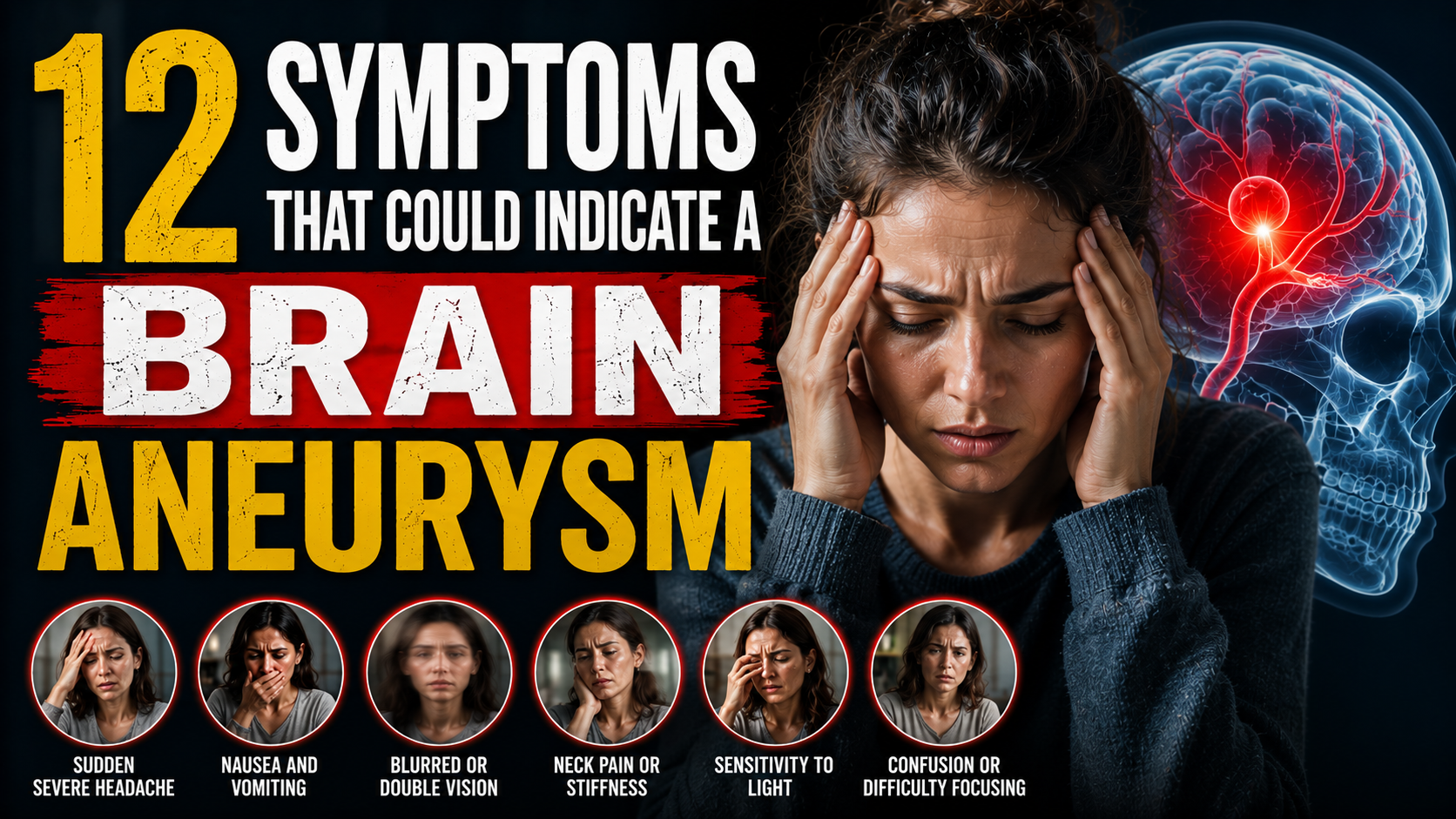
Brain aneurysms are often called “silent threats” for a reason. In many cases, they develop without causing any noticeable symptoms until they begin leaking or rupture. Unfortunately, by the time a rupture occurs, the situation can quickly become life-threatening.
Because early symptoms can be subtle—or absent altogether—understanding the warning signs may help save lives. Medical experts continue to stress the importance of awareness, particularly because prompt treatment can significantly improve outcomes.
Here’s what you need to know about brain aneurysms, the symptoms that may signal trouble, who is most at risk, and how doctors diagnose and treat this serious condition.
What Is a Brain Aneurysm?
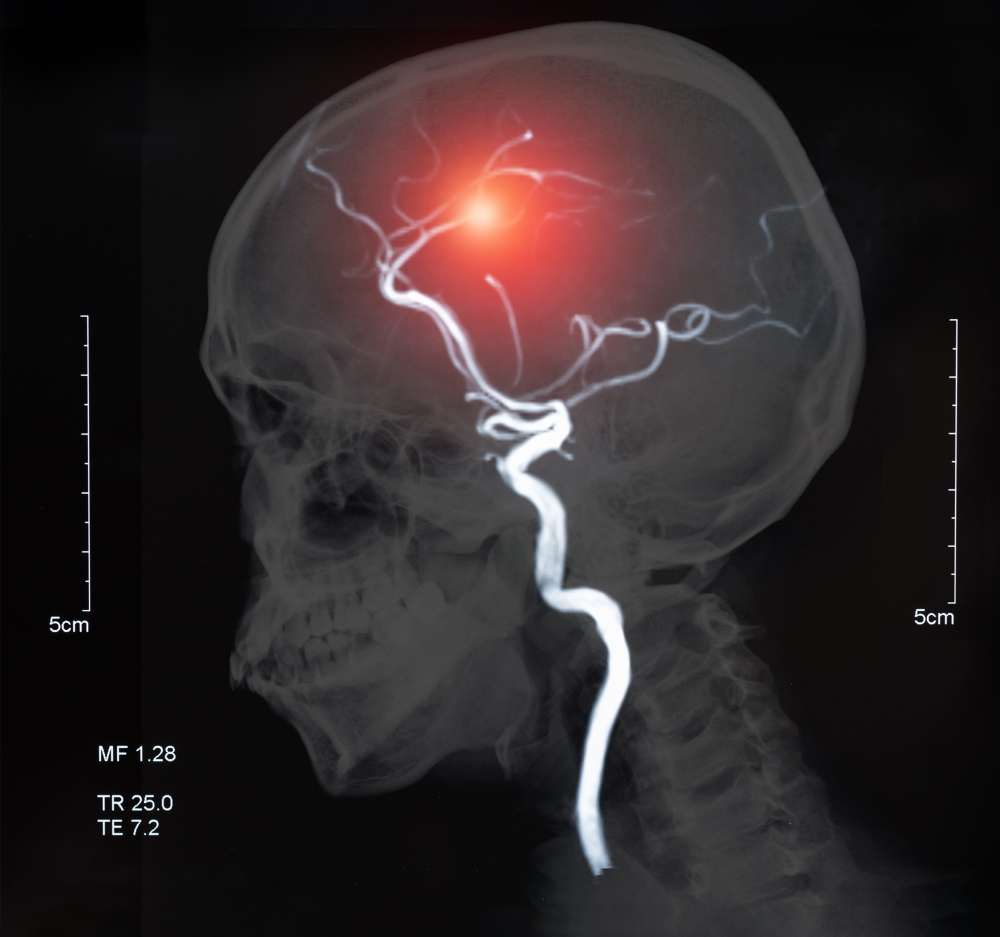
A brain aneurysm occurs when a weakened section of a blood vessel in the brain bulges outward, creating a balloon-like swelling.
Many aneurysms remain small and never cause problems. Others, however, can grow larger over time and become increasingly vulnerable to leaking or rupturing.
When an aneurysm bursts, it causes bleeding in or around the brain, often resulting in a type of stroke known as a hemorrhagic stroke. One of the most common forms is a subarachnoid hemorrhage, which occurs when bleeding develops in the space surrounding the brain.
These events are medical emergencies that can lead to permanent neurological damage, disability, or death if not treated immediately.
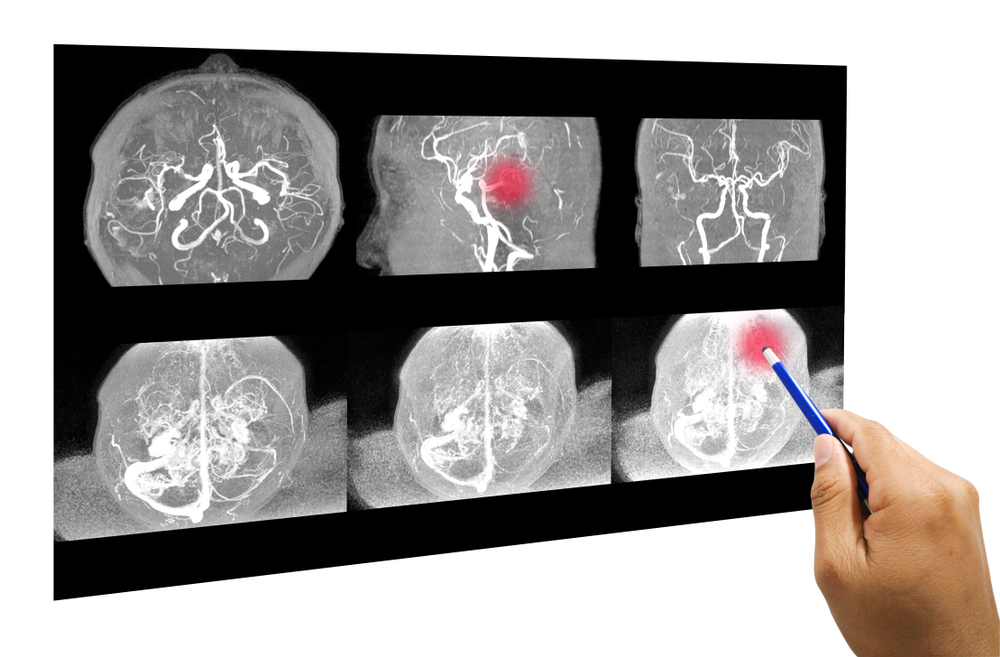
Common Warning Signs of a Leaking or Ruptured Aneurysm
Although some aneurysms produce no symptoms, a leaking or ruptured aneurysm often causes sudden and severe warning signs.
Symptoms may include:
- A sudden, intense headache often described as the worst headache imaginable
- Blurred or double vision
- Confusion or difficulty concentrating
- A dilated pupil in one eye
- Drooping eyelid
- Loss of consciousness or fainting
- Nausea and vomiting
- Pain around or behind one eye
- Neck stiffness
- Extreme sensitivity to light
- Seizures
- Weakness or numbness, particularly on one side of the body
Experiencing one of these symptoms does not automatically mean you have an aneurysm. However, if several occur together—especially alongside a sudden severe headache—immediate medical attention is essential.
The Headache That Should Never Be Ignored

One of the most important warning signs of a leaking or ruptured aneurysm is a sudden, explosive headache.
Medical professionals often refer to this as a “thunderclap headache” because it strikes abruptly and reaches maximum intensity within seconds or minutes.
Unlike a typical headache, this pain is often described as:
- Sudden and overwhelming
- Extremely severe
- Different from any headache experienced before
- Accompanied by nausea, vision changes, or neck pain
Sometimes a small leak occurs before a major rupture. This is known as a sentinel bleed.
A sentinel bleed may trigger a severe headache that lasts for several days before a full rupture occurs. Because this can serve as an early warning sign, experts strongly advise against ignoring or trying to “push through” this type of headache.
If a sudden, severe headache occurs with neurological symptoms, call emergency services immediately rather than attempting to drive yourself to a hospital.
Who Is Most at Risk?
While brain aneurysms can affect anyone, certain factors increase the likelihood of developing one.
Smoking
Smoking is considered one of the strongest risk factors for brain aneurysms. Chemicals in tobacco can weaken blood vessel walls, increasing the chances of aneurysm formation and rupture.
High Blood Pressure
Uncontrolled hypertension places continuous stress on artery walls. Over time, this added pressure can weaken blood vessels and contribute to aneurysm development.
Excessive Alcohol Consumption
Heavy alcohol use may damage blood vessels and increase blood pressure, both of which can raise aneurysm risk.
Drug Use
Certain stimulant drugs, particularly cocaine and methamphetamine, can cause sudden spikes in blood pressure that significantly increase the risk of aneurysm rupture.
Age and Sex
Brain aneurysms occur more frequently in older adults and are generally more common in women than in men.
Genetics and Medical Conditions
Some individuals inherit a higher risk due to underlying medical conditions or structural abnormalities in blood vessels.
Conditions associated with increased risk include:
- Polycystic kidney disease
- Ehlers-Danlos syndrome
- Certain connective tissue disorders
- Family history of brain aneurysms
Previous head injuries and certain infections may also contribute to aneurysm development in some cases.
How Doctors Diagnose Brain Aneurysms
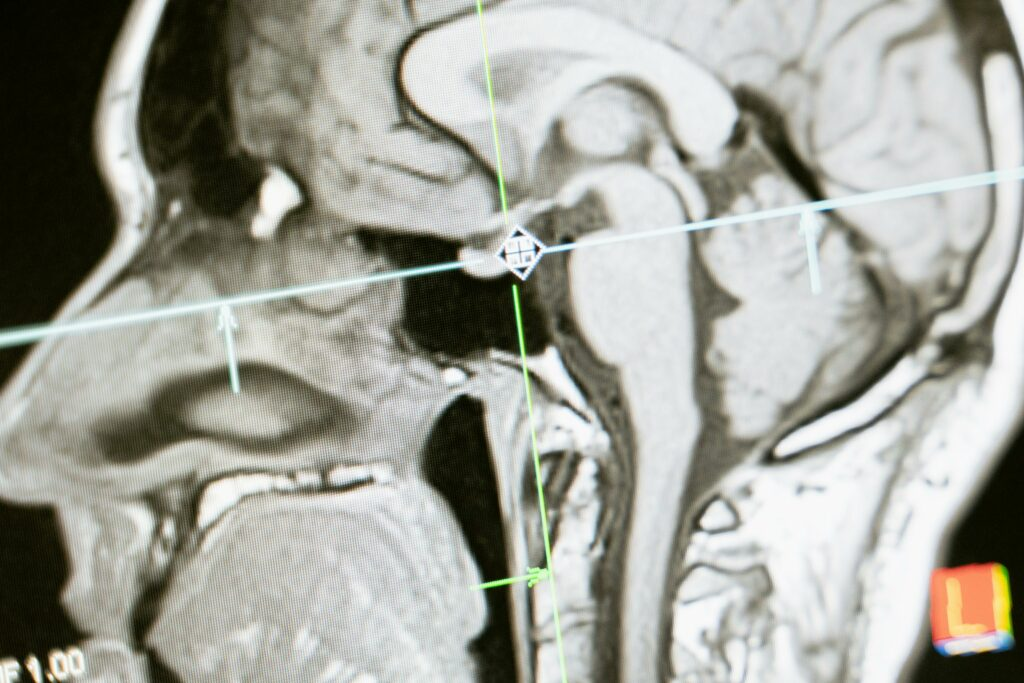
Because aneurysms can be difficult to detect based on symptoms alone, physicians often rely on advanced imaging technology.
CT Scan
A computed tomography (CT) scan is often the first test performed during an emergency. It can quickly identify bleeding in the brain.
MRI
Magnetic resonance imaging (MRI) provides highly detailed images of the brain and blood vessels, helping doctors evaluate aneurysms and surrounding tissue.
Cerebral Angiography
This specialized procedure involves injecting contrast dye into the bloodstream to create detailed images of the brain’s arteries.
Cerebral angiography allows physicians to determine the exact size, location, and shape of an aneurysm.
Treatment Options
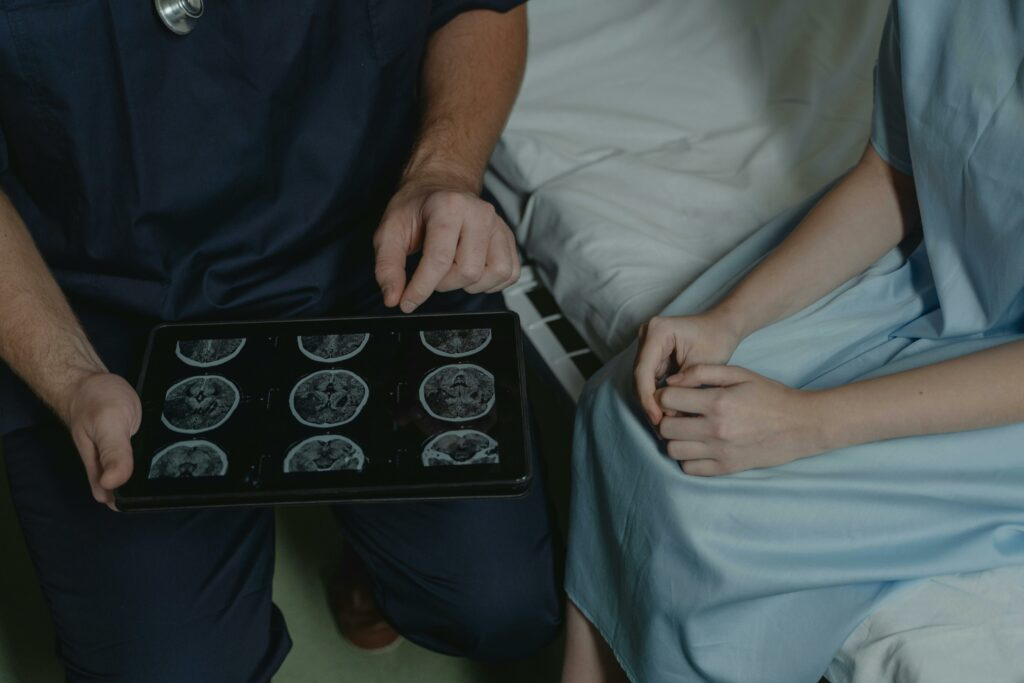
Treatment depends on several factors, including the aneurysm’s size, location, and risk of rupture.
Surgical Clipping
During this procedure, a neurosurgeon places a small metal clip at the base of the aneurysm to stop blood from entering it.
Endovascular Coiling
This minimally invasive treatment involves guiding a catheter through blood vessels and placing tiny coils inside the aneurysm. The coils help block blood flow and reduce the risk of rupture.
Flow Diversion
A flow-diverting stent may be inserted into the artery to redirect blood away from the aneurysm, allowing the vessel wall to heal over time.
Monitoring and Observation
Not every aneurysm requires immediate intervention.
For small aneurysms with a low risk of rupture, doctors may recommend routine monitoring and regular imaging studies while focusing on reducing risk factors.
Living With an Unruptured Aneurysm
Learning that you have an unruptured aneurysm can be emotionally overwhelming.
Many people experience anxiety, fear, and uncertainty after receiving the diagnosis. However, doctors often emphasize that there are important steps patients can take to reduce risk and improve long-term outcomes.
These include:
- Controlling blood pressure
- Quitting smoking
- Limiting alcohol consumption
- Maintaining a healthy diet
- Exercising regularly
- Managing stress levels
- Attending follow-up appointments
Lifestyle changes cannot eliminate an aneurysm, but they may help reduce the likelihood of complications.
Why Awareness Matters
One of the greatest challenges with brain aneurysms is that early warning signs are often mistaken for less serious conditions.
A severe headache may be dismissed as a migraine. Vision changes may be blamed on fatigue. Nausea may be attributed to illness or stress.
Recognizing when symptoms are unusual, sudden, or significantly different from normal can make a critical difference.
Prompt medical evaluation can identify problems before a catastrophic rupture occurs.
Final Thoughts
Brain aneurysms can be frightening because they often develop silently. Yet awareness remains one of the most powerful tools for improving outcomes.
Understanding the warning signs—especially sudden severe headaches, vision changes, neurological symptoms, and unexplained weakness—can help people seek emergency care when it matters most.
Whether it’s managing blood pressure, avoiding tobacco, or recognizing symptoms that should never be ignored, informed decisions can reduce risk and potentially save lives.
Medical Disclaimer
This article is intended for informational and educational purposes only and should not be considered medical advice. Always consult a qualified healthcare professional regarding any symptoms, diagnosis, or treatment options. If you believe you are experiencing a medical emergency, seek immediate medical attention or contact emergency services right away.







