
Over the last few years, gut health has become one of the most talked-about topics in wellness—and for good reason. Researchers continue to discover just how closely the health of our digestive system is connected to immunity, metabolism, mood, energy levels, and overall well-being.
At the center of digestive health is the gut microbiome, a vast community of trillions of microorganisms that help break down food, absorb nutrients, and protect against harmful bacteria. What you eat plays a major role in determining whether these beneficial microbes thrive or struggle.
While maintaining a balanced diet is the most important step toward a healthy digestive system, some foods offer particularly impressive benefits for gut health. Here are 12 of the best foods to include in your diet.

1. Yogurt
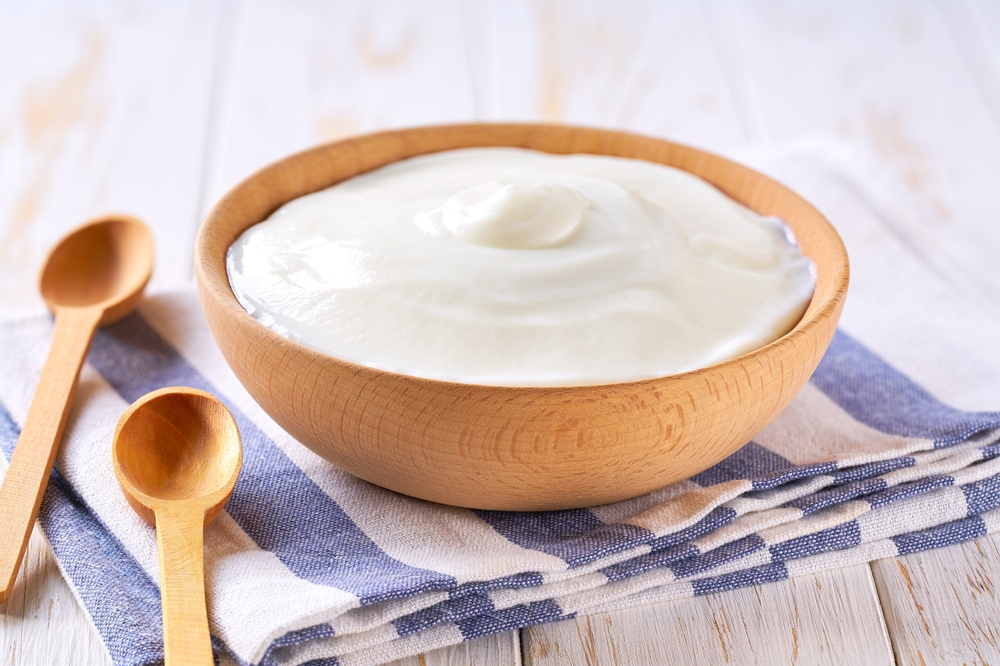
Yogurt is one of the most well-known sources of probiotics, the beneficial bacteria that help maintain a healthy balance in the digestive tract.
Regular consumption may support digestion, improve microbial diversity, and help reduce digestive discomfort.
When shopping for yogurt:
- Choose plain varieties whenever possible
- Look for products containing live and active cultures
- Avoid excessive added sugars
- Consider Greek yogurt for added protein
You can naturally sweeten plain yogurt with fresh fruit, cinnamon, or a small amount of honey.
2. Apples
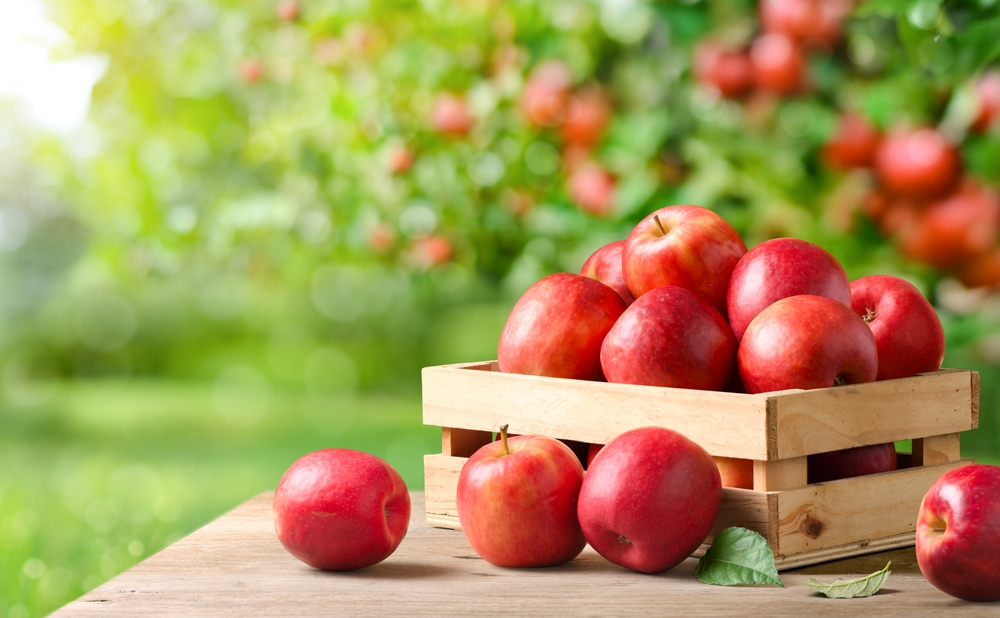
Apples are rich in pectin, a type of soluble fiber that supports digestive function and promotes regular bowel movements.
Pectin acts as a prebiotic, meaning it feeds beneficial gut bacteria and helps maintain a healthy digestive environment.
Potential benefits include:
- Improved stool consistency
- Better bowel regularity
- Enhanced gut microbial health
- Improved nutrient absorption
Eating apples with the skin provides the highest fiber content.
3. Fennel
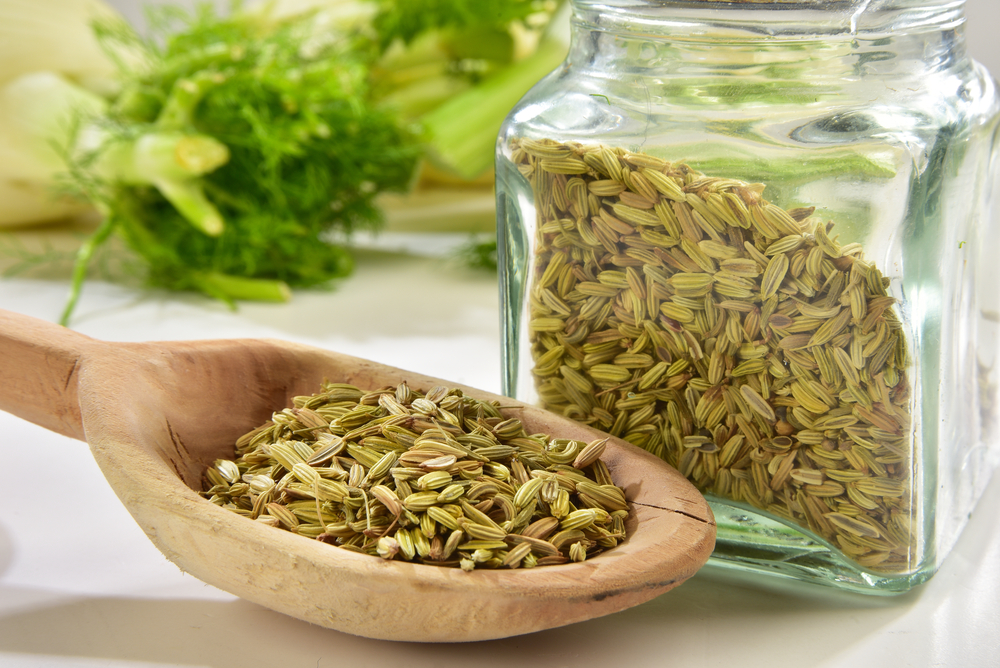
Fennel has been used traditionally to support digestion and ease stomach discomfort.
Its fiber content may help prevent constipation while reducing bloating and abdominal discomfort.
Fennel is commonly consumed as:
- Fresh bulb slices
- Herbal tea
- Roasted vegetables
- Seasoning in meals
While generally safe, concentrated fennel supplements should be used cautiously and under professional guidance.
4. Chia Seeds
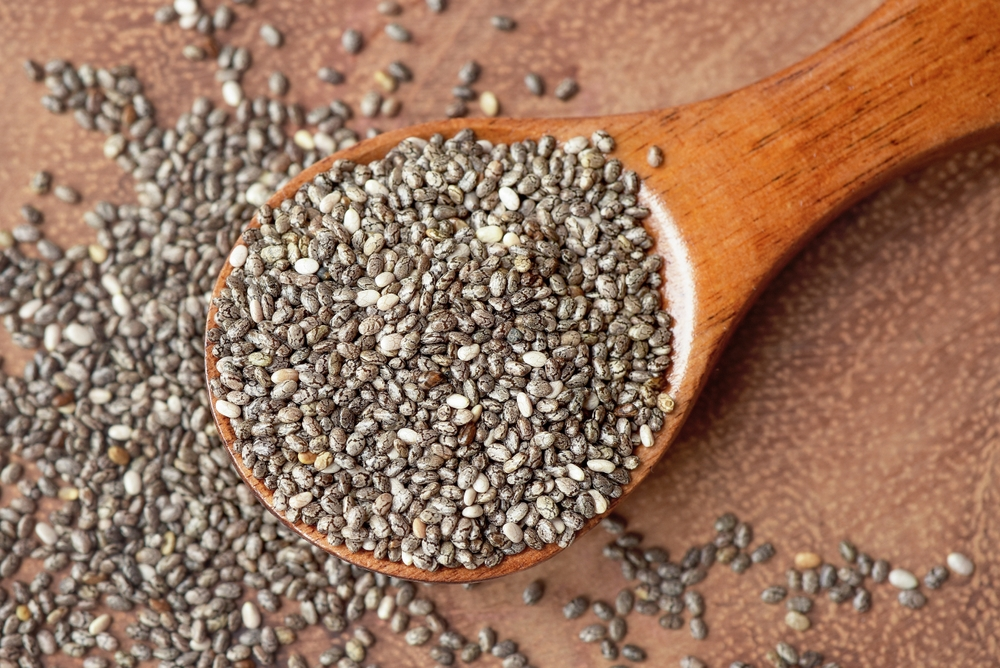
Tiny but nutrient-dense, chia seeds provide a powerful combination of fiber, omega-3 fatty acids, and plant-based protein.
When mixed with liquid, chia seeds form a gel-like texture that may support healthy digestion and bowel regularity.
Benefits include:
- Feeding beneficial gut bacteria
- Supporting healthy bowel movements
- Promoting fullness and satiety
- Supporting overall digestive function
A tablespoon or two per day is typically sufficient for most people.
5. Papaya
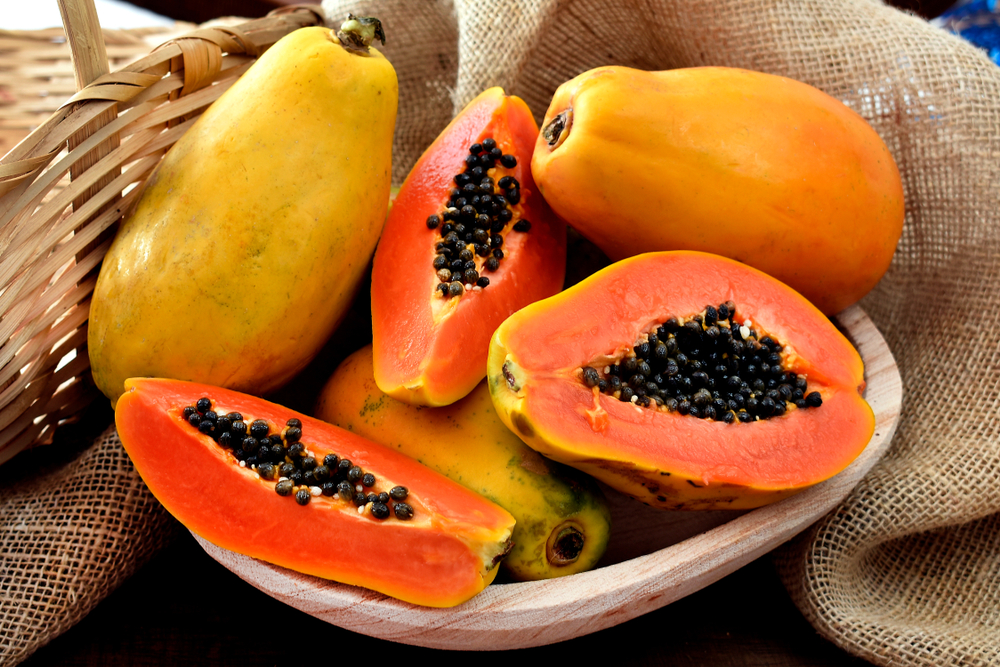
Papaya contains papain, a natural digestive enzyme that helps break down proteins and may support smoother digestion.
Many people find papaya particularly helpful for reducing digestive discomfort after meals.
Additional benefits include:
- High vitamin C content
- Antioxidant support
- Hydration
- Digestive enzyme activity
Fresh papaya pairs well with yogurt, oatmeal, and smoothies.
6. Whole Grains
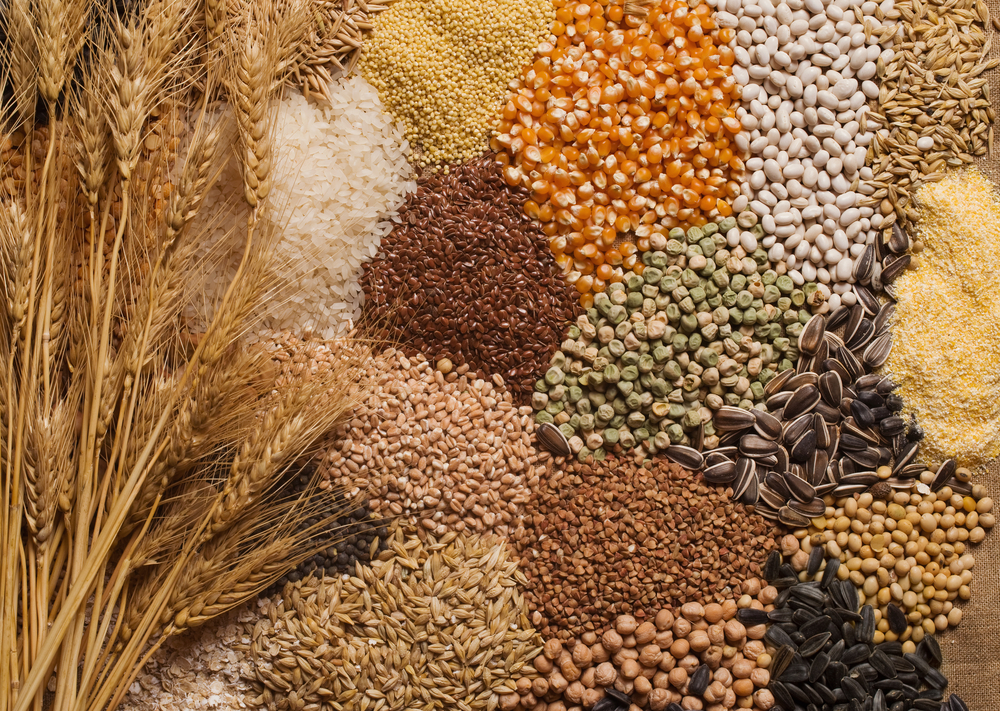
Whole grains provide important dietary fiber that supports both digestive function and the growth of beneficial gut microbes.
Examples include:
- Oats
- Brown rice
- Quinoa
- Whole wheat
- Barley
Unlike highly processed grains, whole grains retain their fiber-rich outer layers, which help improve stool bulk and feed healthy bacteria throughout the digestive tract.
7. Beets
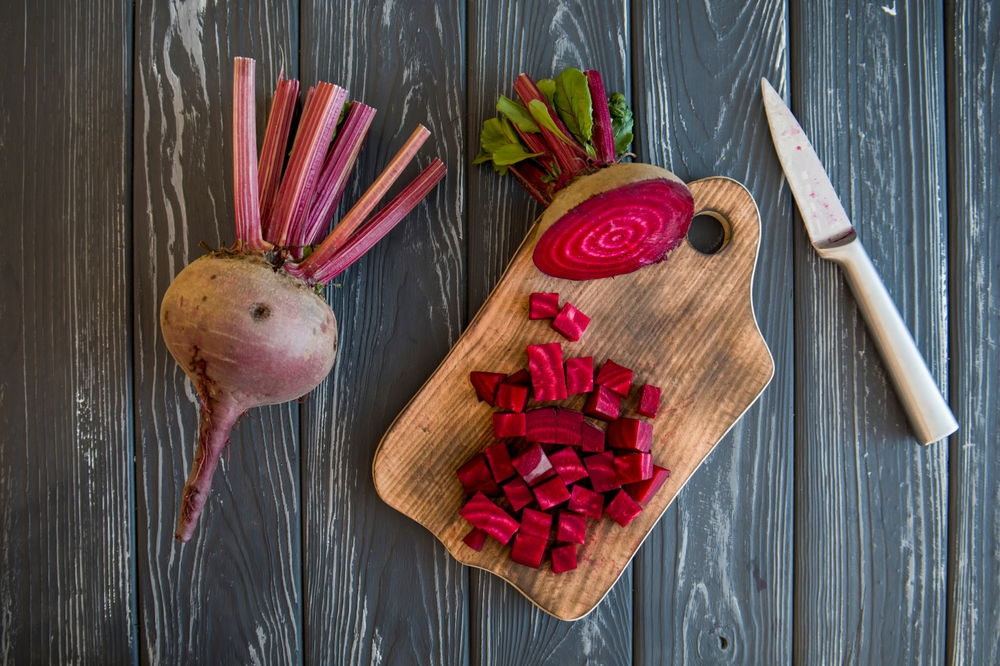
Beets are an excellent source of fiber and plant compounds that may benefit digestive health.
Their fiber content helps maintain regular bowel movements while supporting beneficial gut microbes.
Some easy ways to enjoy beets include:
- Roasted as a side dish
- Added to salads
- Blended into smoothies
- Included in grain bowls
It’s worth noting that beets can temporarily cause red or pink urine and stool, which is harmless.
8. Ginger
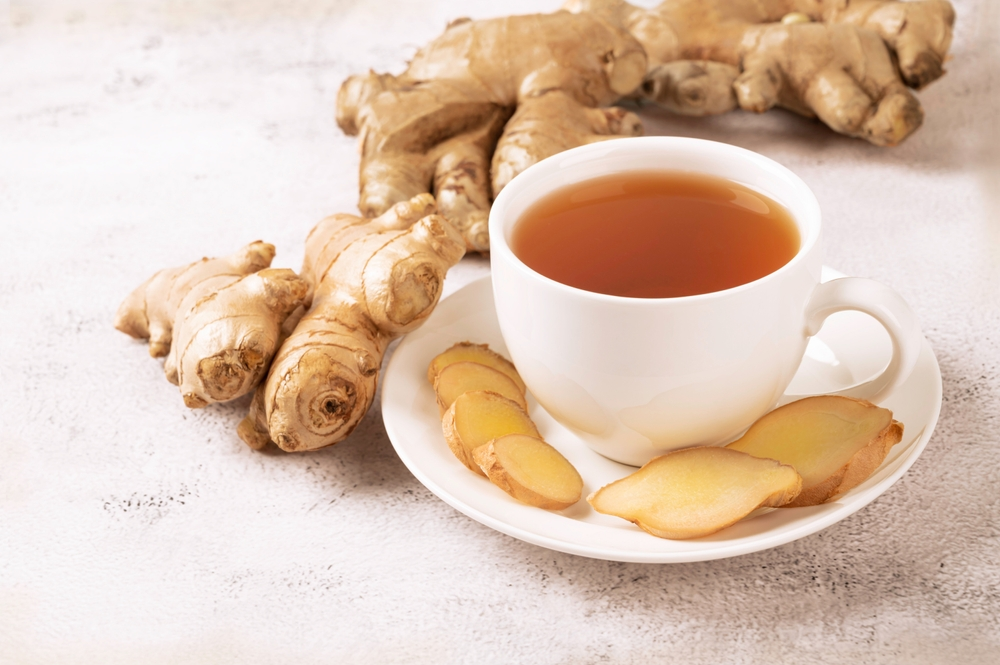
Ginger has long been used as a natural remedy for digestive discomfort.
Research suggests it may help:
- Reduce nausea
- Improve stomach emptying
- Ease bloating
- Support overall digestive comfort
Fresh ginger can be added to tea, stir-fries, soups, smoothies, or salad dressings for both flavor and health benefits.
9. Dark Leafy Green Vegetables
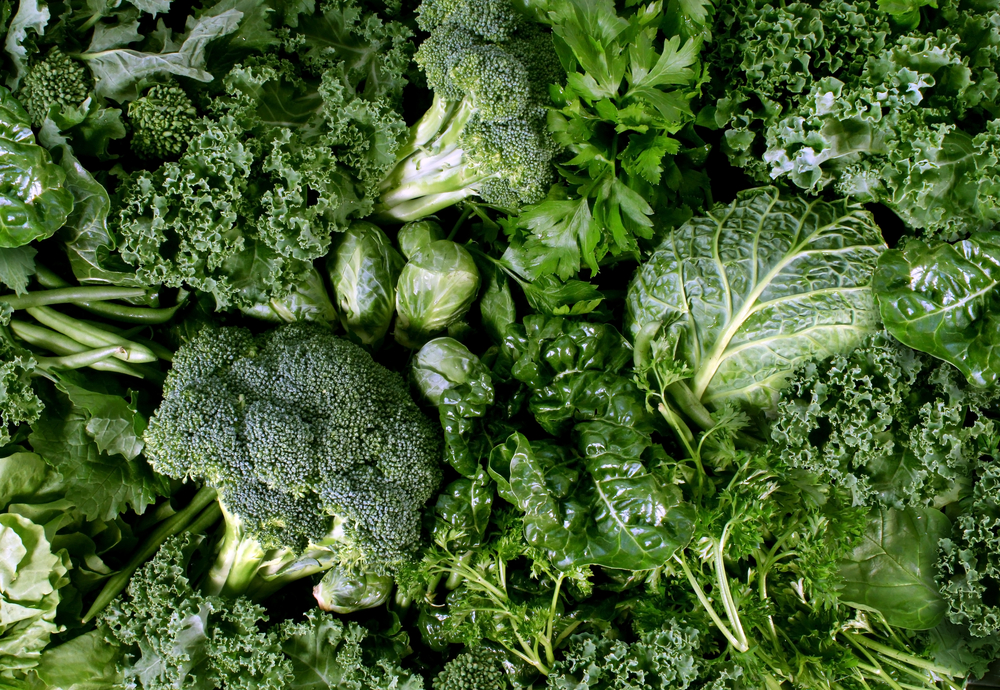
Leafy greens provide fiber, vitamins, minerals, and compounds that nourish beneficial gut bacteria.
Excellent options include:
- Spinach
- Kale
- Arugula
- Collard greens
- Swiss chard
- Broccoli
Many leafy greens contain prebiotic fibers that act as food for healthy microbes, helping create a balanced digestive ecosystem.
10. Salmon
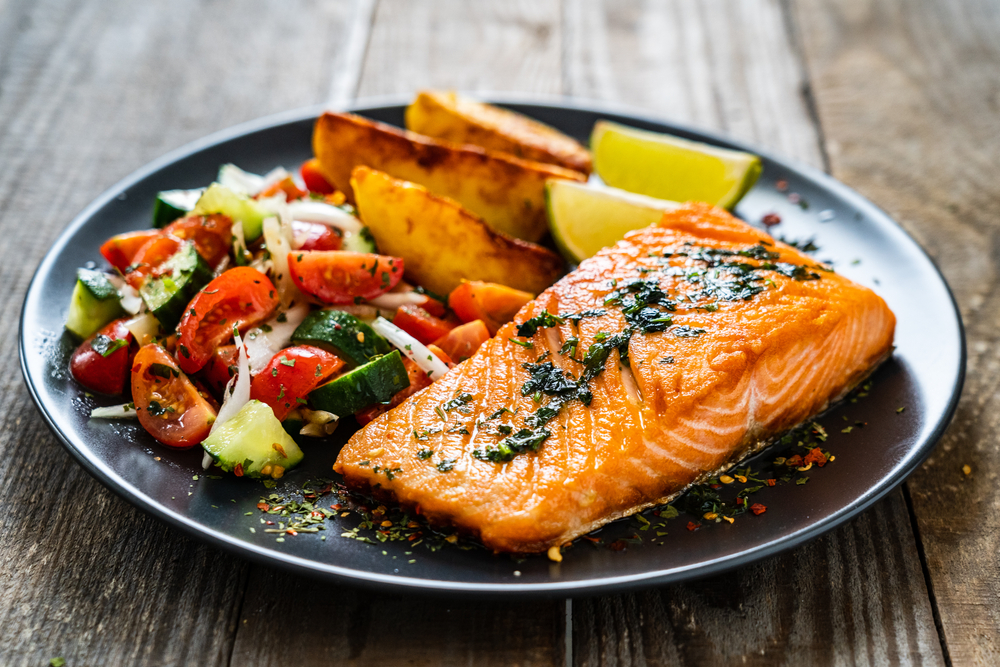
Chronic inflammation can contribute to digestive discomfort and gut-related issues.
Salmon is rich in omega-3 fatty acids, which may help reduce inflammation throughout the body, including within the digestive tract.
Additional nutritional benefits include:
- High-quality protein
- Vitamin D
- Selenium
- B vitamins
Aim for responsibly sourced salmon whenever possible.
11. Fermented Foods
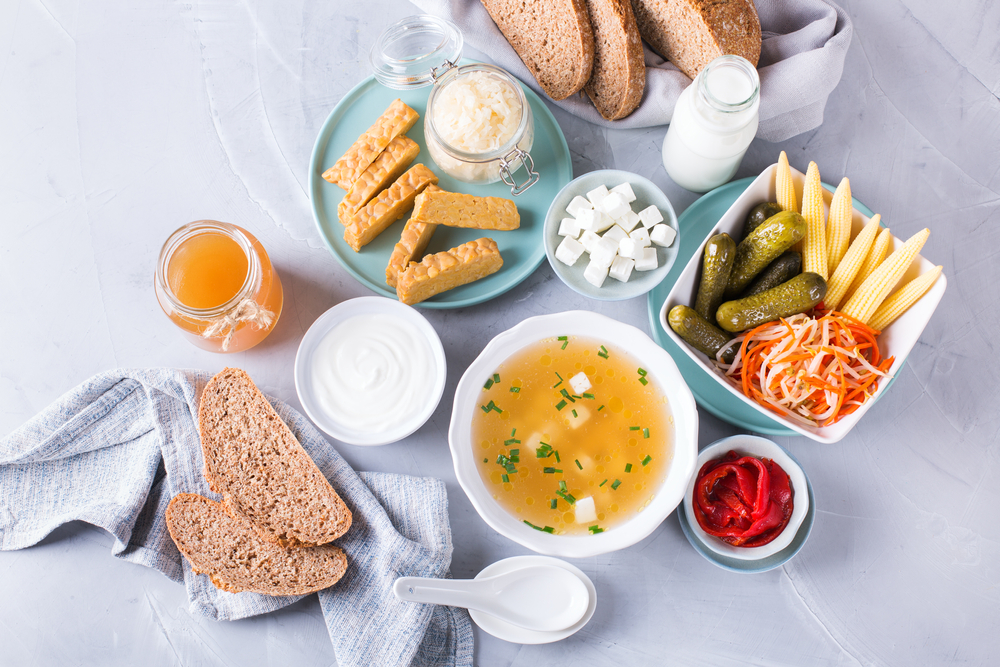
Fermented foods are among the most powerful dietary tools for supporting a healthy gut microbiome.
The fermentation process creates beneficial bacteria that can help improve digestive function.
Some excellent options include:
Kefir
A fermented dairy beverage rich in probiotics that may improve digestion and support microbial diversity.
Kombucha
A fermented tea containing beneficial microorganisms and organic acids.
Kimchi
A traditional Korean fermented vegetable dish packed with probiotics and fiber.
Sauerkraut
Fermented cabbage that provides both probiotics and digestive enzymes.
Miso
A fermented soybean paste commonly used in soups and sauces.
Tempeh and Natto
Fermented soy products that offer probiotics along with plant-based protein.
When purchasing fermented foods, look for refrigerated varieties that contain live cultures and minimal added sugar.
12. Bone Broth

Bone broth contains gelatin and amino acids such as glycine and glutamine, which may help support the digestive tract’s protective lining.
Potential benefits include:
- Supporting intestinal barrier function
- Promoting hydration
- Providing collagen-related nutrients
- Offering easily digestible nourishment
Homemade versions often contain fewer additives and less sodium than some commercial products.
Supporting Your Gut Beyond Food

While diet plays a central role in digestive health, other lifestyle habits matter too.
To support a healthy gut:
- Eat a variety of whole foods
- Stay hydrated
- Exercise regularly
- Manage stress
- Get adequate sleep
- Limit highly processed foods
- Reduce excess sugar intake
- Avoid unnecessary antibiotic use
Gut health is built over time through consistent habits rather than quick fixes.
The Bottom Line
A healthy digestive system affects far more than just digestion. It influences immune function, energy levels, mood, nutrient absorption, and overall wellness.
By regularly incorporating foods such as yogurt, apples, leafy greens, fermented foods, salmon, and whole grains into your diet, you can help create an environment where beneficial gut bacteria thrive.
Small dietary improvements made consistently can have a meaningful impact on your digestive health—and your overall quality of life.







