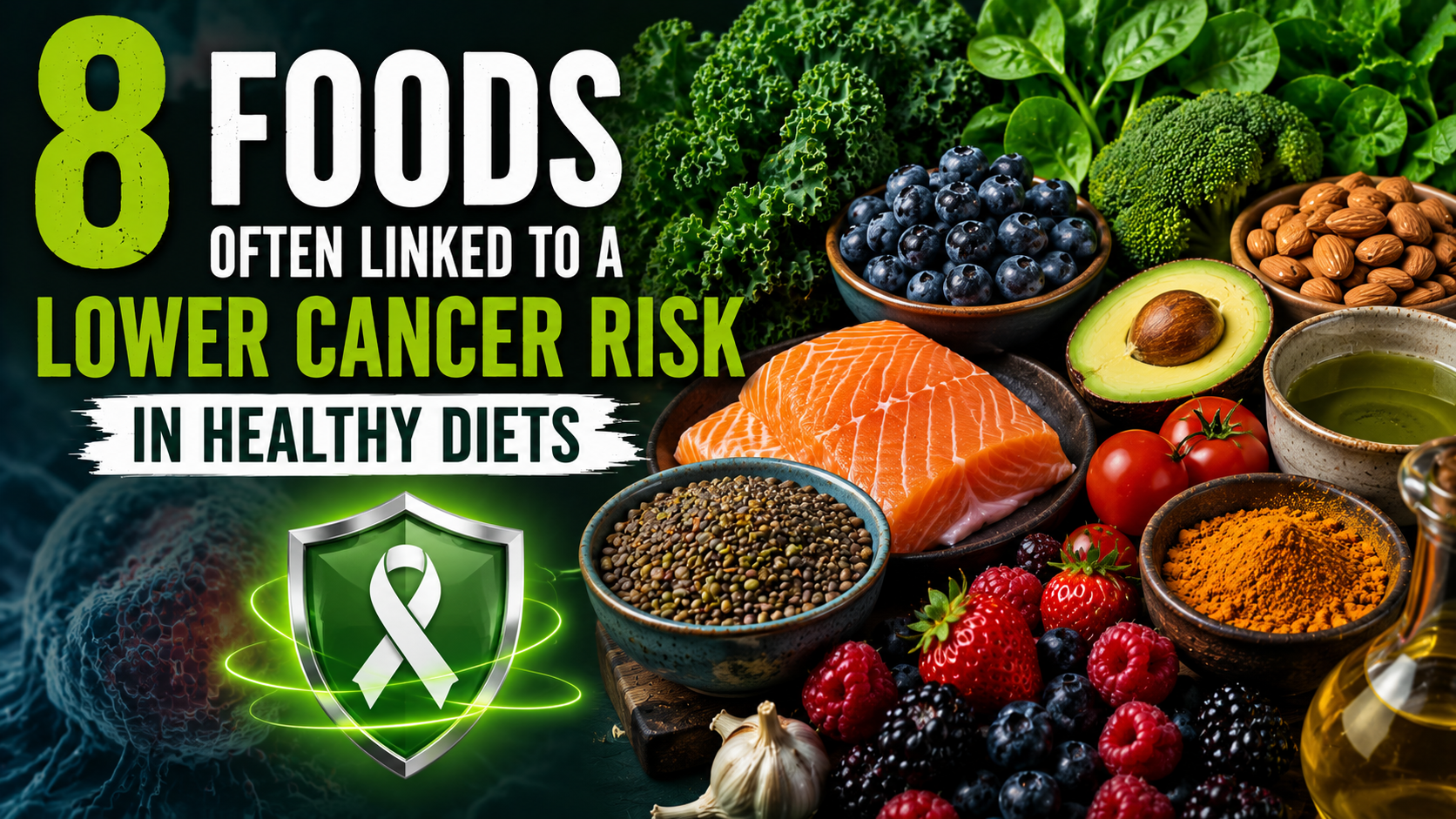
The foods we eat play a major role in our overall health. A nutritious diet provides the vitamins, minerals, fiber, healthy fats, and antioxidants our bodies need to function properly and stay resilient against disease.
While no single food can prevent cancer, a growing body of research suggests that certain dietary patterns may help lower cancer risk. Experts generally agree that diets rich in fruits, vegetables, whole grains, legumes, and healthy fats are associated with better long-term health outcomes.
According to the American Institute for Cancer Research, lifestyle factors—including diet, physical activity, and maintaining a healthy weight—can significantly influence cancer risk. The key is consistency over time rather than relying on any one “superfood.”
Here are eight foods and food groups that research suggests may support overall health and potentially contribute to cancer prevention.
1. Cruciferous Vegetables
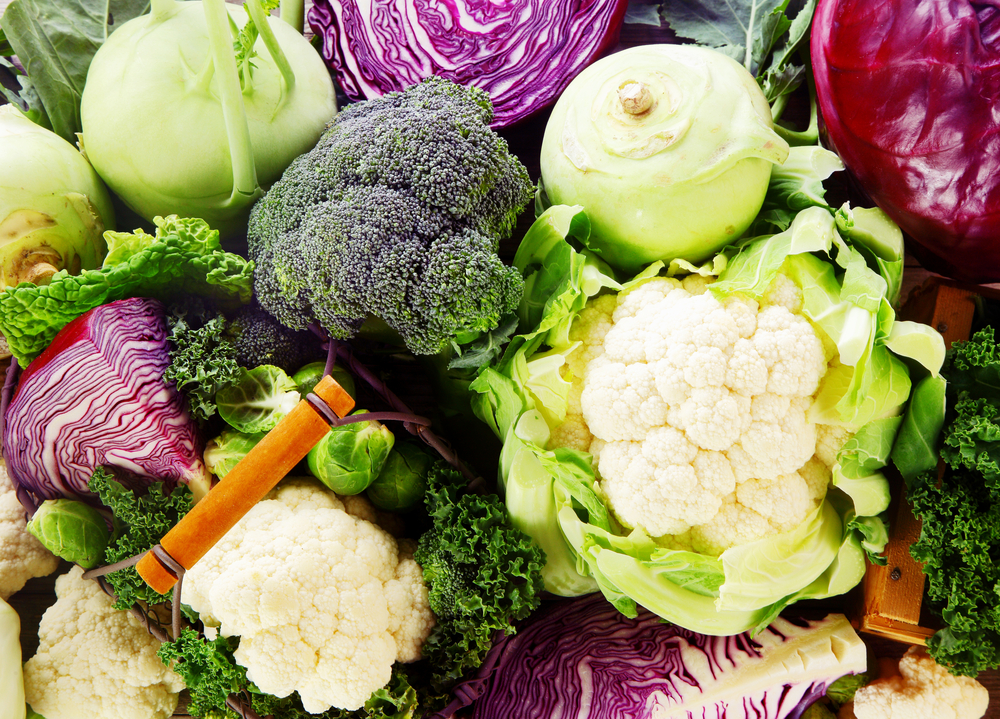
Cruciferous vegetables are among the most extensively studied plant foods for their potential health benefits.
Common examples include:
- Broccoli
- Cauliflower
- Brussels sprouts
- Kale
- Cabbage
- Bok choy
- Arugula
- Radishes
- Turnips
These vegetables contain naturally occurring compounds called glucosinolates, which are converted into biologically active substances such as isothiocyanates during digestion.
Research suggests these compounds may help support the body’s natural detoxification processes, reduce inflammation, and protect cells from damage. Some studies have linked higher consumption of cruciferous vegetables with lower risks of certain cancers, although more research is still needed.
2. Turmeric

Turmeric has been used for centuries in traditional cooking and medicine, particularly throughout South Asia.
Its bright yellow color comes from curcumin, a plant compound with antioxidant and anti-inflammatory properties.
Scientists continue to study curcumin for its potential role in:
- Reducing inflammation
- Protecting cells from oxidative stress
- Supporting healthy immune function
- Influencing cellular processes involved in cancer development
While laboratory studies have shown promising results, researchers are still investigating how these findings translate to humans. Nevertheless, turmeric remains a flavorful addition to a healthy diet.
3. Mushrooms
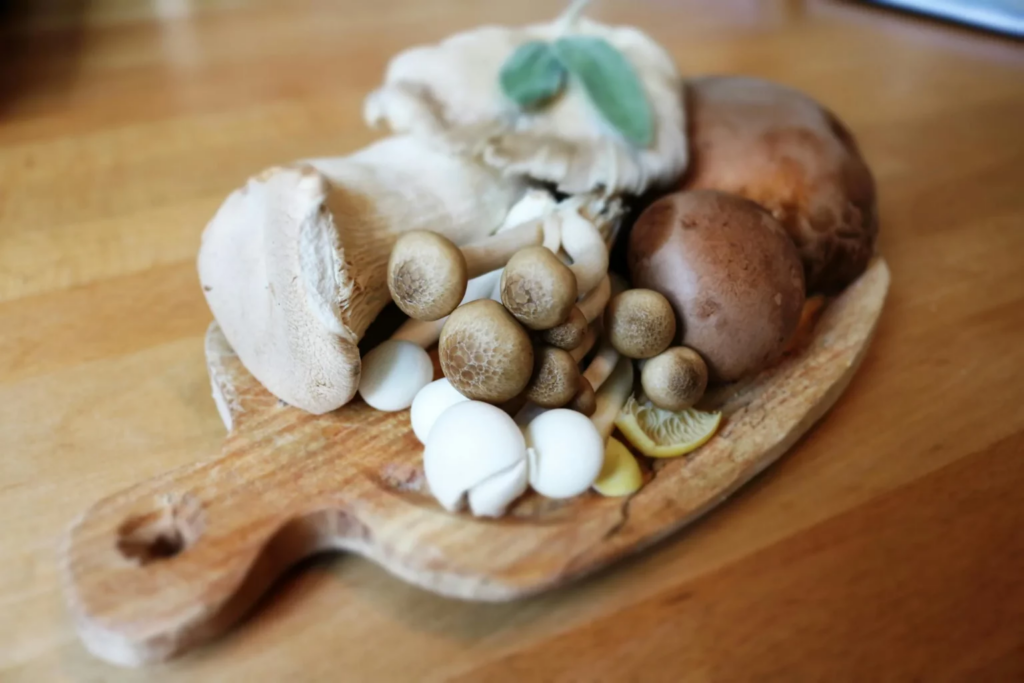
Mushrooms provide a unique combination of nutrients, antioxidants, and bioactive compounds that may support overall health.
Varieties such as:
- Shiitake
- Maitake
- Reishi
- Turkey tail
- White button mushrooms
have attracted scientific interest for their potential immune-supporting properties.
Some observational studies have found associations between higher mushroom consumption and reduced risks of certain cancers, including prostate cancer. Mushrooms contain compounds such as ergothioneine and glutathione, powerful antioxidants that may help protect cells from oxidative damage.
Although more human research is needed, mushrooms can be a valuable addition to a balanced diet.
4. Allium Vegetables
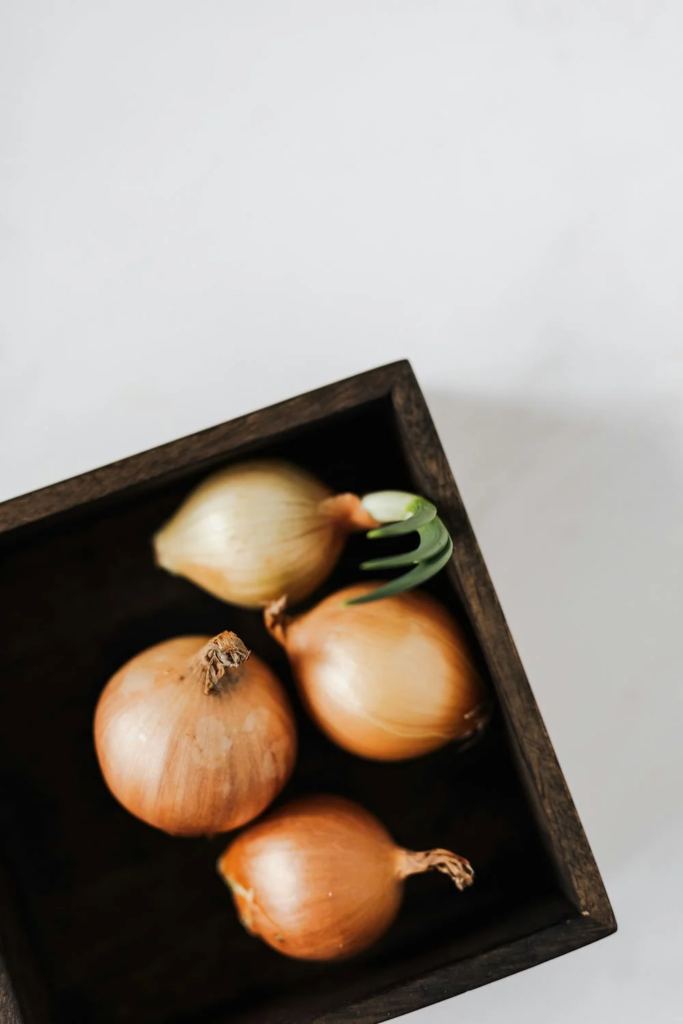
Allium vegetables include:
- Garlic
- Onions
- Leeks
- Shallots
- Chives
These foods contain sulfur-containing compounds that give them their distinctive aroma and flavor.
Research suggests that these compounds may have antioxidant and anti-inflammatory effects. Some studies have linked higher intake of allium vegetables with lower risks of certain digestive tract cancers, though scientists continue to investigate the relationship.
Adding garlic and onions to meals is a simple way to boost flavor while increasing intake of potentially beneficial plant compounds.
5. Sea Vegetables Such as Wakame
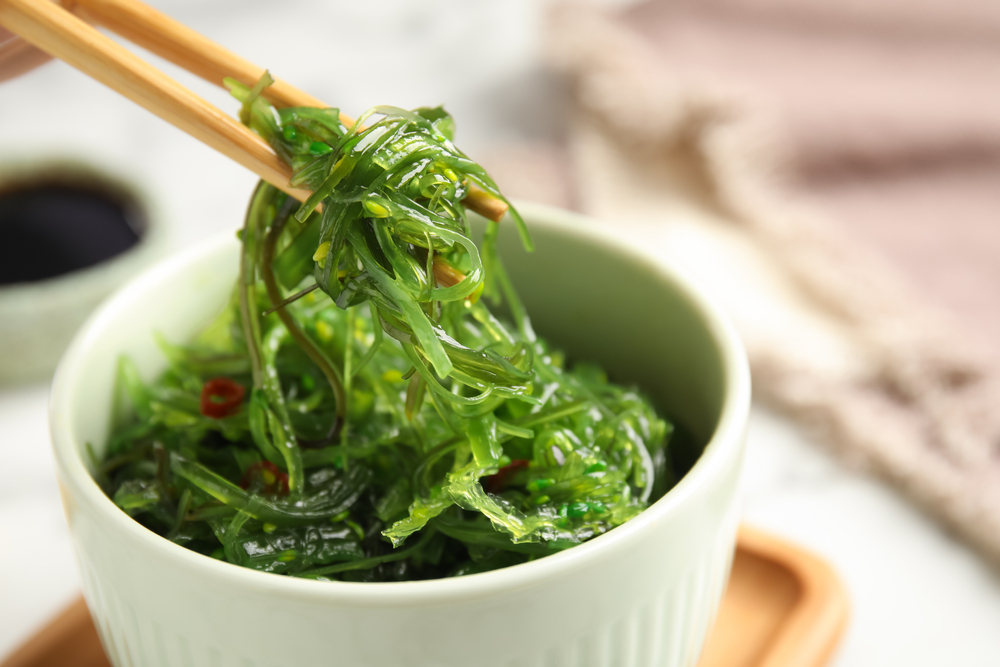
Wakame is an edible seaweed commonly used in East Asian cuisine.
It contains several nutrients, including:
- Iodine
- Fiber
- Vitamins
- Minerals
- Antioxidants
Laboratory studies have examined compounds found in wakame for potential effects on cancer cells. However, much of this research has been conducted in test tubes or animal models, meaning more human studies are needed before firm conclusions can be drawn.
Seaweed can be part of a healthy diet, but moderation is important because excessive iodine intake may affect thyroid function.
6. Lycopene-Rich Foods
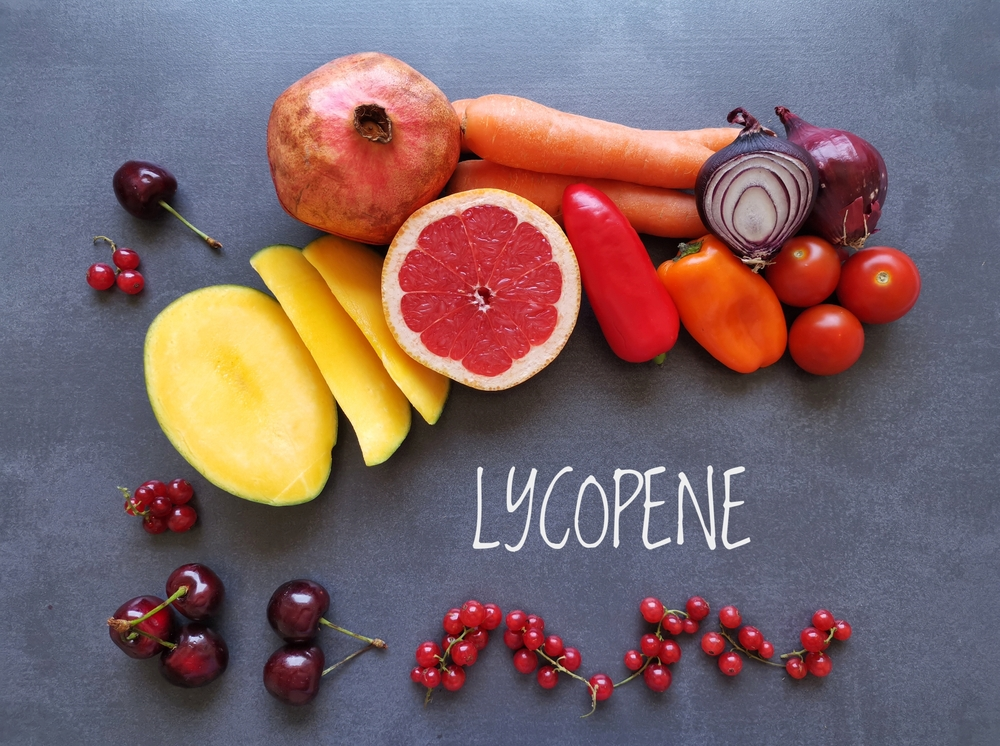
Lycopene is a natural plant pigment responsible for the red color found in certain fruits and vegetables.
Major sources include:
- Tomatoes
- Watermelon
- Pink grapefruit
- Guava
- Papaya
Lycopene acts as an antioxidant, helping to neutralize unstable molecules known as free radicals that can damage cells.
Research has linked diets rich in lycopene-containing foods with potential benefits for heart health and may suggest a role in reducing the risk of certain cancers, particularly prostate cancer. Cooked tomato products such as tomato sauce and tomato paste often provide especially absorbable forms of lycopene.
7. Beta-Carotene-Rich Foods
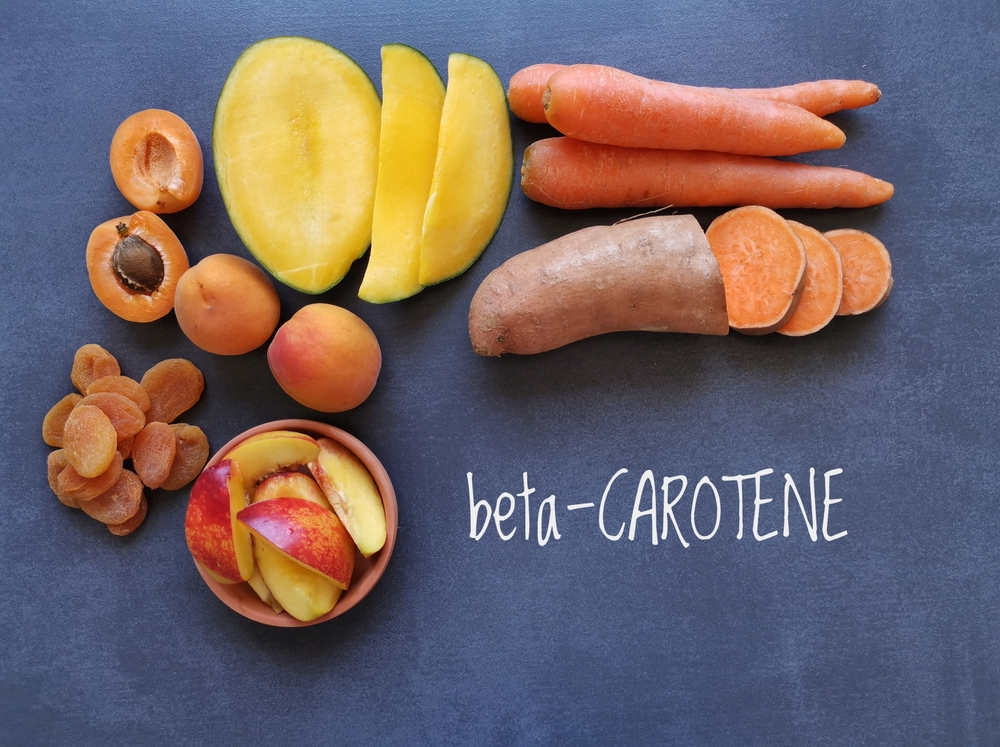
Beta-carotene is a plant pigment that the body converts into vitamin A.
Foods rich in beta-carotene include:
- Carrots
- Sweet potatoes
- Butternut squash
- Pumpkin
- Cantaloupe
- Mangoes
These colorful foods are packed with antioxidants and nutrients that support immune function, vision, and overall health.
While researchers continue to study the relationship between beta-carotene and cancer prevention, diets rich in fruits and vegetables consistently show health benefits and are widely recommended by nutrition experts.
8. Fatty Fish
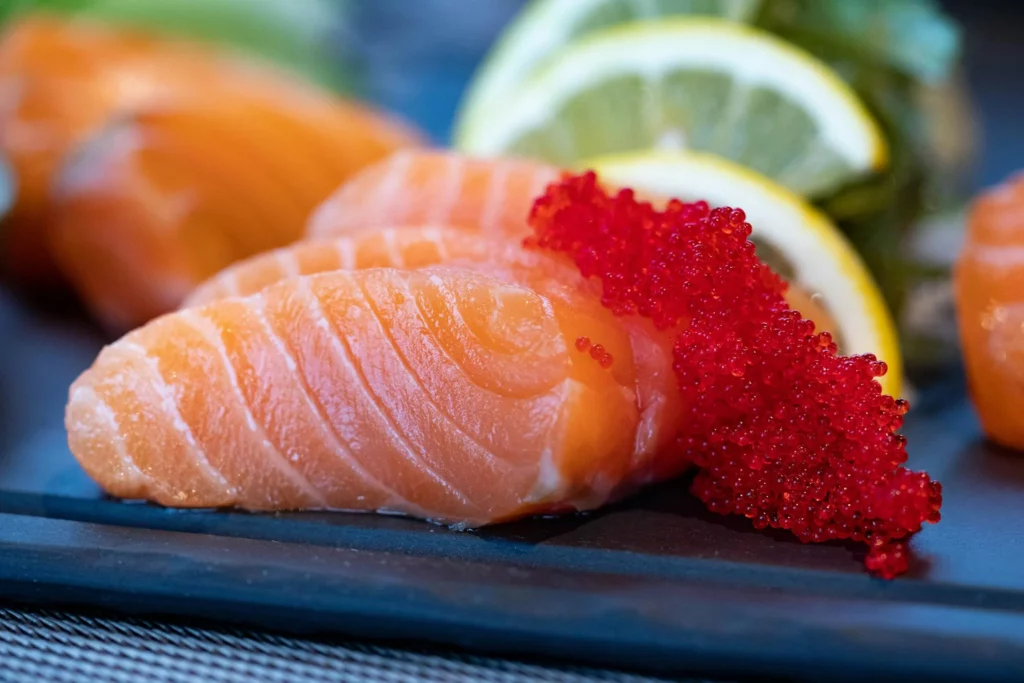
Fatty fish provide omega-3 fatty acids and vitamin D, two nutrients that play important roles in health.
Examples include:
- Salmon
- Sardines
- Herring
- Anchovies
- Mackerel
- Albacore tuna
Omega-3 fats may help reduce inflammation, while vitamin D supports immune function and bone health.
Some studies suggest that people who regularly consume fish may have lower risks of certain chronic diseases. While research into cancer prevention is ongoing, fatty fish are generally considered a healthy protein choice as part of a balanced eating pattern.
The Bottom Line
No single food can guarantee protection against cancer. However, a diet centered around nutrient-dense whole foods—including vegetables, fruits, legumes, whole grains, mushrooms, healthy fats, and fish—may help support overall health and reduce the risk of many chronic diseases.
Rather than focusing on individual “miracle foods,” experts recommend building consistent, healthy eating habits over time. Combined with regular physical activity, avoiding tobacco, limiting alcohol, maintaining a healthy weight, and getting recommended health screenings, a nutritious diet can be an important part of a cancer-prevention lifestyle.
Medical Disclaimer: This article is intended for educational purposes only and should not be considered medical advice. Always consult a qualified healthcare professional regarding any medical condition, dietary change, or treatment decision.







