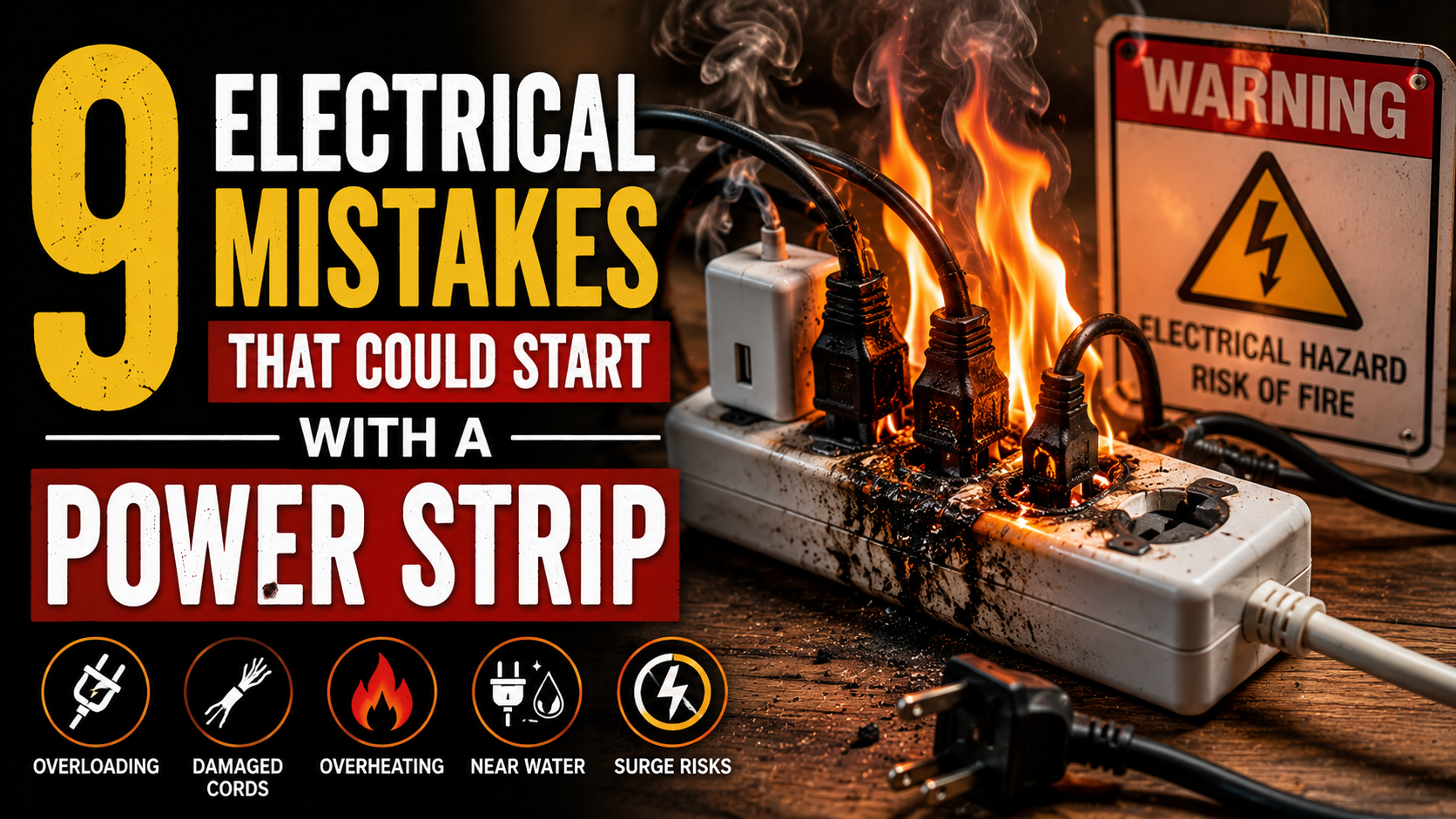
Power strips are a convenient way to add extra outlets in your home, especially as the number of electronic devices we use continues to grow. From charging smartphones to powering entertainment systems, power strips have become a household necessity.
However, not everything should be plugged into one.
Many people don’t realize that certain appliances draw far more electricity than a typical power strip is designed to handle. When high-powered devices are connected to power strips, they can overload the circuit, cause overheating, damage equipment, and in some cases create a serious fire hazard.
Before plugging any device into a power strip, it’s important to check the strip’s power rating and understand how much electricity the appliance requires.
Here are nine items that should generally never be plugged into a standard power strip.
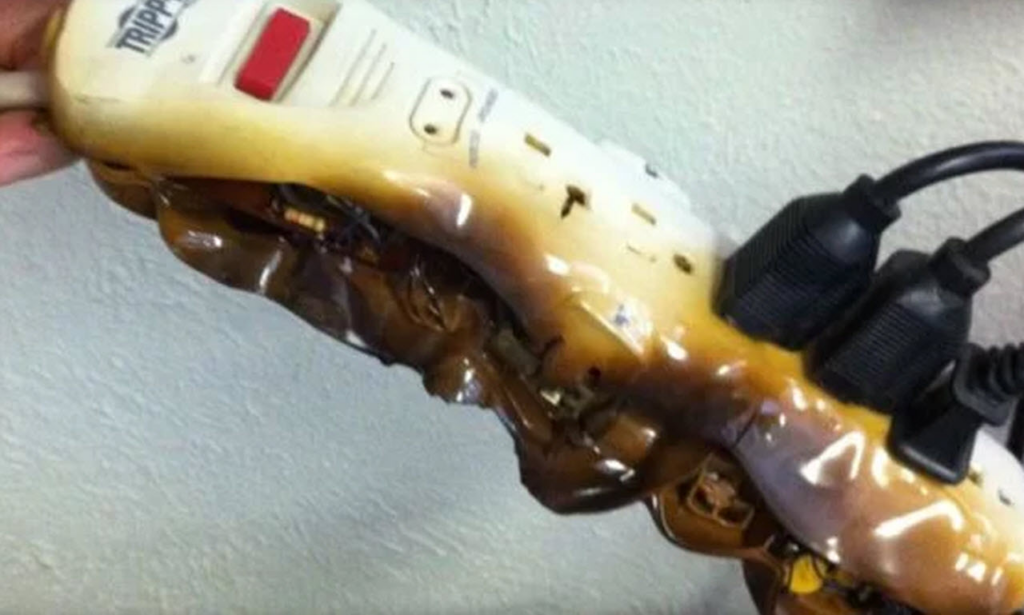
1. Electric Ovens and Countertop Ovens
Ovens consume a significant amount of electricity, especially while heating up. Because of their high power demands, they should be plugged directly into a dedicated wall outlet.
Using a power strip with an oven increases the risk of overheating and electrical failure.
2. Refrigerators
Refrigerators run continuously and cycle on and off throughout the day. Each startup requires a surge of electricity that can strain a power strip.
Manufacturers typically recommend plugging refrigerators directly into a wall outlet to ensure reliable operation and reduce the risk of electrical problems.
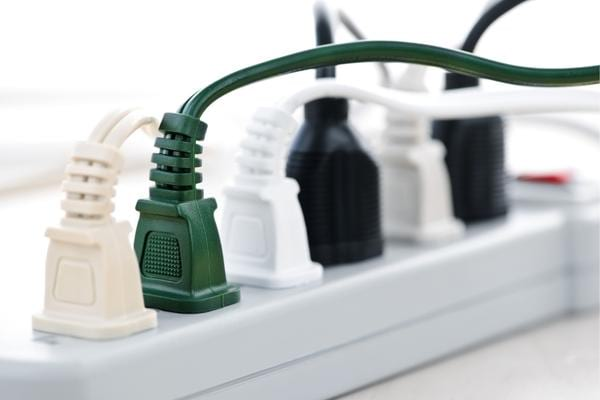
3. Washing Machines
Washing machines can draw substantial power, particularly during spin cycles and when heating water.
Many models use over 1,000 watts, placing them close to the maximum load of many household power strips. Since they often operate unattended for extended periods, the risk of overheating becomes even more concerning.
For safety, washing machines should be plugged directly into a properly grounded wall outlet.
4. Space Heaters
Portable space heaters are among the most common causes of power strip overloads.
Many heaters use around 1,500 watts on their highest settings and often run for long periods. This combination of high power consumption and extended use can easily overheat a power strip.
Space heaters should always be plugged directly into a wall outlet.
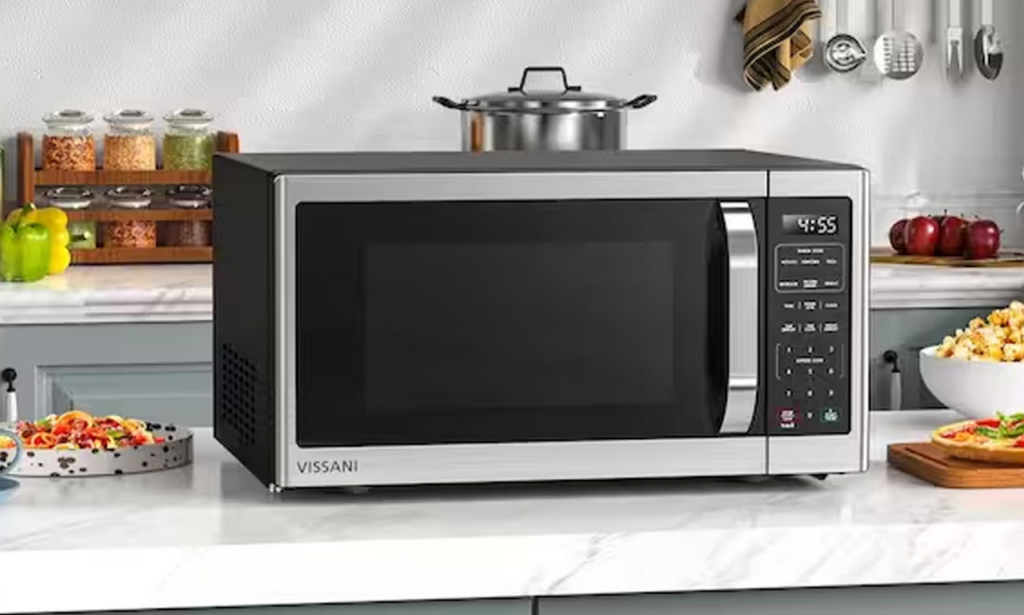
5. Microwaves
Microwave ovens require a large amount of electricity during operation. Although they may only run for a few minutes at a time, their power demands are high enough to overload some power strips.
A dedicated wall outlet is the safest option.
6. Coffee Makers
Coffee makers generate heat through powerful internal heating elements. While they may appear harmless, they can draw considerable electricity while brewing.
To reduce the risk of overheating and electrical issues, plug coffee makers directly into a wall outlet.
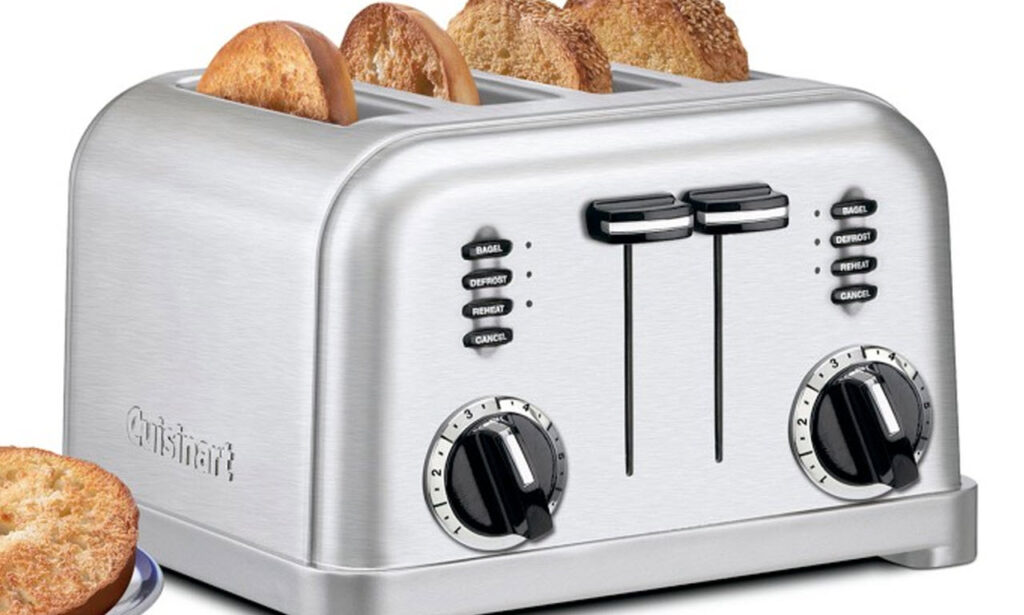
7. Toasters
Toasters are another appliance that relies on high-powered heating elements.
Even though they operate for short periods, they consume substantial amounts of electricity and should never be connected to a power strip or extension cord.
8. Another Power Strip
Plugging one power strip into another—a practice known as “daisy chaining”—is strongly discouraged.
This setup can overload circuits, increase fire risk, and often violates electrical safety guidelines. If you need more outlets, consider installing additional wall receptacles or using a properly rated power distribution solution.
9. Sensitive Electronics Without Surge Protection
Computers, televisions, gaming consoles, and internet routers generally don’t consume large amounts of electricity, but they are vulnerable to power surges.
A basic power strip may not provide adequate protection against voltage spikes that can damage expensive electronics.
Instead, use a high-quality surge protector specifically designed to safeguard sensitive devices.
How to Use Power Strips Safely
To reduce the risk of electrical problems:
- Check the power rating of your power strip.
- Avoid plugging high-wattage appliances into power strips.
- Never overload a strip with too many devices.
- Replace damaged or worn-out power strips immediately.
- Keep power strips in open, well-ventilated areas.
- Use surge protectors for computers, TVs, and other sensitive electronics.
The Bottom Line
Power strips are designed for convenience, not for powering every appliance in your home. High-energy devices such as refrigerators, space heaters, microwaves, washing machines, and toasters should generally be connected directly to wall outlets.
Using power strips correctly can help prevent equipment damage, electrical failures, and potentially dangerous fires. When in doubt, check the manufacturer’s recommendations and prioritize safety over convenience.







