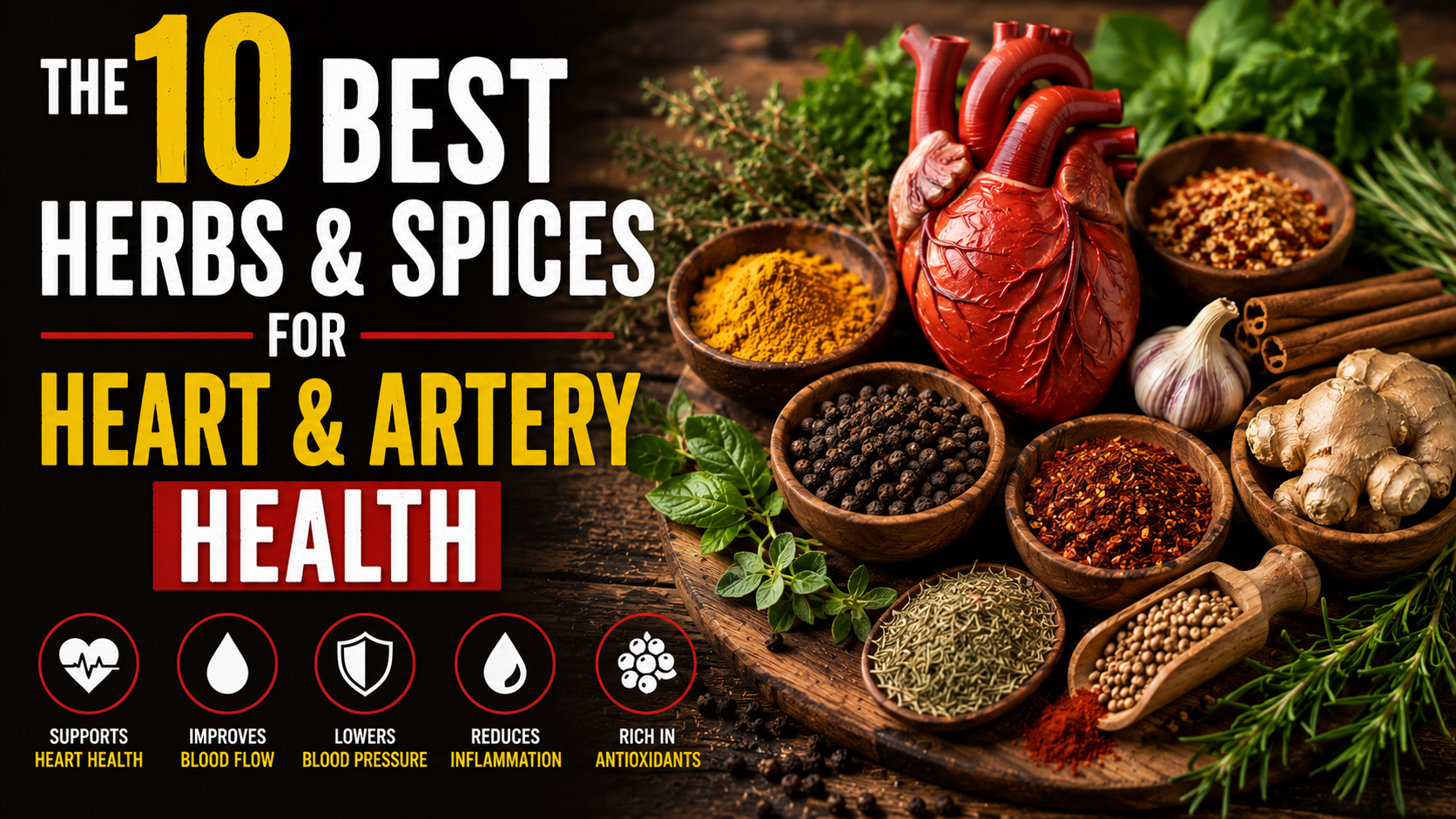
Heart disease remains one of the biggest health challenges worldwide. According to global health data, coronary heart disease is responsible for millions of deaths every year and continues to be a major cause of premature mortality. The number of cases has risen significantly over the past few decades, highlighting the importance of prevention and long-term cardiovascular care.
One of the most concerning aspects of coronary heart disease is that many people are unaware they have it until symptoms become severe. Factors such as a sedentary lifestyle, smoking, poor dietary habits, aging, genetics, and biological sex can all increase the risk of developing the condition.
Coronary heart disease develops when fatty deposits, commonly known as plaque, accumulate inside the arteries. Over time, these deposits narrow the blood vessels, reducing the flow of oxygen-rich blood to the heart. Elevated levels of low-density lipoprotein (LDL), often called “bad” cholesterol, play a major role in this process and contribute to the development of atherosclerosis, a condition characterized by hardened and clogged arteries.
Maintaining healthy arteries is essential for overall cardiovascular wellness. While medical treatment and lifestyle changes remain the foundation of heart health, research suggests that certain herbs and spices may offer additional support. Many of these natural ingredients contain compounds that help combat inflammation, oxidative stress, high cholesterol, and other factors linked to arterial damage.
Below are ten herbs and spices that have attracted scientific interest for their potential cardiovascular benefits.
1. Garlic
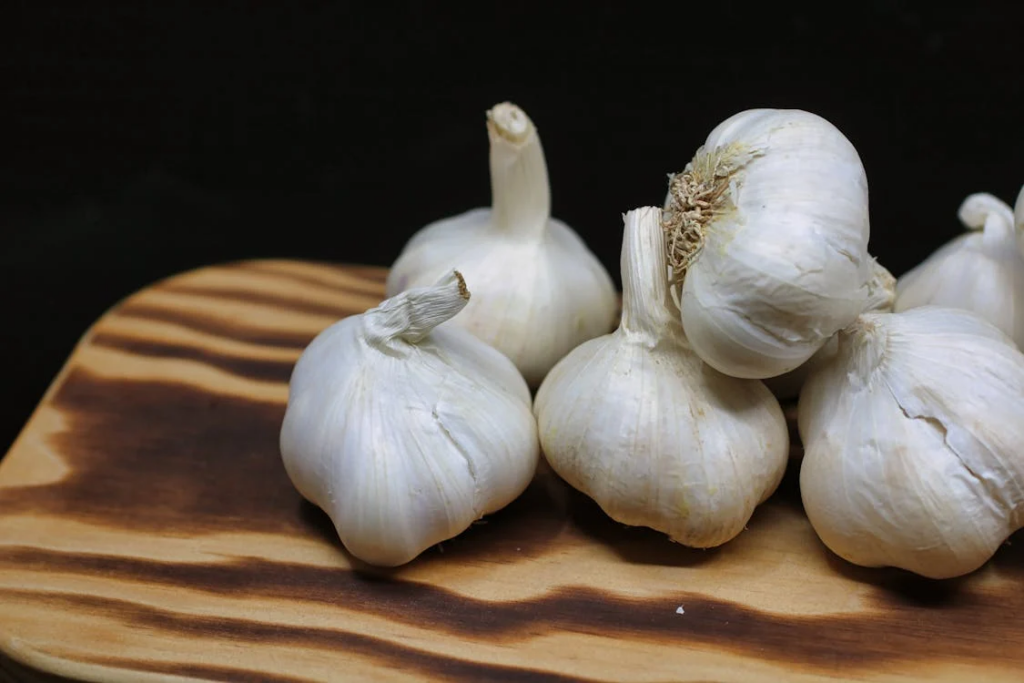
Garlic has been valued both as a food ingredient and a traditional remedy for thousands of years. A member of the onion family, it has long been associated with heart health and circulatory support.
How It May Help
Garlic contains allicin, a sulfur-containing compound believed to contribute to many of its health-promoting properties. Research suggests allicin may help relax blood vessels, improve circulation, and reduce inflammation.
Potential Benefits
Studies indicate that garlic may:
- Help lower blood pressure
- Reduce LDL cholesterol levels
- Slow plaque accumulation in arteries
- Support healthy blood flow
- Decrease the tendency of blood platelets to clump together
These effects could contribute to a lower risk of cardiovascular complications when combined with a healthy lifestyle.
Research Limitations
Although garlic has been extensively studied, results vary between studies due to differences in preparation methods, dosages, and supplement formulations. More standardized human research is needed to determine optimal use and long-term effectiveness.
2. Turmeric
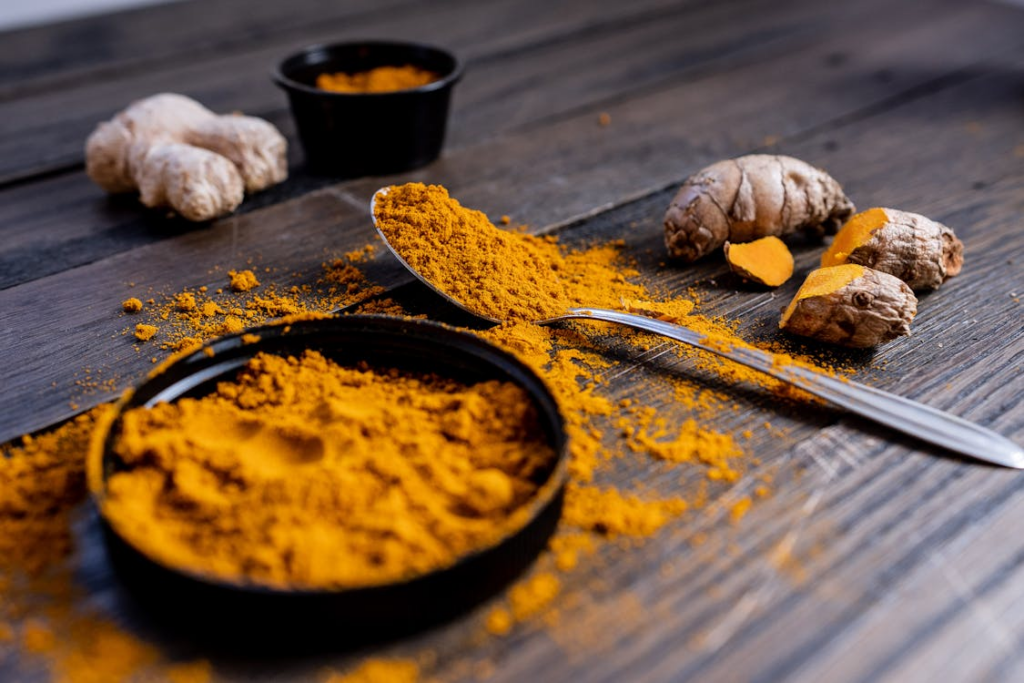
Turmeric is a bright yellow spice widely used in South Asian cuisine. It has been a cornerstone of traditional medicine systems for centuries and continues to receive attention from researchers investigating its health benefits.
How It May Help
The primary active compound in turmeric is curcumin, which possesses powerful antioxidant and anti-inflammatory properties. These effects may help protect blood vessels from damage and support cardiovascular function.
Potential Benefits
Research suggests curcumin may:
- Reduce inflammation within arterial walls
- Lower oxidative stress
- Improve blood vessel flexibility
- Support healthy circulation
- Help slow the progression of atherosclerosis
Some studies also indicate that curcumin may influence cellular pathways involved in heart repair and blood pressure regulation.
Research Limitations
Most positive findings have come from laboratory and animal studies. Large-scale human clinical trials are still required to confirm these benefits and establish effective dosage guidelines.
3. Cayenne Pepper and Other Chili Peppers
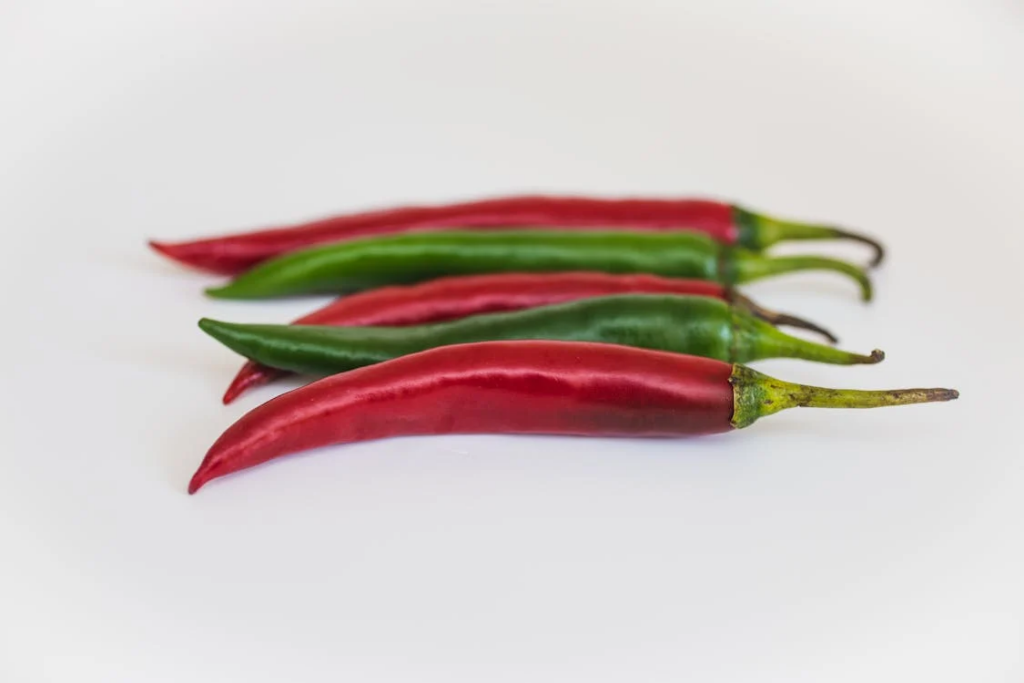
Chili peppers contain capsaicin, the compound responsible for their characteristic heat. Beyond adding flavor to meals, capsaicin has shown potential cardiovascular benefits.
How It May Help
Capsaicin appears to influence blood vessel function, cholesterol metabolism, and inflammation. Researchers have also observed effects on genes involved in blood vessel constriction.
Potential Benefits
Regular consumption of capsaicin-rich foods may:
- Improve blood circulation
- Lower blood pressure
- Reduce LDL cholesterol
- Help prevent plaque buildup
- Support overall metabolic health
Population studies have even linked frequent chili pepper consumption with improved longevity.
Research Limitations
While early findings are encouraging, more human studies are necessary to fully understand capsaicin’s role in cardiovascular disease prevention and arterial health.
4. Ginger
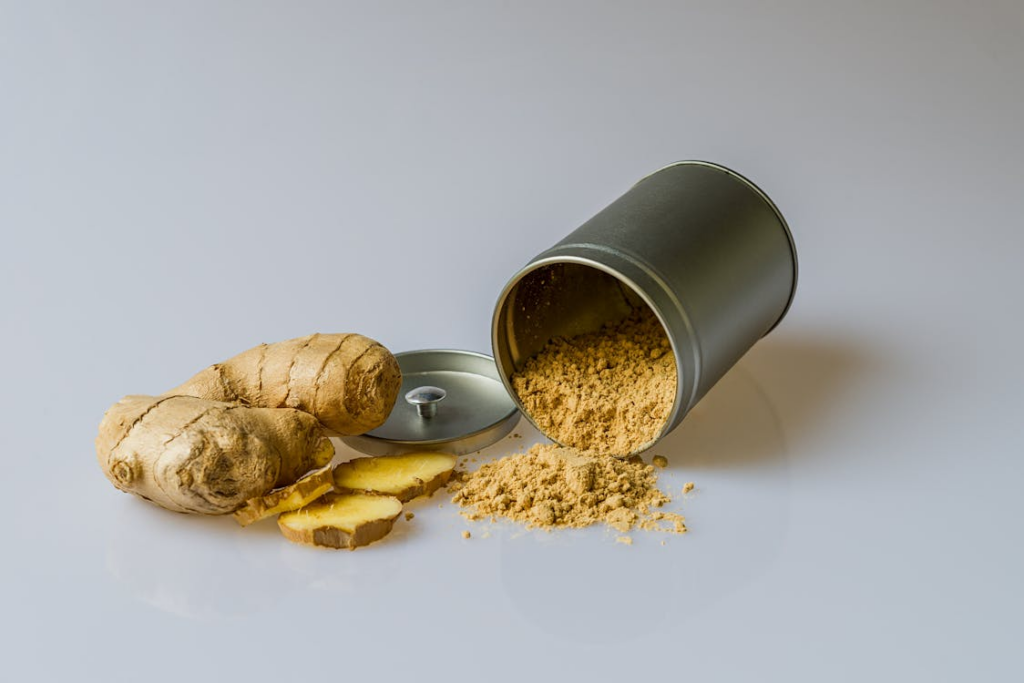
Ginger has been used medicinally and culinarily for centuries. Its distinctive flavor and rich concentration of bioactive compounds make it one of the most widely studied natural remedies.
How It May Help
The key active compound in ginger is gingerol, which possesses anti-inflammatory, antioxidant, and anti-platelet properties.
Potential Benefits
Research suggests ginger may:
- Promote blood vessel relaxation
- Improve circulation
- Lower blood pressure
- Reduce LDL cholesterol
- Limit oxidative damage
- Reduce the likelihood of abnormal blood clot formation
These combined effects may help support healthier arteries and cardiovascular function.
Research Limitations
Variations in preparation methods, including fresh, dried, powdered, and extract forms, make it difficult to compare results across studies. Additional high-quality human research is still needed.
5. Cinnamon

Known for its warm flavor and aroma, cinnamon has been used in both traditional medicine and cooking for generations.
How It May Help
Cinnamon contains cinnamaldehyde, a compound believed to contribute to its cardiovascular effects. It also provides antioxidant compounds that may help protect blood vessels.
Potential Benefits
Studies suggest cinnamon may:
- Reduce total cholesterol and triglycerides
- Improve blood vessel function
- Support healthy blood pressure levels
- Lower inflammation
- Reduce platelet aggregation
These effects could contribute to improved arterial health over time.
Research Limitations
Scientific findings remain mixed. Some studies report significant benefits, while others show little measurable effect. Differences in cinnamon varieties and study designs continue to complicate conclusions.
6. Oregano

Oregano is a staple herb in Mediterranean cuisine and contains an impressive range of plant-based antioxidants.
How It May Help
Key compounds such as carvacrol and thymol exhibit antioxidant and anti-inflammatory activity, helping protect cells from damage.
Potential Benefits
Research indicates oregano may:
- Reduce oxidative stress
- Support healthy cholesterol levels
- Protect arterial walls
- Promote blood vessel relaxation
- Help reduce inflammation
These properties may contribute to long-term cardiovascular wellness.
Research Limitations
Most evidence currently comes from laboratory and animal studies. Human trials remain limited, making it difficult to draw firm conclusions.
7. Parsley

Often viewed as a garnish, parsley is actually a nutrient-dense herb rich in vitamins and beneficial plant compounds.
How It May Help
Parsley contains vitamin C, vitamin K, folate, carotenoids, and flavonoids. It also provides nitrates that can help improve blood flow.
Potential Benefits
Studies suggest parsley may:
- Lower cholesterol and triglycerides
- Improve circulation
- Reduce inflammation
- Support blood vessel elasticity
- Help prevent excessive clot formation
Its nutrient profile makes it a valuable addition to a heart-conscious diet.
Research Limitations
Most research has been conducted in animals. More long-term human studies are required to verify cardiovascular benefits.
8. Saffron

Saffron is among the world’s most prized spices and has a long history of medicinal use throughout the Mediterranean and Middle East.
How It May Help
Its active compounds, particularly crocetin and crocin, possess antioxidant and anti-inflammatory properties that may protect blood vessels.
Potential Benefits
Research suggests saffron may:
- Improve cholesterol profiles
- Reduce arterial inflammation
- Support healthy blood pressure
- Enhance circulation
- Protect against plaque formation
These effects may help lower cardiovascular risk when combined with healthy lifestyle habits.
Research Limitations
Clinical studies remain relatively small and limited. Larger controlled trials are necessary to determine how effective saffron may be for heart health.
9. Basil
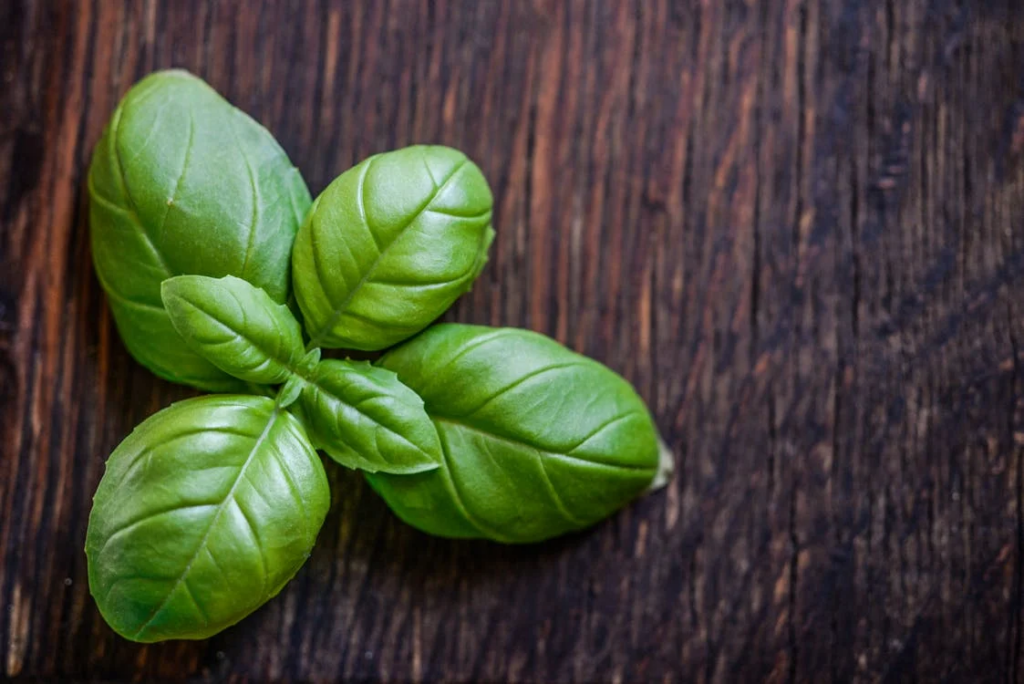
Basil, especially holy basil (Tulsi), has been widely used in traditional medicine systems for centuries.
How It May Help
The herb contains compounds such as eugenol, which have antioxidant and anti-inflammatory properties. Holy basil is also known for its stress-supporting effects.
Potential Benefits
Research indicates basil may:
- Help lower blood pressure
- Improve cholesterol levels
- Reduce inflammation
- Combat oxidative stress
- Support overall cardiovascular function
Its stress-reducing properties may also indirectly benefit heart health.
Research Limitations
Most current evidence comes from animal studies or small human trials. More comprehensive research is needed to confirm its cardiovascular effects.
10. Willow Bark

Willow bark has a long history as a natural remedy and is considered the original source of compounds that inspired modern aspirin.
How It May Help
Willow bark contains salicin, which the body converts into salicylic acid. This compound exhibits anti-inflammatory and blood-thinning effects.
Potential Benefits
Potential cardiovascular benefits include:
- Reduced platelet aggregation
- Improved circulation
- Lower inflammation
- Reduced risk of clot formation
- Support for healthy blood flow
These actions may help maintain clearer arteries and reduce cardiovascular risk.
Research Limitations
Compared with aspirin, willow bark is generally milder and slower acting. More research is required to establish safe dosages and determine its effectiveness in cardiovascular prevention.
Final Thoughts

A growing body of research suggests that certain herbs and spices may play a supportive role in maintaining healthy arteries and promoting cardiovascular wellness. Ingredients such as garlic, turmeric, ginger, cinnamon, oregano, parsley, saffron, basil, chili peppers, and willow bark contain compounds that may help combat inflammation, oxidative stress, elevated cholesterol, and other factors associated with arterial damage.
However, these natural remedies should be viewed as complementary tools rather than replacements for medical treatment. A balanced diet, regular exercise, smoking cessation, stress management, and professional healthcare guidance remain the most effective strategies for protecting heart health.
Adding these flavorful herbs and spices to your meals may not only enhance taste but could also contribute to better cardiovascular well-being over the long term.







